Remember that time you spent hours scrolling through Instagram, completely captivated by those stunning, perfectly curated homes? You’re not alone. We all crave that sense of comfort, style, and personality that a well-designed space provides. Choosing the right aesthetic can feel like a challenge. This guide simplifies the process, exploring the most popular home decor styles and offering practical advice to transform your home. You’ll gain valuable insights into different design philosophies, helping you identify your perfect style and implement it with confidence. Plus, you will learn to avoid common decorating mistakes, increasing the appeal of your home and making it a more pleasant space. Get ready to discover your inner decorator!
Key Takeaways
- Learn to identify and differentiate between various popular design trends.
- Discover practical tips for incorporating different styles into your home.
- Understand the unique characteristics of each style, from minimalist to maximalist.
- Gain inspiration and ideas to create a personalized and stylish living space.
- Find ways to avoid common decorating pitfalls and make informed design choices.
- Develop the confidence to express your personality through your home decor.
Unveiling Contemporary and Modern Styles
The terms “contemporary” and “modern” are often used interchangeably, yet they represent distinct design approaches. Modern style, in essence, reflects the design principles that emerged in the early to mid-20th century. This style celebrates clean lines, a focus on function, and the use of materials like steel, glass, and wood. Contemporary, on the other hand, describes what’s “of the moment” and is always evolving. It borrows from various styles, incorporating current trends and incorporating new innovations in materials and technology. Both approaches emphasize simplicity, but contemporary often includes more flexibility, allowing for the integration of unique elements and artistic statements. Think of modern as a classic, and contemporary as the ever-changing interpretation.
Modern Design Principles: Form Follows Function
The core of modern design lies in the phrase “form follows function.” Every element in a modern space serves a purpose. Decoration is kept to a minimum; ornamentation is secondary to the utility of an object. This means furniture is chosen not just for its appearance but for its efficiency and practicality. Lines are clean and uncluttered; often you will see simple geometric shapes that are easy to understand. Materials such as wood, steel, and glass are favored for their durability and sleek appearance. Modern design also frequently incorporates an open floor plan to maximize space and create a feeling of spaciousness.
- Clean Lines: Straight, unadorned lines create a sense of order and simplicity.
- Minimalism: The focus is on essential elements, avoiding clutter and excessive decoration.
- Natural Materials: Wood, leather, and stone add warmth and texture to the space.
- Neutral Color Palette: Primarily using whites, grays, and blacks, with occasional pops of color.
- Functionality: Furniture and décor are chosen for their practicality and efficiency.
Consider the famous Barcelona chair by Mies van der Rohe. It’s an iconic example of modern design, showcasing the beauty of form and function perfectly combined. This design is created with clean lines and premium materials. Or think about the impact of the Bauhaus school of design, which promoted the idea of design for mass production, creating beautiful, functional objects accessible to everyone. This led to a widespread shift towards more minimalist and utilitarian design in homes and architecture. Modern design is about focusing on the essentials.
Contemporary Design Today: Embracing the Now
Contemporary design is always changing. It’s a style that reflects the present, always evolving with the latest trends. There’s a lot of flexibility in contemporary design, allowing for a broader mix of elements. You’re likely to find innovative use of materials, like concrete, metal, and sustainable options. Color palettes can range from neutral to vibrant, with bold accents. The furniture is also very diverse, from sleek modern pieces to more sculptural, artistic forms. Contemporary style often incorporates technology in smart home features, with integrated lighting systems and automated shades, highlighting the forward-thinking nature of the style.
- Current Trends: Incorporates the latest design trends and innovations.
- Bold Colors: Uses vibrant colors and patterns for visual interest.
- Unique Materials: Explores innovative materials and textures.
- Artistic Elements: Embraces art and statement pieces as focal points.
- Versatility: Allows for a mix of styles, creating a personalized space.
A recent example can be seen in the rise of biophilic design in contemporary interiors. This is the practice of incorporating natural elements, such as plants, natural light, and organic materials, to enhance well-being and connectivity to the natural world. Another notable trend is the use of upcycled and repurposed materials, reflecting a focus on sustainability and eco-friendliness. The use of smart home technology, such as voice-controlled lighting and automated systems, is also becoming more common. These demonstrate how contemporary design is always adapting to new ideas.
Exploring the Cozy Charm of the Farmhouse Style
Farmhouse style is a welcoming design approach that celebrates comfort, simplicity, and a connection to nature. This style is rooted in rustic and traditional elements, and it’s characterized by a warm, inviting atmosphere. The focus is on natural materials, neutral colors, and functional design. This style is about creating a space that feels lived-in and comfortable, evoking a sense of calm and relaxation. Think of an old-fashioned country kitchen, with its wooden table and vintage accents; that’s the essence of the farmhouse style. It is the perfect blend of rustic and refined, offering a blend of both comfort and character.
Key Features of Farmhouse Interiors: Rustic Elements
Rustic elements are the heart of farmhouse design. This includes the use of reclaimed wood, exposed beams, and distressed finishes. Wood is a major feature, seen in flooring, furniture, and decorative accents. Natural textures like linen, cotton, and wool add to the overall warmth and coziness. Vintage items, like antique signs, and worn furniture pieces, are regularly used. Earthy and neutral tones are dominant, providing a backdrop for pops of color from natural elements. The goal is to create a space that feels lived-in, comfortable, and full of character.
- Reclaimed Wood: Used in flooring, furniture, and decorative accents for a rustic feel.
- Neutral Color Palette: White, cream, gray, and other neutral colors provide a calming base.
- Vintage Accents: Antique signs, vintage furniture, and other items add character.
- Natural Textiles: Linen, cotton, and wool add texture and warmth.
- Functional Design: Emphasis on practical and comfortable furnishings.
Consider a farmhouse kitchen with a large wooden dining table surrounded by mismatched chairs. The walls could be painted a soft white, with open shelving displaying vintage dishes and jars. Another example is a living room with a slipcovered sofa, a cozy throw blanket, and a fireplace framed by reclaimed wood. This approach allows people to experience the charm of a farmhouse, regardless of location. The farmhouse style isn’t about being perfect; it’s about embracing imperfection and creating a space that feels genuine.
Modern Farmhouse: Blending Old and New
Modern farmhouse style brings a contemporary twist to the traditional approach. It combines the warmth and charm of classic farmhouse with the clean lines and functionality of modern design. This can mean a combination of rustic and contemporary furniture, alongside updated finishes. The color palette often stays neutral, but with a few additions of modern accents. The design focuses on practicality and functionality, emphasizing simplicity and a well-organized layout. The result is a welcoming, stylish, and comfortable living space with a touch of contemporary flair.
- Clean Lines: Incorporates modern design elements for a streamlined look.
- Neutral Palette with Pops of Color: Modern elements added to the neutral background.
- Mixed Materials: Mixes rustic wood with metal, glass, and other materials.
- Updated Finishes: Modern light fixtures and fixtures add a touch of sophistication.
- Functional Spaces: Emphasis on open floor plans and practical furniture.
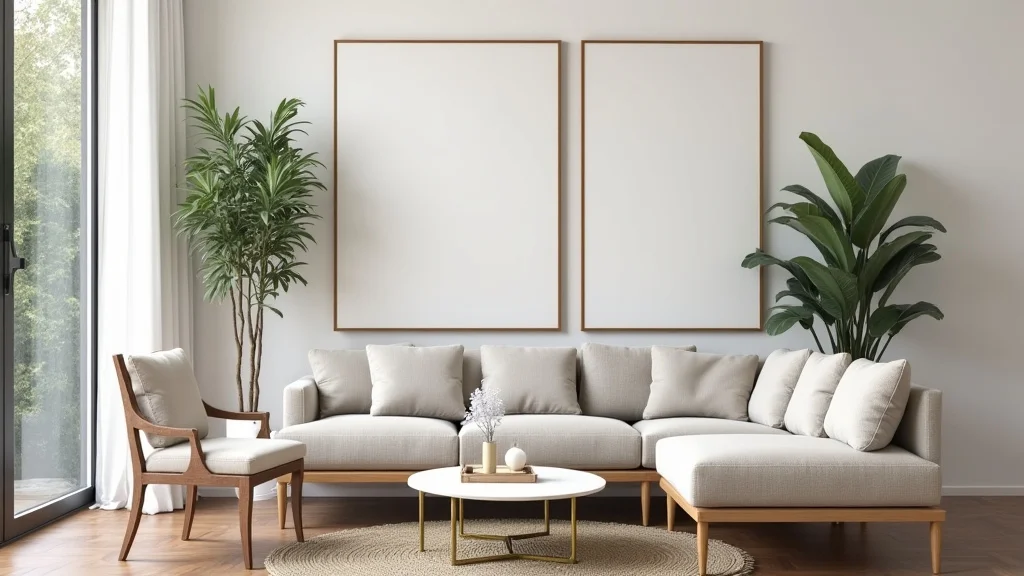
Imagine a modern farmhouse living room. This could be a space with a comfortable, neutral-toned sofa, complemented by a sleek coffee table and metal accents. The walls could be painted white, with a shiplap feature wall that adds a rustic touch. The addition of contemporary light fixtures and a few pieces of modern art would complete the look. Another illustration is a kitchen with white cabinets, a farmhouse sink, and a quartz countertop, combined with stainless-steel appliances and a modern island. The combination allows for a blend of old and new.
Minimalism: Less Is More
Minimalism is a design philosophy that focuses on simplicity, functionality, and the elimination of clutter. It’s about living with less, emphasizing the essentials and creating a sense of calm and order. The philosophy is based on the idea that decluttering and simplifying your physical space can lead to a more peaceful state of mind. It’s not just a design style but a lifestyle that prioritizes quality over quantity, and it encourages people to focus on what truly matters. The goal is to create a space that feels open, airy, and uncluttered, promoting a sense of peace and well-being.
Essential Elements: Streamlined Interiors
The essence of a minimalist interior lies in its simplicity. This includes clean lines, neutral colors, and a focus on functionality. Furniture is chosen for its purpose, with each piece serving a specific role. Decoration is kept to a minimum; any unnecessary items are removed to maintain a clutter-free environment. The color palette typically features white, gray, and other neutral colors, which creates a sense of spaciousness. Natural light is emphasized to highlight the simplicity and create a welcoming atmosphere. Minimalism is about removing distractions and creating a serene, uncluttered space.
- Neutral Color Palette: White, gray, and other neutrals create a sense of calm.
- Clean Lines: Simple shapes and forms define the space.
- Minimal Furniture: Emphasis on essential pieces with functional designs.
- Decluttering: Removing unnecessary items to create an open and airy feel.
- Natural Light: Large windows and open spaces to maximize natural light.
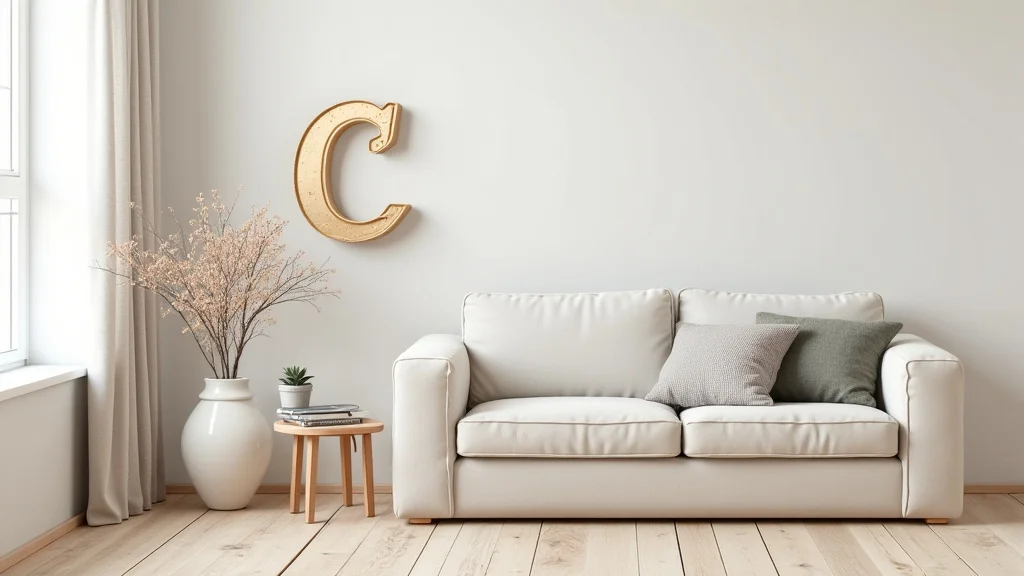
An example of minimalism would be a living room with white walls, a gray sofa, and a simple coffee table. There would be minimal decor, perhaps a single piece of art on the wall and a few carefully chosen accessories. A dining room might have a simple wooden table, a few chairs, and no unnecessary decorations. In this case, the focus would be on functionality and simplicity. This lifestyle emphasizes the importance of a streamlined environment.
Benefits of Minimalism
The benefits of minimalism extend beyond aesthetics. This design approach can reduce stress, promote a sense of calm, and improve overall well-being. By simplifying your surroundings, you can reduce mental clutter and enhance your focus. Minimalist spaces are typically easier to clean and maintain, which saves time and effort. Living with less also encourages mindful consumption, helping you to appreciate what you own. Minimalism is about creating a space that supports a peaceful, productive, and balanced life.
- Reduced Stress: Less clutter leads to a calmer state of mind.
- Improved Focus: Minimal distractions enhance concentration and productivity.
- Easier Maintenance: Simplified spaces are easier to clean and organize.
- Mindful Consumption: Encourages you to appreciate what you own.
- Enhanced Well-being: A peaceful environment promotes mental and emotional health.
Imagine a minimalist office space. It could have a simple desk, a comfortable chair, and a few essential office supplies. This setup helps improve focus and productivity, allowing you to work more effectively. Or consider a minimalist bedroom. It could have a bed, a bedside table, and minimal decorative items. This setup allows for a space that promotes relaxation and helps improve sleep quality. This style provides several benefits for those seeking to reduce stress and improve quality of life.
The Bohemian Vibe: Eclectic and Artistic
Bohemian, often called “boho,” is a design style characterized by its vibrant mix of colors, patterns, and textures. This style embraces an eclectic and artistic aesthetic, reflecting a free-spirited and unconventional approach to living. This style is about celebrating individuality, creativity, and self-expression. It’s known for its rich layering of textiles, global influences, and unique, often handmade, objects. This aesthetic welcomes an informal and relaxed atmosphere that exudes personality. It’s a space that should feel like an expression of you and your adventures.
Characteristics of Bohemian Design
Bohemian design is all about mixing different elements to create a unique and visually appealing space. This includes a blend of colors, patterns, and textures from different cultures. Textiles play a vital role, with the incorporation of tapestries, rugs, and cushions. Furniture can vary in style, from vintage to modern to anything else that inspires you. Natural materials like wood, rattan, and leather are common, adding warmth and texture. The walls often become galleries, adorned with art, photographs, and mirrors. Bohemian style is about creating a space that feels personal, comfortable, and full of life.
- Global Influences: Incorporates elements from different cultures and countries.
- Rich Textiles: Layering of rugs, tapestries, and cushions.
- Eclectic Furniture: A mix of styles, including vintage, handmade, and repurposed pieces.
- Vibrant Colors and Patterns: Use of bright colors, patterns, and textures.
- Personal Art and Decor: Displays of art, photographs, and travel souvenirs.
Consider a boho living room with a patterned rug, a mix of colorful cushions, and a few vintage finds like a Moroccan pouf. The walls could be adorned with tapestries, macramé wall hangings, and a collection of mirrors. A bedroom could feature a canopy bed with layered textiles, a collection of unique bedside tables, and a gallery wall with art from around the world. These spaces show how bohemian style captures an atmosphere of warmth, comfort, and character.
Bringing the Bohemian Look to Life
To implement bohemian design in your home, it’s essential to embrace layering, mixing, and personal expression. Start with a neutral base, such as white or light-colored walls, to provide a backdrop for the bolder elements. Then, incorporate colorful textiles, like rugs, cushions, and curtains, to add layers of texture and visual interest. Introduce eclectic furniture pieces, from vintage finds to modern accents. Include a variety of patterns and textures to create a cohesive look. Bring in plants, natural materials, and personal items, like artwork, to add personality. Most importantly, embrace imperfections and be open to creating a space that reflects your personality and life experiences.
- Start with a Neutral Base: Provide a backdrop for brighter elements.
- Incorporate Colorful Textiles: Add layers of texture and visual interest.
- Mix Eclectic Furniture: Blend vintage and modern pieces.
- Add Personal Decor: Use artwork and souvenirs to express yourself.
- Embrace Imperfection: Be open to mixing and matching different styles.
An example is a home office, with a vintage desk, a mix of colorful chairs, and walls decorated with art prints and inspirational quotes. The addition of plants, a patterned rug, and a few travel souvenirs would complete the look. Another example is a dining room with a long wooden table, mismatched chairs, and walls adorned with tapestries and artwork. This setup allows for a welcoming space that is full of character.
Common Myths Debunked
Myth 1: You Have to Completely Renovate to Change Your Style
Reality: You don’t need a full-scale renovation to transform your home. Start small, by changing accessories, adding new textiles, or rearranging furniture. Paint an accent wall, add new window coverings, or change your lighting fixtures. By focusing on smaller changes, you can make a big impact without having to remodel everything. The goal is to evolve the space over time.
Myth 2: Minimalist Homes Are Cold and Uninviting
Reality: Minimalism can be cozy and welcoming when executed well. Use a warm neutral color palette, incorporate natural materials, and add texture with throws and rugs. Minimalism is about removing excess clutter, not about sacrificing comfort. The focus should be on creating a space that is functional and inviting.
Myth 3: You Can’t Mix and Match Different Styles
Reality: Mixing and matching styles can create a unique and personalized space. The key is to find common threads, such as a shared color palette or a similar aesthetic. Use a common element to unify the mix. By carefully blending different styles, you can create a cohesive and visually appealing home that reflects your personality. Don’t be afraid to experiment, and enjoy the process of creating a space that is uniquely yours.
Myth 4: Farmhouse Style Is Only for Rural Homes
Reality: Farmhouse style works well in any home, regardless of its location. You can bring the comfort and charm of the farmhouse style to an urban apartment, suburban home, or even a contemporary loft. Adapt the style to fit your space by adding rustic elements, neutral colors, and vintage accents. Embrace the warmth and simplicity of the farmhouse look. The goal is to bring the essence of farmhouse style to any setting.
Myth 5: Bohemian Style Is Always Expensive
Reality: Bohemian design can be achieved on a budget. Mix and match, hunt for vintage and thrift store finds, and use DIY projects to create a unique look. Incorporate textiles, plants, and art to add character without breaking the bank. The focus should be on personal expression rather than expensive, curated decor. With creativity and resourcefulness, you can create a stunning bohemian space.
Frequently Asked Questions
Question: How do I know which style is right for me?
Answer: Consider your lifestyle, personality, and what makes you feel comfortable. Look at different styles, collect inspiration, and experiment with elements until you find a style that resonates with you.
Question: Can I change my home decor style?
Answer: Yes, you can evolve and change your home decor style over time. As your tastes and lifestyle change, it’s natural for your decor to evolve with them. Start small and don’t be afraid to experiment.
Question: How can I create a cohesive look with different styles?
Answer: Choose a common color palette or theme, and use accessories to tie the styles together. You can mix and match styles to create a unique, personalized space.
Question: What’s the best way to get started decorating?
Answer: Start with a plan. Identify your style preferences, take inventory of what you have, and make a budget. Then, begin with the most impactful changes.
Question: How often should I update my decor?
Answer: You can refresh your decor as often as you want. Some people like to update their decor seasonally, while others prefer to make larger changes every few years.
Final Thoughts
Choosing a popular home decor style can be fun and rewarding, allowing you to create a living space that reflects your personality and meets your needs. Exploring different styles can help you to discover your design preferences, from the minimalist approach to the warmth of the farmhouse style or the free-spirited energy of bohemian design. By understanding the key elements of each style and incorporating a few simple changes, you can transform your home into a space you love. Remember that there is no perfect way, so don’t be afraid to experiment, mix and match, and add your personal touch. Have fun and enjoy the creative process of designing the home of your dreams. Your ideal space awaits!