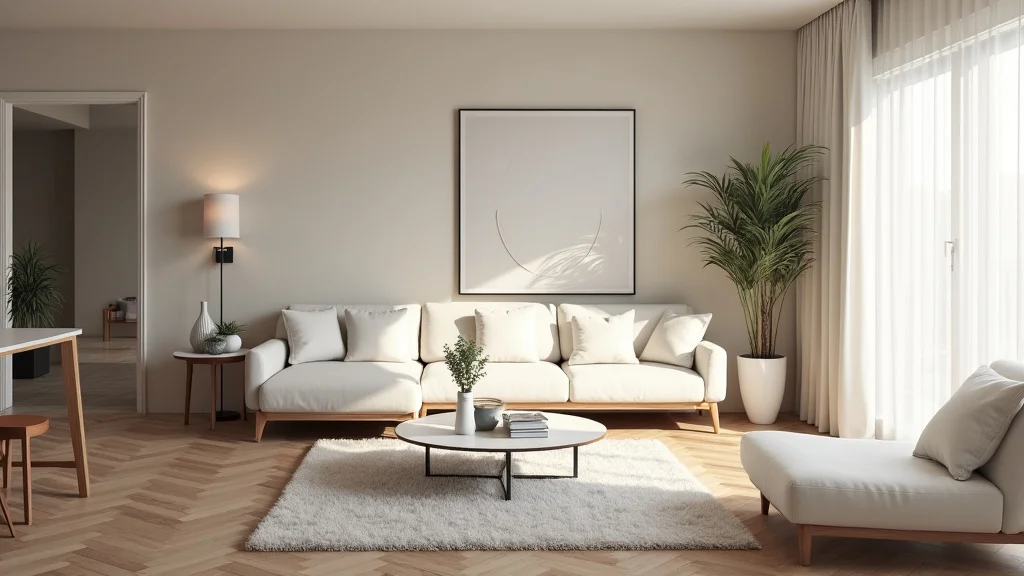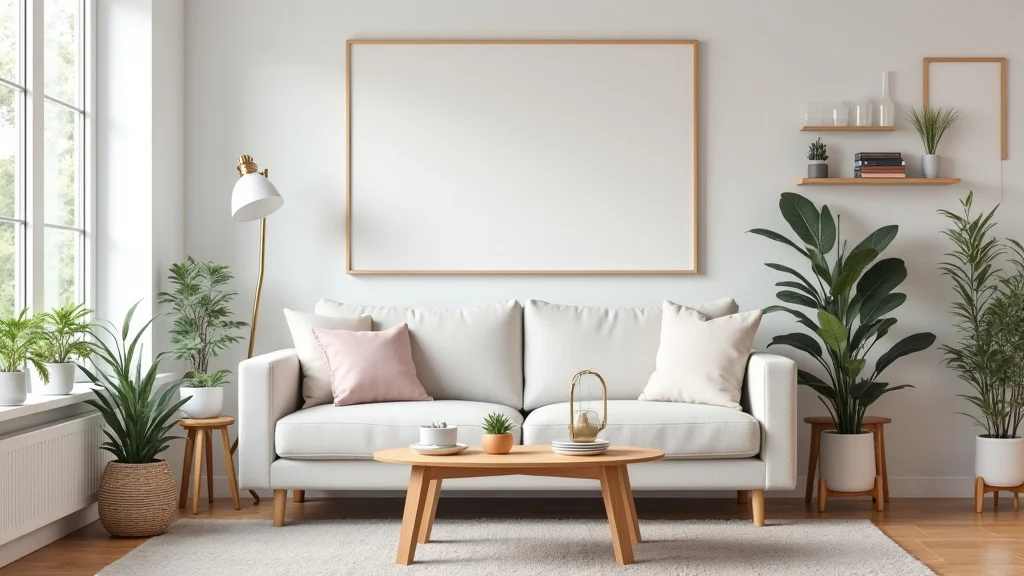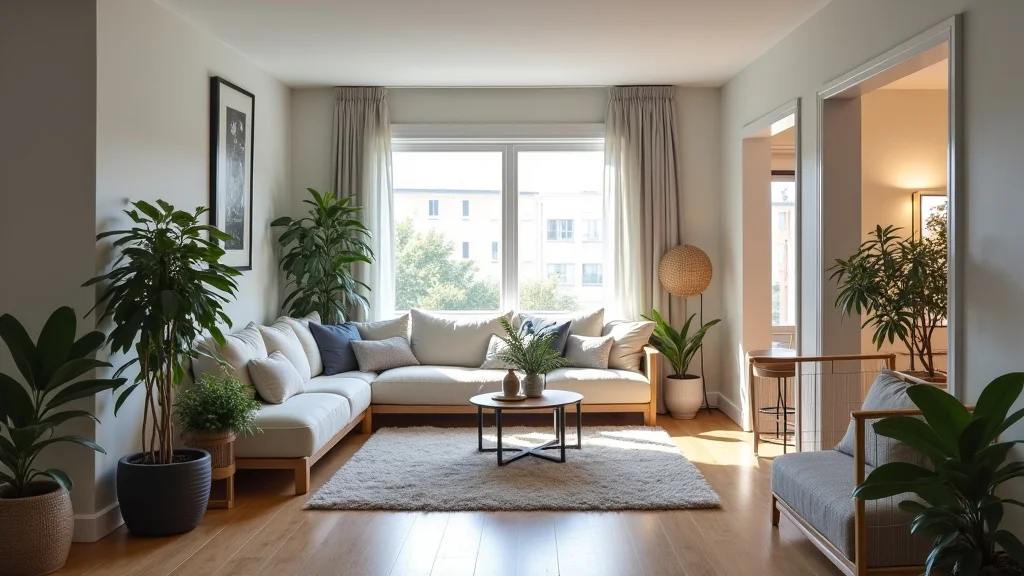
Remember that feeling of walking into a beautifully decorated space and instantly feeling more relaxed and inspired? It’s amazing how the right décor can transform a house into a home. Maybe you’re planning a full renovation or just freshening up a room; staying on top of the latest home decor styles is key to creating a space you love. This article will explore the most popular trends that are influencing interior design. By the end, you’ll feel equipped to create a stylish and comfortable home. Let’s explore the exciting possibilities and transform your living space. You’ll gain valuable insights into different design philosophies, helping you make informed decisions about your décor choices, and see the various ways to incorporate elements that reflect your taste. We will look at what’s hot and inspire you with fresh ideas.
Key Takeaways
- Discover the leading home decor styles shaping the design landscape.
- Learn how to integrate different design elements for a cohesive look.
- Understand the use of color palettes and their impact on a space.
- Explore furniture trends and their impact on interior design.
- Identify sustainable and eco-friendly practices in home decor styles.
- Gain valuable tips on how to apply these styles to your own home.
Embracing Contemporary Design
Contemporary design focuses on what is current, always evolving, and embraces the latest trends. It emphasizes clean lines, simple forms, and a neutral color palette. This style creates a sleek and uncluttered appearance, often featuring open spaces and natural light. It’s about creating a space that feels modern and comfortable. You will find that simplicity is a core value, with an emphasis on function and avoiding excess decoration. Contemporary design often incorporates the latest technology and materials, making it a great choice for those who appreciate modern living. It is about a fresh aesthetic without being overly complex, perfect for those wanting a stylish and livable space.
Key Features of Contemporary Style
- Minimalist Aesthetic: This involves removing unnecessary items.
- Neutral Color Palettes: Using whites, grays, and blacks as a foundation.
- Clean Lines: Straight edges and simple shapes.
- Use of Natural Light: Maximizing daylight.
Minimalism is at the heart of contemporary design. It means keeping only essential items, creating open spaces, and letting your décor breathe. Choose a few well-chosen pieces rather than a lot of smaller ones. This helps the room to feel more spacious and organized. Every item should have a purpose. This also makes the room feel modern and sophisticated. Think simple furniture designs and uncluttered surfaces. This style is not about emptiness, it’s about intentionality. This creates a peaceful and welcoming environment, perfect for relaxation and everyday living.
Neutral colors, like white, gray, and black, create a versatile backdrop that complements any other design element. You can then add pops of color with accent pieces, such as throw pillows or artwork. Neutral walls and floors create a calm base and can make a space look bigger and brighter. Using these colors makes it easy to change the look of the room by changing accent pieces, without having to paint the walls again. This approach makes your décor adaptable and timeless, giving you flexibility. Think of it as a blank canvas upon which you can express your creativity and personality.
Contemporary design thrives on clean, straight lines. Furniture often has simple shapes without excessive detailing. This includes sofas, tables, and chairs, and it gives the room a polished look. Think of streamlined furniture with minimal ornamentation. These lines create a sense of order and structure, enhancing the room’s spaciousness. This approach makes the room feel less cluttered and more focused. This also makes it easy to maintain a tidy appearance. Clean lines contribute to the room’s modern aesthetic and its overall balance.
Large windows, sheer curtains, and strategic placement of mirrors help bring in natural light, making spaces feel open and inviting. The right lighting is key. Use window treatments that allow light to filter through, like light-colored curtains or blinds. Adding mirrors strategically to reflect light enhances the feeling of spaciousness. Natural light makes spaces feel warmer and more welcoming, and it highlights the colors and textures of your décor. Good lighting can drastically change the ambiance of a room, making it feel more comfortable.
Exploring the Mid-Century Modern Vibe
Mid-Century Modern style evokes the period between the mid-1940s and the mid-1960s. This design movement is known for its functionality, organic shapes, and a seamless blend of indoor and outdoor living. Think of sleek, low-profile furniture, natural materials, and an array of colors that add a touch of nostalgia. Mid-Century Modern is great for anyone who appreciates a simple yet stylish approach to design. Its focus on practicality and beauty makes it a timeless choice. It embraces both comfort and sophistication. This style’s popularity lies in its ability to create inviting and aesthetically pleasing environments.
Core Principles of Mid-Century Modern Design
- Organic Forms: Focus on curves and natural shapes.
- Natural Materials: Incorporating wood, teak, and walnut.
- Color Palette: Earthy and vibrant hues.
- Minimalist Approach: Embracing simplicity in décor.
Mid-Century Modern furniture often features curved edges and rounded forms, which soften the overall feel of the space. This is a contrast to the geometric lines of contemporary design. Think of furniture with tapered legs, rounded armrests, and organically shaped coffee tables. These shapes make the room feel more inviting and comfortable. Natural materials, like wood, are often shaped into these organic forms, further emphasizing their natural beauty. These designs are visually appealing and create a harmonious, balanced environment.
The Mid-Century Modern look places importance on natural materials, especially wood, showcasing the beauty of their grains and textures. Teak and walnut are popular for furniture pieces like sideboards and coffee tables. These materials bring warmth and character. These elements add an element of authenticity and create a connection to the natural world. Use materials like wood to create a sense of warmth and add visual interest. By using these materials, this style celebrates the inherent beauty of natural elements.
The color palettes in Mid-Century Modern designs are usually warm, with a combination of earthy tones like mustard yellow, avocado green, and burnt orange. Using these colors enhances the overall aesthetic. These colors reflect the era’s optimism and love of innovation. You can introduce these vibrant hues through accent walls, decorative objects, and furniture. This bold color use creates visual interest, making any space cheerful and lively. These colors bring life and vibrancy, enhancing the atmosphere.
Mid-Century Modern style promotes a “less is more” attitude, focusing on quality and functionality. This results in the use of few decorative items, showcasing carefully chosen pieces. The emphasis is on functionality and usability. This leads to clear, uncluttered spaces. Furniture often serves multiple purposes. It is a smart approach to design that creates a balanced and harmonious environment. This style shows that less can be more when it comes to style and beauty.
Introducing Modern Minimalism
Modern Minimalism, an interior design style, is about simplicity and function. It’s a way to create spaces that are functional, uncluttered, and soothing to the eye. It is all about essential elements, clear lines, and a muted palette. It creates a feeling of calmness and elegance. Modern Minimalism encourages a life of intentionality and a peaceful living environment. This style focuses on creating space that promotes relaxation and well-being. It is suitable for those seeking a stylish and stress-free home.
Key Elements of Modern Minimalism
- Decluttering: Purging unnecessary items.
- Neutral Color Palette: Whites, grays, and blacks.
- Functional Furniture: Multipurpose pieces.
- Strategic Storage: Integrated and hidden solutions.
Modern Minimalism starts with getting rid of anything you do not use or love. This helps to create a spacious and open environment, removing distractions. Keep what is essential, and get rid of the rest. When you declutter, your space will feel more organized and calming. This process is about making a space feel more functional. Less clutter means fewer distractions, leading to a more peaceful environment. It frees up mental space, making your home a sanctuary.
Neutral colors are essential to Modern Minimalism, creating a background for a relaxed atmosphere. The use of white, gray, and black as the foundation makes spaces feel bigger and more inviting. These colors create a sense of harmony. You can add texture and interest with different shades and materials. This color palette is a great choice to achieve a clean and polished appearance. These colors provide a timeless, versatile base that allows for easy changes.
Furniture in this style should serve a purpose, with a focus on usability and practicality. Choose pieces that can do more than one thing, like a storage bed or a sofa bed. It is about simplifying and optimizing. This approach is perfect for smaller living spaces. This maximizes space and reduces clutter, creating a more organized home. By emphasizing function, you ensure every piece has a clear role, contributing to the overall design.
Storage is essential in Modern Minimalism. Storage solutions should be designed to keep things out of sight and maintain a neat appearance. Use built-in shelves, cabinets, and concealed storage. This helps in keeping the space organized and clear. This strategy is essential for achieving a minimalist aesthetic. This approach maximizes space while keeping your belongings organized and accessible. The goal is to keep clutter at bay.
Embracing the Warmth of Bohemian Style
Bohemian style (Boho) is all about free-spirited design. It’s a mix of patterns, textures, and cultural influences that create a relaxed and inviting atmosphere. It’s about embracing a carefree lifestyle and creating a space that reflects your personality. Boho style uses natural materials, vibrant colors, and handcrafted items. It encourages creative expression, blending comfort with exotic elements. It’s perfect for people who enjoy unique and expressive environments. This style lets you create a home that tells a story and feels authentic.
Characteristics of Bohemian Design
- Layering Patterns: Mixing different patterns and textures.
- Use of Natural Materials: Wood, rattan, and jute.
- Vibrant Colors: Bold and earthy hues.
- Global Influences: Incorporating elements from around the world.
In Bohemian design, layers of patterns and textures are central. This includes mixing different fabrics, such as printed textiles, embroidered cushions, and woven rugs. These layers add richness, depth, and visual interest to your space. You can blend patterns from various cultures. Don’t be afraid to experiment, and the mix will create a cozy and inviting environment. This approach is about creating a sense of comfort and a look that feels put-together.
Bohemian design uses natural materials, bringing warmth and a connection to nature. Wood, rattan, and jute are used for furniture, flooring, and decorative elements. These materials add texture and organic elements. They create a more inviting and relaxed environment. This embrace of nature is a key part of the Boho look. This also provides an authentic and grounded feel. The use of these materials enhances the style’s overall appeal.
Bohemian style uses a mix of colors, combining bright and earthy tones. Think of colors such as deep reds, oranges, and greens, plus natural hues. The use of color is a celebration of individuality and vibrancy. These hues can be incorporated in textiles, artwork, and furnishings. This color palette creates a space that is cheerful and lively. This use of color brings the space to life.
Bohemian design takes inspiration from cultures around the world. This includes incorporating artifacts, textiles, and decorative items. This results in a blend of colors, textures, and design styles. This design encourages the use of souvenirs, handmade goods, and vintage finds. The result is a personalized and globally inspired interior. This design element adds richness and depth to a home.
The Rise of Japandi
Japandi design combines Japanese minimalism with Scandinavian aesthetics. It emphasizes simplicity, natural materials, and functionality. Japandi creates a sense of calm and balance. It’s about creating a serene environment that encourages a sense of peace. This style is an ideal choice for people who appreciate simplicity, functionality, and a connection to nature. It focuses on well-being through minimalist design and natural elements, creating a balanced and peaceful living space.
Key Principles of Japandi Style
- Minimalist Design: Emphasis on simplicity and essentialism.
- Natural Materials: Wood, bamboo, and paper.
- Neutral Color Palette: Soft colors.
- Functionality: Incorporating practical and purposeful elements.
Japandi’s foundation is minimalist design, with an emphasis on essential pieces and functionality. This means eliminating clutter and keeping the décor to a minimum. Choose simple, functional items that serve a purpose, focusing on quality rather than quantity. This approach creates a sense of openness and tranquility. The goal is to have a space that is easy to navigate, peaceful, and stress-free. This philosophy fosters a sense of simplicity and order, leading to a space that is both stylish and serene.
Japandi makes use of natural materials, such as wood, bamboo, and paper. These elements bring warmth, texture, and a connection to the natural world. Think of wooden furniture, bamboo accents, and paper lanterns. This is an invitation to embrace the beauty of natural elements and create an environment that feels grounded and serene. These materials introduce a tactile aspect to the space. Their use enhances the overall ambiance, creating a sense of calm and inviting atmosphere.
Japandi uses a neutral color palette. This typically includes soft whites, creams, and earthy tones, which create a calming and harmonious environment. Adding touches of color with natural elements, like wood and plants, makes any space feel welcoming and balanced. This color scheme allows for a serene atmosphere, creating a feeling of spaciousness. The subtle colors provide a tranquil backdrop for relaxation and daily living.
In Japandi, every item should have a purpose. Furniture is selected for both its appearance and its functionality, and storage solutions are incorporated to maintain a clean appearance. The idea is to make sure every item works well and complements the design. Each item should have a specific role in the space. Functionality is key, as is the desire to promote a balanced and peaceful lifestyle. The use of essential pieces contributes to an organized and efficient home environment.
Eco-Friendly and Sustainable Practices
Eco-friendly home decor styles are about incorporating sustainable practices. These practices are gaining popularity as people become more conscious of their environmental impact. This approach involves using recycled, repurposed, and eco-friendly materials. It contributes to healthier living and a reduced carbon footprint. Embracing sustainability involves creating stylish and eco-conscious homes. This shift is more than just a trend, and shows a commitment to responsible design and a healthier environment.
Essential Elements of Eco-Friendly Home Decor
- Sustainable Materials: Reclaimed wood, bamboo, and recycled materials.
- Energy-Efficient Lighting: LED bulbs and natural light.
- Upcycling and Repurposing: Giving new life to old items.
- Non-Toxic Products: Low-VOC paints and natural textiles.
Choosing sustainable materials, like reclaimed wood, bamboo, and recycled items, is a key element of eco-friendly design. Reclaimed wood can be repurposed from old buildings and adds character and history to any space. Bamboo grows quickly and is a renewable resource, ideal for furniture and flooring. Recycled materials, such as glass and metal, can be repurposed. Choosing these materials makes a positive environmental impact. These materials offer stylish, green design options.
Using energy-efficient lighting, such as LED bulbs, is a core practice. They use less energy and last longer than traditional bulbs. Maximizing natural light by using large windows and strategic mirror placement is also a great approach. LED bulbs and natural lighting are two key strategies. These choices reduce energy usage and help create a more sustainable environment. These changes are great for the environment.
Upcycling and repurposing give new life to old items. Instead of buying new items, transforming old furniture, or turning materials into something new can be effective. Repurpose old items, such as turning old pallets into furniture or glass jars into planters. This approach reduces waste, and it adds character to any home. Upcycling is a creative and sustainable way to reduce environmental impact. This is a stylish and cost-effective method to update your décor.
Choosing non-toxic products is essential for a healthy home. Look for low-VOC paints, which have low volatile organic compounds. VOCs can be harmful, so use paint with low or no VOC content. Choose textiles made from natural fibers, like cotton, linen, and wool. These items are made without harmful chemicals and create a healthier indoor environment. These practices help improve air quality and ensure your home is a safe space for your family.
Color Trends and Their Impact
Color palettes have a significant influence on interior design trends. Colors can dramatically change the look and feel of a space. Color selection is influenced by cultural trends, social issues, and personal preferences. Understanding color trends helps to create inviting and harmonious environments. It gives an idea of what colors are currently popular and gives you the tools to create a space that reflects your personality and preferences.
Current Color Trends
- Earthy Tones: Warm neutrals and terracotta shades.
- Soft Pastels: Muted pinks, blues, and greens.
- Bold Accents: Deep blues, greens, and reds.
- Monochromatic Schemes: Creating a cohesive look.
Earthy tones, like warm neutrals, terracotta, and olive green, are creating a sense of comfort. These colors bring natural elements indoors. This creates a calming and inviting atmosphere, and terracotta adds warmth and character. These colors are versatile and can be used throughout your home. This palette promotes relaxation, making it a great choice for various spaces. Earthy tones bring a sense of well-being to your home.
Soft pastels, such as muted pinks, blues, and greens, offer a subtle and soothing touch. These colors bring a sense of peace to your space. They are very versatile. Think of painting a bedroom in a soft blue. This creates a relaxing environment. Pastel colors create a serene environment. This color palette is a great choice for bedrooms, living rooms, and any area where relaxation is key.
Bold colors, such as deep blues, greens, and reds, are great for adding emphasis. These accents make a statement and add character. Use these hues through artwork, accent walls, and furniture pieces. These colors add depth and visual interest. This strategy helps create a focal point in a space. Using deep blues, greens, and reds is perfect for making a bold statement.
Monochromatic schemes utilize different shades of the same color, creating a cohesive and harmonious look. This is a simple and effective design approach. This will help make your space feel connected. The outcome is a modern and stylish look. Think of a room decorated with different shades of gray. This technique is great if you want to create a clean and balanced environment.
Furniture and Material Trends
Furniture and material choices greatly impact the look and feel of a home. Trends in furniture and material selection can make a space feel current. Whether it’s the shape of a sofa, the texture of a rug, or the finish of a table, these elements have a big effect. Furniture and materials combine functionality and aesthetics. These trends help you create a space that is both stylish and comfortable, reflecting your style and needs.
Key Furniture Trends
- Curved Furniture: Rounded sofas and chairs.
- Multi-Functional Pieces: Convertible furniture.
- Natural Materials: Wood, rattan, and stone.
- Statement Pieces: Unique furniture items.
Curved furniture, such as rounded sofas and chairs, is a prominent trend. These shapes add softness and create a welcoming environment. They soften sharp angles and create a sense of harmony. Choose a curved sofa or a chair with rounded armrests. This design choice adds visual interest and creates a cozy space for your home. Curved furniture is a great way to add charm to your home.
Multi-functional furniture is becoming more popular. This includes convertible sofas, storage beds, and extendable tables. This is especially good for small spaces. Multi-functional pieces can change a space, making it efficient and easy to adapt. These items enhance flexibility and offer efficient solutions for any home. They are great for maximizing space.
Using natural materials, such as wood, rattan, and stone, is a prevailing trend. These materials bring a connection to nature, adding warmth and texture. Wood, rattan, and stone add depth and a touch of organic beauty. This is a very versatile design approach. Natural materials add a sense of luxury and authenticity, making any space feel inviting and elegant. These materials create a feeling of warmth.
Statement pieces, such as unique chairs, artistic coffee tables, and bold light fixtures, enhance any space. These items become focal points. They add character and reflect your personality. These items showcase your style and give the room character. Statement pieces draw attention and create visual interest. This is a way to create an expressive and personalized home.
Applying Home Decor Styles to Your Space
Applying interior design principles can make any space both stylish and practical. This involves understanding your personal style. It means incorporating elements of different trends to create a cohesive and welcoming home. This exploration helps in creating a space that feels comfortable and that reflects your lifestyle and tastes. The ultimate goal is to create a space where you feel relaxed and inspired. This involves making informed design choices.
Steps to Apply Your Chosen Style
- Assess Your Space: Evaluate layout, size, and light.
- Define Your Style: Identify preferences and inspirations.
- Choose a Color Palette: Select colors that complement your style.
- Select Furniture and Accessories: Choose key pieces and décor.
Before you get started, take a look at your space. Consider the layout, size, and natural light. Measure the rooms and note any existing features. This helps you understand what changes you can make. Assess your space to make sure the style you choose fits well. This makes a great plan, from lighting to traffic flow. By assessing your space first, you can ensure that you make informed decisions.
Determine your personal style by looking at magazines, websites, and social media for inspiration. Decide which features and designs you want to include in your home. This helps you to gather ideas. This will help you find elements from different styles that you love. By making your own style, you can make your home truly your own. Identify your taste and choose the styles that best suit your taste.
After deciding on your style, select a color palette. You should choose colors that complement your style. Think about how colors can impact the mood and feel of your space. Consider using a neutral base color and adding splashes of accent colors. Colors create a harmonious and stylish environment. The color palette sets the tone for your space.
Choose key pieces and décor. Start with furniture and then add accessories that reflect your style. Try out different arrangements and mix-and-match pieces. This is where you bring your style to life. Select pieces that serve both functional and aesthetic purposes. When choosing accessories, think of how they can add personality. This step is about expressing your unique style.
Common Myths Debunked
Myth 1: Trendy Styles Are Always Expensive
Many believe that adopting the latest home décor trends requires a large budget. The reality is that there are many budget-friendly ways to update your home. Thrift stores, DIY projects, and repurposing existing furniture are all great ways to implement popular styles. You can incorporate trends without spending a lot.
Myth 2: Minimalism Means Empty Spaces
Some people think minimalism is all about empty spaces. Actually, minimalism is a way to create an open and calm environment. It focuses on using essential and functional items. It is not about having an empty room, but about having a space that is carefully curated, clutter-free, and practical. Minimalism promotes simplicity, making a space functional and visually appealing.
Myth 3: You Can Only Follow One Style
It’s thought that you have to choose one style and stick to it. In reality, mixing styles can create a unique and personalized space. The key is to find elements that work together harmoniously. Combining styles helps you express your own individuality. Your home reflects your personality. It is about creating a space that suits your taste.
Myth 4: Eco-Friendly Decor Is Unstylish
The belief is that eco-friendly décor is unstylish. Many sustainable materials are both beautiful and functional. There are many options, from reclaimed wood to recycled textiles. These materials add style and help reduce environmental impact. It is a way to design your home in an eco-friendly way.
Myth 5: Small Spaces Can’t Embrace Trendy Styles
There’s a belief that small spaces cannot accommodate the latest design trends. In reality, you can incorporate them. The key is to choose the correct scale and pieces. Use multifunctional furniture. Choose lighter colors to make space seem larger. A small space can still be stylish and functional.
Frequently Asked Questions
Question: How do I choose the best style for my home?
Answer: Consider your lifestyle, preferences, and the functionality you need. Research different styles, gather inspiration, and determine which designs best suit your taste and daily needs.
Question: Can I mix different home décor styles?
Answer: Yes, mixing styles can create a unique and personalized space. The key is to balance and to use a common thread, such as a color palette or a material, to tie the elements together.
Question: How do I incorporate sustainability into my home décor?
Answer: Choose eco-friendly materials, such as reclaimed wood, bamboo, and recycled items. Buy energy-efficient lighting and non-toxic products.
Question: What are some tips for decorating a small space?
Answer: Maximize space with multifunctional furniture and choose lighter colors. Use mirrors to make the space feel bigger and organize storage effectively to minimize clutter.
Question: Where can I find affordable home décor?
Answer: Check out thrift stores, consignment shops, and online marketplaces. DIY projects and repurposing existing furniture are great ways to implement the newest trends without spending too much.
Final Thoughts
Exploring home decor styles means finding new ways to create a space that reflects your personality. Whether you are inspired by the clean lines of contemporary design, the warmth of Mid-Century Modern, or the freedom of Bohemian, there is a style to fit every taste. Each style offers a unique approach to design, from the minimalist approach of Japandi to the use of eco-friendly practices. By experimenting with different color palettes, materials, and furniture, you can create a home that is both beautiful and functional. Consider what you love and what makes you feel comfortable. Take time to assess your space and define your preferences, and choose pieces that speak to you. Have fun as you create your ideal space. With these ideas, you will create a space that inspires you.