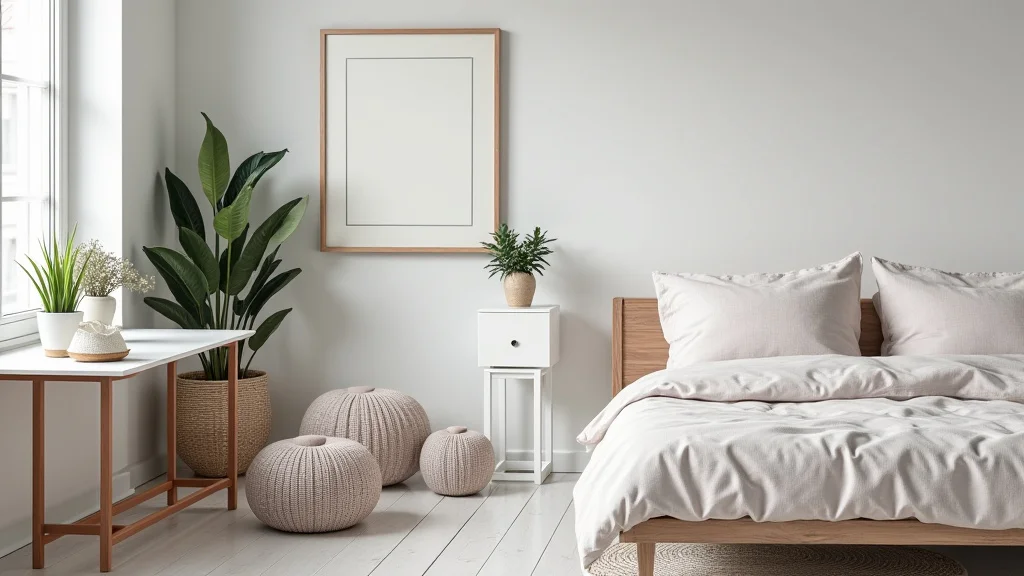
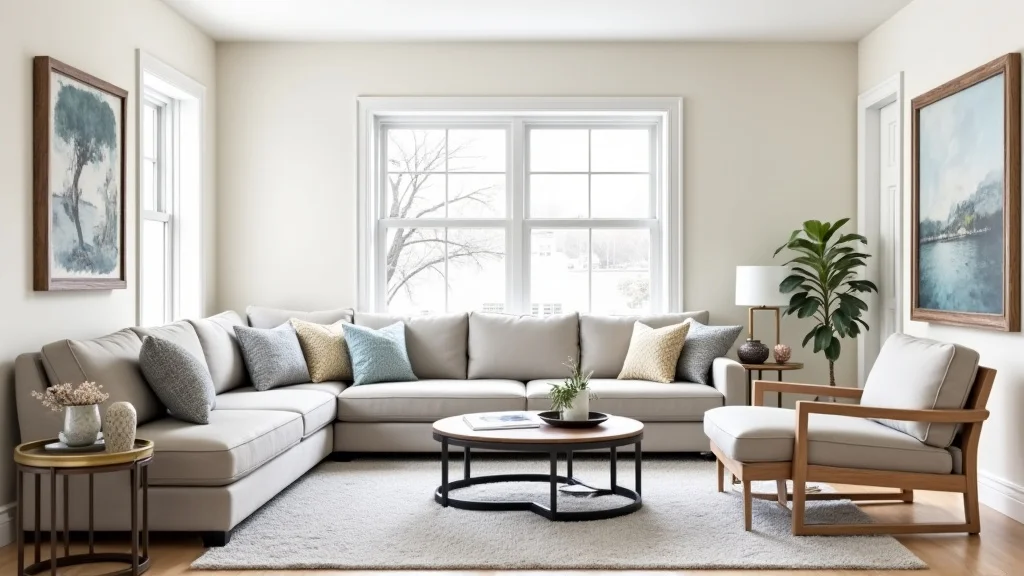
Ever walked into a friend’s house and thought, “Wow, their place feels so.them”? Or maybe you’ve scrolled through design magazines, admiring different rooms but feeling overwhelmed by the choices. That feeling is completely normal! Choosing the right home decor styles explained can seem like a monumental task. This guide simplifies the process, breaking down popular styles and giving you the tools to find the perfect aesthetic for your personality and living space. You’ll gain a deeper appreciation for the variety of styles, learn how to identify them, and get inspired to create a home that reflects your unique taste. You’ll also learn the key differences between various home decor styles explained, allowing you to confidently start your own decorating project!
Key Takeaways
- Learn to identify and differentiate between various popular home decor styles.
- Discover the key elements and characteristics that define each style.
- Gain inspiration and ideas to create a cohesive and visually appealing space.
- Find out how to blend different styles to reflect your personality and preferences.
- Understand the use of color palettes, materials, and furniture in each style.
- Get practical tips for incorporating these styles into your own home.
Exploring Popular Home Decor Styles
The world of interior design offers a rich tapestry of styles, each with its own unique history, influences, and visual vocabulary. From the sleek lines of modern design to the cozy warmth of farmhouse aesthetics, each style provides a different way to express your personality and create a welcoming environment. Becoming familiar with these styles is the first step in creating a space you truly love. It’s about recognizing the elements that resonate with you and using them to shape a home that feels both beautiful and functional. Understanding the core principles of each style will help you make informed decisions and transform your living space. This involves looking at the style’s history, origin, and notable features, as well as considering your personal preferences.
Modern Design
Modern design, born in the early to mid-20th century, is characterized by its simplicity, clean lines, and a focus on functionality. Think of open floor plans, a minimal amount of clutter, and a straightforward use of materials. Modern style embraces the absence of ornamentation, highlighting the natural beauty of materials like wood, metal, and glass. The designs often use neutral color palettes, such as white, gray, and black, with a touch of color through artwork or accent pieces. The furniture is often low-profile and has a strong geometric form. The overall effect is a clean, uncluttered, and sophisticated look, providing a sense of spaciousness.
- Clean Lines and Geometric Shapes: Furniture often has a simple, unadorned design.
- Neutral Color Palettes: The use of whites, grays, and blacks dominates the look.
- Functional and Minimalist: Emphasizing the space and the usability of items.
- Natural Materials: Wood, metal, and glass are frequently used to their best advantage.
- Open Floor Plans: Maximizing space and creating a sense of flow.
Modern design, with its roots in the Bauhaus movement, rejected the ornate excess of previous eras. It sought to create functional spaces that were accessible to everyone, not just the wealthy. Architects and designers championed new technologies and materials, aiming to create homes that were practical and beautiful. This design style highlights function over excessive decoration, reflecting the streamlined aesthetics of the machine age. The concept extends beyond mere aesthetics; it embraces efficient use of space and a lifestyle focused on essential living.
Contemporary Design
Often mistaken for modern, contemporary design refers to what’s popular right now. It’s always evolving, reflecting current trends in art, architecture, and design. Unlike modern, which is rooted in a specific time period, contemporary design is flexible and can incorporate elements from different styles. It often features bold colors, unique textures, and innovative furniture. The emphasis is on what is current and trendy, providing an environment that’s fresh and stylish. It’s always changing, adapting to the latest developments in design and technology.
- Focus on the Present: Embracing new trends and styles as they emerge.
- Bold Colors and Unique Textures: Often utilizing striking accent colors or textures.
- Innovative Furniture: Designs that are unique and often avant-garde.
- Open Spaces: Maintaining a sense of spaciousness, similar to modern design.
- Use of Technology: Integrating technology into design.
Contemporary design draws inspiration from a broad range of influences, from minimalist trends to the use of futuristic materials. The beauty of contemporary design is its versatility. It’s about creating spaces that feel relevant and modern. Designers continuously experiment with shapes, materials, and technologies. The goal is to produce visual and functional environments, suitable for the lifestyles of the present day. You’ll often see art, unique furniture pieces, and innovative designs which give the space an exciting look.
Farmhouse Style
Farmhouse style embraces the charm of rural living, emphasizing comfort, warmth, and a connection to nature. This style often uses a neutral color palette of whites, creams, and soft grays, paired with natural wood tones. Decor includes rustic elements like weathered wood furniture, exposed beams, and vintage-inspired pieces. It is about creating a space that feels lived-in and inviting, with a focus on functionality and simplicity. Textures like linen, cotton, and woven fabrics are common. Farmhouse design aims to create a feeling of coziness and relaxation.
- Neutral Color Palette: Whites, creams, and soft grays create a calming background.
- Natural Materials: Wood, stone, and woven fabrics add warmth and texture.
- Rustic Furniture: Weathered wood tables and chairs provide a sense of history.
- Vintage Accents: Old signs, pitchers, and other items add character.
- Comfortable and Inviting: The goal is to create a space that feels like home.
Farmhouse style is a response to the fast-paced modern world, offering a feeling of peace and simplicity. It values the beauty of imperfection and the warmth of handmade items. It often features functional, practical pieces that serve a purpose. This style draws on the beauty of the natural world, incorporating elements like plants, flowers, and natural light. It allows you to create a space that feels serene, inviting, and truly lived-in, capturing the essence of country living. Farmhouse design also creates a sense of harmony between the interior and the environment.
Scandinavian Design
Scandinavian design, originating from the Nordic countries, emphasizes simplicity, functionality, and light. Known for its clean lines, minimalist aesthetic, and the use of natural materials, Scandinavian homes often feature a neutral color palette with pops of color from textiles or artwork. Functionality is key, with furniture designed to be both beautiful and practical. Scandinavian design focuses on creating spaces that are light, airy, and welcoming. It prioritizes creating a warm and inviting atmosphere, particularly during the long, dark winters.
- Simplicity and Minimalism: Clean lines and uncluttered spaces are the foundation.
- Neutral Color Palette: White, gray, and pastel colors dominate the scene.
- Natural Materials: Wood, wool, and linen add warmth and texture.
- Functionality: Furniture is designed to be practical and aesthetically pleasing.
- Emphasis on Light: Maximizing natural light and creating a bright atmosphere.
Scandinavian design prioritizes well-being by creating spaces that feel both calming and practical. It draws on the region’s long history of design and craftsmanship, using high-quality materials and simple designs that will stand the test of time. The focus on light is essential, using large windows and light-colored walls to brighten spaces. Scandinavian design is about creating a home that is simple, functional, and joyful. It’s about finding beauty in everyday objects and creating an inviting and inspiring living experience.
Bohemian Style
Bohemian, or “Boho,” style celebrates individuality, creativity, and a free-spirited way of life. It’s a style without rules. It’s about creating a space that reflects your personality and interests. Boho design is characterized by a mix of patterns, colors, textures, and global influences. Furniture is often vintage or thrifted. It celebrates a blend of cultures, patterns, and textiles to create an inviting, eclectic, and layered look. Boho style is about embracing imperfections and creating a space that is as unique as you are.
- Mix of Patterns and Colors: Bold and vibrant patterns mix freely.
- Layered Textures: Rugs, throws, and pillows create a cozy atmosphere.
- Global Influences: Incorporating elements from different cultures.
- Vintage and Thrifted Pieces: Finding unique furniture and decor.
- Natural Elements: Plants, wood, and other natural materials add warmth.
Bohemian design is a reflection of a free-spirited lifestyle. It values comfort, creativity, and the expression of individuality. This style often uses a mix of furniture, with pieces that tell a story. It’s about creating an environment that feels welcoming and inspiring. The core principle is to create a space that feels personal and meaningful, with an emphasis on creating a warm and inviting vibe. It is all about embracing individuality, combining different elements to express who you are.
Traditional Style
Traditional style embraces classic design principles and timeless elegance. Often inspired by European design, it uses a balanced layout, symmetrical arrangements, and formal furnishings. Traditional spaces often incorporate rich colors, detailed woodwork, and luxurious fabrics. Furnishings are often elegant and of high quality, creating a sense of sophistication and comfort. The goal is to create a refined and welcoming environment that exudes timeless charm.
- Symmetrical Arrangements: Creating a balanced and harmonious look.
- Rich Colors and Luxurious Fabrics: Deep hues and elegant textures.
- Detailed Woodwork: Elaborate molding and trim.
- Formal Furnishings: Antique furniture, plush sofas, and elegant chairs.
- Timeless Appeal: Creating a classic look that never goes out of style.
Traditional design celebrates the heritage of design. It emphasizes quality craftsmanship, and timeless elegance. It is about creating a sense of luxury and refinement. Often inspired by the grandeur of historical homes, the style features elements like ornate details and luxurious materials. The result is a space that feels both elegant and inviting, a place where memories are made. Traditional design embraces the past, making the present feel more comfortable and elegant.
Key Elements of Different Home Decor Styles Explained
Each home decor style has its own unique characteristics. Understanding these key elements allows you to recreate each style successfully. The following are the most important elements you will need to consider when approaching a decorating project.
Color Palette and Its Impact
The color palette is the foundation of any design style. It sets the tone and atmosphere of a room. Whether you are aiming for a minimalist modern look, a cozy farmhouse aesthetic, or an eclectic bohemian vibe, your choice of colors will significantly influence the overall feel of your space. Consider the color’s psychological impact to help create a space you’ll love. For instance, blues and greens often evoke feelings of calm, while warm tones like red and orange can energize a room.
- Color’s Role: Colors have the power to influence mood and perception.
- Choosing Colors: Select a base color and then add accents for visual interest.
- Contrast and Harmony: Use a blend of colors for balance.
- Popular Colors: The most common home decor colors are neutral, such as white, gray, and beige.
- Color Trends: Keep up to date with the latest color trends.
The correct color palette can transform a room and express your personality. When selecting colors, consider the amount of natural light the room receives. A room with limited natural light might benefit from lighter colors to brighten the space. Always explore color samples before making a final decision. The sample will allow you to see how the color looks in different lighting conditions. Color plays an essential part in creating the right mood.
Furniture and its Role
Furniture is the heart of any design. It not only provides functionality but also defines the style of a room. Your choice of furniture can make or break the design. The style of the furniture, its shape, material, and placement are all important elements. In modern design, furniture is typically sleek and minimal. In contrast, farmhouse style often uses rustic, vintage-inspired pieces. It is crucial to choose furniture that complements the overall style. Make sure the furniture fits the size and layout of the room, leaving enough space for easy movement.
- Functionality and Style: Each piece of furniture should combine function with style.
- Material Choices: Select materials that suit the overall aesthetic.
- Scale and Proportion: Consider the size of furniture relative to the room.
- Placement: Arrange furniture to encourage easy movement.
- Durability and Comfort: Choose pieces that will last and provide comfort.
Consider the lifestyle of those who live in the space when selecting furniture. If you have children or pets, choose durable and easy-to-clean materials. Comfort and functionality are key when choosing furniture. Ensure pieces are proportional to your space. You can improve the look and feel of the room by focusing on your needs. The right furniture can greatly enhance a home’s aesthetics and functionality. Choose furniture that looks stylish and practical.
Textures and Materials
Textures and materials add depth, warmth, and visual interest to your home. They are essential to creating a layered and inviting space. The textures of a room can transform a basic space into a truly interesting one. Incorporating a variety of textures will enrich the aesthetic appeal. For example, a modern design might incorporate smooth metals and glass, while farmhouse design may use rough wood, linen, and woven fabrics. It’s about creating a sensory experience that adds depth and personality to your space.
- Layering Textures: Combine various materials to create visual interest.
- Natural Textures: Wood, stone, and woven materials add warmth.
- Fabric Choices: Consider the feel and look of fabrics.
- Metal Accents: Use metal accents to add shine and contrast.
- Visual Harmony: Ensure all the textures work together to create a cohesive style.
When selecting textures and materials, consider their impact on the overall feel of your home. Incorporate plush rugs, soft throws, and textured pillows to create a sense of comfort. Blend different types of materials to create visual interest and add depth to your spaces. Mix soft textures with hard materials to create a balanced environment. Textures and materials play a critical role in creating a room that feels lived-in and inviting.
Home Decor Styles Explained: Mixing and Matching
Mixing and matching different home decor styles is an exciting way to create a unique and personalized space. When you learn how to mix styles, you can express your personality and interests. Combining elements from different aesthetics allows you to create a design that feels authentic. It’s all about creating a space that feels personalized and reflects your style. It is key to understand what you like and do not like, and then you can select decor that fits your taste.
Blending Styles
To successfully blend styles, start by identifying the common elements that you admire. For instance, you could blend the clean lines of modern design with the warmth of farmhouse style. The key is to find balance. It’s important to find common elements that allow for a seamless blend. You can create a visually engaging and cohesive space by thoughtfully incorporating different elements. Blending different styles can create a unique space that will make your home stand out. The final objective is to create a cohesive space that expresses your individual design vision.
- Start with a Base: Choose a primary style to influence the overall design.
- Find Common Ground: Look for shared elements that complement each other.
- Consider Color and Texture: Use a consistent palette and textures.
- Accessorize: Add accessories that blend both styles.
- Maintain Balance: Be careful that one style doesn’t overwhelm the other.
When mixing styles, consider the flow of your home. It can be achieved by using a unified color palette and recurring materials throughout. Consider the size of your space and the impact of the blend on the movement. This will lead to a comfortable and visually balanced space. Do not be afraid to experiment, as mixing styles is all about expressing your personality. It is important to experiment and trust your instincts as you explore the world of design.
Creating a Cohesive Look
Creating a cohesive look requires careful planning and attention to detail. This involves selecting a consistent color palette, making sure furniture has a common aesthetic, and thoughtfully arranging the accessories. It is essential to ensure that everything is in harmony, resulting in a design that is both visually appealing and comfortable. By paying attention to details, you can craft a space that shows attention to detail.
- Consistency in Color: Stick to a limited palette.
- Common Themes: Create a consistent theme throughout the home.
- Furniture Selection: Choose pieces that complement each other.
- Accessorizing: Add items that add character.
- Edit and Refine: Remove any unnecessary elements.
Creating a cohesive design is a gradual process. Begin with a vision of the ideal home, and make changes as you go. Focus on the details that create a sense of cohesion and order. Keep the space organized and clear of clutter. It’s about creating a space that feels inviting and reflects your personal style. Create an environment that is pleasing to the eye and enhances your well-being.
Avoiding Common Mistakes
A few common errors can disrupt the design. Avoid too many clashing patterns, colors, and design elements. Start by creating a clear vision. Be patient and take time to plan your design. Another common mistake is neglecting the space. Remember that empty space is as vital as the items in your home. It’s about being thoughtful in the choices. A bit of preparation will help you to avoid mistakes. The goal is to avoid design problems and end up with a room that makes you happy.
- Clashing Styles: Avoid mixing styles that don’t complement each other.
- Ignoring the Space: Make sure the design is right for the room.
- Over-Accessorizing: Keep it simple.
- Ignoring Lighting: Make the space bright.
- Impulsive Choices: Consider your choices and plan.
Carefully evaluate your options before proceeding. When mixing and matching styles, remember it’s all about balance and personal expression. Overdoing your ideas can make it feel cluttered. Be confident in your decisions and trust your instincts to help create a space you’ll love. By avoiding these common errors, you can transform a home and make it beautiful.
Home Decor Styles Explained: Practical Tips for Your Home
Now that you’ve explored various home decor styles explained, it’s time to turn inspiration into action. You can implement these styles in your own home. It is about understanding what will work and what won’t. You will discover many ways to personalize your space and make it appealing. The goal is to create a beautiful and functional space that is a true reflection of your personality and preferences.
Starting a Decorating Project
Begin by assessing your space and determining the overall vision. Decide on the style or blend of styles that speak to you. Evaluate the size of the room, natural light, and architecture of the area. This helps in making smart decisions and avoiding mistakes. Make a budget and timeline so you can stay on track with your design. You can also explore design resources, such as magazines and online platforms, to find inspiration. The foundation of a successful decorating project is preparation.
- Assess Your Space: Evaluate the size, light, and architecture of the area.
- Define Your Style: Determine the look you want to achieve.
- Create a Budget: Set a realistic budget.
- Plan a Timeline: Make a schedule for your design.
- Gather Inspiration: Look at magazines and online designs.
Consider the lifestyle of those who will live in the space. Is it a family home? Or is it a retreat for one? Create a design that is practical and enjoyable. Begin with the main elements, such as color and furniture. Take your time, and do not be afraid to modify as you go. Creating a home takes time. By planning your project you can create your dream home.
Incorporating Different Styles
Incorporating different styles in your home involves careful planning. Begin by focusing on one space, such as your living room or bedroom. Create an open layout and choose pieces that work well together. Think about the style. Decide on furniture and accessories, and include artwork and textiles. Take advantage of your creativity, and make the room inviting. The goal is to make the space a true reflection of your taste and personality.
- Start Small: Focus on one room at a time.
- Choose Furniture: Pick furniture to make your space feel complete.
- Add Accessories: Place pillows, throws, and decorative items.
- Experiment: Try out different styles.
- Personalize: Include items that tell your story.
For example, you could incorporate modern furniture with a touch of farmhouse elements. Use neutral colors. Consider adding rustic touches, such as wooden shelves or a distressed coffee table. Try different layouts until you find what looks and feels right. When decorating a room, you can make the room a reflection of who you are. The goal is to make a living space that feels comfortable, inviting, and personalized. This will enable you to create a home that tells your story.
Budgeting and Planning
Proper budgeting and planning are essential to complete a decorating project. It ensures that you do not overspend and stick to the goals. Start by outlining your budget, identifying all expected expenses. You may have costs associated with furniture, paint, accessories, and possibly even labor. Research prices and compare them before making a final decision. You can create a detailed shopping list with prices and prioritize needs. This will help you keep track of your progress. It also helps in organizing the time you have to spend on the project. It ensures that the project progresses smoothly.
- Set a Budget: Outline your finances.
- Prioritize: Determine your needs and wants.
- Create a Shopping List: Record all the things you need.
- Research Prices: Check all the prices.
- Manage Your Time: Create a timeline to complete your project.
Track your spending and make adjustments as needed. Consider starting with the basics, such as paint and furniture. You can add accessories later. Be prepared for unexpected expenses. Always have a contingency fund to accommodate unforeseen problems. Create a timeline and set achievable goals. By focusing on your budget and timeline, you can complete your decorating project on schedule. You can create a beautiful home that feels stylish and inviting.
Common Myths Debunked
Myth 1: You Need to Spend a Lot of Money to Have a Stylish Home
In reality, you do not need to spend a lot of money to create a stylish and attractive home. You can transform your space using budget-friendly choices, such as secondhand pieces and DIY projects. You can locate pieces at a reduced price in thrift stores and at estate sales. With creativity and an eye for design, you can make a home appear stylish. You can create a home you love without spending a fortune.
Myth 2: Following Trends Is the Only Way to Have a Modern Home
Following trends is not the only way to have a modern home. Incorporating the trends can make your home feel current. However, your home should show your personal style. Consider the elements that express who you are. Mix different styles to develop a unique look. You can create a stylish home by focusing on your personality and preferences.
Myth 3: Small Spaces Cannot Be Stylish
Small spaces have potential. Smart design strategies can make your small space stylish. Choose multi-functional furniture, such as a sofa bed or a storage ottoman. Using mirrors will make the space look bigger. By using color wisely, you can transform your small space. The possibilities are unlimited.
Myth 4: A Consistent Theme Is the Only Way to Decorate
While a consistent theme can create a cohesive look, it is not the only way to decorate. Mixing different styles can create a unique look. You can use a unified color palette throughout your home. Incorporate different design elements to create your dream home.
Myth 5: You Must Hire a Professional Designer
You don’t always need a professional designer to create a beautiful home. With research and planning, you can bring your design ideas to life. You can also gain ideas from the internet. Use your creativity to decorate a home. You can create a beautiful and functional home on your own.
Frequently Asked Questions
Question: What is the best way to determine my decorating style?
Answer: To determine your decorating style, look at design magazines and online images. Save the images you like. Focus on the common elements. Use these elements to decorate your space.
Question: How do I mix different styles without it looking mismatched?
Answer: When mixing styles, start with one dominant style. Then, find common design elements. Use a consistent color palette and consider the room’s scale and proportion.
Question: Can I decorate my home on a budget?
Answer: Yes, you can decorate your home on a budget. Shop at thrift stores, use DIY projects, and look for sale items. Be creative, and always compare prices.
Question: What are the best colors to use in a small room?
Answer: Use light colors in small rooms. Light colors make a room appear more spacious. You can use accent colors to create visual interest.
Question: How can I create a cohesive design throughout my home?
Answer: Create a consistent color palette, use similar materials, and include recurring design elements. Make sure the furniture complements the style.
Final Thoughts
From modern minimalism to the warmth of farmhouse style, there’s a home decor style for everyone. Exploring different options can be exciting. Identify the key characteristics of each design and choose a style that fits your needs. You can create a personalized space. Consider color palettes, furniture, and materials. You can mix and match styles to make your own distinct expression. Remember to create a plan before beginning. With a little thought, you can bring your vision to life. The process allows you to express your creativity. The true magic lies in the details. Create a space that is enjoyable and reflects your personality and tastes, and you’ll find yourself living in a home you genuinely love.