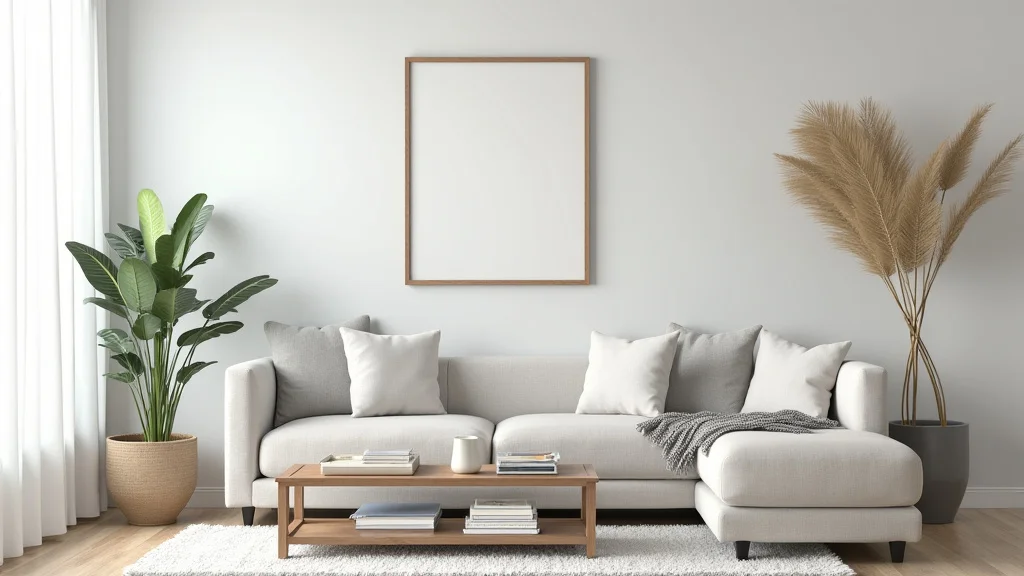
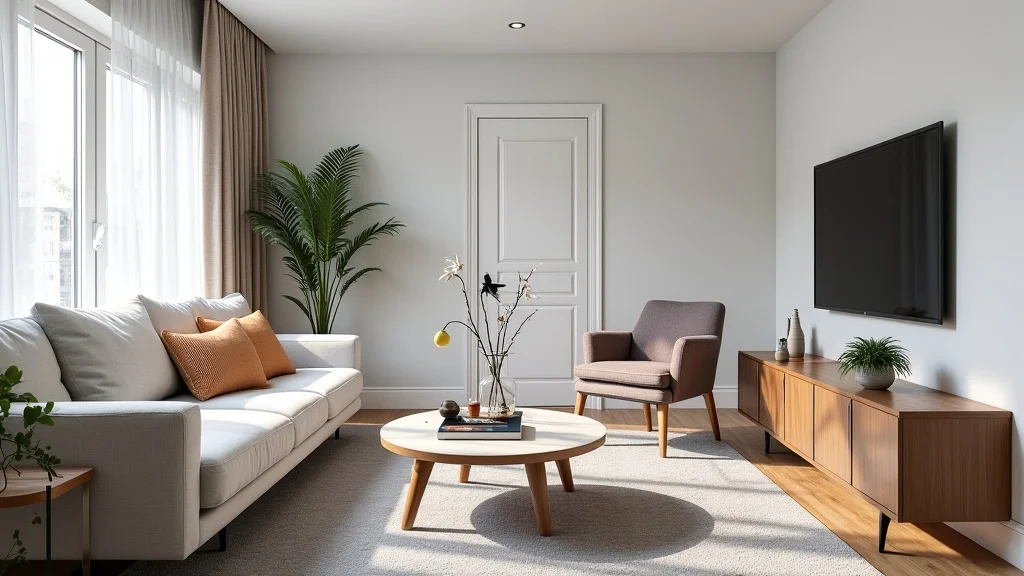
Ever walked into a room and instantly felt a certain vibe, but couldn’t quite put your finger on what makes it so appealing? Or maybe you’re dreaming of a home makeover but feel overwhelmed by the choices? You’re not alone! Many people struggle to define their personal design preferences. Finding the right style can transform your living space into a true reflection of your personality. Taking a home decor styles quiz can be the perfect starting point. It’s like a fun, interactive guide that helps you discover what resonates with you. This post will show you how to find your ideal style and create a home you’ll adore.
Key Takeaways
- Learn how a home decor styles quiz can help identify your preferred aesthetic.
- Explore different interior design styles to broaden your creative view.
- Discover the key elements of each style and how to integrate them into your decor.
- Gain confidence in choosing colors, furniture, and accessories that match your taste.
- Transform your living space into a space you feel at home in.
- Avoid common decorating pitfalls and make informed design decisions.
Uncovering Your Design Preferences with a Home Decor Styles Quiz
The first step in creating a beautiful home is figuring out what you actually love. This can feel tricky, with so many options out there. A home decor styles quiz simplifies this process. It acts like a conversation starter, guiding you through questions about your likes and dislikes. What kind of spaces make you feel most comfortable? Do you love the clean lines of modern design, or the cozy charm of rustic decor? These quizzes are designed to bring clarity. They often present images, asking you to choose your favorites. They may ask about the textures you appreciate or the colors that catch your eye. This process helps narrow down your options, making it easier to select the styles that speak to you.
Think about a friend’s house you visited. Was it bright and airy with minimalist furniture? Or was it filled with antiques and layered textiles? These clues reveal insights into your tastes. You might find you’re drawn to specific patterns, materials, or furniture arrangements. This self-discovery process boosts your confidence. You’ll move from feeling overwhelmed to empowered, ready to explore design options with a clear vision.
The Psychology Behind Design Preferences
Our home decor choices often reflect our personalities and life experiences. Research in environmental psychology highlights the connection between our surroundings and our well-being. The colors, textures, and arrangements we choose affect our emotions. For example, warm colors like reds and oranges might create a sense of energy, while cool blues and greens might promote calm. Design preferences also evolve. As we experience new things, we often change our views on art. Exploring a home decor styles quiz is an active process of self-assessment.
- Emotional Response: Interior design influences how you feel in a space. Think about the impact of a cozy reading nook or a well-lit kitchen. Your emotional responses guide your decisions.
- Cultural Influences: Cultural backgrounds shape design preferences. Styles differ across various regions. Exposure to varied cultures affects your choices.
- Life Experiences: Experiences in travel, work, and personal growth shape your preferences. These personal stories influence what you find beautiful.
Your connection with your home stems from how it makes you feel, influencing your daily mood and mental state. The right home design creates feelings of comfort, happiness, and peace, boosting your overall well-being.
Your cultural background shapes your design style, influencing the patterns, colors, and materials you like. It helps you decide what furniture, art, and decor you prefer.
As you grow, your taste in home decor also transforms. Travel, different jobs, and personal growth change your choices. You learn what suits you and your lifestyle best.
How Home Decor Styles Quizzes Work
A typical home decor styles quiz offers a series of questions or visual prompts. These questions might cover your favorite colors, the kinds of textures you like, or the overall feeling you hope to create in your home. The questions are carefully crafted to reveal your taste. They guide you toward your ideal aesthetic, breaking down complicated design concepts. Some quizzes provide images. You select the rooms that resonate with you the most. Others show various furniture pieces or design elements. Your answers are analyzed to determine which design styles you favor. The results often include a description of the style and suggestions for decor.
- Image-Based Questions: You’re shown images of different rooms and asked which ones you like. This helps identify styles that you’re naturally attracted to.
- Preference-Based Questions: Questions that ask about your preferred colors, textures, and materials. This helps pinpoint your taste.
- Style Recommendations: The quiz offers a list of potential styles based on your responses. The results provide you with descriptions to help you understand them.
Image-based questions help reveal your visual tastes. You choose the spaces that speak to you. This reveals the styles you like, from modern minimalist designs to cozy farmhouse decor.
These questions help clarify your style by asking what you want from your home. This helps you narrow your choices and find a style that is uniquely you.
The results give you style suggestions to help you explore. You can discover the key elements and design principles that create each look. This helps you develop your own sense of design.
Exploring Different Interior Design Styles
Once you’ve taken a home decor styles quiz, it’s time to learn about the various styles. There is a wide range of design choices, each with a unique approach to aesthetics. It is useful to explore styles such as modern, minimalist, contemporary, traditional, and transitional. You can use your quiz results as a guide, or you can investigate each style. By learning the specifics, you will be able to refine your design choices and create a living space that feels truly authentic.
Each style has distinct features that set it apart. Some focus on simplicity and functionality, while others emphasize luxury and ornamentation. Some styles use bold colors and patterns, while others stay with neutral tones. It is not uncommon for people to mix styles, incorporating elements from multiple designs to craft a unique look. This is the beauty of interior design. You are creating a space that looks like you.
Popular Interior Design Styles
Understanding popular styles is important. It helps you recognize what you love. From modern to bohemian, each style offers something unique. These descriptions help you connect with specific design ideas. Whether you are aiming for sleek and simple or warm and inviting, you’ll know where to begin.
- Modern: Modern design emphasizes clean lines, simple color palettes, and the use of materials such as metal and glass. It embraces functionality and avoids excessive ornamentation.
- Minimalist: Minimalism takes modern design a step further. It emphasizes “less is more,” using minimal furniture and decor. Functionality is paramount, and clutter is avoided.
- Contemporary: Contemporary design is always changing. It reflects current trends in design, embracing innovation and often featuring unique shapes and materials.
- Traditional: Traditional design values classic elegance, using detailed furniture, ornate fabrics, and a warm color palette. It’s a timeless style that emphasizes comfort and luxury.
- Transitional: Transitional design blends traditional and modern styles. It offers a balance between classic and contemporary elements, creating a balanced and comfortable space.
- Bohemian: Bohemian style celebrates freedom and creativity. It often uses bright colors, patterns, and textiles from around the globe, creating a relaxed and inviting atmosphere.
This design style emphasizes simplicity and function. It uses minimal decoration. Clean lines, a neutral color scheme, and practical furniture create a streamlined look. Key elements: Simple designs, neutral palette, and minimal decoration.
Minimalism goes beyond modern design, focusing on simplicity and functionality. It favors a neutral color palette, and only necessary furnishings, creating a feeling of spaciousness. Key elements: Neutral colors, open spaces, and functional elements.
Contemporary design represents today’s trends. It uses the latest design elements. It often features sleek lines and unique textures, making your home feel fresh. Key elements: Current trends, bold colors, and unique shapes.
This timeless style features classic elegance and rich details. It uses luxurious fabrics and traditional furniture pieces to create a comfortable and elegant setting. Key elements: Ornate details, warm colors, and classic furniture.
This combines traditional and contemporary elements. It gives you a balanced space, mixing comfort with modern touches. Key elements: Neutral colors, balanced designs, and comfortable furniture.
Bohemian design is all about creativity. It features bright colors, global textiles, and artistic pieces. It brings a relaxed and welcoming vibe. Key elements: Mixed patterns, global textiles, and artistic accents.
Understanding Key Design Elements
Each style uses particular elements that define its appearance. It is useful to understand these components to achieve a cohesive design. The elements include: color palettes, furniture, lighting, and accessories. These can vary significantly among different styles. By understanding these components, you can mix and match styles to make your home look your best.
Consider the color schemes. Modern design frequently uses neutral colors with pops of brightness, whereas Bohemian style embraces a wider range of colors. Furniture selection is also key. Minimalist homes feature streamlined pieces, while traditional homes use elaborate furnishings. Lighting plays a key role. It sets the tone, from bright, focused lights to dim, mood-setting lamps. Accessories complete the look. The right mix of elements creates a cohesive and beautiful space.
Applying Your Style: From Quiz to Reality
Taking a home decor styles quiz is the first step. The real fun begins when you start to put your preferences into action. This involves translating your quiz results into the real world. It means choosing colors, selecting furniture, and adding accessories. Your goal is to create a space that reflects your personality. It’s about making your home your happy place.
It is useful to begin with the basics. Start by defining your style. Then create a plan. Decide on a color scheme, and begin to gather inspiration from design websites, magazines, and social media. You should create a mood board to visualize your ideas. Start small by experimenting with different elements. You can begin with a single room or a corner of your home. Focus on selecting pieces that you love. Remember that design is a process. Be open to trying different ideas, making adjustments along the way. Your home will start to feel more like you. The result should be a space that is beautiful and functional.
Choosing Colors and Patterns
Color choice is a key design aspect. Colors evoke feelings and influence the mood of a room. Neutral colors like white, gray, and beige work well as a base for many styles. They provide flexibility. You can add bright accents with furniture and accessories. A 2023 survey found that 60% of people feel happier in rooms with warmer color schemes. Patterns add visual interest. They can be introduced through wallpaper, textiles, or decorative accents. When selecting patterns, it is important to think about the size and scale. Larger patterns often work best in larger rooms. The goal is to make a space feel balanced and cohesive.
- Neutral Base: Begin with neutral colors on walls and large furniture. This helps create a sense of calmness.
- Accent Colors: Add pops of color with accessories and artwork. This adds depth to the design.
- Pattern Mixing: Combine different patterns with care. Make sure the patterns share a common color or style.
- Texture: Use texture in furniture and fabrics. This adds depth.
You can create a foundation with neutral colors. This allows you to add brighter accents with furniture and accessories. A neutral base allows you to adjust the decor more easily.
Use accent colors to add energy and personality. Try colorful pillows, artwork, or throw blankets. This gives your design style a personal touch.
Mix patterns to add interest. When mixing patterns, use a common color theme. This keeps the space cohesive.
Use texture to add depth to your spaces. Include textured fabrics. Combine smooth and rough materials. This keeps it from looking flat.
Selecting Furniture and Accessories
Furniture should match your style and needs. Consider the size of your space and the function each piece will serve. In modern and minimalist spaces, select simple and functional pieces. In traditional spaces, go for detailed furniture. Accessories personalize a room. They can include artwork, decorative objects, and textiles. When choosing accessories, think about your style. Choose items that reflect your interests. They help make your space feel complete. Don’t rush the process. Collect items over time.
- Furniture Function: Choose furniture that matches the room’s function. In a living room, you’ll need sofas and chairs. In a dining area, you’ll need a table and chairs.
- Material Quality: Focus on quality furniture. It can last for a long time.
- Accessorizing Thoughtfully: Choose accessories that match your taste and style. These can be artwork, pillows, or decorative items.
- Lighting Choices: Use lighting to change the mood. Add ambient, task, and accent lighting.
The right furniture can make your spaces more functional. Think about what you need from the space, then choose furniture that meets your requirements. This can help with comfort.
Invest in good-quality furniture. It will last longer and look better. Quality can add a sense of luxury.
Accessories add the finishing touch to your design. Accessories express your personality. Choose items that reflect your interests.
Use lighting to enhance your home design. Use different types of lighting to create the right mood. Lighting enhances the overall atmosphere.
Creating a Cohesive Space
Cohesion is key to a beautiful home. This means that all elements should blend together to create a unified look and feel. The color palette plays an important role in bringing everything together. It is useful to start with a consistent color scheme and use it throughout the space. The materials and textures should also complement each other. Avoid using too many different styles. By following a consistent set of principles, you can create a beautiful home.
The layout and arrangement of furniture should support the flow of the room. This contributes to the overall cohesion. The accessories should complement the other elements. A consistent style and a shared color scheme can work to make everything look together. Consider a consistent style in each room. The goal is to make your home feel unified.
Common Myths Debunked
Myth 1: You Need to Spend a Lot of Money to Have a Beautiful Home
Reality: Beautiful homes are possible on any budget. The key is to be creative and resourceful. Focusing on quality items that you love will help. You can update your home with paint and small updates. You can find beautiful pieces at thrift stores. You can get great deals on furniture during sales. It’s more about making smart choices than about spending a fortune.
Myth 2: Interior Design Requires Professional Expertise
Reality: While experts help, it is possible to design your home. Start with a home decor styles quiz. Learn about different styles and understand the basic design principles. Websites, magazines, and social media offer inspiration and advice. You can create a space you love. Confidence and practice are key. Embrace the learning process and enjoy your home.
Myth 3: All Design Styles Are Created Equal
Reality: Each style is unique and reflects personal preferences. The best style is the one that you love and that meets your needs. It is often a process of exploration. There is no one-size-fits-all approach. Take the quiz. See what you love. Mix and match elements from different styles to create a truly unique home.
Myth 4: Trends Should Always Be Followed
Reality: While you can learn about trends, following your personal taste is more important. Your home should reflect your style. Trends can be inspiring, but should be used with care. Choose what suits your needs. Your home will look timeless and personal.
Myth 5: It’s Hard to Change Decor
Reality: Decorating is not permanent. You can repaint a wall. You can move furniture around. You can change accessories. Decorating is a process of growth. Over time, your taste will change. Be open to trying different things. Decorating can be a fun activity that keeps your home interesting.
Frequently Asked Questions
Question: How accurate are home decor styles quizzes?
Answer: Quizzes can be useful for discovering your design preferences. They are designed to point you in the right direction. Use them as a starting point, and take time to find your style.
Question: Can I mix different interior design styles?
Answer: Absolutely! Mixing styles is possible. Focus on balance. A well-designed room blends different looks.
Question: Where can I find inspiration for home decor?
Answer: Look to magazines, design websites, and social media. You will find inspiration everywhere.
Question: How do I know which colors will work in my home?
Answer: Start with neutral colors for large areas. Test paint colors. See how they look with your lighting. Choose colors you will enjoy.
Question: What’s the best way to get started with decorating?
Answer: Begin by taking a home decor styles quiz. Define your style. Set a plan for your home decor.
Final Thoughts
Taking a home decor styles quiz is an invitation to explore your tastes and create a home that truly reflects who you are. The journey of interior design is exciting. It is all about exploring different styles and elements until you find the perfect mix. Remember that this is a personal process. Take time to discover your preferences. Your home should be a sanctuary. It should feel like a safe haven. Embrace the possibilities. Begin by taking a quiz. Take a fresh look at your living space. Decorating your home should be a fun and engaging process. It’s a chance to build a place you’ll love for years to come.