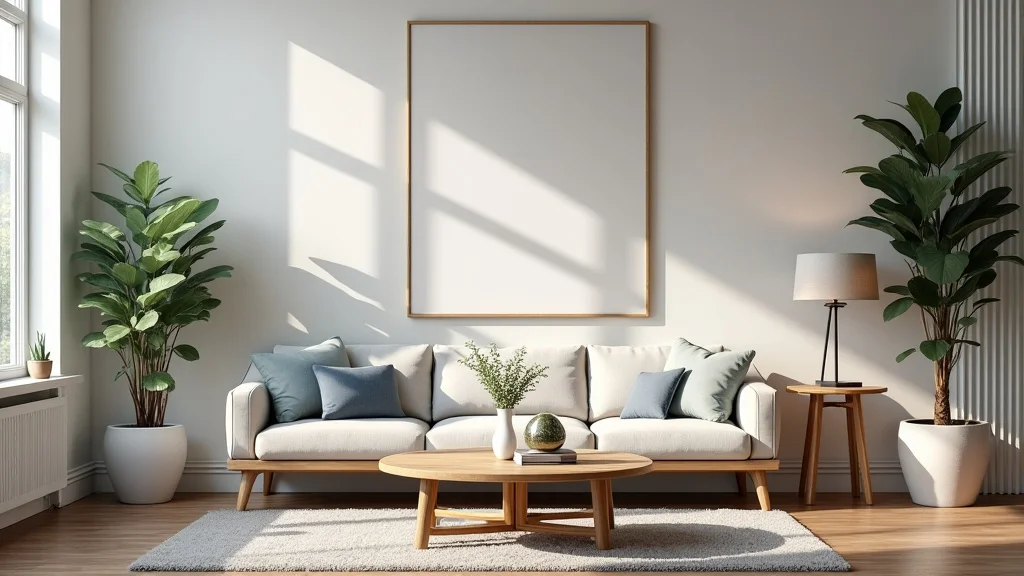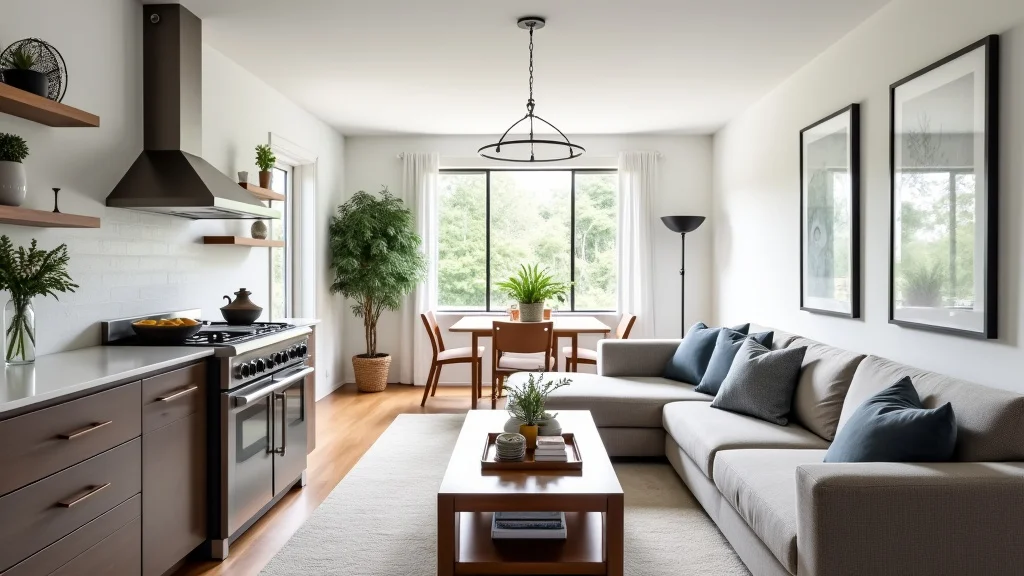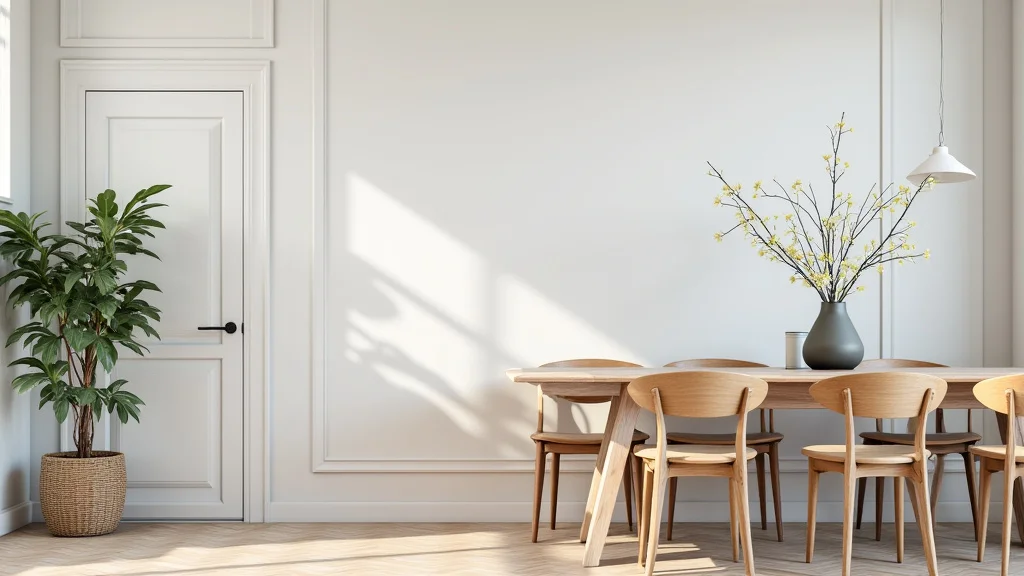
Remember that time you spent hours scrolling through Instagram, completely overwhelmed by the gorgeous homes you saw? Maybe you loved the clean lines of a modern space or the cozy vibe of a farmhouse kitchen, but you weren’t quite sure how to describe what you were looking at. This can be frustrating, right? This article explores a list of decor styles, helping you identify your preferences and articulate your design vision. You’ll gain a solid grasp of various design aesthetics and discover how to translate them into your own living space. This knowledge will assist you in creating a home that reflects your personality and improves your overall well-being. By the end, you will be equipped to identify your favourite styles and make informed design decisions.
Key Takeaways
- Learn about various popular interior design styles, from classic to contemporary.
- Understand the key characteristics, including color palettes, materials, and furniture types, for each style.
- Discover how to identify different design aesthetics and understand the language of home design.
- Gain practical tips for incorporating elements from different styles into your own home.
- Explore the history and origins of each list of decor styles, gaining context for their evolution.
- Find resources for inspiration and further learning to develop your design skills.
Unveiling Different Design Aesthetics
Interior design encompasses more than just choosing furniture; it is the art of creating functional and visually appealing spaces that reflect individual preferences and lifestyles. Design aesthetics shape the ambiance of a room, influencing moods and the overall experience. Knowing these aesthetics is the initial step in making decisions that will turn a house into a home. Identifying different interior design styles begins with a foundational grasp of their distinctive characteristics, including the use of colors, patterns, materials, and furniture.
Modern Style
The modern design aesthetic is characterized by clean lines, a minimalist approach, and a focus on functionality. Spaces often feature neutral color palettes, a monochromatic color scheme, and the strategic use of contrasting colors. Furniture choices tend to be sleek and geometric, frequently including materials like metal, glass, and wood. Modern design emphasizes open layouts, maximizing natural light, and the absence of unnecessary ornamentation, promoting a sense of spaciousness and order. The core idea is “form follows function,” where the design is driven by the practical needs of the space.
- Color Palette: Often includes neutrals like white, gray, and black, accented by bold, solid colors.
- Furniture: Sleek, with clean lines, often made of metal, glass, and wood.
- Materials: Smooth, polished surfaces, with an emphasis on simplicity and functionality.
- Accessories: Minimal; few decorations, focusing on the functionality of the pieces.
Real-life examples can be seen in high-end apartments and urban lofts, where the emphasis is on efficiency and a sense of calm. A practical application would be integrating built-in storage solutions and concealed appliances to maintain a clean aesthetic. Many modern spaces showcase artwork that uses vibrant colors that contrast the neutrality of the walls. Statistics show that the modern style has grown in popularity, with over 30% of homeowners choosing this design for their homes.
Traditional Style
Traditional design celebrates classic elegance and a sense of history. This style often incorporates rich colors, ornate details, and symmetrical arrangements. Furniture is often characterized by carved wood, plush upholstery, and intricate patterns. The overall feel is one of comfort, warmth, and a connection to the past. Traditional spaces usually feature layered textures, heavy fabrics, and decorative accessories that create a sense of sophistication and refinement. The goal is to evoke a feeling of timeless grace.
- Color Palette: Rich and warm, including colors such as creams, golds, and deep blues.
- Furniture: Often dark wood, with carved details, and plush fabrics.
- Materials: High-quality woods, velvet, and brocade fabrics.
- Accessories: Ornate mirrors, chandeliers, and decorative pieces that add character.
A good example of traditional style is an old Victorian home with its formal living rooms and grand dining areas. The practical result is a space that conveys a sense of stability and enduring style. Often, Traditional spaces use ornate trim, crown molding, and wainscoting to add to the luxurious environment. Statistics show that traditional design continues to be popular with older generations, making up 25% of the market.
Minimalist Style
Similar to modern design, minimalism embraces simplicity but with a stronger emphasis on reducing possessions and embracing empty space. This design prioritizes functionality, clean lines, and a deliberate lack of clutter. The color palette typically consists of neutral tones, and furniture is chosen for its functionality and aesthetic simplicity. The minimalist aesthetic seeks to create a sense of calm, order, and spaciousness by focusing on essential elements and carefully curated objects. The key is to create a space that offers an atmosphere of freedom.
- Color Palette: Primarily neutral, with white, gray, and beige as dominant colors.
- Furniture: Simple, with clean lines and minimal ornamentation.
- Materials: Natural materials, such as wood, stone, and concrete.
- Accessories: Few and carefully chosen, with each item serving a purpose.
The use of minimalism is increasing. A great example is a studio apartment, where every item serves a specific purpose, and the focus is on a sense of peacefulness. A practical application is to employ built-in storage to keep surfaces clear and organized. Often, minimalism has a few pops of colors that allow the color to stand out from the neutrality of the walls. It is a growing trend, and statistics show that minimalist design has grown by 40% in popularity in the past few years.
Farmhouse Style
Farmhouse design evokes a sense of comfort, warmth, and rustic charm. It combines the elements of practicality, simplicity, and natural materials to create a welcoming and cozy atmosphere. This style frequently incorporates distressed wood, vintage furniture, and a neutral color palette accented by soft, natural tones. The farmhouse aesthetic places a premium on functionality, a comfortable atmosphere, and a connection to the countryside. It embraces the beauty of imperfection and the charm of lived-in spaces.
- Color Palette: Neutral, with white, cream, and soft pastels, accented by natural wood tones.
- Furniture: Often vintage or antique, with a weathered look and comfortable fabrics.
- Materials: Natural wood, shiplap, and other rustic materials.
- Accessories: Vintage finds, mason jars, and cozy textiles.
Farmhouse style is often used in kitchens, where the focal point is the large farmhouse table surrounded by chairs. A practical application includes using open shelving to display dishes and adding shiplap walls for a rustic feel. A good example of this style is a kitchen with a large island with bar stools. Statistics show that farmhouse design is popular, with over 35% of homeowners adopting this style.
Exploring Other Decor Styles
Aside from the core design styles, there are numerous other approaches that incorporate a wide variety of aesthetics. Each has unique features and qualities, offering many ways to express personal style. Examining these styles helps one get inspiration and create a home that reflects who they are.
Mid-Century Modern
Mid-Century Modern design reflects the aesthetic of the mid-20th century. It emphasizes functionality, clean lines, and organic forms. This style is often recognized by its use of natural materials, such as wood and leather, and a color palette that includes earth tones and bright accents. Mid-Century Modern celebrates simplicity, minimalism, and a focus on both function and design. It is a timeless style that blends practicality with a distinct, stylish aesthetic.
- Color Palette: Earth tones (browns, oranges, and greens) with bright accents.
- Furniture: Clean lines, with organic shapes, often made of wood.
- Materials: Wood, leather, and metal, with a focus on simplicity.
- Accessories: Geometric patterns, abstract art, and minimalist decor.
One good example of Mid-Century Modern is an open-plan living room with a focus on natural light and wooden furniture with hairpin legs. A practical example is an Eames chair in the living room. Statistics show that Mid-Century Modern has had a resurgence and is a popular choice for homeowners today.
Bohemian Style
Bohemian design is characterized by its free-spirited, eclectic, and non-conformist approach. It encourages mixing patterns, textures, and colors to create a unique and personalized space. Bohemian environments often include global influences, vintage pieces, and natural materials to produce a warm and inviting atmosphere. It is a style that places a premium on comfort, individuality, and self-expression. It is a perfect choice for those who love color, texture, and items from different cultures.
- Color Palette: Bold and vibrant, with a mix of patterns and colors.
- Furniture: A mix of vintage, antique, and handcrafted pieces.
- Materials: Natural fabrics, such as cotton, linen, and silk.
- Accessories: Textiles, global accents, and plants.
Bohemian style can be seen in a living room filled with vibrant textiles, comfortable seating, and an abundance of plants. A practical example is a room with colorful rugs, layered cushions, and a collection of unique decor pieces. It is the perfect style for those who like to fill their space with cultural items and bold colors. Statistics show that this style is very popular among people who live in apartments.
Coastal Style
Coastal design is inspired by the seaside, evoking a sense of calm, airiness, and relaxation. It generally incorporates a light, airy color palette with shades of blue, white, and beige, with an emphasis on natural light and materials. Coastal style often incorporates natural textures, such as wood and linen, and nautical-themed accessories. It seeks to create a relaxed and inviting atmosphere reminiscent of the beach. It is ideal for those who want a home that feels like a permanent vacation.
- Color Palette: Light and airy, with shades of blue, white, and beige.
- Furniture: Comfortable, often made of light-colored wood.
- Materials: Linen, cotton, and natural textures.
- Accessories: Seashells, nautical-themed decor, and natural accents.
Coastal style can be seen in a living room with a neutral color palette, natural textures, and hints of blue. The practical application of this design is incorporating light-colored furniture and using natural light to create an airy environment. An example would be a bedroom with a white bedspread, blue pillows, and natural wood accents. Statistics indicate that Coastal is a popular design choice for people who live near the ocean or enjoy a laid-back lifestyle.
Industrial Style
Industrial design takes inspiration from old factories and warehouses, showcasing raw materials and an urban aesthetic. This style often emphasizes exposed brick, metal accents, and utilitarian features. Industrial spaces frequently feature high ceilings, large windows, and a neutral color palette with black and gray accents. It seeks to create a space that is both functional and edgy. It is a popular option for those who like a modern, unconventional style.
- Color Palette: Neutral, with a focus on gray, black, and exposed brick.
- Furniture: Metal, wood, and leather furniture.
- Materials: Exposed brick, metal pipes, and concrete.
- Accessories: Vintage pieces, metal accents, and utilitarian objects.
Industrial style can be seen in a loft with exposed brick walls, metal lighting fixtures, and a neutral color palette. The practical application is utilizing metal and wood furniture, and emphasizing the structural features of the space. Often, the lighting is metallic and industrial looking. Statistics show that the industrial style is very popular among millennials.
Mixing and Matching Styles
In interior design, you don’t have to stick to one style; instead, you can blend diverse styles to create a truly unique and personalized space. This approach is called eclecticism, which allows for combining elements from different design aesthetics. When mixing different styles, consider how they complement each other. The ability to mix different styles requires a good understanding of the principles of design and a willingness to explore different creative options. This is a great way to show who you are, making your house a home that is truly your own.
Guidelines for Mixing Styles
When mixing styles, establish a common thread, such as a color palette or a shared material. This will make the space look cohesive. Pay attention to balance and proportion so that no single style dominates the room. Incorporate a variety of textures and patterns to give visual interest. Avoid overpowering the space with too many elements. Instead, think about making a space that feels personal and appealing.
- Create a Common Thread: Use a unifying color palette or material.
- Balance the Styles: Ensure one style does not completely dominate.
- Vary Textures and Patterns: Add visual interest with different textures.
- Personalize the Space: Incorporate elements that reflect your personality.
Here’s an example: You can combine a minimalist space with some bohemian accents. This could be achieved by utilizing a simple, neutral color palette and clean lines and adding colorful textiles, vintage pieces, and global influences. This will result in a space that is both calm and energetic.
Tips for Eclectic Design
- Start with a Foundation: Pick a primary style to build on, then add in other elements.
- Focus on Scale: Pay attention to the size and proportion of each piece.
- Use Accessories: Add decor items that complement the chosen styles.
- Be Patient: Designing a combined space takes time; take time to refine it.
By using these guidelines, you can design a space that combines various elements and reflects your personality.
Choosing the Best Style for Your Home
Selecting the right design style for your home is a personalized process that is based on your lifestyle, preferences, and the characteristics of the space. To find the right list of decor styles, analyze your existing lifestyle. If you frequently entertain guests, consider a more comfortable and welcoming aesthetic. Think about your home’s characteristics. A small space would benefit from a minimalist or modern design, while a large home might suit a traditional or eclectic approach.
Considering Lifestyle and Preferences
Reflect on the design elements that bring you joy and comfort. Do you enjoy the simplicity of minimalism, the warmth of farmhouse style, or the freedom of bohemian design? Consider the practical aspect of a space. What activities will the space be used for? Consider whether you want an area to relax, work, or entertain.
- Evaluate Your Lifestyle: What do you do in your home? How do you want to feel?
- Identify Your Preferences: What colors, patterns, and styles do you enjoy?
- Consider Functionality: How will the space be used? What is its purpose?
To give an example: A couple who like to entertain will benefit from a traditional or eclectic style that allows for socializing. Those who like a peaceful area will be drawn to a minimalist or modern aesthetic.
Evaluating Your Space
The architecture and size of your home greatly influence the choice of a design style. A small apartment may be suited to a minimalist or modern design to maximize space and light. A large home would be a perfect area for a traditional, eclectic, or farmhouse style, where more decor and patterns can be used. Consider the natural light, the layout, and the overall feel of the place. How each style matches the space is important in creating a space that looks natural and harmonious.
- Assess the Size: Small spaces are better for streamlined designs.
- Consider Architecture: Choose a style that complements the home’s features.
- Evaluate Natural Light: Dark spaces need lighter color palettes to look their best.
In a small apartment, the minimalist style would look perfect, as it makes the space appear bigger and less cluttered. A large Victorian house is the perfect place to use a traditional or eclectic style, incorporating the ornate details and patterns.
Common Myths Debunked
Myth 1: Interior Design Is Only for Experts
Many people believe that decorating a home requires professional interior design skills. The reality is that anyone can learn the basics of design and decorate their own homes successfully. By taking time to study the different styles, color palettes, and the characteristics of each design aesthetic, you can create a space that reflects your tastes. Many resources are available, from books and magazines to online courses and design blogs, which can help you get started. Everyone can create a beautiful home.
Myth 2: A Home Needs to Follow a Single Style
This is not true! Many people believe that it is necessary to adhere to a specific design style throughout the entire house. The fact is, mixing different styles is a great approach. Eclectic design, where various styles are combined to make a unique space, is a growing trend. This is a way to express individuality and create a home that reflects who you are. The key is to establish a common thread, such as a color scheme or a common material, to make the design more cohesive.
Myth 3: You Need a Huge Budget for Great Design
It is a common misconception that great home design requires a big budget. The truth is that there are many ways to decorate a house on a budget. Being creative with budget-friendly options, such as DIY projects, thrifting, and utilizing existing pieces, is a great option. Purchasing affordable items from stores, and mixing high-end items with affordable items can produce a well-designed look without breaking the bank. Design does not necessarily depend on how much you spend.
Myth 4: Trends Should Always Be Followed
Many people believe that it is necessary to always follow the latest design trends. However, creating a personalized space requires a focus on individual tastes and needs rather than being obsessed with what is popular. Trends change rapidly, and what is popular today may not be in fashion tomorrow. Instead, select styles and pieces that you love and that reflect your personality. Creating a house that is timeless and feels perfect to you is always the goal.
Myth 5: Small Spaces Cannot Be Stylish
Many believe that small areas cannot be stylish. But this is not true! With a creative approach to design, any space, no matter how tiny, can be stylish and functional. Minimalist design is a great way to maximize space. Carefully choose items, incorporate built-in storage, and utilize multi-functional furniture. Using mirrors to reflect light and using a consistent color scheme can visually expand the space. Small spaces can be stunning and comfortable with careful planning and smart design decisions.
Frequently Asked Questions
Question: What is the best way to determine my design style?
Answer: Study various styles, look at inspiration images, and consider your preferences and lifestyle.
Question: How can I mix and match different styles?
Answer: Establish a common thread, such as a color palette or shared material, and balance the elements.
Question: Can I decorate my home on a budget?
Answer: Yes! DIY projects, thrifting, and affordable stores can all help create beautiful spaces.
Question: What are some important considerations for small spaces?
Answer: Maximize space by utilizing multifunctional furniture, mirrors, and streamlined designs.
Question: Where can I find more design inspiration?
Answer: Look to design blogs, magazines, and social media platforms, like Pinterest and Instagram.
Final Thoughts
Exploring the list of decor styles is a crucial first step in creating a home that resonates with your personal taste and lifestyle. From modern minimalism to the warmth of farmhouse design, each style provides a framework for expressing your creativity and curating a space that suits your needs. It is about more than just aesthetics; it is about creating an environment that encourages well-being. Knowing the core characteristics of each style will provide the confidence to explore and design a home that is truly yours. Go ahead, gather inspiration, experiment with different ideas, and create the home of your dreams. Your ideal living space awaits!