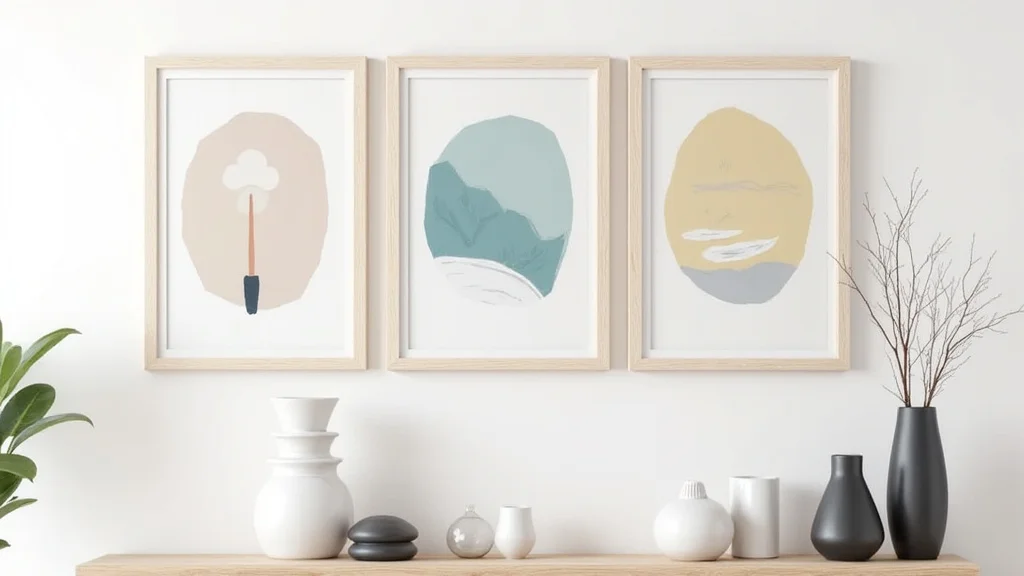
Remember that feeling of walking into a space and instantly feeling calm and at peace? That’s the essence of a natural home decor style. Think about the last time you were in a cabin in the woods or a cozy beach house. This design trend is all about bringing the serenity of the outdoors into your living space, creating a haven from the hustle and bustle. In this post, we’ll explore how you can achieve this look in your own home, transforming your rooms into welcoming sanctuaries. You’ll learn the core elements and easy techniques to master natural home decor style. Get ready to discover how to create a tranquil environment you’ll love!
Key Takeaways
- Learn the essential elements of natural home decor, including materials and color palettes.
- Discover how to incorporate natural textures and patterns into your interior design.
- Explore practical tips for creating a cohesive and calming atmosphere.
- Find out how to choose the right furniture and accessories for a natural look.
- Understand the importance of lighting and how it enhances the natural aesthetic.
- Gain inspiration for combining natural elements with modern design.
Embracing the Elements: Materials and Colors
The foundation of a natural home decor style lies in the materials you choose. Think about bringing the outdoors inside. This means choosing materials that are derived from nature, offering a raw, authentic feel. Forget about harsh, artificial materials and embrace the organic beauty that nature provides. This section explores the key materials and the ideal color palettes to create a truly inviting and relaxing space. The goal is to select elements that feel good, not just look good, fostering a sense of connection with the natural world.
Choosing Natural Materials
When selecting materials, prioritize authenticity and sustainability. These choices not only create a beautiful aesthetic but also promote a healthier living environment. The materials you choose impact how your space feels, so select them carefully. Your home should reflect the beauty of the outdoors, inside. This section will walk you through the primary material options to consider. From wood to stone, each material adds a unique character to your home.
- Wood: Wood is a fundamental element. Choose it for flooring, furniture, and accent pieces. Vary the type of wood and its finish to add visual interest. Light-colored woods like oak and pine create an airy, Scandinavian feel, while darker woods like walnut or mahogany can bring warmth and sophistication. Think about reclaimed wood for furniture, it provides a unique character.
- Stone: Stone, including granite, marble, or slate, is perfect for countertops, backsplashes, and decorative accents. Each type of stone offers a different texture and color, adding a unique feel. Opt for natural stone over manufactured options to preserve the authentic look. It provides a feeling of durability and grounding.
- Natural Fibers: Embrace materials like cotton, linen, jute, and wool for textiles. These fibers are soft, breathable, and add texture. Use them for upholstery, curtains, rugs, and decorative pillows. They bring warmth and a relaxed feel to any space. These materials help foster a sense of comfort and ease.
- Wicker and Rattan: Wicker and rattan are excellent choices for furniture, especially chairs, baskets, and decorative pieces. They create a relaxed, casual vibe. The woven texture adds visual interest and a sense of airiness. Wicker and rattan are strong and durable, perfect for everyday use.
Wood’s versatility makes it ideal for many uses. It can be smooth, rough, or distressed, adding different textures to your space. Consider using wood in unexpected places like wall paneling or decorative elements to create visual depth and warmth. Properly sourced wood is also a sustainable choice, furthering the ethos of natural design.
Stone naturally adds a sense of luxury and sophistication to any space. It’s also incredibly durable and long-lasting, which makes it a practical choice for high-traffic areas. Remember that stone requires periodic sealing and care, but the beauty and permanence make it worthwhile. Consider using stone in your bathrooms to provide a spa-like feel.
Natural fibers provide texture and visual interest. They can be woven, knitted, or used in their raw form, adding different layers. They also create a tactile experience, making your space more inviting. Natural fibers are generally more eco-friendly, aligning with the core values of natural home decor. These materials are also low in allergens, making them healthier for your home.
Wicker and rattan are lightweight and easy to move around. They are also relatively inexpensive. They add a touch of bohemian elegance to any space. Consider using wicker and rattan in a sunroom or on a porch to enhance a relaxing outdoor vibe. Regularly dust and clean these materials to keep them in good shape.
Selecting the Right Color Palette
Colors play a vital role. The aim is to create a sense of harmony. The goal is to use colors that evoke the feeling of nature. The right color scheme creates a calming and inviting atmosphere. It should feel balanced, reflecting the environment outside. This section explores the best color schemes that complement this design style. By combining these colors, you can achieve the look.
- Earthy Neutrals: Embrace a palette of warm, neutral tones. Colors like beige, cream, taupe, and light gray create a calm backdrop. These shades are versatile and allow other natural elements to stand out. They make your space feel open and airy. They help highlight textures and create a sense of balance.
- Soft Greens and Blues: Introduce soft shades of green and blue. These colors remind us of nature and create a calming ambiance. Consider shades like sage green, dusty blue, and seafoam. They are associated with tranquility and relaxation. These colors add a pop of color while maintaining a natural feel.
- Warm Terracotta and Browns: Add warmth with terracotta and brown hues. They bring a grounded, earthy feel to the space. Use terracotta in accessories, such as pots and vases. Use brown tones in wood furniture and flooring. These colors can be used together to create a cohesive look.
- Accents of Natural Black and White: Introduce black and white for contrast and balance. Use black in small doses, like in frames or hardware. Use white to brighten the space. These colors provide visual structure. They can be used to anchor the color scheme.
Neutral tones create a sense of calm. They act as a base for incorporating other colors and textures. They also reflect light, making your space feel larger and brighter. Consider painting your walls in a neutral color. Then, add colorful accents with furniture and accessories. A neutral base allows you to add elements that reflect your personality.
Green and blue create a connection with the outdoors. These colors are known for their calming effects. Use them as accents. You can use them for throw pillows, curtains, or artwork. These colors create a visual connection with nature. Remember to use soft tones rather than bold, saturated colors. A small splash of color does the job.
Terracotta and brown are linked to nature. These colors can create a sense of comfort and coziness. They create visual warmth. Use these shades to make your space feel inviting and comfortable. Try using these colors in your furniture, rugs, or decorative accents. These warm colors can bring a feeling of joy and connection to the home.
Black and white adds structure. They balance the warmer tones. They add visual interest without being overpowering. Black creates a sense of depth, while white brightens the space. Use these colors in your patterns, artwork, and decorative accents. Using these colors helps to create a modern and structured look.
Adding Texture and Pattern
Texture and pattern are essential. They add depth and character. They bring life to a room. Combining different textures and patterns adds visual interest. They prevent a space from feeling flat. This section will explore incorporating natural textures and patterns, resulting in a balanced and visually appealing space. It’s about creating a rich, layered aesthetic that reflects the beauty of the outdoors. You can make each room unique and visually appealing.
Incorporating Natural Textures
Texture engages the sense of touch. It creates a tactile experience. Texture can be incorporated in several ways. The focus is to choose textures that are derived from nature, creating a sense of authenticity. From rough wood surfaces to soft linens, each texture adds a unique dimension. The goal is to create a space that feels inviting and comfortable. This section focuses on materials and techniques.
- Rough Wood Surfaces: Use wood with a visible grain. This creates a natural, raw feel. This is perfect for furniture, flooring, or accent walls. Choose reclaimed wood for added character and sustainability. The rough texture adds visual interest and depth.
- Soft Linens and Cotton: Use soft, breathable fabrics like linen and cotton for upholstery and textiles. These fabrics create a relaxed, inviting atmosphere. Linen curtains can add a light, airy feel. Cotton throw pillows add comfort. The texture is soft, creating a cozy atmosphere.
- Woven Baskets and Rugs: Incorporate woven baskets and rugs for texture. These elements add visual interest and a cozy feel. Choose natural materials like jute, sisal, or seagrass. They offer durability and unique textures. These natural fibers add warmth and comfort.
- Stone Accents: Use stone in various forms. It could be a stone fireplace, or stone accent walls. These accents create visual interest. The natural variation in stone adds unique texture. The presence of stone brings the feel of nature inside.
Rough wood can provide warmth and character. It adds a natural, organic look. Use a live-edge table or a reclaimed wood coffee table. This gives you texture that is interesting. You can also use wood paneling on a wall. Proper sealing is essential. It will protect the wood from damage.
Soft textiles enhance comfort. They are ideal for creating a relaxing atmosphere. Use linen or cotton for bedspreads, curtains, and throw pillows. These fabrics drape well, adding elegance. These textiles also breathe well. This promotes a healthier environment.
Woven elements create visual interest. They add a tactile experience. They bring a sense of warmth to the space. Place a jute rug in the living room. It will define the seating area. Use woven baskets for storage and decor. These elements add a touch of rustic charm.
Stone offers a connection with the outdoors. It adds a sense of timelessness. Use stone tiles in the bathroom. It makes it feel like a spa. A stone fireplace creates a focal point. It can also bring warmth and a sense of coziness. Stone is a durable, long-lasting element.
Using Natural Patterns
Patterns are great for adding visual interest. They help prevent a space from feeling dull. Natural patterns can be used to add personality. They can be incorporated through fabric, wallpaper, or art. These patterns mirror the complexity of nature. This section explores how to use natural patterns. This way, you create a space that is harmonious and appealing.
- Botanical Prints: Incorporate botanical prints. This could include flowers, leaves, and other plant-based designs. This brings the beauty of nature inside. You can use botanical prints for wallpaper, art, or textiles. The natural imagery adds a fresh, calming vibe.
- Geometric Patterns Inspired by Nature: Use geometric patterns. These are often inspired by natural forms. Think about honeycomb, leaf veining, or water ripples. These patterns are visually appealing. You can incorporate them with rugs, pillows, or wallpaper. The natural geometry adds depth and interest.
- Animal Prints in Moderation: Animal prints can be incorporated. They can be added in small doses. They add visual interest and personality. This can be used in textiles or art. Animal print can add a touch of sophistication. It adds an element of surprise and fun.
- Watercolor and Abstract Designs: Use watercolor and abstract designs. They evoke natural landscapes. They can be found in artwork, textiles, and wallpaper. These patterns create a soft, calming feel. They bring visual interest and artistic flair.
Botanical prints create a connection to nature. They are also versatile and easy to incorporate. Use botanical wallpaper in a bedroom. It will provide a peaceful atmosphere. A collection of botanical art creates a gallery wall. It will be a stunning focal point. Look for prints that use watercolor or hand-drawn techniques.
Geometric patterns based on nature bring visual harmony. They add complexity without being overwhelming. A rug with a honeycomb pattern can anchor a living room. Leaf-veined pillows add interest to a sofa. These patterns make the space more engaging and less predictable.
Animal prints can introduce a playful element. However, use them sparingly. A zebra-striped rug in a neutral room. A leopard-print throw pillow. These touches add a touch of personality. The key is to balance with other natural elements. Avoid overdoing the use of animal prints.
Watercolor and abstract designs offer a feeling of artistry. They allow for a soft and flowing effect. A watercolor canvas can be a focal point. A throw with an abstract design adds a touch of sophistication. Choose colors that complement the existing palette. This will enhance the overall aesthetic.
Creating a Harmonious Atmosphere
The goal is to create a space that promotes relaxation. The space must reflect the serenity of nature. The goal is to create an oasis. The atmosphere influences how you feel. It should be a place where you can unwind. This section explores how to achieve a harmonious atmosphere. This includes elements such as lighting, furniture selection, and accessorizing. These components blend together to make an inviting home.
Selecting the Right Furniture
The furniture you choose plays a key role. It sets the tone of the space. Select pieces that are functional, comfortable, and aesthetically pleasing. Focus on durable, sustainable materials, and timeless designs. This section provides tips on how to select furniture. The goal is to build a beautiful space.
- Prioritize Natural Materials: Choose furniture made from natural materials. Examples include wood, rattan, and linen. Look for pieces with a solid construction. These materials create a sense of authenticity. They also ensure the furniture will last.
- Opt for Simple, Clean Lines: Select furniture with clean lines and simple designs. This ensures the focus remains on the natural materials. Avoid overly ornate or heavily patterned pieces. Clean lines create a calming, uncluttered look. It is better to have less furniture with good quality.
- Choose Comfortable and Functional Pieces: The furniture should be comfortable and functional. This will make the space inviting and practical. A cozy sofa with deep seating is perfect for relaxing. Storage solutions help to keep the space organized. Functionality makes the space enjoyable.
- Consider Scale and Proportion: Consider the scale and proportion of the furniture in each room. The pieces should fit the space. Don’t overcrowd the room. Choose furniture pieces that complement the space. A large, oversized sofa can overwhelm a small room.
Using natural materials anchors the space. They bring warmth and a connection to the outdoors. A wooden dining table provides a focal point in the dining room. Rattan chairs add a relaxed vibe to a sunroom. Choose furniture made from sustainable resources. It aligns with the design principles.
Furniture with simple lines creates a sense of harmony. It will keep the space light and airy. A minimalist sofa with linen upholstery will be a great addition. Wooden side tables with simple shapes provide functionality. Clean lines allow the natural textures and colors to take center stage. They also create a versatile foundation.
Comfort and functionality are essential. A comfortable sofa is a great place to relax. A well-designed dining table enhances gatherings. Storage solutions, like a wooden chest, keep the space organized. Choose furniture pieces that work for your lifestyle. They will create a space that suits your needs.
Scale and proportion are critical to a balanced look. The furniture must be in proportion with the room. A large, oversized piece can make a small room feel cramped. Place a small sofa in a small room. Use large items in a large space. This ensures a cohesive look. Measure the space before buying furniture.
Enhancing Lighting for a Natural Aesthetic
Lighting is another crucial aspect. It affects the mood and functionality of the space. Natural light is ideal. When natural light is limited, artificial lighting is necessary. It should mimic the qualities of natural light. This section will walk you through the process of choosing the right light. The right lighting is key to a comfortable atmosphere. The goal is to create a welcoming and calming space.
- Maximize Natural Light: Take advantage of natural light. Use sheer curtains. This will allow the light to filter through. Keep the windows clear of obstructions. Natural light enhances the beauty of natural elements. It brings a feeling of openness to the space.
- Choose Warm, Soft Artificial Lighting: Choose warm, soft light. Avoid harsh, fluorescent lights. Opt for LED bulbs with a warm color temperature. They emulate the look of natural light. This creates a cozy and inviting ambiance. It is also gentle on the eyes.
- Incorporate Layered Lighting: Incorporate layered lighting. This means combining different types of light sources. This includes ambient, task, and accent lighting. Ambient lighting provides overall illumination. Task lighting is for specific tasks. Accent lighting highlights features. This creates a balanced lighting scheme.
- Use Natural Materials for Light Fixtures: Select light fixtures made of natural materials. This includes wood, rattan, and linen. These fixtures blend seamlessly with the decor. They add to the natural aesthetic. They also bring texture and visual interest.
Natural light is the best. It enhances colors and textures. It also boosts your mood and well-being. Use sheer curtains. It helps to diffuse harsh sunlight. Open curtains during the day. This welcomes the light into the space. Place mirrors to reflect light. Doing this will brighten up the room.
Warm lighting enhances the natural feel. It creates a calming atmosphere. Warm lighting provides a soft glow. Choose a warm color temperature. Consider using dimmer switches. This will allow you to adjust the light. This creates the best lighting. This allows you to tailor the lighting to your needs.
Layered lighting creates depth and versatility. Ambient lighting sets the mood. Task lighting, such as a desk lamp, is for work. Accent lighting highlights a piece of art. This creates a well-lit space. Use a combination of ceiling lights, floor lamps, and table lamps. Doing this will create a complete lighting design.
Natural materials enhance the natural vibe. A wooden pendant light above a dining table adds warmth. A rattan lamp provides texture and visual interest. Linen lampshades soften the light. Natural fixtures tie together the design. The lighting fixtures integrate with the overall decor.
Accessorizing with Natural Elements
Accessories complete the look. They add personality. They also add the finishing touches. Accessories should complement the overall design. Choose items that evoke nature. The goal is to create an inviting space. This section will explore the best ways to incorporate accessories. This includes plants, art, and decor items. The goal is to enhance the aesthetic.
- Incorporate Houseplants: Incorporate houseplants. They bring life and vibrancy to your space. Choose plants that thrive in your environment. Use a mix of different sizes and species. Plants add color, texture, and purify the air.
- Use Natural Textiles: Use natural textiles for pillows, throws, and rugs. Choose materials like linen, cotton, and wool. These fabrics add texture and softness. They also create a feeling of comfort. They add warmth and visual appeal to your decor.
- Display Natural Art and Decor: Display art that reflects nature. This includes landscape paintings, botanical prints, and nature photography. Include decor items. These items may include wooden bowls, stone vases, and shells. These items create a cohesive look.
- Add Scented Candles and Diffusers: Add scented candles and diffusers. This will create a pleasant sensory experience. Choose scents inspired by nature. Scents could be like lavender, eucalyptus, or citrus. This enhances the overall atmosphere.
Houseplants create a living environment. They bring the outdoors inside. They also create a feeling of calmness and well-being. Place plants in every room. Add a large tree in the living room. Add smaller plants on tables. Choose low-maintenance plants if you are a beginner.
Natural textiles enhance comfort. They are also beautiful and functional. Drape a linen throw over your sofa. Arrange cotton pillows on your bed. Place a wool rug in the living room. These textiles are soft and inviting. Choose colors and patterns that complement your space.
Artwork and decor create a focal point. They enhance the connection with nature. A landscape painting adds beauty to a living room. A wooden bowl brings organic texture. These elements will add a sense of personality to your space. Choose items that resonate with you.
Candles and diffusers create a relaxing scent. The scent promotes feelings of well-being. A lavender candle can add a calming effect. An essential oil diffuser creates a peaceful atmosphere. Choose natural ingredients. This aligns with the style.
Common Myths Debunked
Myth 1: Natural Home Decor Is Only for Bohemian Styles
Many people believe that natural home decor style is restricted to bohemian styles, marked by layers of textiles and excessive layering. However, this is not true. It is adaptable and can blend with many styles. A natural home look can be minimalist, rustic, Scandinavian, or modern. It depends on the elements you emphasize. It’s about using natural materials and colors. It’s about bringing the outside in. The goal is to create a calming space.
Myth 2: Natural Home Decor is Expensive
Some people think it is costly. It can be cost-effective. You can find affordable natural elements. Reclaimed wood can be budget-friendly. Thrift stores are good for natural textiles. Incorporating affordable decor pieces keeps costs down. It is often about the choices you make. You can focus on creating an environment that feels good.
Myth 3: Natural Home Decor is High Maintenance
Some people think it’s high-maintenance. Natural materials require a little care. Wooden furniture may need regular oiling. Natural textiles may need proper washing. However, compared to other materials, it’s low maintenance. By picking durable materials, it’s not a lot of work. The benefits of living in a tranquil space outweigh the effort.
Myth 4: You Must Live in a Large House to Achieve This Style
People often assume you need a big house. This style can be applied in all spaces. The key is in selecting the appropriate elements and scale. Even a small apartment can gain benefits. The goal is to focus on creating a calming environment. In smaller spaces, choose a few key elements. Prioritize comfort and the natural feel of the space.
Myth 5: All Natural Decor is the Same
There is a misconception. All natural decor is the same. Natural design is versatile and can vary greatly. The natural look has a range of styles. It can be modern, minimalist, or rustic. The exact use of natural materials can differ. You can include different textures and patterns. Your choices should reflect the area.
Frequently Asked Questions
Question: How do I choose the right wood finish for my furniture?
Answer: Consider the overall style of your room. Light wood finishes like oak and pine create an airy, Scandinavian feel, while darker woods like walnut or mahogany add warmth and sophistication. Think about the durability and the maintenance requirements, too.
Question: What are the best plants for a natural home decor style?
Answer: Choose plants that thrive in your environment. Popular choices include snake plants, peace lilies, and pothos. Consider the light levels in each room, and select plants that will receive the right amount of sunlight. Don’t forget that many low-light plants can still thrive inside your home.
Question: How can I incorporate natural patterns in a small space?
Answer: Use natural patterns in moderation. Consider botanical prints for artwork or throw pillows. Geometric patterns inspired by nature can add interest to a rug or a small accent wall. Be mindful of the scale of the patterns to avoid overwhelming the space.
Question: What are some sustainable choices for a natural home?
Answer: Choose furniture made from reclaimed wood or sustainably sourced materials. Use natural textiles like organic cotton and linen. Opt for eco-friendly paints and finishes. Reduce waste by purchasing pre-owned decor items and furniture. These choices enhance the beauty.
Question: How can I make my home smell like nature?
Answer: Use scented candles and essential oil diffusers with natural fragrances. Consider scents like lavender, eucalyptus, or citrus. You can also add fresh flowers and herbs. These elements can enhance the overall ambiance of your space. Do this to create a peaceful atmosphere.
Final Thoughts
Embracing a natural home decor style can significantly transform your living space into a sanctuary of peace. The key lies in selecting materials, colors, and textures that echo the beauty and tranquility of the outdoors. From the warmth of wood and stone to the softness of linen and cotton, each element plays a part in creating a cohesive, inviting environment. By focusing on maximizing natural light, incorporating natural patterns, and choosing comfortable, functional furniture, you can cultivate a harmonious atmosphere that nurtures relaxation and well-being. Don’t be afraid to experiment with different natural elements, patterns, and combinations to craft a space that is truly yours. Begin with one room or a small corner. Make one change and feel the difference. Make sure your home is an oasis that reflects your unique style and a deep connection to nature.