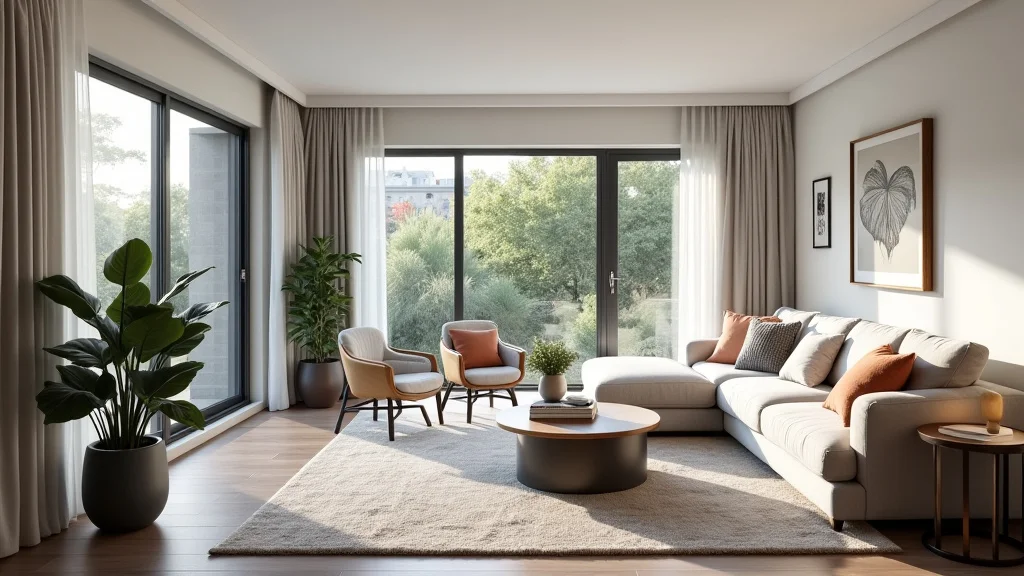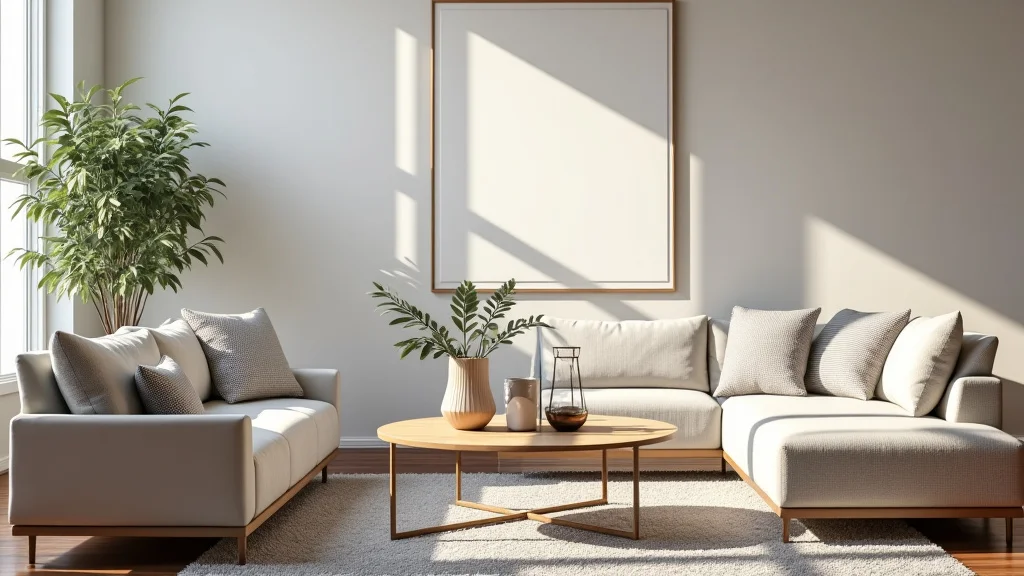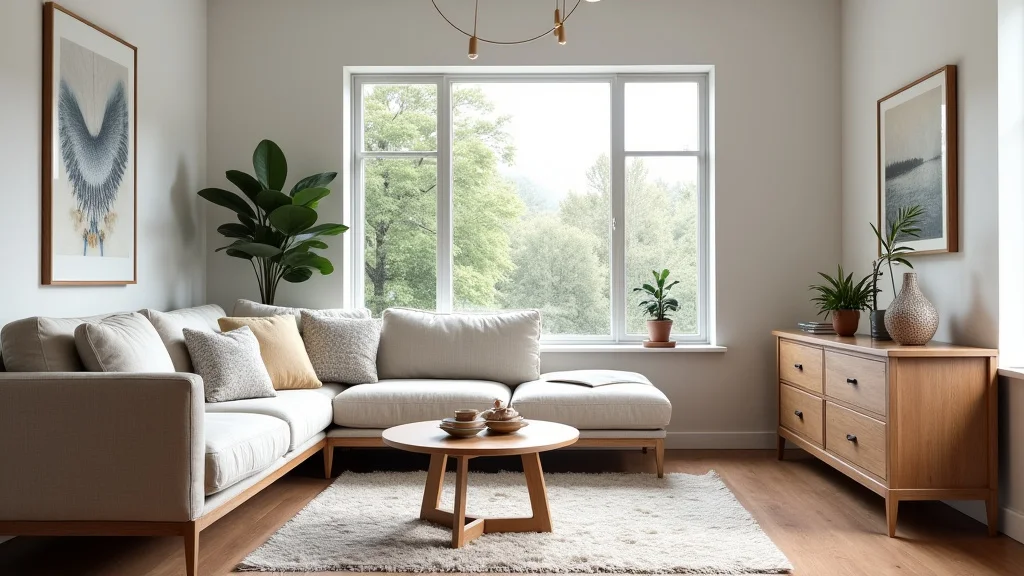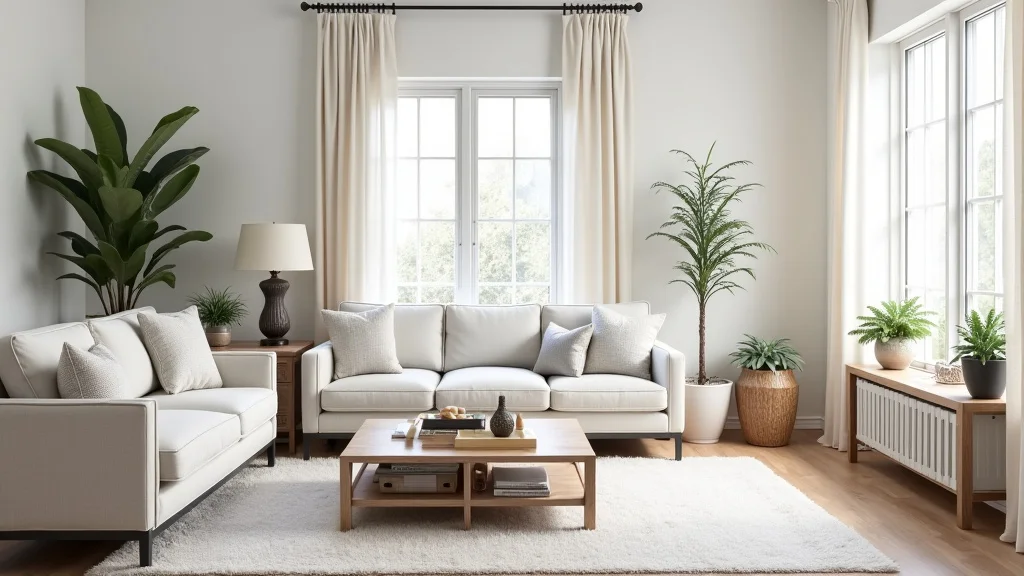
Picture this: you walk into a friend’s house, and the space just feels. welcoming. Soft lighting, comfortable furniture, and a sense of history seem to envelop you. That feeling often stems from the charm of traditional home decor style. It’s a design approach that emphasizes timeless elegance and enduring comfort, making a home feel both beautiful and lived-in. In this post, we’ll explore the core elements of this style and provide practical tips to help you bring its warmth and sophistication into your own space. You’ll gain a deeper appreciation for the principles that define traditional home decor style, enabling you to create a home that reflects your personality and stands the test of time.
Key Takeaways
- Learn about the defining characteristics of traditional interior design.
- Discover how to incorporate classic furniture and fabric choices.
- Understand the importance of color palettes and patterns in the traditional style.
- Get tips on selecting the right lighting and accessories.
- Gain insight into creating a balanced and inviting atmosphere.
- Find ways to blend traditional elements with modern touches.
Understanding Traditional Home Decor Style
Traditional interior design is rooted in the past, drawing inspiration from European aesthetics, particularly the Georgian, Victorian, and French Country periods. It prioritizes comfort, symmetry, and a sense of formality, without being overly rigid or cold. This style values quality craftsmanship and the use of rich materials, creating a sense of warmth and history within a home. It’s a style that embraces layers, textures, and a balance between functionality and decorative elements. The overall goal is to establish a welcoming and elegant atmosphere.
Hallmarks of Traditional Design
Several key elements define traditional style. Recognizing these characteristics helps in appreciating and implementing this design approach. These elements contribute to the signature aesthetic of this timeless decorating style.
- Symmetry: Traditional design often relies on symmetry. This means arranging furniture and accessories in balanced pairs or groups, creating a sense of order and harmony. Think of matching lamps on either side of a sofa or a pair of armchairs facing each other.
- Detailed Woodwork: Decorative moldings, wainscoting, and elaborate trim are common features. These architectural details add character and sophistication, enriching the overall look.
- Classic Furniture: Traditional furniture pieces are often substantial, featuring curved lines, detailed carvings, and rich finishes. Pieces like wingback chairs, mahogany tables, and upholstered sofas are quintessential.
- Luxurious Fabrics: Fabrics play a crucial role. Silk, velvet, damask, and brocade are frequently used for upholstery, draperies, and pillows. These luxurious materials add depth and elegance.
- Ornate Accessories: Accessories are carefully chosen to enhance the space. This includes items such as antique mirrors, crystal chandeliers, and carefully curated collections of decorative objects.
Key Characteristics of the Style
Beyond the core components, several characteristics distinguish traditional home decor style. These features contribute to the overall mood and aesthetic.
- Warm Color Palettes: Traditional designs often employ warm, inviting color palettes. Think of colors such as creams, beiges, golds, and deep reds, greens, and blues. These colors create a feeling of coziness and sophistication.
- Patterned Fabrics: Patterns like florals, stripes, and damasks are often incorporated, adding visual interest and depth. These patterns can be seen in upholstery, curtains, and pillows, creating a cohesive design.
- Layered Lighting: This style often uses multiple light sources, including chandeliers, table lamps, and floor lamps, creating a warm, inviting glow. This layered approach provides both functionality and ambiance.
- Use of Natural Materials: The use of natural materials, such as wood, stone, and leather, is central to the traditional style. These materials provide a sense of authenticity and longevity.
Furniture and Fabric Choices in Traditional Interiors
The selection of furniture and fabrics is crucial in establishing a traditional interior. The right pieces and materials will significantly contribute to the overall aesthetic. These elements contribute to creating comfortable and elegant spaces.
Furniture Styles
Furniture within the traditional aesthetic is characterized by its craftsmanship, durability, and classic design. Pieces are often chosen for their enduring beauty and functionality, creating spaces that feel both refined and inviting.
- Wingback Chairs: These chairs are a signature piece, offering both comfort and a sense of grandeur. Their high backs and curved wings provide a cozy, enveloping feel.
- Mahogany Tables: Mahogany, known for its rich color and durability, is a popular choice for tables. Whether it’s a dining table or a side table, these pieces add elegance and sophistication.
- Upholstered Sofas: These sofas are often large and comfortable, featuring rolled arms, detailed skirts, and luxurious fabrics. They become the focal point of a living space.
- Case Goods with Decorative Details: Dressers, chests, and cabinets often feature intricate carvings, detailed hardware, and elegant finishes, showcasing craftsmanship.
Fabric and Textiles
Fabrics bring texture, pattern, and color, essential components for completing the traditional aesthetic. Rich materials and carefully selected patterns play a significant role.
- Velvet: Velvet adds luxury and softness. It is often used for upholstery, draperies, and accent pillows. Its plush texture offers both visual and tactile appeal.
- Silk: Silk, known for its sheen and elegance, is used for window treatments and decorative cushions. Its reflective quality enhances the sophistication of the space.
- Damask: Damask, with its woven patterns, offers a sense of history and formality. It is used in various applications, from upholstery to bedding.
- Brocade: Brocade, with its raised patterns, adds richness and texture. It is a suitable choice for creating luxurious draperies or adding accents to cushions.
Color Palettes and Patterns for Traditional Interiors
The right combination of colors and patterns is essential. These elements bring cohesion and character, forming the character of a space.
Color Palette Selections
Color choices are key in creating the mood. Warm hues and classic combinations are typical within this design approach. A careful selection sets the tone of a space.
- Warm Neutrals: Colors like cream, beige, and ivory form a soft, inviting backdrop. These neutrals provide a sense of timelessness and serve as a base for other colors and patterns.
- Rich Accents: Colors such as deep reds, blues, greens, and golds are frequently introduced as accent colors. These hues add depth and elegance.
- Classic Combinations: Color pairings, like navy and cream or gold and burgundy, are often used. These combinations create sophisticated and harmonious spaces.
Pattern Selection
Patterns are essential for adding interest, character, and visual depth. Strategic use of patterns can define the personality of a space.
- Floral Patterns: These patterns, reminiscent of nature, are frequently used on upholstery, curtains, and wallpaper, bringing a sense of freshness and elegance.
- Stripes: Stripes add a sense of structure and formality. They can be found on fabrics and rugs, offering a versatile design element.
- Damasks: Damask patterns bring sophistication and historical interest. They are often used on upholstery, bedding, and window treatments.
- Toile: This pattern, featuring pastoral scenes, provides a touch of charm and storytelling. It adds a layer of depth and visual storytelling.
Lighting and Accessory Details in the Traditional Style
Lighting and accessories play significant roles. These elements offer functionality, create ambiance, and reflect the style’s aesthetic. Proper selections bring finishing touches to a space.
Lighting Essentials
Lighting should serve both functional and decorative purposes. Combining different light sources is fundamental for creating a well-balanced and inviting atmosphere.
- Chandeliers: Chandeliers are often the focal point of a room, providing ample light and a touch of grandeur. Their ornate designs enhance the elegance of the space.
- Table Lamps: Table lamps are used on side tables and desks. These provide task lighting and create a warm glow, contributing to a cozy ambiance.
- Floor Lamps: Floor lamps offer supplemental light and can add height and visual interest. Their placement can define sitting areas and reading nooks.
- Wall Sconces: Wall sconces bring a touch of elegance and provide ambient lighting. They are often placed in hallways or flanking mirrors, adding visual appeal.
Accessory Selection
Accessories complete the look. Carefully chosen items complement the design’s overall aesthetic, adding character and visual interest to a space.
- Mirrors: Mirrors reflect light and add depth. Antique mirrors or those with ornate frames can enhance the sense of history and elegance.
- Artwork: Artwork, including oil paintings, landscapes, and portraits, adds visual interest and personality. Carefully curated pieces enhance the decor.
- Clocks and Decorative Objects: Antique clocks, figurines, and other decorative items add character and reflect personal interests. These elements enhance the overall charm.
- Books: Bookshelves, filled with both classic and new volumes, add warmth and intellectual charm. Displaying books adds a layer of sophistication.
Creating a Balanced and Inviting Atmosphere
The goal is to cultivate an environment that is both welcoming and functional. The overall goal is to establish a sense of comfort and refinement.
Room Layout Strategies
Effective furniture arrangements encourage conversation and a sense of flow. Good choices help make spaces practical and comfortable.
- Symmetrical Arrangements: As mentioned, symmetry is often used. Matching furniture on either side of a fireplace or a sofa creates a sense of balance.
- Creating Conversation Areas: Arrange furniture to promote conversation. Place sofas and chairs facing each other, creating inviting seating arrangements.
- Defining Zones: Use rugs and furniture to define different zones within a room. This is helpful in open-plan spaces, providing both functionality and visual organization.
Combining Comfort and Elegance
Balancing comfort and elegance is the hallmark of the traditional style. Achieving the right balance ensures a warm and inviting atmosphere.
- Using Soft Furnishings: Incorporate soft textiles like pillows and throws to add comfort and texture. This creates a cozy and welcoming feeling.
- Considering Scale: The scale of furniture and accessories should complement the room’s size. Avoid overly large pieces in small rooms or small pieces in large rooms.
- Personalizing the Space: Add personal touches through family photos, heirlooms, and items that reflect your interests. This reflects your personality in the home.
Blending Traditional Elements With Modern Touches
The fusion of traditional design with modern elements produces a look that feels fresh and balanced. This offers a personalized and current design aesthetic.
Mixing Old and New
Incorporating modern pieces into a traditional setting can make the decor look current. A thoughtful selection of pieces can elevate the aesthetic.
- Adding Modern Art: Displaying contemporary artwork alongside traditional furniture introduces a fresh perspective. The contrast can make both elements stand out.
- Using Sleek Lighting: Incorporate modern lighting fixtures. Using clean lines and modern finishes creates a stylish contrast.
- Modern Rugs and Textiles: Select contemporary rugs and textiles to update the look. These items can add a modern flair.
Creating a Contemporary-Traditional Look
The goal is to create a harmonious blend, establishing spaces that feel timeless and updated. It is about a balanced selection of styles.
- Neutral Base with Colorful Accents: Start with a neutral color palette and introduce pops of color through accessories. This is a balanced approach.
- Mixing Furniture Styles: Combine traditional furniture with modern pieces. The combination can create visual interest.
- Streamlined Accessories: Opt for sleek accessories. This provides a sense of balance and visual clarity.
Common Myths Debunked
Myth 1: Traditional Design Is Stuffy and Outdated
Many believe that this design style feels old-fashioned and rigid. The truth is that traditional style offers a wide range of options, from ornate to more relaxed interpretations. By incorporating modern touches, you can create a space that feels both timeless and contemporary. The key is to balance the classic elements with more modern touches.
Myth 2: Traditional Interiors Are Expensive to Achieve
It’s often thought that achieving a traditional style requires a large budget. The reality is that there are many ways to embrace this style affordably. Purchasing vintage pieces, repurposing existing furniture, and incorporating affordable fabrics can help you create the desired look. It’s about careful selection, not necessarily large spending.
Myth 3: Traditional Home Decor Style Is Difficult to Maintain
Some people believe that traditional interiors require too much effort to keep clean and well-maintained. While some fabrics might need more care, a practical approach to maintenance can simplify the process. Selecting durable fabrics, employing easy-to-clean surfaces, and establishing a regular cleaning schedule are effective. Proper planning simplifies the effort.
Myth 4: Traditional Design Means Overcrowding Spaces
It is often believed that traditional interiors are cluttered. In reality, traditional design does not mandate overcrowding. It is possible to maintain a refined traditional look while also ensuring a comfortable and functional space. By arranging furniture and accessories thoughtfully, the look can be welcoming and uncluttered.
Myth 5: Traditional Homes Have No Place for Modern Technology
It’s a common misconception that traditional interiors can’t accommodate modern technology. The truth is that this style can seamlessly incorporate modern technology while maintaining its classic appeal. This can be accomplished by concealing tech within furniture, using wireless speakers, and integrating smart home systems discreetly. Modern features can co-exist within a traditional setting.
Frequently Asked Questions
Question: How do I choose the right color palette for a traditional living room?
Answer: For a traditional living room, start with warm, neutral base colors like cream, beige, or light gray. Then, incorporate accent colors like deep reds, blues, or greens through your accessories, textiles, and artwork. Consider the light in your room and the mood you want to create when selecting your colors.
Question: What are the best fabrics to use in a traditional home?
Answer: Luxurious fabrics like velvet, silk, damask, and brocade are excellent choices. These add elegance and texture to upholstery, draperies, and decorative pillows. Consider the durability and practicality of the fabric, especially in high-use areas.
Question: How can I incorporate modern elements into my traditional design?
Answer: Blend traditional and modern elements to give your space a current look. Integrate modern art, streamline lighting, and select contemporary rugs and accessories. This contrast adds a balanced and refreshed touch.
Question: What are some essential accessories to have in a traditional home?
Answer: Essential accessories include mirrors with ornate frames, carefully chosen artwork, antique clocks, and other decorative objects that reflect your personal interests. These elements add character and enhance the overall style.
Question: How do I create a symmetrical arrangement in a traditional space?
Answer: Symmetrical arrangements balance your spaces. Arrange furniture in pairs or groups, using matching lamps, armchairs, or other elements. Ensure everything is centered on a focal point, like a fireplace or a large window, for visual balance.
Final Thoughts
Traditional home decor style provides an enduring framework for creating warm, welcoming spaces that reflect both elegance and comfort. It’s a style defined by its attention to detail, the use of quality materials, and a sense of balance and harmony. From the choice of furniture and fabrics to the carefully selected color palettes and accessories, every element plays a crucial role in establishing the atmosphere. If you enjoy the appeal of classic design, embracing this approach allows you to cultivate a home that feels both timeless and personal. It’s an approach that celebrates history, comfort, and the enduring beauty of well-crafted design. By understanding the core principles, you can embark on your own design project. Enjoy the transformation!