Picture this: you’re wandering through a cozy antique shop, the scent of aged paper and wood fills the air. You spot a framed print, its vibrant colors still popping despite its age. It’s an arts and crafts style print, and it immediately captures your attention. This post will help you explore the beauty and charm of arts and crafts style prints for home decor. You’ll learn how these prints can transform your living space. You’ll get practical tips on choosing, framing, and displaying these artworks. Get ready to discover how to bring timeless elegance into your home and turn your walls into galleries of artistic expression.
Key Takeaways
- You will learn the core characteristics of arts and crafts style prints.
- You’ll discover how to choose prints that complement your existing decor.
- You’ll find tips for proper framing and display to enhance their visual impact.
- You’ll explore the history and significance of the arts and crafts movement and its impact on prints.
- You’ll find actionable advice on finding and acquiring these beautiful prints for your home.
- You will learn how to integrate these prints to improve the aesthetics of your rooms.
The Allure of Arts and Crafts Style Prints
The arts and crafts movement, flourishing in the late 19th and early 20th centuries, was a reaction against mass production. It emphasized craftsmanship, natural forms, and a return to simpler times. This focus extended to printmaking, resulting in beautiful and distinctive artworks. Prints from this era celebrate nature, beauty, and often, a touch of romanticism. They are characterized by flowing lines, stylized botanical elements, and a focus on the handmade. These qualities make arts and crafts style prints for home decor exceptionally appealing, offering a sense of history, artistry, and warmth to any room.
Core Characteristics of the Style
Arts and crafts prints are recognizable by their distinctive qualities. They typically feature hand-drawn or hand-printed elements. Colors are often muted or earthy, reflecting the natural world. Subject matter frequently includes flowers, landscapes, and scenes of everyday life. This style promotes a feeling of comfort and elegance. It stands in opposition to the industrial aesthetic, embracing the beauty of imperfection and the value of human touch. These prints often evoke a feeling of nostalgia and serenity, making them ideal for creating a peaceful and inviting home environment.
- Emphasis on Craftsmanship: Prints were often created using techniques like woodcut, linocut, and hand-colored stencils, highlighting the artist’s skill and attention to detail. This focus on the handmade offers a unique tactile quality that mass-produced art cannot replicate. It connects viewers to a tangible sense of artistry and care.
- Naturalistic Motifs: Common themes include plants, flowers, birds, and landscapes. These motifs were directly inspired by nature. Such subjects brought a sense of calm and beauty. They encouraged viewers to appreciate the world around them, reflecting the movement’s connection to the environment.
- Color Palette: Earthy tones, such as greens, browns, and muted blues, are very common. These color choices evoke a feeling of nature and tranquility. Colors were often applied by hand, adding depth and variation.
- Stylized Design: The prints often featured simplified and decorative forms, rather than photographic realism. Lines and patterns were emphasized, creating a unique aesthetic. These stylized elements help the artworks stand out, offering a distinctive visual style.
The Impact of William Morris and His Legacy
William Morris, a central figure of the arts and crafts movement, significantly shaped the style. His designs were all about beauty and craftsmanship. He founded Morris & Co., which produced a wide variety of decorative arts, including textiles, wallpapers, and, of course, prints. Morris’s prints often feature complex patterns and natural motifs like flowers and foliage. These designs have a timeless appeal and are still very popular today. Morris’s work continues to inspire artists and designers. His designs demonstrate the power of thoughtful artistic expression.
- Morris & Co. Design Influence: The company’s influence extended to many areas of design. Morris’s work demonstrated the ability to create art that was both beautiful and functional. He championed the idea of bringing art into everyday life.
- Textile Patterns: His textile designs, with their intricate patterns of flowers, leaves, and other natural forms, had a large impact. These patterns were adapted for prints, adding their own beauty. They were often hand-printed using traditional methods.
- Wallpaper Designs: Morris’s wallpapers are famous for their repeating patterns. They created a cohesive and harmonious aesthetic. These wallpapers helped to define the visual style of the arts and crafts movement.
- Printing Techniques: Morris employed advanced printing methods. This was done to ensure the highest quality of his artwork. The techniques of the company helped to preserve the art of fine printmaking.
Finding Authentic Arts and Crafts Prints
Authentic arts and crafts style prints for home decor can be found in a variety of places. Antique shops, galleries specializing in vintage art, and online marketplaces offer a wide array of options. It’s important to do your research. Get a sense of what to look for, and also learn the signs of authenticity. Look for prints that match the style of the era. Consider details like paper type, ink, and the printmaking technique. Knowing these factors will help you spot a genuine piece. When buying online, always request multiple pictures and confirm provenance to ensure a good purchase.
- Antique Shops and Galleries: Explore local antique shops and galleries. These places often have well-curated collections. You can also view the artwork in person. This lets you assess the quality and condition of the prints directly.
- Online Marketplaces: Sites such as eBay, Etsy, and specialized art marketplaces offer a wide selection of vintage prints. You can compare prices. Always check the seller’s reputation and read customer reviews.
- Auctions: Auction houses sometimes feature vintage art. Auctions may offer opportunities to acquire rare and valuable prints. Review the catalogs carefully. Always know your budget before bidding.
- Researching Printmakers: Educate yourself on the notable printmakers of the era. Knowing the key artists and their styles is helpful. This helps you identify authentic works. You can learn about their techniques and subjects.
Integrating Prints Into Your Home Decor
Incorporating arts and crafts style prints for home decor into your home requires a strategic approach. Consider the existing decor and the mood you want to create. These prints blend well with many styles. They add elegance and charm to modern interiors. They’re also suitable for traditional settings. The right prints can enhance any space, whether you prefer a minimalist look or a more eclectic style. They can be used as focal points, or to complement other design elements. By thoughtful arrangement, prints can turn your home into a gallery of style.
Choosing Prints That Complement Your Style
When selecting prints, start by considering the overall style of your home. Are your interiors modern, classic, or eclectic? Choose prints that complement your existing furniture and color scheme. For a modern space, you might select a print with a bold, graphic pattern. In a classic setting, opt for prints featuring landscapes or botanical illustrations. Think about scale and arrangement. A single, large print can serve as a focal point. A gallery wall of smaller prints can create visual interest.
- Matching Colors: Choose prints with colors that work with your current color palette. If you have a neutral decor, prints with bright colors add life. If you have vibrant walls, prints with softer tones can create balance.
- Considering Scale and Arrangement: The size of the print is important. It needs to match the size of the room and the furniture. A large print can make a statement on its own. Smaller prints are good for creating a gallery wall. Think about the layout and spacing.
- Framing Choices: The frame style can improve the print’s appearance. Choose frames that match the style. A simple wooden frame is a good choice for arts and crafts style prints. It highlights the artwork without distracting from it.
- Subject Matter: Consider your interests and the overall vibe of your space. Do you want botanical illustrations, landscapes, or figure studies? Select prints that fit the mood you desire to create.
Arranging Prints for Maximum Impact
The way you arrange your prints can greatly affect their visual appeal. Creating a gallery wall is a popular way to display multiple prints. Arrange the prints in a balanced way, using a grid layout or a more organic arrangement. Pay attention to spacing and ensure that the prints are hung at eye level. For individual prints, use the print as a focal point in a room. This could be above a sofa, a fireplace, or a piece of furniture. Proper lighting is also important, as it enhances the colors and details of the art. Good placement makes a difference.
- Gallery Wall Layouts: Experiment with different arrangements. Grids are good for a formal feel. An organic arrangement is more free-flowing. Measure your space. Lay out the prints on the floor first. You can be sure you like the pattern before hanging the art.
- Single Print Placement: A large print can be an excellent focal point. Hang it at eye level. Make sure it is proportional to the furniture below. Consider the surrounding wall space. The print should not be crowded.
- Lighting Considerations: Properly placed lighting enhances the details of a print. Use picture lights to focus light directly on the artwork. If using ambient lighting, make sure the print is not in the shadows. Prevent direct sunlight.
- Creating Balance and Harmony: Balance the art pieces with the rest of your decor. The colors and styles should complement each other. Avoid cluttering the wall with too much art. Edit the arrangement until it feels right.
Framing and Preservation Techniques
Framing is an important step in displaying your prints. The frame enhances the artwork and protects it. Choose frames that match the style of the print. Simple wooden frames are often ideal for arts and crafts style prints for home decor. Using acid-free materials, like archival mats and backing boards, is crucial for print preservation. These materials help prevent damage and keep the print in good condition. Consider glass with UV protection to keep the colors from fading. Always avoid direct sunlight when hanging prints.
- Frame Styles: Choose frames that reflect the print’s style. Simple wooden frames are good. They complement the natural look. Ornate frames can work. They add a bit of elegance to the work.
- Matting Choices: The mat creates space between the print and the glass. It protects the artwork. Use acid-free mats. This prevents discoloration. Select colors that complement the print.
- Glass Options: Protect the print with glass. Non-reflective glass can reduce glare. Glass with UV protection prevents colors from fading. This is important when the print is exposed to sunlight.
- Environmental Considerations: Avoid hanging prints in direct sunlight or damp areas. Protect the print from changes in temperature and humidity. These factors can damage the artwork over time.
Arts and Crafts Style Prints in Different Rooms
The versatility of arts and crafts style prints for home decor allows them to enhance various rooms in your house. In the living room, they can serve as a focal point above the sofa. In the bedroom, they can create a serene atmosphere. In the dining room, they can add an element of elegance. Choose prints that suit the room’s function and style. The right selection can transform your space. These prints are about beauty and functionality.
Living Room: Creating a Welcoming Atmosphere
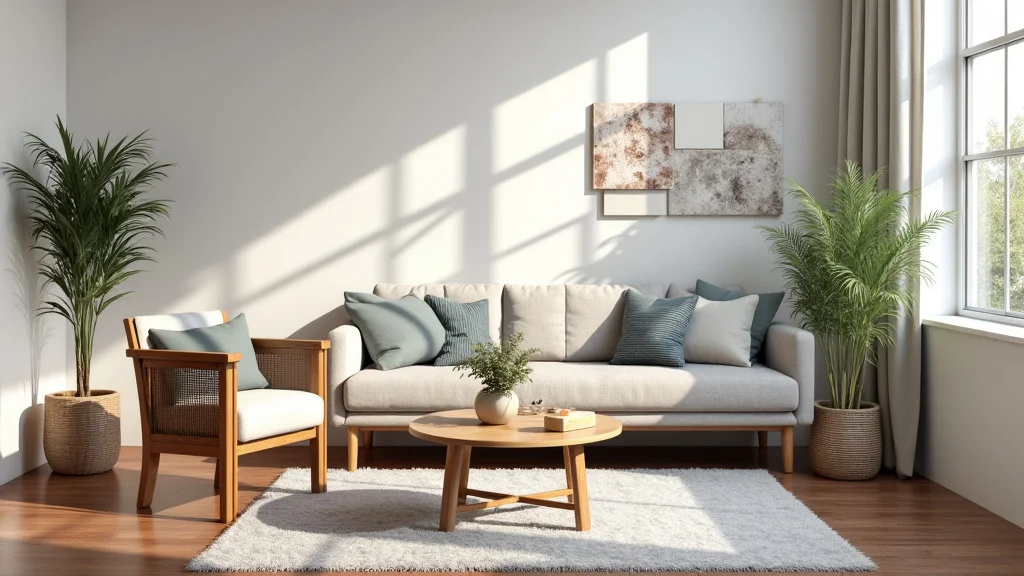
In the living room, prints can enhance a welcoming atmosphere. You can use a large, striking print as the focal point above the sofa or fi
- Focal Point: A single, large print can make a statement. Make sure it is in proportion to the wall. Select a design that aligns with the room’s style. Consider the color palette.
- Gallery Wall: Create a gallery wall with various sizes of prints. Arrange the prints in a balanced pattern. Use a consistent framing style. Ensure proper spacing between the prints.
- Subject Matter: Choose prints that set a certain mood. Landscapes, botanical designs, or other themes can create a welcoming vibe. Coordinate the subject matter with your decor.
- Color Palette: Use the colors to enhance the mood of the room. Warm, inviting colors can make a space cozy. Ensure the print colors complement the rest of the room.
Bedroom: Fostering Serenity and Relaxation
In the bedroom, prints can help create a relaxing environment. Opt for prints with soft colors, gentle patterns, and calming themes. Floral designs, landscape scenes, or abstract art can all work well. Hang prints above the bed, on a bedside table, or on a nearby wall. Consider the size of the room and the overall atmosphere you want to achieve. The goal is to bring peace to the space. The prints should help you unwind. Your room will feel like a retreat.
- Calming Themes: Opt for prints featuring gentle patterns, soft colors, and relaxing scenes. Landscapes, floral designs, or peaceful abstract art work great. These choices create a tranquil atmosphere.
- Placement above the Bed: Placing prints above the bed offers a focal point. Ensure the print is in proportion to the bed. Choose a design that brings balance to the space.
- Gallery Wall: A gallery wall of smaller prints creates visual interest. Arrange the prints to give a sense of peace. Coordinate the style with the room’s decor.
- Color Choice: Soft colors promote relaxation. Choose prints with hues that soothe you. Consider the tones of the other elements in the room. This offers the best experience.
Dining Room: Adding Elegance and Charm
In the dining room, prints can add elegance and sophistication. Consider prints featuring still lifes, botanical illustrations, or scenes depicting food or drink. Hang the prints in an area that is visible, such as above a sideboard or on the walls around the dining table. Choose frames that complement the style of your dining room furniture. Prints will enhance the dining experience. A well-chosen print creates a welcoming space for meals and gatherings.
- Subject Matter: Select prints with the right subject. Still lifes, botanical illustrations, or related topics are good. The print should enrich the dining experience. Coordinate the theme with your decor.
- Placement: The prints should be in areas of good visibility. They often look great above a sideboard or on nearby walls. Ensure the size and scale are appropriate for the space.
- Frame Style: Choose frames that match your dining room furniture. Simple frames offer a classic look. A more elaborate style might suit a formal setting. The frame choice complements the artwork.
- Color Coordination: Pick colors that complement your dining room color scheme. The prints should blend into the decor. Coordinate the artwork with your table settings.
Common Myths Debunked
Myth 1: Arts and crafts prints are only for antique homes.
The truth is that arts and crafts style prints for home decor are incredibly versatile. They enhance many interior design styles. While they fit well with antique homes, they also look great in contemporary spaces. Consider using these prints to offer contrast and warmth. The prints add a touch of history and artistry, blending well in various design settings.
Myth 2: Authentic prints are too expensive to acquire.
While some rare pieces can be pricey, many affordable options are available. You can find beautiful prints for reasonable prices. These are available in antique shops, online marketplaces, and at local art fairs. Search around. There are prints to fit every budget. Enjoy the search and discover new prints.
Myth 3: Arts and crafts prints are difficult to integrate with modern decor.
They easily integrate into modern decor. These prints provide a touch of visual interest. Their simple lines and natural themes blend well with a range of styles. Modern spaces often benefit from such classic design elements. This creates a balance of old and new. They add warmth and personality.
Myth 4: The prints are only in specific sizes.
Arts and crafts prints come in different sizes, matching various home decor needs. You will find small, medium, and large prints. The right size will suit your decorating goals. Check for different sizes before committing. The size choice lets you customize your decor and match your space.
Myth 5: It is not possible to tell if a print is authentic.
It is possible to identify genuine art. By knowing the hallmarks of the style, you can spot authentic works. Consider the techniques, the materials used, and the style details. Researching the printmakers will help in your exploration. Look for the print’s details. These will help you know the art’s origins.
Frequently Asked Questions
Question: How do I identify a genuine arts and crafts style print?
Answer: Look for hand-crafted techniques like woodcuts or linocuts, muted color palettes, and naturalistic motifs. Researching the artist or printmaker can help confirm authenticity.
Question: What’s the best way to frame these prints?
Answer: Simple wooden frames are often ideal, as they complement the natural aesthetic of the prints. Use acid-free mats and UV-protective glass for preservation.
Question: Where can I find arts and crafts style prints?
Answer: Explore antique shops, art galleries, online marketplaces (like eBay and Etsy), and local art fairs. Auctions can sometimes offer unique finds.
Question: Can these prints be displayed in any room?
Answer: Yes, their versatility allows for display in any room. Their style allows them to enhance living rooms, bedrooms, dining rooms, and home offices. Choose the prints matching the mood.
Question: How do I care for my arts and crafts prints?
Answer: Avoid direct sunlight, fluctuations in temperature or humidity. Frame the prints with acid-free materials and use protective glass to help preserve the artwork.
Final Thoughts
Arts and crafts style prints for home decor offer a way to bring beauty and timeless style into your home. These prints, with their focus on craftsmanship and natural themes, can enrich any living space. They are very versatile, fitting in both contemporary and traditional settings. They bring a touch of elegance, historical richness, and personal expression. From selecting the perfect prints to mastering framing techniques and designing an arrangement, you’ve learned everything to create a wonderful space. By embracing these principles, you can transform your home. Your rooms will become beautiful galleries of artistic expression. So, start your exploration, find your favorite pieces, and let these wonderful prints tell their stories on your walls.