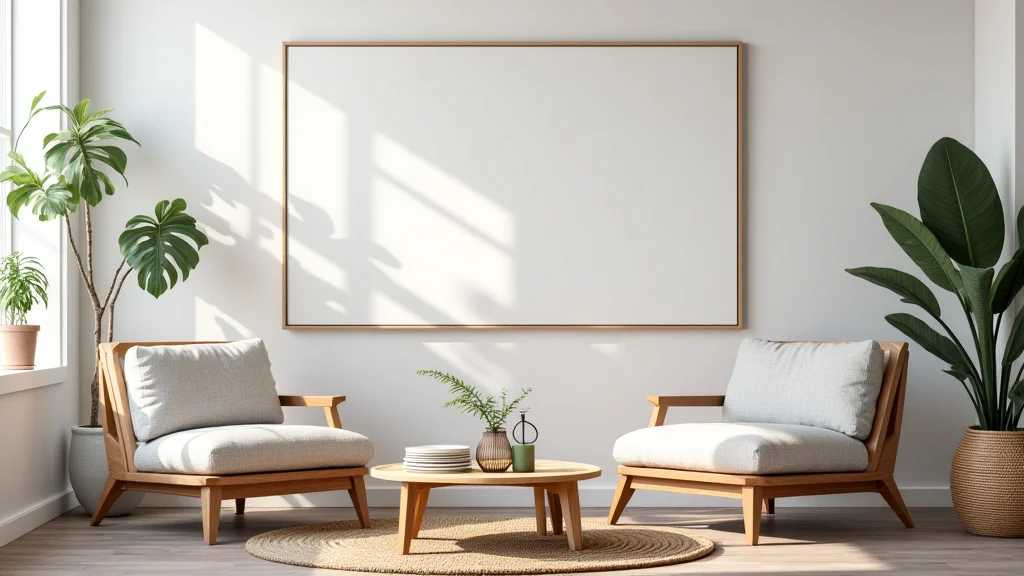
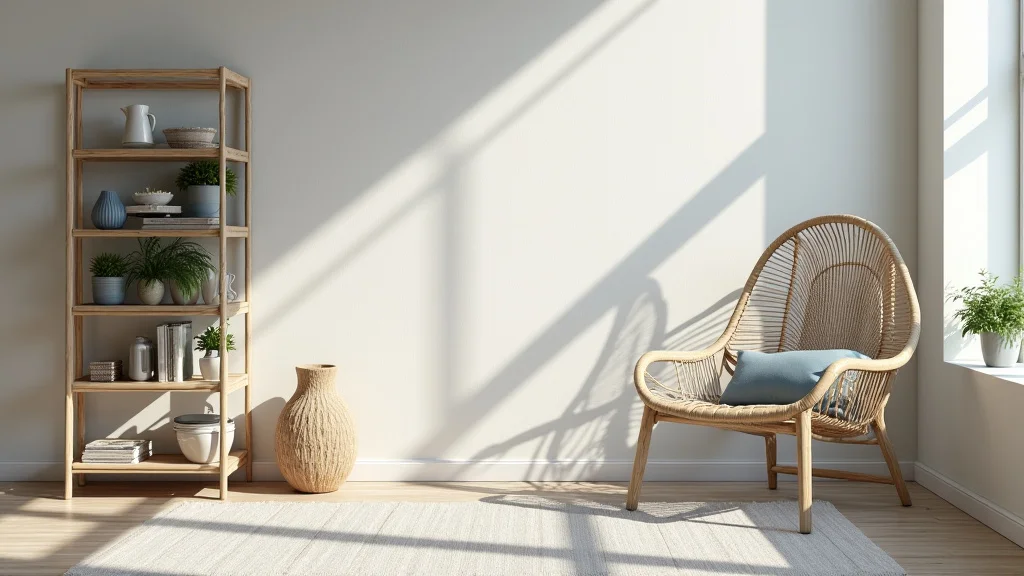
Remember that feeling of flipping through magazines, dreaming of a beautifully decorated home? Maybe you’re already picturing your living room, but something feels… missing? Perhaps you are at a point where you want to reimagine your living space but feel overwhelmed by the possibilities? This guide will help you sort through the options! We’ll explore the myriad of different styles of house decor, from the classic to the contemporary. You’ll gain the knowledge to confidently choose a style that expresses your personality and transform your living space. By the end, you’ll know exactly what’s needed to create a house that truly feels like home, increasing your engagement and making you want to revamp your space.
Key Takeaways
- Discover various different styles of house decor, from traditional to modern aesthetics.
- Learn about the key elements that define each decorating style.
- Gain tips on how to incorporate these styles into your own home.
- Explore examples and visuals to assist your style choices.
- Find inspiration and ideas to match your personal preferences.
- Understand how to blend different styles of decor for a unique look.
Embracing Classic Decor Styles
Classic interior design emphasizes timeless elegance and enduring appeal. It’s a style rooted in tradition, focusing on symmetry, balance, and the use of high-quality materials. It avoids trendy fads and instead draws inspiration from historical periods, creating spaces that feel both refined and welcoming. The goal is to build a feeling of comfort and familiarity through established design principles. This type of decorating often incorporates elements like ornate molding, detailed woodwork, and carefully chosen artwork. Consider it the bedrock of enduring interior design, providing a foundation for other styles or creating a complete, elegant look on its own.
Traditional Design Fundamentals
Traditional design often focuses on a sense of formality and order. Furniture pieces are often carefully chosen for their quality and craftsmanship. The color palettes generally involve neutral backgrounds, such as beige or cream, accented by richer hues like deep reds, greens, and blues. This approach creates a sense of cohesiveness, with a focus on details such as intricate patterns, detailed textures, and the use of quality materials. Symmetry is a huge aspect; elements are often mirrored to provide balance and visual harmony. The overall feeling is one of comfort, stability, and enduring beauty.
- Symmetry and Balance: Designs often utilize mirrored layouts to achieve a sense of order.
- Neutral Color Palettes: Use neutral tones with rich, deep accent colors.
- High-Quality Materials: Focus on durable materials like wood, velvet, and silk.
Symmetry is a cornerstone in traditional interior design. It uses a mirrored layout, creating order and balance. Think of a room where the furniture is arranged in pairs, such as matching sofas, armchairs, or side tables. Artwork is often hung in pairs, too. The goal is to create a sense of harmony and visual stability, which is both aesthetically pleasing and comforting. It’s a design principle that evokes a sense of formality, rooted in classical architecture and design.
Traditional design leans on neutral colors, serving as the basis. Think of beige, cream, or light grey shades for the walls and large furniture pieces. These neutral shades act as a canvas, allowing richer, deeper colors to shine as accents. Consider colors like deep reds, forest greens, or navy blues in upholstery, artwork, or throw pillows. This approach creates visual depth and richness while maintaining a sense of elegance.
High-quality materials are a hallmark of this type of design. Durable materials are selected for their longevity and classic appeal. Think about solid wood furniture, upholstered in velvet or silk, with detailed carvings. Textiles are very important, so you can use these to add texture and sophistication. These materials, when properly maintained, last longer and improve the room’s feel.
Key Elements of Victorian Design
Victorian interior design reflects the opulent aesthetics of the Victorian era. It is characterized by ornate detailing, luxurious fabrics, and a richness of color and texture. Dark wood furniture, elaborately carved, is a central feature. Walls may be adorned with wallpaper patterns. The goal is to create an atmosphere of luxury and sophistication, bringing a sense of history and grandeur to a living space. It’s a very detailed style, often involving a lot of layers and ornamentation. Victorian style is a very specific type of decorating. It really shines in older homes, but it can be adapted to more modern spaces with thoughtful consideration.
- Ornate Detailing: Includes intricate carvings, moldings, and embellishments.
- Rich Fabrics: Velvets, brocades, and damasks add texture and luxury.
- Dark Wood Furniture: Dark woods, often with intricate carvings, set a mood.
Ornate detailing is a hallmark of Victorian design, adding richness and complexity. This includes intricate carvings on furniture pieces, ornate moldings on walls and ceilings, and various decorative embellishments. Look for detailed patterns, such as floral motifs, scrolls, and other detailed designs, on furniture, mirrors, and lighting fixtures. This creates an immersive experience, making spaces feel both elegant and filled with historical significance.
The use of rich fabrics is essential to Victorian interior design. Velvets, brocades, and damasks are common choices. They add texture, depth, and a sense of luxury to the space. Look for these materials on upholstered furniture, window treatments, and decorative pillows. The rich textures and detailed patterns of these fabrics complement other features, such as the dark wood furniture and ornate detailing, creating a cohesive and indulgent aesthetic.
Dark wood furniture is a key element, adding weight and character to a Victorian interior. Dark woods such as mahogany, walnut, and cherry are frequently used. Furniture pieces often have intricate carvings, embellishments, and detailed craftsmanship. Pieces like armoires, dining tables, and sideboards contribute to the formal atmosphere. These pieces serve as focal points and enhance the sense of history and tradition that defines the Victorian design style.
Exploring Modern Decor Styles
Modern styles of different styles of house decor are defined by simplicity, clean lines, and a focus on functionality. There are many different variations, so it can be broken down into various sub-styles. Modern design often incorporates natural materials, neutral color palettes, and a minimalist approach. It emphasizes open spaces, uncluttered surfaces, and an overall sense of calm. The goal is to create a living space that is both stylish and easy to live in. Its adaptable nature makes it accessible. Modern aesthetics are perfect for those who want a practical home that still feels warm and welcoming.
Minimalism and Its Features
Minimalism is a design philosophy that prioritizes simplicity and functionality. It is characterized by clean lines, a limited color palette, and the elimination of clutter. The emphasis is on essential elements, with each item chosen for its purpose and value. The goal is to create a sense of order and serenity, where space is valued and every object serves a specific purpose. This type of decorating is very different from Victorian design. Minimalism in your home can promote a calm and uncluttered living environment.
- Clean Lines and Simple Forms: Undistracted designs are central.
- Limited Color Palette: Neutrals with occasional pops of color provide contrast.
- Functional Furniture: Each piece serves a purpose, reducing clutter.
Clean lines and simple forms are central to minimalist design, contributing to the sense of order. Furniture pieces have simple, geometric shapes with no unnecessary ornamentation. The focus is on functionality and the bare essentials, reducing visual noise. These clean lines create a sense of visual openness, making spaces feel larger and more inviting, while the simplicity gives a sense of calmness.
A limited color palette is a hallmark of minimalist interiors, creating visual harmony. Often, spaces will use neutral colors like white, gray, and beige as the base, creating a calm and expansive environment. Pops of color, introduced through artwork or accent pieces, provide visual interest. This deliberate use of color enhances the simplicity and prevents the space from feeling sterile. It keeps spaces balanced, refined, and visually stimulating.
Functional furniture is essential in minimalist design. Each item must serve a purpose, reducing clutter. Pieces should be chosen for their utility as well as their aesthetic appeal. Multi-functional furniture, such as storage ottomans or fold-out tables, is a great choice. This approach creates a clean and organized living space, aligning with the principles of simplicity. Functionality should always be the priority.
Mid-Century Modern and Its Core Elements
Mid-century modern design embraces the aesthetic of the mid-20th century. It emphasizes clean lines, organic shapes, and a focus on functionality. Key features include the use of natural materials, such as wood and metal, as well as a neutral color palette accented by pops of bright colors. It’s a design that’s about simplicity, with an emphasis on both form and function. This creates a welcoming and visually appealing space. It’s also very practical, which makes it popular.
- Organic Shapes: Natural forms, like curves, are used in furniture and decor.
- Use of Natural Materials: Wood, metal, and natural textures define the look.
- Neutral Color Palette with Pops of Color: Earthy tones and accent hues create balance.
Organic shapes, like curves and rounded forms, are a hallmark of this type of design. These shapes give a contrast to the clean lines and geometric shapes that are also used in mid-century modern design. Think of the curved lines of an Eames chair or the rounded legs of a coffee table. Organic shapes are found in various elements of design, making a space feel more comfortable and natural.
The use of natural materials is very important in this design. Wood, especially teak and walnut, is a common feature, used in furniture, flooring, and paneling. Metals such as brass and chrome are used in lighting fixtures and accents. Natural textures like wool and linen are incorporated in upholstery and textiles. These materials add warmth and character, connecting the space to the natural world. This focus on natural materials adds to the enduring appeal of mid-century modern design.
A balanced color palette is an important aspect of mid-century modern design. Neutral colors, like white, gray, and beige, often serve as a backdrop, creating a sense of calm and visual harmony. Pops of color, like orange, yellow, and turquoise, are introduced through accent pieces such as furniture, artwork, or textiles. This interplay creates visual interest, making the space feel both sophisticated and welcoming.
Contemporary and Other Decor Styles
Contemporary interior design is constantly evolving, reflecting current trends. It incorporates elements of minimalism, modernism, and other styles, but is defined by a feeling of freshness and innovation. Clean lines, a neutral color palette, and the use of natural light are common features. The goal is to create a functional and stylish space that is relevant to the times. Contemporary decor isn’t about following one set style; it’s about a fresh approach, always incorporating new trends. It is ever-changing and adaptable.
Exploring Industrial Design Characteristics
Industrial interior design draws inspiration from old factories and warehouses. It’s characterized by exposed brick, concrete, and metal, creating a raw and edgy aesthetic. The use of reclaimed materials and utilitarian elements is common, giving spaces a sense of history and character. The goal is to create a living space that is both stylish and unique. It’s the perfect design choice if you appreciate raw materials, the beauty of imperfections, and an urban vibe. It’s a very visually appealing style, and it offers great opportunities for creativity and self-expression.
- Exposed Brick and Concrete: Raw materials set the tone and add character.
- Use of Metal and Reclaimed Materials: Industrial touches and a focus on sustainability.
- Utilitarian Elements: Functionality meets style, creating a streamlined look.
Exposed brick and concrete are key elements, providing a raw and urban aesthetic. Brick walls and concrete floors, or exposed structural elements like beams, are often incorporated into the design, giving an industrial vibe. These materials add texture and visual interest, adding to the feeling of history and authenticity. The imperfections of these materials contribute to the style’s unique charm.
Metal and reclaimed materials are important for the industrial style, creating a sense of authenticity. Metal is used in lighting fixtures, furniture frames, and decorative accents. Reclaimed materials like salvaged wood and metal add character and an eco-friendly touch. The use of these materials adds a sense of history and uniqueness to a space. It gives it a rough, lived-in feel.
Utilitarian elements define the industrial style, prioritizing functionality while also adding to the aesthetic. This could include metal shelving, factory-style lighting, and functional furniture. These elements have a simple, practical design, often with exposed mechanisms and hardware. The emphasis on practicality complements the raw materials and creates a cohesive, streamlined look.
The Bohemian Style’s Key Features
Bohemian decor, often called “boho,” is defined by its eclectic mix of patterns, colors, and textures. It is a very free-spirited style that encourages a sense of creativity. There are no rules, and the design relies on personal expression and a curated collection of items from around the world. The goal is to create a living space that feels relaxed, vibrant, and full of character. This type of decorating can accommodate many different tastes. If you want a fun, free-spirited, and personalized space, then Bohemian style may be perfect for you.
- Eclectic Mix of Patterns and Colors: Vibrant and unique.
- Layering of Textures: Fabrics and materials add warmth.
- Incorporation of Global and Vintage Finds: Personal touches add to the design.
A wide variety of patterns and colors are a core feature of Bohemian style. This might include mixing multiple patterns, like floral, geometric, and tribal designs, in fabrics, rugs, and wall hangings. Colors are equally diverse, including rich jewel tones, earthy neutrals, and vibrant accents. This mix creates a visually exciting and layered space.
Layering textures is essential for creating depth and warmth. Textiles are heavily used, like woven rugs, macrame wall hangings, and fringed cushions. These various textures add visual interest and create a very cozy atmosphere. This textural richness adds to the free-spirited, relaxed atmosphere that defines Bohemian design.
Personal touches are important to Bohemian design. Incorporating global and vintage finds creates a unique and eclectic living space. This might include furniture, artwork, or decorative items from different cultures. Vintage pieces add a sense of history and character. These personalized touches reflect the owner’s taste. They create a space that feels lived-in, authentic, and full of stories.
Different Styles of House Decor: Blending and Harmonizing
Mixing and matching different styles of different styles of house decor allows for a unique expression of personal taste. The key is to find common ground. This means considering scale, color, and texture to create a cohesive look. When done successfully, the outcome is a home that feels like a curated work of art, with a layered and inviting aesthetic. There are endless possibilities. This approach allows you to express your individual style and make your space uniquely you.
Strategies for Blending Styles
When mixing styles, start with one dominant style as your base and introduce elements from others. Use a common color palette or consistent materials to tie the elements together. Balance is key. Too many conflicting elements can make a space feel chaotic, so ensure there are spaces where your eye can rest. This approach allows you to create a personalized space. A good place to begin is by creating a mood board.
- Choose a Dominant Style: Use it as a base.
- Use a Common Color Palette: Consistency helps tie elements together.
- Balance and Proportion: Careful consideration avoids a cluttered feel.
Choosing a dominant style is the first step when blending different styles. This means deciding on a primary aesthetic and building your design from there. This dominant style will guide the overall feel and serve as a foundation for other elements. It can be traditional, modern, bohemian, or any other style. This creates a cohesive and balanced design.
A common color palette is essential to create a sense of cohesion. Select a color scheme that ties different styles together. Using a neutral base color throughout the space can unite contrasting elements. Introduce accent colors through artwork, textiles, and decorative accessories to create visual interest. This way, different styles coexist harmoniously.
Balance and proportion are vital in blending styles, ensuring a harmonious result. Pay attention to the size and scale of furniture and décor, ensuring that items complement one another. Avoid overwhelming the space with too many elements. The goal is to create visual flow and prevent the space from feeling cluttered or chaotic. Focus on balance and ensuring each item contributes to the overall aesthetic.
Creating a Cohesive Look
To create a cohesive look, it’s essential to repeat certain design elements throughout the space. Repeating materials, patterns, or colors can tie different styles together. Use lighting and artwork to connect and balance the elements. By applying these methods, you’ll create a seamless and inviting interior that feels intentional. Careful planning ensures that your home reflects your personality and preferences.
- Repeating Design Elements: Helps create unity.
- Using Lighting to Connect Styles: Highlights key features.
- Strategic Use of Artwork and Accessories: Add finishing touches.
Repeating design elements is a method for creating a sense of unity. Using similar materials, patterns, or colors throughout the home creates visual connections and cohesiveness. Think of repeating a specific fabric on different pieces of furniture. This repetition helps to prevent the space from feeling disconnected. These subtle repetitions can significantly improve the design’s flow and harmony.
Use lighting carefully to connect and balance different decor styles. Select lighting fixtures that complement each style. This might include modern pendant lights in a space with traditional furnishings, or vintage-style lamps. Use lighting to highlight key design features, such as artwork, architectural details, or unique furniture pieces. The right lighting can set the atmosphere and tie elements together.
Strategic use of artwork and accessories ties different styles together. Choose artwork and accessories that reflect your personal taste and complement the styles. Vary the types of pieces to balance the styles. Grouping items by color, theme, or material can improve cohesiveness. This helps create a unified appearance. These finishing touches contribute to a curated and well-designed interior.
Common Myths Debunked
Myth 1: You Must Stick to One Style
Many believe that a well-designed home means committing to a single style. While having a clear vision is good, this idea can limit your creativity. The reality is that blending styles offers a very personalized and flexible approach, allowing you to showcase your individuality. The most successful designs often incorporate elements from various styles. These can be adjusted to match your individual preferences.
Myth 2: Mixing Styles Leads to Clutter
A common concern is that mixing styles causes clutter and disorganization. This can be avoided through careful planning and by establishing a unified color scheme. To counter this, it is necessary to consider scale, proportion, and balance. Strategic placement and thoughtful curation of items, rather than a rigid style, are key. By doing so, you can create a beautiful and functional space.
Myth 3: High-End Decor is Always Better
There’s a misconception that expensive decor is always superior. The reality is that a well-designed space depends on careful choices, not necessarily on the cost. Mixing high-end items with affordable finds can create a personalized look. The most successful designs incorporate a combination of different price points. Value is a product of design and personal connection, rather than price.
Myth 4: Modern Design Is Cold and Uninviting
Modern design is sometimes viewed as cold and unwelcoming due to its emphasis on minimalism and clean lines. This is not necessarily the case. Modern designs can be warm and inviting by adding natural textures, warm lighting, and pops of color. Soft textiles, wooden accents, and personal touches can create a sense of comfort and warmth. It’s all about the details and balance.
Myth 5: Bohemian Decor Is Always Chaotic
Some people believe that bohemian decorating is chaotic due to its vibrant mix of patterns and styles. While Bohemian can be eclectic, it doesn’t have to be uncontrolled. The key to successful Bohemian design is careful layering, a cohesive color palette, and incorporating elements of personal meaning. This approach ensures a space is inviting and tells a story.
Frequently Asked Questions
Question: How do I know which style suits me best?
Answer: Think about your daily habits, your personality, and what colors and textures you enjoy. Browse through magazines, social media, and websites to find images of spaces that appeal to you. Consider what draws you to certain designs and how they match your lifestyle.
Question: Can I change my decor style over time?
Answer: Absolutely! Interior design is an ongoing process. Your preferences can change, and your home should adapt. Start with a solid foundation. Then, you can adjust your design through artwork, accessories, and accent pieces.
Question: How can I save money when decorating?
Answer: Balance new purchases with existing pieces. Search for sales, visit thrift stores, and consider DIY projects. Focus on a few essential high-quality items and combine them with more affordable finds. Also, it’s not always necessary to replace everything.
Question: How much space do I need for each style?
Answer: The size of your space doesn’t restrict you from using certain styles. Each style can be adapted to fit different floor plans. Minimalism is well-suited for smaller spaces. However, with careful planning, all styles can be adapted.
Question: What’s the best way to get started?
Answer: Start with a mood board to gather inspiration and define your style goals. Then, consider the layout of your space and any functional needs. Take it step by step, focusing on one room at a time. It’s a process, so enjoy!
Final Thoughts
Exploring different styles of house decor opens a world of possibilities to transform your home. From the timeless elegance of classic designs to the clean lines of modern aesthetics, each style provides its unique appeal. The versatility in these styles lets you express your personality and create a living space that’s truly yours. The key lies in understanding the core principles of each style and finding ways to integrate them into your home. Don’t feel bound by the restrictions of one style. Be willing to experiment, blend styles, and make it your own. Begin by defining your taste. Then, start experimenting with color palettes, textures, and furniture arrangements that feel right. With knowledge and a bit of creativity, you’ll be well on your way to designing the home of your dreams. Embrace the process, have fun, and enjoy the journey.