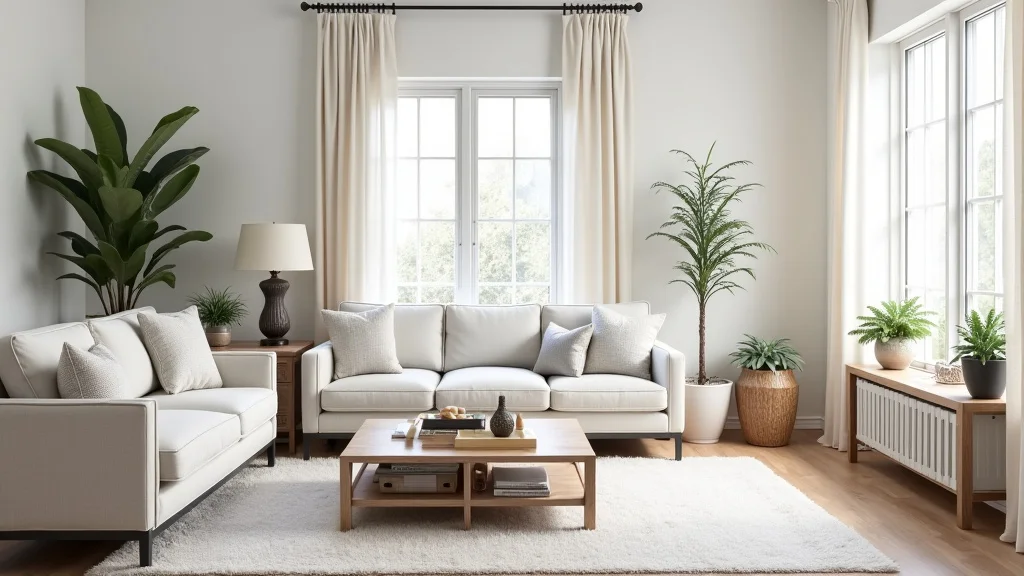
Remember that friend who always had the most stunning home, filled with perfectly curated pieces? You’d walk in, completely captivated, feeling like you’d stepped into a magazine. Feeling a pang of envy? You’re not alone! Many people struggle with their home decor style, feeling overwhelmed by choices and unsure where to start. This guide aims to take the guesswork out of finding your home decor style. You’ll gain a clear framework and actionable steps to create a home that reflects your personality. Get ready to discover your design aesthetic and create the space you’ve always envisioned!
Key Takeaways
- Learn how to identify your personal preferences and needs.
- Discover different decor styles, from classic to contemporary.
- Explore how to create mood boards to visualize your design ideas.
- Understand the importance of considering your lifestyle in your design.
- Find out how to incorporate color and texture effectively in your space.
- Learn where to source decor items that fit your budget and style.
Uncovering Your Personal Preferences
The first step in finding your home decor style is understanding yourself. This means exploring your likes, dislikes, and how you want your space to make you feel. It’s about more than just picking pretty things; it’s about crafting an environment that supports your daily life and reflects your personality.
Assessing Your Current Space
Before you get carried away with Pinterest boards and store visits, take a good look at your current living space. What do you already have? What do you love about it? What do you dislike? This assessment provides a foundation to build on. Observing what works and what doesn’t is an essential part of the process.
- Take Inventory: Walk through each room and make a list of everything you own. Note the furniture, decor items, and anything else that currently fills your space.
- Identify What You Love: What are the pieces you’re most drawn to? What makes you smile when you see them? Which items do you get the most compliments on?
- Identify What You Dislike: What feels out of place? What doesn’t function well? What clashes with the rest of your space?
- Note the Functionality: Does the space work for your lifestyle? Is it comfortable, efficient, and practical for daily living?
This inventory gives you a snapshot of what you already have. It allows you to identify your starting point and the items you may want to keep, repurpose, or replace as you move forward. It also reveals the amount of space and existing items that you must account for when you start planning your redecorating.
These pieces are your design anchors. They provide clues to your style preferences. They can be items you already own, inherited, or purchased. Consider the details: Do they have a certain color, texture, or shape in common? These details are important in helping you establish your style preferences.
Recognizing the things that don’t work is just as important as identifying what you love. It helps you clarify your needs and design direction. Be honest. What colors or styles make you feel uncomfortable? Do certain furniture pieces feel impractical or clunky? These observations will guide you in making better decisions.
Functionality should always be at the forefront when considering how to personalize a space. Do you have adequate storage? Is the layout conducive to your activities? Think about how you use each room throughout the day, and use that to tailor your style preferences. Answering these questions helps you ensure that the new design fits your needs.
Exploring Your Lifestyle and Needs
Your lifestyle profoundly influences your home decor choices. Consider your daily habits, hobbies, and social interactions to create a space that complements your life. Do you entertain often? Do you work from home? Do you have pets or children? These elements will influence the design choices that work best for you.
- Consider Your Daily Routine: How do you spend your days? What activities do you do in each room?
- Think About Your Hobbies: Do you enjoy reading, painting, crafting, or playing games? Your hobbies should be reflected in your space.
- Consider Your Social Life: Do you frequently host guests? Do you prefer intimate gatherings or large parties?
- Assess Practical Considerations: Do you have children or pets? What are your storage needs? Consider how these elements will affect your choices.
Consider your morning rituals, how you work, where you relax, and how you unwind. If you work from home, you’ll need a dedicated workspace that supports productivity. If you love to cook, a functional kitchen design is essential. Tailor your home to accommodate your activities.
If you’re a book lover, a comfortable reading nook with good lighting and a cozy chair is essential. If you enjoy crafting, you’ll need a dedicated crafting area with ample storage. Incorporating your hobbies into your design ensures that your home reflects your passions.
If you love to entertain, you’ll need a dining area that suits the size of your gatherings, comfortable seating, and an easy flow for guests. If you prefer quiet evenings, you might prioritize cozy seating areas and soft lighting. Your social needs will dictate space planning and decor choices.
Families with children will need durable, easily cleanable materials and kid-friendly furniture. Pet owners will want scratch-resistant fabrics and pet-friendly design elements. Evaluate your storage needs and select furniture that incorporates storage solutions. Consider your practical needs while finding your home decor style.
Discovering Different Decor Styles
Now comes the fun part: exploring different home decor styles. It’s helpful to become acquainted with the spectrum of popular design aesthetics, from classic to contemporary, minimalist to maximalist, and everything in between. Many people find their style is a blend of several styles. This is perfectly normal!
Exploring Popular Design Aesthetics
Familiarizing yourself with the characteristics of different styles provides a vocabulary to describe your preferences and guide your design choices. Do some research and identify what speaks to you most, then explore it in depth.
- Modern: Characterized by clean lines, a neutral color palette, and a focus on functionality. Materials like metal, glass, and steel are often used.
- Minimalist: Similar to modern, but even more streamlined. The focus is on essential items and a clutter-free environment.
- Traditional: A classic style featuring ornate details, rich colors, and formal arrangements. Furniture is often antique or antique-inspired.
- Bohemian: This style celebrates individuality, with a mix of patterns, textures, and global influences. It’s often colorful and relaxed.
- Farmhouse: This style is a warm, inviting style that draws inspiration from rustic, country living. It often incorporates natural materials like wood and linen.
Modern design emphasizes simplicity and avoids excessive ornamentation. Furniture is often sleek and geometric. Rooms have a sense of openness and airiness. If you favor functionality and minimalist aesthetics, you may appreciate this style. Look to incorporate elements like a modern sofa and contemporary lighting.
Minimalist spaces have a feeling of calm and order. The color palette is often monochromatic, with an emphasis on texture rather than patterns. If you value simplicity and serenity, minimalism could appeal to you. This style is also budget-friendly, as it focuses on buying less.
Traditional homes often feel comfortable and inviting. The style embraces symmetry and balance, with carefully curated decor elements. If you love history and classic elegance, this is a strong choice. To achieve this look, incorporate pieces like a tufted sofa, antique accents, and patterned wallpaper.
Bohemian spaces feel warm, lived-in, and eclectic. They often feature layered textiles, such as rugs and throws, and a collection of unique items. If you love self-expression and travel, this style offers boundless inspiration. Explore patterns and textures, as well as natural materials.
Farmhouse designs commonly embrace a neutral color palette, with touches of earthy tones and natural textures. Furniture often features distressed finishes and vintage-inspired elements. If you prefer casual comfort and charm, you may find that this style resonates with you. Use natural wood furniture and add touches of vintage decor.
Identifying Your Favorite Elements
Rather than committing to one specific style, it’s very helpful to identify the elements you enjoy most. Are you drawn to the clean lines of modern design, the cozy textures of Bohemian style, or the timeless elegance of traditional design? You can incorporate these elements into your personal style.
- Create a Visual Board: Gather images of rooms, furniture, and decor that you love.
- Explore Color Palettes: Do you gravitate towards neutral tones, bold hues, or a mix of both?
- Consider Textures and Materials: Do you prefer smooth surfaces, rough textures, natural materials, or something else?
- Identify Common Themes: What do the images you like have in common? What colors, styles, and elements do you consistently select?
This is a way to visually identify common themes and preferences. It helps you understand what appeals to you. These images can be drawn from magazines, online platforms, and other sources that you use. Once you start compiling these images, start looking for repeating colors, shapes, and textures.
Color is a powerful tool in interior design. It sets the tone for your space. Research colors that suit your personality and lifestyle. Consider how the colors will affect the overall atmosphere. Will you prefer a palette that fosters calm, or one that sparks energy?
Textures and materials add depth and interest to your space. Experiment with different combinations. Do you enjoy the softness of velvet, the warmth of wood, or the sleekness of glass? Thinking about texture will help you define what makes you feel comfortable. Look for tactile fabrics and materials that engage your senses.
Once you’ve done this, start to see a pattern emerge. These shared features reveal your style preferences. They help you pinpoint your ideal aesthetic, guiding future choices. For example, if you consistently gravitate toward a combination of whites, woods, and natural elements, it is very likely that you enjoy a farmhouse style.
Creating a Mood Board
A mood board is a visual tool that helps you bring your design ideas to life. It’s a collage of images, colors, textures, and materials that represent your chosen style. It is also an excellent tool when you are finding your home decor style.
Gathering Inspiration and Materials
Your mood board becomes your visual compass, making it much easier to select furniture, decor, and other elements. Begin by compiling images, fabric swatches, paint chips, and anything else that inspires you. All of these components help to communicate your design ideas.
- Collect Images: Source images from magazines, websites, social media, and any other sources that spark inspiration.
- Choose Colors: Select a color palette that reflects your preferences and the mood you want to create in your space.
- Gather Textures and Materials: Collect samples of fabrics, wood finishes, and any other materials you plan to incorporate into your design.
- Select Key Pieces: Include images or sketches of furniture and decor items you plan to include in your space.
Choose images of rooms, furniture, decor items, and architectural details that reflect your desired style. Save images that contain the colors, textures, and overall atmosphere that appeals to you. Having many images provides the raw materials to work from.
Obtain paint chips, fabric swatches, and images of items that feature your chosen colors. These items should set the tone of your space, reflecting your preferences and helping you see how colors will come together. Experiment with different combinations, paying attention to the way the colors interact.
Consider the textures and materials that appeal to you. For example, do you enjoy the soft feel of velvet, the warmth of wood, or the smoothness of glass? Gathering these samples helps you visualize the various elements of your space. It allows you to feel the various materials.
Select the key items that will define the space. For example, if you are drawn to a modern aesthetic, add an image of a minimalist sofa. Including these items gives you a clear sense of how the various elements will complement each other.
Assembling Your Mood Board
Once you’ve gathered all your materials, the fun begins! You can create a physical mood board by arranging your images and samples on a poster board or digital mood board using software or online tools. There is also the freedom of creating a mood board that is either organized or chaotic.
- Choose a Format: Decide whether to create a physical mood board or a digital one.
- Arrange Your Elements: Arrange your images, colors, textures, and materials on the board.
- Refine Your Design: Evaluate the overall aesthetic and make adjustments as needed.
- Use it as a Guide: Once your mood board is complete, use it as a guide as you shop for furniture and decor.
Physical mood boards can be helpful for the tactile experience and visual organization. They give you the opportunity to create something very tangible. Digital mood boards are useful because they allow you to easily drag and drop, edit, and share. Whichever format you choose, it should work for you.
Think about how the different elements interact. Do the colors complement each other? Does the texture add visual interest? Don’t be afraid to experiment, rearrange, and try out different combinations. Your board may evolve as you refine your vision.
Does the mood board reflect your vision for the space? Does it tell a story? Do you need to add, remove, or
The mood board provides a framework for making decisions, ensuring that everything you select aligns with your chosen style. When browsing furniture stores or shopping online, refer back to your mood board to help you stay focused and to ensure that your purchases are cohesive.
Incorporating Color and Texture
Color and texture are crucial elements of interior design. They have the power to transform a space, affecting both its appearance and the emotions it evokes. Understanding how to use these elements to your advantage is essential when finding your home decor style.
Using Color to Set the Tone
Color is one of the most powerful tools in your design arsenal. It sets the mood, defines the space, and reflects your personality. When choosing a color palette, consider the effect you want to achieve.
- Understand Color Psychology: Learn about the emotional impact of different colors.
- Choose a Palette: Select a color palette that complements your chosen style and your personality.
- Consider Light and Space: How does natural and artificial light affect the color in your space?
- Use Color in Layers: Incorporate color in layers, from walls and furniture to decor items and accessories.
Certain colors trigger psychological responses. For example, blue often evokes feelings of calm and serenity, while red can stimulate energy and excitement. Yellow can create a feeling of warmth, while green can promote tranquility. Understanding these effects will help you create a mood that aligns with your design preferences.
Start with a base color, such as a neutral tone like white, gray, or beige, and add complementary accent colors. Create a palette that will create the desired atmosphere. A monochromatic palette features variations of a single color, while an analogous palette uses colors that are next to each other on the color wheel.
Consider the amount of natural light your space receives. Darker colors will make a room feel smaller, while lighter colors will make it feel more expansive. The way the light interacts with the color during the day and evening will also influence your choices. Use light to complement and enhance your color selections.
Start with the larger elements and then gradually introduce accents of color through art, pillows, throws, and decorative objects. By layering color, you create visual interest and depth. Layering helps to create a cohesive and well-designed space.
Adding Texture to Enhance Visual Interest
Texture adds depth, warmth, and visual interest to a space. It can soften harsh lines, create a sense of comfort, and add layers of character. Explore materials that provide a variety of sensory experiences.
- Consider Different Materials: Use a variety of materials with diverse textures, like wood, fabric, metal, and glass.
- Incorporate Layered Textures: Layer textures with rugs, pillows, throws, and curtains.
- Use Texture on Walls: Incorporate texture on walls with wallpaper, paneling, or textured paint.
- Balance Textures: Balance contrasting textures to create a cohesive design.
Each material brings its own unique character to a space. Wood adds warmth and natural beauty. Fabric brings comfort and softness. Metal provides a sleek, modern touch. Glass adds a touch of elegance. The key is to select materials that complement each other and create a cohesive design.
Combine smooth surfaces with rough textures, soft fabrics with hard materials. Layering creates visual interest and depth. Mix and match different fabrics to create a comfortable and inviting atmosphere. Experiment with textures to see what works best in your space.
Consider textured wallpaper or paneling to add depth and dimension to your walls. Use textured paint to create a subtle but impactful effect. By introducing texture on your walls, you can transform the atmosphere of the room, adding warmth and visual appeal.
If you’re using rough textures, balance them with softer fabrics or smoother surfaces. Avoid using too much of a single texture. Consider your overall style when deciding which textures will best complement your space. A well-balanced room is more comfortable and inviting.
Sourcing Decor and Staying Within Budget
Once you have a clear vision for your style, it’s time to shop! Finding decor that reflects your taste and budget is a crucial part of finding your home decor style. There are many options, from high-end boutiques to discount stores and online platforms.
Exploring Budget-Friendly Decor Options
Decorating your home doesn’t have to break the bank. Several budget-friendly options allow you to achieve your desired aesthetic without overspending. There are many ways to get creative and save money.
- Shop at Discount Stores: Explore stores like Target, HomeGoods, and Marshalls for affordable decor.
- Browse Online Marketplaces: Explore online marketplaces such as Facebook Marketplace and Craigslist.
- Visit Thrift Stores: Discover unique pieces and hidden gems at thrift stores and antique shops.
- Embrace DIY Projects: DIY projects can add personality to your home.
These stores offer a wide selection of furniture, accessories, and home decor items. You can often find great deals on trending styles. These stores are known for their ever-changing inventory, allowing you to discover unique finds. Visit these stores regularly to find items that fit your style.
These platforms offer a wide variety of furniture and decor items at discounted prices. You may be able to find used pieces, vintage finds, and DIY projects. These sites can be a treasure trove of budget-friendly items. Search for specific items to identify the ideal piece for your space.
These stores offer a treasure trove of budget-friendly items. You can often find unique furniture, decor items, and vintage finds. Look for items that fit your aesthetic, and don’t be afraid to reimagine them with paint or other modifications. Thrift stores are good for finding interesting pieces.
Find inspiration online, and create your own artwork, furniture, or decor items. This is a very cost-effective way to get what you want, plus it allows you to get creative. Start with simple projects, such as painting old furniture or making your own decorative pillows. The possibilities are endless.
Balancing Quality and Price
When shopping for decor, it’s essential to strike a balance between quality and price. Investing in a few high-quality pieces can be more valuable than buying many inexpensive items that may not last.
- Prioritize Quality Pieces: Focus on buying high-quality pieces that will last for years.
- Consider Durability: Look for furniture and decor items that are made from durable materials.
- Read Reviews: Read reviews of products before making a purchase.
- Take Advantage of Sales and Discounts: Look for sales, promotions, and discounts to save money.
Invest in durable furniture pieces, such as sofas and beds, made from sturdy materials. Choosing quality ensures that you will not have to
Choose fabrics and materials that are resistant to wear and tear. If you have children or pets, select easy-to-clean materials. Investing in durable items saves money in the long run. Durability will ensure that your home decor can handle the wear and tear of daily living.
See what other customers have to say about the quality and durability of the items. Pay attention to the materials used, the construction, and the overall value for the price. Read customer feedback to evaluate a product before committing to a purchase.
Take advantage of seasonal sales, clearance events, and discount codes. Sign up for newsletters to receive alerts about sales and promotions. You can often save a significant amount of money when you are on the lookout for a good deal. Planning and patience are good allies here.
Common Myths Debunked
Myth 1: You need a huge budget to create a stylish home.
Reality: You don’t need to spend a fortune to achieve a stylish home. With creativity, smart shopping, and DIY projects, you can decorate a space that reflects your personality without breaking the bank. There are several budget-friendly options, such as discount stores, online marketplaces, and thrift stores.
Myth 2: You must perfectly match all the elements in your home decor.
Reality: Perfection is not the goal. A well-designed home celebrates the mix. Embrace a variety of colors, textures, and styles to create a space that feels personal and unique. A curated home should have personality. The key is to find balance.
Myth 3: Decorating your home is a quick process.
Reality: Decorating can take time. Give yourself space to explore and experiment. It is a process of self-discovery. Take your time when finding your home decor style. Don’t rush; allow your style to evolve.
Myth 4: You must follow trends.
Reality: While it is good to explore current design ideas, the goal is to create a home that feels like you. Focus on choosing elements that reflect your taste and lifestyle. Choose what makes you happy, not what everyone else is doing.
Myth 5: You must be a professional designer to create a beautiful home.
Reality: Anyone can create a beautiful home. It’s about self-discovery, learning about your preferences, and finding inspiration. With research, exploration, and practice, you can transform your space. You can gain the skills to create a home you love.
Frequently Asked Questions
Question: How do I choose a color palette?
Answer: Consider your style and the mood you want to create. Start with a neutral base color and then add 2-3 accent colors that complement your base.
Question: How can I make my small space look larger?
Answer: Use light colors, mirrors, and strategic furniture placement to maximize space. Minimize clutter.
Question: What’s the best way to incorporate texture?
Answer: Use a variety of textures, from soft fabrics to rough wood. Layer textures to add visual interest.
Question: How do I mix different styles?
Answer: Start with a common thread, like a shared color palette or material, to unify your space. Add pieces from different styles to create visual interest.
Question: How often should I redecorate?
Answer: There is no set schedule! Redecorate when your needs or style preferences evolve. It’s an ongoing process.
Final Thoughts
Finding your home decor style is an exploration of self and an exciting opportunity to create a space that truly reflects who you are. Remember, it’s not about achieving perfection. It’s about crafting an environment that feels comfortable, functional, and deeply personal. Embrace the journey of discovery, experiment with different styles and ideas, and trust your instincts. Look at your home as a reflection of you. Keep gathering inspiration. Be open to new ideas, and don’t be afraid to try something unexpected. The most important thing is that your home feels like yours! With a little effort and self-awareness, you can create a space that you’ll adore for years to come.