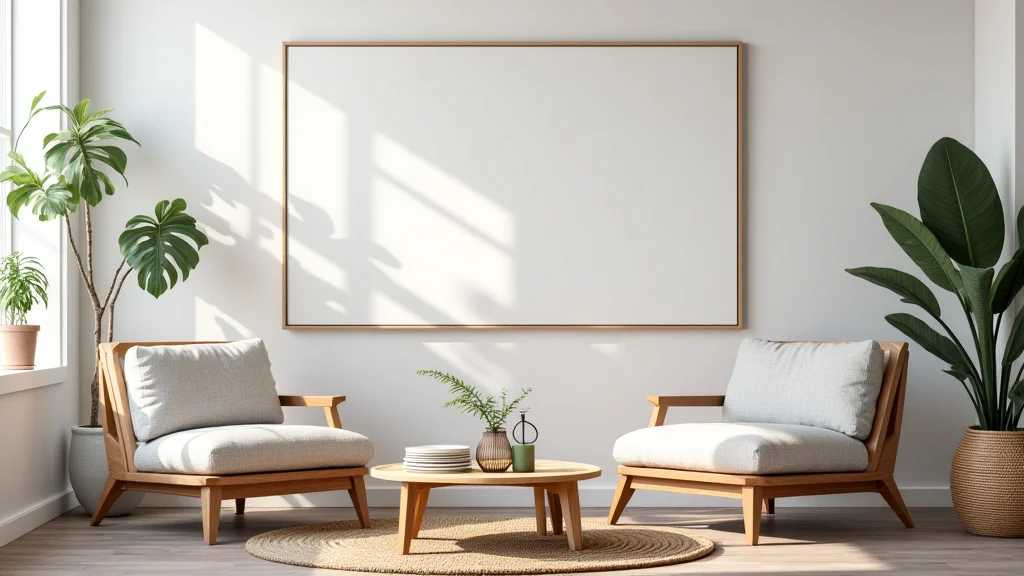
Ever feel overwhelmed flipping through home design magazines, wondering how to make your space uniquely “you”? Maybe you’re staring at your living room, dreaming of a makeover but unsure where to begin. You’re not alone! Choosing a style for your home is an exciting process, and the compare two home decor styles offered by Modern and Bohemian designs often tops the list. This post breaks down the core elements of each style, helping you choose the best fit for your personality and lifestyle. You’ll gain a clearer picture of which aesthetic aligns with your preferences, ultimately making the design process a whole lot easier and more enjoyable.
Key Takeaways
- You will learn the core characteristics that define Modern and Bohemian design.
- You’ll discover the key differences in furniture, color palettes, and overall atmosphere.
- You’ll gain insight into how to incorporate elements of both styles to create a personalized space.
- You’ll understand the practical considerations for each style, like budget and maintenance.
- You can decide which home decor styles best reflect your taste.
- You’ll find resources to assist you in getting started on your design endeavor.
Modern Design: Clean Lines and Functional Spaces
Modern design is often the go-to aesthetic for those seeking a sleek, uncluttered, and functional living space. Think of crisp lines, neutral color palettes, and an emphasis on the form following function. This style has its roots in the early 20th century, emerging as a rebellion against ornate Victorian design. It embraces minimalism, valuing simplicity and the absence of excess.
The core concept of Modern design is to create a space that is efficient and comfortable. A well-designed Modern home is a testament to the belief that beauty lies in simplicity. The focus is on the essential, avoiding unnecessary adornments and focusing on how the space is used, ensuring a peaceful and uncluttered home environment.
Hallmarks of Modern Style
Modern design showcases several key elements that define its distinctive aesthetic. These elements collectively shape a space that is both visually appealing and highly functional. It’s a look that prioritizes a clean, organized, and straightforward approach to interiors.
- Clean Lines and Geometric Shapes: The hallmark of Modern design is the use of straight, unadorned lines and geometric forms. Furniture pieces often feature sharp angles and a lack of ornamentation. This focus on geometry creates a sense of order and structure.
- Neutral Color Palette: Modern interiors typically embrace a palette of neutral colors. Whites, grays, beiges, and blacks serve as the foundation, providing a sense of spaciousness and versatility. Pops of bolder colors are often introduced through accent pieces or artwork.
- Minimalist Approach: Embracing a minimalist philosophy is central to Modern design. The focus is on functionality and the elimination of clutter. Each item in the space should have a purpose. Decorations are kept to a minimum, and storage solutions are often hidden or integrated into the design.
- Use of Natural Materials: Modern design often incorporates natural materials such as wood, stone, and metal. These materials bring warmth and texture to the clean aesthetic. These elements offer a contrast to the sleek lines and smooth surfaces that characterize the style.
A Modern home often features furniture with rectangular or square silhouettes. Think of a sofa with a simple, boxy shape or a dining table with a sleek, minimalist design. The absence of curves and embellishments contributes to the overall feeling of simplicity and precision. This extends to the architectural details, with flat walls, minimal molding, and flush surfaces, all reinforcing the clean aesthetic.
The limited use of color creates a calming and sophisticated atmosphere. The neutral base acts as a blank canvas, allowing the architectural features and furniture to take center stage. Pops of color, when used, are often strategic – a vibrant painting, a colorful throw pillow, or a brightly colored vase can add personality without overwhelming the space. This approach allows for flexibility, as the color scheme can be easily updated or modified.
The goal is to create a space that feels open, airy, and uncluttered. This does not mean a lack of comfort, but rather a focus on essential items that serve a specific function. Minimalist decor often consists of a few carefully chosen pieces of art, a plant or two, and functional items like a stylish desk lamp. The emphasis on ‘less is more’ contributes to a sense of calm and order.
Natural materials add an element of sophistication and grounding to a Modern interior. Wooden floors, stone countertops, and metal accents provide visual interest and a sense of luxury. These materials also contribute to the durability and longevity of the design. The integration of nature contributes to the creation of a balanced and inviting space.
Furniture in a Modern Home
Furniture choices are critical when crafting a Modern space. The pieces selected must align with the core principles of the style, which prioritizes clean lines, functionality, and a sense of simplicity. From sofas to dining tables, each element is thoughtfully chosen to create a cohesive and stylish environment.
- Emphasis on Functionality: Modern furniture prioritizes usability. Pieces are designed with practical purposes in mind, incorporating efficient storage solutions and ergonomic designs. Each item should have a clear function.
- Clean Lines and Simple Silhouettes: Modern furniture is characterized by its simplicity. Furniture often features straight lines, geometric shapes, and a lack of ornamentation. Curves and embellishments are typically avoided in favor of streamlined designs.
- Quality Materials: The materials used in Modern furniture are typically of high quality. Wood, metal, leather, and glass are common choices, selected for their durability and aesthetic appeal. These materials add a sense of luxury and sophistication.
- Low Profile Design: A low profile for furniture is a common feature in Modern interiors. This can make the room feel more spacious and open. Sofas, beds, and chairs are often designed with lower seat heights, helping create a sense of visual openness.
A Modern sofa may have integrated storage, a dining table might feature an extendable leaf for accommodating guests, and a desk would be designed for comfort and ease of use. This focus on functionality eliminates unnecessary elements and ensures that the space is conducive to daily living.
Think of a sofa with a boxy shape, a dining table with a rectangular top and simple legs, or a chair with a minimalist metal frame. The absence of intricate details and decorative elements contributes to the overall aesthetic of order and clarity. The furniture is usually functional and visually appealing.
The durability of the furniture reflects the value placed on longevity, ensuring that pieces are designed to last. Leather sofas, wooden dining tables, and metal-framed chairs are common examples. The emphasis on high-quality materials means that the furniture not only looks good but also can withstand the test of time.
Lower furniture pieces contribute to the clean lines of the design and enhance the flow of the space. This design approach creates a more relaxed and comfortable atmosphere, promoting ease of movement and visual harmony throughout the home. Low profile furniture adds a modern touch.
Color Palettes in Modern Interiors
The Modern style typically favors a neutral color palette. This approach creates a sense of spaciousness, simplicity, and sophistication. However, the exact color choices and their application can vary to create different effects. Color is used deliberately.
- Neutral Base with Accents: The foundation of a Modern color palette often consists of neutral tones such as white, gray, beige, and black. These colors create a calming backdrop that allows the architecture, furniture, and any accent colors to stand out.
- Monochromatic Schemes: Some Modern interiors use a monochromatic color scheme. This approach involves using different shades of the same color to create a cohesive look. For example, a room might incorporate different shades of gray, ranging from light to dark.
- Strategic Pops of Color: While the foundation is typically neutral, Modern design often incorporates strategic pops of color through accent pieces, artwork, or textiles. These bursts of color add personality, visual interest, and a focal point to the space.
- Contrast and Texture: In a Modern setting, contrast is often introduced through the use of different textures and materials. This may include combining smooth surfaces with rough textures, like a sleek leather sofa against a textured wool rug.
The neutral base is a versatile foundation that offers a sense of spaciousness and flexibility. White walls can make a room feel brighter and more open, while gray walls can add a sense of sophistication. These neutral shades create a timeless backdrop and easily complement various design styles.
Monochromatic color schemes create a sense of harmony and tranquility. They allow the eye to move smoothly through the space, and they are particularly effective in small rooms, as they can visually expand the area. The variations in tone add depth and interest without overwhelming the senses.
Bold colors can be introduced through throw pillows, rugs, paintings, or decorative objects. These pops of color can be easily changed, allowing for flexibility and adaptability. The use of accent colors provides contrast and helps to avoid monotony.
Texture adds depth and interest to the space, keeping it from feeling flat or sterile. This contrast also adds warmth and visual appeal. The interplay of different textures creates a balanced and inviting environment.
Bohemian Design: Free Spirit and Global Influences
Bohemian design is all about embracing a free-spirited lifestyle. It’s an eclectic style that celebrates individuality, creativity, and self-expression. It often incorporates elements from various cultures, time periods, and design styles, creating a unique, layered, and visually rich environment. It’s a look that prioritizes comfort, warmth, and the incorporation of personal treasures.
This design style encourages mixing and matching, allowing for a space that reflects your personality and life experiences. It’s about creating a home that tells a story and feels lived-in. The space reflects a relaxed and informal approach to living, valuing comfort over precision.
Hallmarks of Bohemian Style
Bohemian design possesses several distinguishing characteristics that help create its relaxed, layered, and globally-inspired aesthetic. These elements collectively make up a space that reflects a free-spirited and creative approach to interior design.
- Rich Colors and Patterns: Bohemian interiors are known for their vibrant and eclectic color palettes, often featuring warm, earthy tones combined with bold, saturated hues. Patterns are abundant, mixing and matching to create a visually dynamic space.
- Natural Materials and Textures: Natural materials, like wood, rattan, and linen, are a staple of Bohemian design. A variety of textures, from woven rugs to macrame wall hangings, add depth and visual interest, creating a tactile and inviting atmosphere.
- Global Influences: Bohemian design draws inspiration from a wide range of cultures, often incorporating elements from the Middle East, Africa, and Asia. This can include textiles, furniture, and decorative objects from around the globe.
- Personal Collection and Eclectic Decor: Bohemian interiors are characterized by an eclectic mix of furniture and decor items, often including personal collections, vintage finds, and handmade pieces. This mix creates a sense of individuality and uniqueness.
Deep reds, oranges, yellows, greens, and blues are common choices, inspired by various cultures and traditions. Patterns such as floral prints, geometric designs, and ethnic motifs are layered together, creating a sense of visual interest and complexity. The bold use of color and pattern allows for a creative and expressive design.
The use of natural materials helps to create a connection to the natural world. Woven baskets, wooden furniture, and linen curtains are common examples. The layering of textures, from soft blankets to rough-hewn wooden tables, adds warmth and character. These materials provide a cozy, lived-in feel.
This style emphasizes a global perspective, celebrating the beauty of cultural diversity. A Bohemian home might feature Moroccan rugs, Indian textiles, or African masks. These items add personality and tell a story, reflecting the homeowner’s travels and experiences. The incorporation of global elements creates an atmosphere of adventure and exploration.
This style is a celebration of individuality. The decor often includes items that have personal significance or tell a story. This could include a collection of antique books, a vintage record player, or handmade artwork. The eclectic mix of items reflects the owner’s personality, creating a home filled with character and charm.
Furniture in a Bohemian Home
Furniture choices are very important in a Bohemian space. The furniture is often comfortable, stylish, and reflective of a relaxed lifestyle. There are no rules, and a mix-and-match approach is very common.
- Comfortable and Relaxed Pieces: The focus in a Bohemian home is comfort. Soft, inviting furniture is key, such as plush sofas, oversized cushions, and low-slung seating.
- Vintage and Antique Finds: Bohemian design often incorporates vintage and antique furniture, which adds character and history to the space. These pieces bring a sense of uniqueness and depth, often showcasing a history.
- Woven and Natural Materials: Furniture made from natural materials, such as rattan, wicker, and wood, is a prominent feature in Bohemian interiors. These pieces bring a connection to nature.
- Layering of Textiles: Textiles are essential in a Bohemian home. They are layered on furniture and used as wall hangings and rugs. These pieces add a rich visual interest.
Furniture is designed for lounging and relaxation. Large, comfortable sofas covered in soft fabrics, such as linen or velvet, are common. Oversized cushions and floor pillows add to the comfort factor, creating a space where people feel invited to relax and unwind.
The unique, worn character of these pieces adds visual interest and tells a story. A vintage coffee table, an antique armchair, or a repurposed chest of drawers can add personality. These finds give the home a lived-in and layered look.
The texture and warmth of natural materials contribute to the overall relaxed and inviting atmosphere. A woven rattan chair, a wooden side table, or a wicker headboard adds visual interest and a touch of organic charm. These materials also provide a sense of authenticity and a connection to the earth.
Textiles introduce color, pattern, and texture to the space. A layered approach is common, such as placing a patterned rug over a solid rug, or layering blankets and cushions on a sofa. This creates a sense of depth and dimension. This approach enhances the cozy feel.
Color Palettes in Bohemian Interiors
A Bohemian color palette is rich, warm, and inviting. It’s a space that’s not afraid to use color to create a warm and cozy environment. The use of color is a way to express individuality and add personality.
- Warm Earthy Tones: The foundation of a Bohemian color palette typically incorporates warm, earthy tones. Browns, tans, oranges, and reds create a sense of warmth and comfort. These colors create a welcoming environment.
- Vibrant Accents: Bold and vibrant colors are used as accents. Bright yellows, blues, greens, and purples are added through textiles, artwork, and decorative objects. These colors create visual interest and personality.
- Mixing and Matching: Bohemian design embraces the freedom to mix and match colors and patterns. This results in a layered and visually interesting space. There are no limits to the color combinations used.
- Use of Metallics: Metallic accents, such as gold, silver, and copper, are often incorporated into Bohemian interiors. These accents add a touch of glamour. Metallic accents bring a sense of luxury.
Earthy tones provide a cozy and inviting backdrop for the more vibrant elements. These colors are inspired by nature, and they bring a sense of grounding and stability to the space. These shades promote relaxation and create a sense of harmony.
These accent colors add a pop of energy and a sense of playfulness. They often reflect cultural influences. They are often used in patterned textiles, artwork, and decorative accessories. These pops of color bring vitality and energy.
Mixing and matching colors and patterns is a key element of the Bohemian style. A space might feature a combination of various colors, creating a unique and expressive environment. The mix of colors reflects a sense of adventure and individual style.
Metallic accents add a touch of sophistication and glamour. They can be introduced through decorative objects, lighting fixtures, or furniture. Metallic accents can be incorporated in picture frames.
Comparing the Styles: Modern vs. Bohemian
When you compare two home decor styles, it is easier to see the differences. Modern design emphasizes functionality, clean lines, and a minimalist approach. Bohemian design celebrates individuality, global influences, and an eclectic mix of elements. Comparing them side-by-side helps highlight their distinguishing features.
| Feature | Modern Design | Bohemian Design |
|---|---|---|
| Color Palette | Neutral with pops of color | Rich and vibrant with warm earthy tones |
| Furniture | Clean lines, simple silhouettes, high quality | Comfortable, vintage, natural materials |
| Materials | Wood, metal, stone, glass | Wood, rattan, linen, natural fibers |
| Decor | Minimalist, functional, curated | Eclectic, personal collections, global influences |
| Overall Aesthetic | Sleek, organized, and functional | Relaxed, layered, and free-spirited |
The contrasting approaches offer very different moods and atmospheres, but both can create a comfortable and stylish home. Considering your personal preferences and lifestyle will lead you to choose the best option.
Myth Debunking
Myth 1: Modern Design Is Cold and Sterile
Many believe that Modern design creates a space that is devoid of warmth. This is because of the focus on clean lines and minimalism. However, Modern design can be warm and inviting. Natural materials, warm lighting, and a few carefully chosen personal items can create a cozy and comfortable atmosphere.
Myth 2: Bohemian Design Is Always Cluttered
The Bohemian style can sometimes be associated with excessive clutter. This is a myth. While Bohemian interiors often feature a mix of items, it’s not synonymous with chaos. A well-curated Bohemian space embraces layering and personal collections. It is done with intention, creating a sense of personality without feeling overwhelmed.
Myth 3: Modern Design Is Expensive
The perception is that Modern design requires high-end, designer furniture. However, Modern design can be budget-friendly. This style embraces simplicity and functionality, meaning that furniture and decor can be purchased at a range of price points. Focusing on key, well-designed pieces can create a Modern look without breaking the bank.
Myth 4: Bohemian Design Requires Constant Dusting
This myth stems from the idea that the many items and textures will require a lot of cleaning. In reality, the style does require maintenance, but it is about the design. Smart storage solutions and regular cleaning can keep a Bohemian home tidy without sacrificing the style’s character.
Myth 5: You Can’t Mix the Two Styles
The idea is that Modern and Bohemian styles are incompatible. In reality, these styles can be combined to create a unique and personalized space. By using key elements from both styles, you can create a look that reflects your personal taste and lifestyle. This can include incorporating some clean-lined furniture into a Bohemian space or adding some globally-inspired decor to a Modern home.
Frequently Asked Questions
Question: Can I combine Modern and Bohemian styles?
Answer: Yes, you can successfully combine these styles. The key is to blend their key elements. For example, you might add a patterned rug to a Modern living room or introduce a few clean-lined pieces to a Bohemian space.
Question: Which style is best for a small apartment?
Answer: Both styles can work well in a small space. Modern design’s minimalist approach can make a small apartment feel larger. Bohemian’s cozy atmosphere can create a warm feel. Careful consideration of your lifestyle will help you decide.
Question: Is it possible to create a sustainable design with either style?
Answer: Yes. Both styles can be adapted for sustainable design. For Modern design, choose furniture made from reclaimed wood or other sustainable materials. In Bohemian design, consider vintage items and eco-friendly textiles.
Question: How do I choose between the two?
Answer: Consider your personality and lifestyle. If you prefer order and simplicity, Modern might be a good fit. If you value creativity and self-expression, Bohemian may be the better choice. Both offer ways to express yourself.
Question: Are there any must-have elements for either style?
Answer: For Modern, focus on clean lines, a neutral palette, and functional furniture. For Bohemian, incorporate natural materials, global influences, and personal decor. The elements reflect the core concepts of both styles.
Final Thoughts
Choosing between Modern and Bohemian is like choosing between two unique expressions of design. Modern provides a sleek, uncluttered canvas for streamlined living, while Bohemian invites a world of color, texture, and global influences. The best choice is the one that speaks most to your taste. Consider your lifestyle and how you like to live, and then build your space around that. Your space is your own story. Have fun experimenting, mixing, and matching, and remember: the most important element in any compare two home decor styles discussion is your personal expression. Start with a mood board, explore different options, and see which styles you lean toward. Your home can become the place you have always dreamed of.


