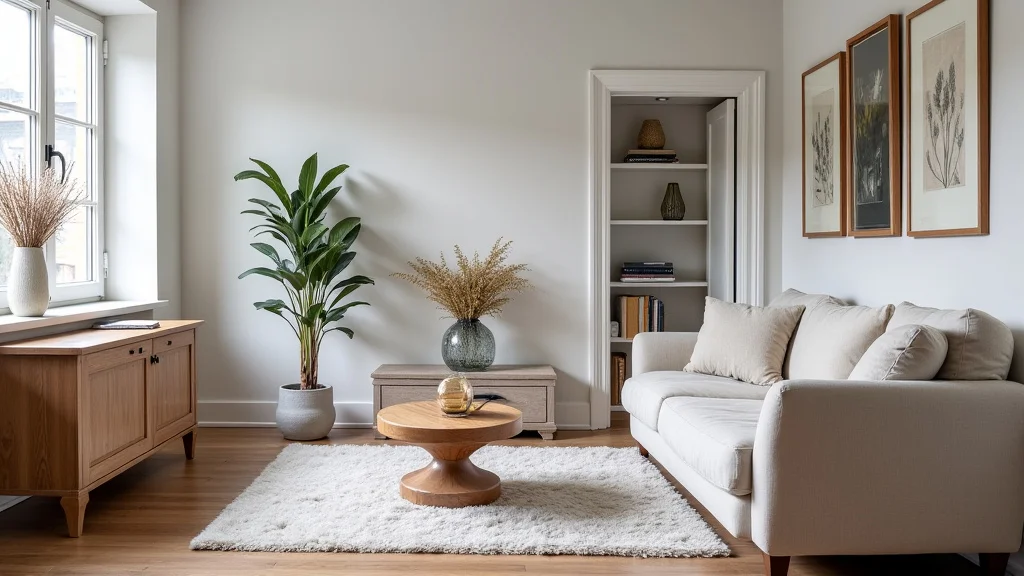
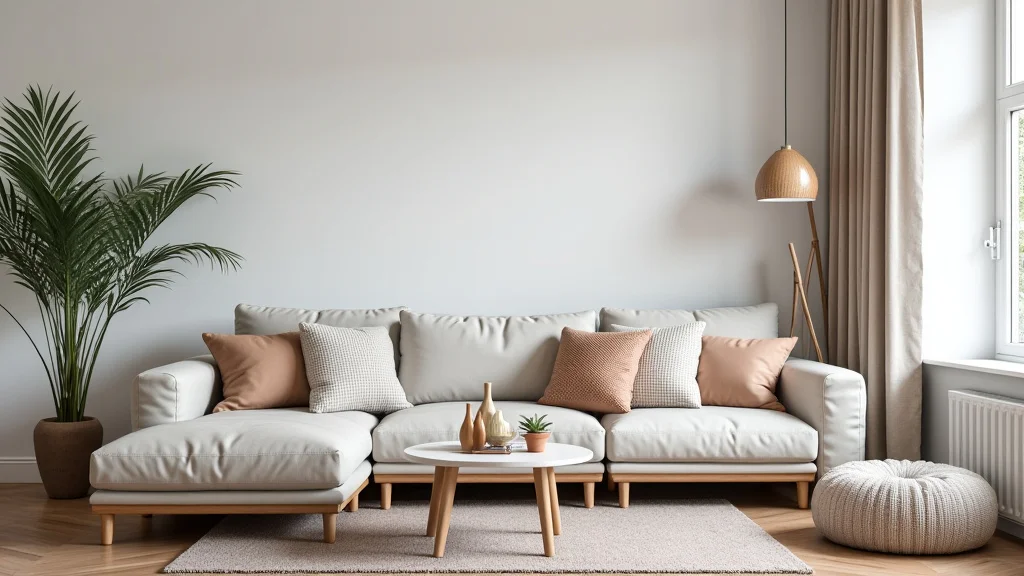
Remember that time you spent hours scrolling through Instagram, completely captivated by those effortlessly chic Korean apartment interiors? The clean lines, the calming color palettes, and the overall sense of tranquility – it’s like a visual vacation! Well, that aesthetic is known as interior k-style, and it’s making waves in the design scene. In this post, we’ll explore the core elements of interior k-style, so you can transform your space into a serene and stylish haven. You’ll gain a deeper appreciation for this design aesthetic, discover practical tips for incorporating it into your home, and learn how to create a space that reflects your personality. Get ready to enhance your home’s appearance while improving your knowledge of design principles.
Key Takeaways
- You will discover the fundamental principles of interior k-style.
- You’ll gain insights into the specific color palettes and materials used in this style.
- You will learn how to incorporate minimalist principles into your home design.
- You will explore key furniture and decor choices that define this aesthetic.
- You’ll get practical advice on creating a functional and aesthetically pleasing space.
- You will find out how to adapt interior k-style to various home sizes and personal preferences.
The Essence of Interior K-Style
Interior k-style, often referred to as Korean interior design, is more than just a passing trend; it’s a philosophy. It prioritizes simplicity, functionality, and a deep connection to nature. The style draws inspiration from traditional Korean design, blended with modern influences. It emphasizes clean lines, open spaces, and a harmonious balance between elements. Think of it as a breath of fresh air for your home, creating a space that is both visually appealing and incredibly comfortable.
Minimalism as a Core Principle
Minimalism is at the heart of interior k-style. This approach isn’t about stark emptiness, but rather a curated space filled with only essential items. Every object in the room serves a purpose, preventing clutter and promoting a sense of calm. This minimalist approach extends beyond aesthetics; it’s a way of living that values quality over quantity. Choosing quality furniture and decor pieces contributes to a space that feels calm and relaxing. It allows the individual to breathe freely in their space, reducing feelings of anxiety.
- Decluttering: Before starting any design project, a thorough decluttering process is crucial. Remove anything that doesn’t serve a function or bring joy.
- Intentional Purchasing: When acquiring new items, think carefully about their purpose and value. Invest in high-quality pieces that will last.
- Open Spaces: Aim for open floor plans, or at least create the illusion of spaciousness by utilizing light colors and minimizing furniture.
Decluttering is the first step toward achieving a minimalist interior. Begin by evaluating your belongings, and determine which items you truly need and love. Donate, sell, or discard anything that is not useful. This will help make your space feel open and more organized, setting the foundation for the minimalist design.
Instead of impulse buys, embrace a practice of mindful consumption. Focus on purchasing pieces that you know you will utilize for many years. Think about functionality, durability, and aesthetics. This approach helps reduce waste and ensures every item contributes to the overall design of your space.
Creating open spaces is a key aspect of interior k-style. Open areas improve the flow of movement throughout a home and allow the space to breathe. To get this look, minimize the furniture, use light colors, and ensure there’s a clear pathway throughout the space.
Color Palette and Material Choices
The color palette is a defining characteristic of interior k-style, emphasizing neutral tones and natural materials. Think of a space bathed in soft light, reflecting the calm of nature. The color schemes often include whites, creams, light grays, and subtle pastel colors, allowing the space to feel open and airy. Wood, stone, and other natural materials are used to bring warmth and texture into the home. These choices promote a connection with the outside world.
- Neutral Base: Whites, creams, and light grays form the foundation of most rooms, creating a clean backdrop.
- Natural Wood Accents: Incorporate natural wood in flooring, furniture, and decorative elements to add warmth and texture.
- Subtle Pastel Accents: Use pastel colors like soft blues, greens, or pinks sparingly to add interest without overwhelming the space.
Using a neutral base allows for a space that feels open and airy. These soft shades are great because they allow light to reflect throughout the space, brightening the rooms. You can use these colors on the walls, floors, and larger furniture pieces to maintain a sense of calm.
The use of natural wood provides a grounding element that brings warmth and texture to the space. You can incorporate wood in flooring, furniture, or decorative accents. This element makes the space feel more inviting and adds an element of natural beauty.
Pastel colors, used in small doses, can bring softness to a room. You can include these tones through decorative objects, throw pillows, and art pieces. These accents should be used strategically to add depth and personality to the design without disrupting the overall sense of tranquility.
Incorporating Natural Elements
Bringing the outdoors inside is a defining feature of interior k-style. This involves the use of natural materials, plenty of light, and greenery. The aim is to create a peaceful sanctuary that connects you with nature. Plants, in particular, play an important role, serving as both decorative elements and air purifiers. This design choice contributes to a healthier and more calming environment. The goal is to make a space that feels both inviting and restorative.
- Houseplants: Incorporate a variety of indoor plants to bring life and freshness into your home.
- Natural Light: Maximize natural light by using sheer curtains or blinds, and positioning furniture to take advantage of sun exposure.
- Wooden Furniture: Choose wooden furniture with clean lines and natural finishes to enhance the connection to nature.
Houseplants are essential to interior k-style, offering visual interest and contributing to improved air quality. Select plants that work well in your space based on lighting and care requirements. Consider different sizes and shapes to create a natural, organic look, from small succulents to larger potted plants.
Maximize natural light by minimizing window coverings that block sunlight. Use sheer curtains or blinds to filter light gently, creating a bright and airy atmosphere. Strategically position furniture to benefit from the sun, and enhance the overall sense of openness in your home.
Wooden furniture is a defining characteristic of interior k-style. Choose pieces with simple designs and natural finishes, such as light oak or walnut. This approach adds warmth and textural interest to the space. Look for furniture that balances functionality with aesthetic appeal.
Key Furniture and Decor Choices
The furniture and decor choices in interior k-style are carefully selected to reflect the design philosophy of minimalism, functionality, and connection with nature. Furniture pieces should have clean lines, simple designs, and a focus on comfort and utility. Decor items should be kept to a minimum and chosen for their beauty, purpose, and contribution to the overall ambiance. The goal is to create a space that is aesthetically pleasing and promotes relaxation.
Furniture Selection
The selection of furniture is important to the aesthetic, with a focus on simplicity, natural materials, and multi-functional designs. Sofas and chairs should be comfortable and inviting, upholstered in neutral colors and natural fabrics. Low-profile furniture is favored, enhancing a sense of openness and maximizing space. The furniture is not only aesthetically pleasing but also functional, contributing to a comfortable and user-friendly living environment. This approach supports a minimalist lifestyle.
- Low-Profile Sofas: Opt for low-profile sofas with simple designs, often upholstered in neutral fabrics.
- Wooden Coffee Tables: Choose wooden coffee tables with simple lines and natural finishes.
- Minimalist Bed Frames: Select minimalist bed frames, often made of wood or metal, with a focus on simplicity and functionality.
Low-profile sofas are a staple in interior k-style, creating a relaxed, modern feel while maximizing space. These types of sofas help define the living area without overwhelming the room. Select sofas in neutral colors such as gray, beige, or white to maintain the serene color palette.
A wooden coffee table is a practical and stylish addition to a living room. Look for tables with simple, clean lines and natural wood finishes, such as oak or walnut. This choice adds warmth and texture to the space. The coffee table also provides a functional surface for everyday use, enhancing the overall functionality.
The bed frame should complement the overall aesthetic, with clean lines and simple designs. Choose wooden or metal frames in neutral colors. This choice adds a sense of calm and helps maintain the uncluttered look of the space, promoting a peaceful atmosphere. A well-chosen bed frame is a practical addition that can enhance the beauty of a bedroom.
Decor Elements
The decor in interior k-style is carefully chosen to enhance the space without cluttering it. Decor elements should reflect a sense of simplicity, beauty, and connection to nature. The focus is on quality over quantity, with each object having a purpose or meaning. Decorative items are often used to enhance the natural light and promote a sense of calm. This minimalist approach allows the space to feel open and inviting.
- Artwork: Choose minimalist artwork, such as abstract paintings or nature photography, to add visual interest.
- Textiles: Use soft, natural textiles, such as linen and cotton, for curtains, throws, and cushions.
- Ceramic Vases and Pottery: Incorporate ceramic vases and pottery in neutral tones to add texture and visual interest.
Artwork enhances the aesthetic of a space. Select pieces that complement the minimalist aesthetic, such as abstract paintings, simple sketches, or nature photography. Place these pieces strategically to create focal points or add pops of color. When choosing artwork, you enhance the overall design of your space and express your personal style.
Textiles contribute warmth and texture to a room. Use soft, natural materials like linen and cotton for curtains, throw blankets, and cushions. Choose neutral colors and simple patterns to maintain the minimalist style. These soft elements enhance the overall comfort and add to the inviting atmosphere.
Ceramic vases and pottery are a nice addition to the space. Choose simple shapes and neutral colors. These items can be used to display flowers, add greenery, or simply serve as decorative pieces. This adds a sense of organic beauty. This element adds interest to the room without disrupting the style.
Adapting Interior K-Style to Your Home
Interior k-style is adaptable and can be incorporated into any home. Whether you live in a small apartment or a large house, the core principles of minimalism, natural materials, and a neutral color palette can be adapted to suit your space. By carefully considering your existing decor and personal preferences, you can create a space that feels both stylish and comfortable. The key is to start small, embracing the core elements of interior k-style and gradually integrating them into your home.
Small Spaces
The minimalist principles of interior k-style make it especially well-suited for small spaces. The emphasis on functionality, decluttering, and open floor plans can make a small apartment feel larger and more inviting. By carefully selecting furniture and decor, you can create a stylish and comfortable home even with limited square footage. Prioritizing essential items and maintaining a clean, organized space are key.
- Multi-Functional Furniture: Choose furniture pieces that serve multiple purposes, such as a sofa bed or a storage ottoman.
- Light Colors: Use light colors on walls, floors, and furniture to create the illusion of more space.
- Vertical Storage: Utilize vertical storage solutions, such as tall shelves and wall-mounted cabinets, to maximize space.
Multi-functional furniture is important to maximize space in small apartments. Consider items that serve more than one purpose to avoid clutter and improve functionality. These types of pieces will make the space look more organized and help in optimizing the living area.
Light colors, such as white, cream, and pale gray, can make your space feel open and more spacious. These colors reflect light, making a small apartment feel brighter and more airy. This creates the illusion of more space and enhances the overall sense of calm.
Vertical storage solutions are a perfect choice to maximize space in a smaller apartment. Install tall shelves and wall-mounted cabinets to store your belongings. This approach reduces clutter and makes the most of the space. It can help you organize and make a smaller home look more open.
Large Homes
Even in a larger home, the principles of interior k-style can create a sense of calm and cohesion. In a spacious setting, the challenge lies in avoiding a sense of emptiness. Incorporating a balance of curated furniture, natural materials, and strategic design choices can make a large home feel welcoming and warm. The goal is to create a space that is both functional and aesthetically pleasing.
- Define Zones: Use furniture and decor to define different zones within a large open space.
- Strategic Lighting: Incorporate various lighting options, including ambient, task, and accent lighting.
- Scale Appropriately: Choose furniture and decor that are proportionate to the size of the room.
To avoid a room that feels empty, make areas for different activities. This can be accomplished with rugs, furniture, and lighting. This will help make the area feel more functional and inviting.
Use various lighting options to create different moods and highlight specific features. Use ambient light to illuminate the entire room, task lighting for work areas, and accent lighting to showcase artwork or architectural details. This will help you create a cozy and inviting atmosphere.
In large homes, be sure the furniture and decor pieces complement the size of the space. Consider using larger furniture pieces and oversized decor items to avoid a feeling of emptiness. Choosing items of the proper size will create a well-balanced and aesthetically pleasing design.
Common Myths Debunked
Myth 1: Interior K-Style Is Only Suitable for Minimalists
While minimalism is an important principle, interior k-style can be adapted to suit various personal styles and preferences. The goal is to create a serene and functional space, but that doesn’t necessarily mean a completely bare aesthetic. You can incorporate personal touches, such as artwork, photographs, and decorative items, as long as they contribute to the overall balance and harmony of the space. It’s about intentional living.
Myth 2: It’s Expensive to Achieve Interior K-Style
While high-end, designer pieces can be part of this style, it’s not required. You can achieve the look on any budget. The core principles emphasize simplicity and careful selection, which translates to choosing fewer, higher-quality items that last. You can mix and match affordable pieces with a few investment items. Focus on the core principles and adapt the style to fit your budget.
Myth 3: Interior K-Style Is Uncomfortable and Cold
This style is often thought to be sterile or unwelcoming. However, the focus on natural materials, soft textures, and warm neutral colors ensures that spaces feel inviting. The goal is to create a balance between aesthetics and comfort, ensuring that the space feels both visually appealing and comfortable to live in. The emphasis is on functionality and relaxation.
Myth 4: You Need to Completely Redecorate to Embrace This Style
You don’t need to do a complete overhaul to incorporate interior k-style. Start small by introducing elements like a new color palette, decluttering, or adding a few key furniture pieces. Gradually add more elements. The core principles can be integrated into your existing decor. The goal is a gradual process.
Myth 5: Interior K-Style Is Difficult to Maintain
This design is easy to maintain. The emphasis on minimalism and functionality leads to a space that is naturally easier to keep tidy. The core principle of “less is more” means fewer items to clean and organize. The uncluttered design promotes order and creates a space that feels calm and relaxing.
Frequently Asked Questions
Question: Where can I find furniture and decor for interior k-style?
Answer: You can find pieces at many home goods stores, online retailers, and furniture stores. Look for options with simple lines, natural materials, and neutral colors.
Question: Can I use colorful accents in interior k-style?
Answer: Yes, you can. Use colorful accents sparingly to add visual interest. Consider using colors in artwork, textiles, or decorative items.
Question: Is interior k-style suitable for all climates?
Answer: Yes, the focus on natural light, and natural materials makes it adaptable to various climates. The key is to adjust your choices to fit your region.
Question: How do I declutter effectively?
Answer: Start by going through your belongings and getting rid of anything you do not need, love, or use. Organize your possessions. Decluttering is an ongoing process.
Question: Can I mix interior k-style with other design styles?
Answer: Absolutely. Blending interior k-style with other styles can create a unique and personalized space. You can incorporate elements from different design aesthetics.
Final Thoughts
Interior k-style is more than just a trend; it’s a way of creating a home that promotes peace, balance, and well-being. By embracing the core principles of minimalism, natural materials, and a neutral color palette, you can transform your space into a calming sanctuary. From decluttering your home to incorporating simple yet elegant decor, the process is a rewarding experience. It’s about crafting a place that reflects your personal style. Embrace the beauty of simplicity. Start small, experiment with the core principles, and watch your home become a place that nurtures your soul. Create a home that feels both stylish and restful. The journey to a more serene and stylish home begins with a single step.