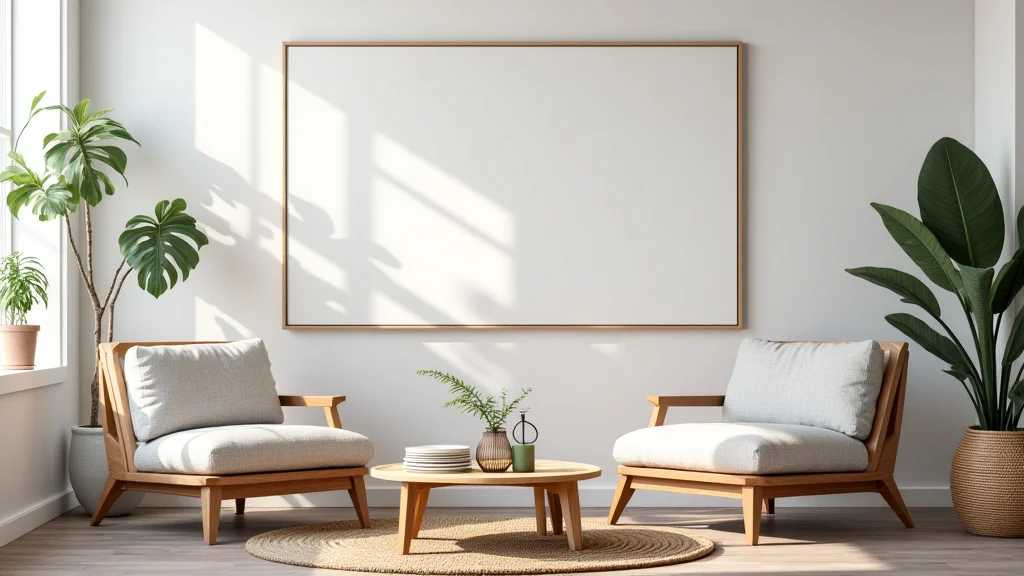
Remember that feeling of walking into a friend’s house and instantly feeling at home? Was it the cozy throw pillows, the art on the walls, or the overall vibe? Chances are, their home reflected a particular style of home decor. Choosing the right style for your own space can be a fun, yet sometimes overwhelming, experience. This article provides a comprehensive overview of popular home decor styles, helping you discover what resonates with your taste and creating a home that truly reflects your personality. You’ll gain valuable insights to begin your decorating venture with confidence.
Key Takeaways
- Learn to distinguish between various home decor styles like Modern, Rustic, and Minimalist.
- Discover the key elements and characteristics of each style, including colors, materials, and furniture.
- Understand how to incorporate different styles into your home.
- Explore the practical considerations, from budgeting to space constraints.
- Gain inspiration and ideas for your next decorating project.
- Begin your decorating journey with the right knowledge.
Exploring Contemporary Design Principles
Contemporary design is all about what is “of the moment”. It emphasizes clean lines, simple forms, and a sense of openness. It’s a constantly evolving style, as it adapts to current trends and technological advances. Often, contemporary design feels fresh and airy. Natural light is a significant element, and you’ll typically find large windows, neutral color palettes, and a focus on open spaces. A contemporary living room may feature a large, sleek sofa and minimal accessories.
Key Elements of Contemporary Style
- Clean Lines: Furniture and architectural elements showcase sharp, well-defined edges, avoiding unnecessary ornamentation. This creates a sense of order and sophistication. Imagine a sleek, rectangular coffee table with metal legs in your living room.
- Neutral Color Palette: Contemporary interiors often employ a base of neutral tones like white, gray, beige, and black, providing a calm backdrop for bolder accent colors. Consider pairing a gray sofa with colorful throw pillows.
- Use of Metal and Glass: These materials add a touch of sophistication and reflect light, enhancing the open feel. Think of chrome or stainless steel accents in lighting fixtures or glass tabletops.
- Minimalism: The goal is to avoid clutter and embrace negative space. This doesn’t mean a complete lack of decor, but each item serves a purpose and contributes to the overall aesthetic. A single, large piece of artwork on a wall is a great example.
- Bold Accents: While the base is neutral, contemporary design allows for pops of bright or vibrant colors through artwork, throw pillows, and accessories. These accents bring personality and visual interest to the space.
Contemporary design draws heavily on minimalism, emphasizing the beauty of simplicity and the importance of functionality. This style uses textures like wood, concrete, and stone, providing visual interest and warmth. This approach creates spaces that feel both stylish and incredibly livable. Contemporary designs can be found in apartments in major cities, or large modern homes.
Embracing the Timeless Appeal of Traditional Decor
Traditional home decor is characterized by its elegance, symmetry, and timeless appeal. It’s a style rooted in history, drawing inspiration from various European design periods like the Victorian and Georgian eras. It is defined by detailed craftsmanship, rich colors, and formal arrangements. Traditional homes tend to be warm and inviting, offering a sense of history and sophistication.
Hallmarks of Traditional Decor
- Detailed Craftsmanship: Ornate moldings, carved furniture, and intricate woodwork are hallmarks of traditional style. These elements showcase the artistry and skill of the furniture makers and artisans. You might find a dining table with elaborately carved legs.
- Rich Color Palettes: Deep, saturated colors such as burgundy, navy, forest green, and gold are common in traditional spaces. These colors create a sense of richness and luxury. Think about a burgundy velvet sofa or a navy blue accent wall.
- Formal Arrangements: Symmetry and balance are key. Furniture is often arranged in a way that creates a sense of order and harmony. Pairs of matching lamps or armchairs are common in traditional living rooms.
- Classic Furniture: Traditional furniture includes pieces like wingback chairs, mahogany tables, and upholstered sofas with rolled arms. These pieces are timeless and designed to last. A well-crafted wingback chair can become a family heirloom.
- Patterned Fabrics: Traditional spaces often feature patterned fabrics like floral prints, damasks, and stripes. These patterns add visual interest and texture to the space. Consider curtains or throw pillows with a floral design.
Traditional design emphasizes the use of high-quality materials and craftsmanship. From the careful selection of fabrics to the placement of furniture, every detail is considered to create a sophisticated and inviting space. The best traditional spaces are filled with antiques and family heirlooms, creating an atmosphere of comfort and history.
Unveiling Modern Home Decor Style
Modern style emphasizes simplicity, functionality, and clean lines. It emerged in the early 20th century, rejecting the ornate designs of the Victorian era in favor of streamlined forms and a focus on practicality. Modern decor embraces the use of new materials and technologies, and prioritizes a clutter-free environment. Think of a minimalist apartment with sleek furniture and functional designs.
Defining Characteristics of Modern Style
- Clean Lines: Furniture pieces and architectural details feature simple, unadorned shapes. There’s a strong emphasis on geometric forms and smooth surfaces.
- Neutral Color Palette: Modern interiors often utilize a palette of neutral colors, such as white, gray, and black, with occasional pops of color. These colors create a sense of calm and spaciousness.
- Emphasis on Functionality: Every element in a modern space serves a purpose. Furniture is designed to be both stylish and practical.
- Use of Materials: Modern style incorporates materials like metal, glass, and concrete, creating a sleek and industrial feel. Think of a stainless steel kitchen or a concrete coffee table.
- Minimalism: Clutter is avoided, and only necessary items are included. This creates a sense of openness and airiness. A lack of excessive decorations and focus on the essentials is characteristic.
Modern design often incorporates open floor plans and large windows, to maximize natural light. Furnishings are typically low to the ground and have simple shapes. While furniture may have clean lines, textiles add warmth. Modern spaces prioritize functionality and ease of use, making them ideal for individuals or families with busy lives.
Discovering the Charm of Rustic Interior Designs
Rustic home decor is characterized by its warmth, natural textures, and a connection to nature. It embraces imperfection and highlights the beauty of raw materials like wood, stone, and brick. Rustic style often evokes a sense of comfort and nostalgia. Think of a cozy cabin in the woods with a fireplace, wooden beams, and cozy textiles.
Key Features of Rustic Style
- Natural Materials: Wood, stone, and brick are essential elements in rustic design. These materials create warmth and a connection to the outdoors. Consider using a reclaimed wood table or a stone fireplace.
- Earthy Color Palette: The color palette is inspired by nature, including warm tones like browns, greens, and creams. These colors create a sense of comfort and serenity. Think of a sage green accent wall or a cream-colored sofa.
- Exposed Elements: Exposed beams, brick walls, and other architectural details are often showcased in rustic spaces. These elements add character and texture.
- Vintage Furniture: Rustic style often incorporates vintage or antique furniture pieces. These pieces add character and a sense of history. Consider an antique farmhouse table or a vintage chest of drawers.
- Textured Fabrics: Fabrics like burlap, linen, and wool add warmth and visual interest to a rustic space. These fabrics create a cozy and inviting atmosphere. Consider throw pillows made from burlap or a wool rug.
The rustic style creates a relaxed and inviting atmosphere, and is perfect for creating a warm and welcoming home. Accessories often include natural elements like branches, pinecones, and pottery. The best rustic spaces are comfortable, welcoming, and offer a sense of escape.
Uncovering the Essence of Bohemian Style
Bohemian, or boho, home decor is characterized by its free-spirited, eclectic, and unconventional approach. It’s a style that embraces global influences, bold patterns, and a mix of textures. It’s about expressing personality and creating a unique and personal space. Think of a colorful apartment filled with mismatched furniture, global textiles, and plants.
Elements of Bohemian Decor
- Eclectic Mix: Bohemian style mixes patterns, textures, and colors from different cultures and time periods. It is all about embracing variety. You might find a Persian rug paired with a mid-century modern sofa.
- Global Influences: This style often incorporates elements from various cultures, such as Moroccan textiles, Indian tapestries, and African art. These global influences add visual interest and a sense of adventure.
- Layering: Layering is key, with multiple rugs, textiles, and patterns. This creates a cozy and inviting atmosphere. You might layer a rug over another to add depth and texture.
- Natural Materials: The use of natural materials like wood, rattan, and wicker adds warmth and texture. These materials ground the space and connect it to nature. A rattan chair is a great example.
- Plants: Bohemian spaces often feature a variety of plants, both large and small. Plants bring life and freshness to the space. You might place a collection of potted plants on a shelf or a large potted tree in a corner.
The Bohemian style is all about self-expression and embracing a free-spirited lifestyle. The overall goal is to create a space that feels comfortable, inviting, and reflective of your personality. A boho space encourages you to express your individual style and feel at ease.
The Minimalism Approach to Home Design
Minimalist design is all about simplicity and functionality, with a strong emphasis on essential elements. This style is often used to declutter your space. It aims to create a sense of calm and order, stripping away all unnecessary elements. Think of a room with white walls, simple furniture, and very few decorative items.
Key Characteristics of Minimalism
- Simplicity: Minimalist design emphasizes clean lines, simple forms, and a lack of ornamentation. This creates a sense of order and tranquility.
- Functionality: Each item in a minimalist space serves a purpose. Every piece of furniture should be both stylish and practical.
- Neutral Color Palette: Minimalist interiors often feature a palette of neutral colors, such as white, gray, and black, with occasional pops of color. This creates a sense of spaciousness and serenity.
- Clutter-Free: Minimalism is about reducing clutter and only keeping essential items. This helps create a sense of order and clarity.
- Negative Space: Minimalist design embraces the use of empty space. This allows the eye to rest and creates a sense of balance.
Minimalist spaces often feature open floor plans, large windows, and an abundance of natural light. Furnishings are generally low-profile and have simple shapes. In the minimalist design, less truly is more, creating a space that is both stylish and incredibly livable. In minimalist design, functionality and simplicity reign supreme.
Mid-Century Modern Decor: A Comprehensive View
Mid-century modern style is defined by its clean lines, organic shapes, and a blend of functionality and style. It originated in the mid-20th century, following World War II, and quickly became popular. Mid-century modern style features sleek designs, innovative materials, and a focus on both aesthetics and practicality. Think of a living room with a low-slung sofa, teak furniture, and geometric patterns.
Hallmarks of Mid-Century Modern
- Clean Lines and Simple Forms: Mid-century modern furniture features sleek, unadorned designs with clean lines. Shapes are often geometric and streamlined.
- Organic Shapes: Inspired by nature, this style incorporates organic shapes and curves, creating a sense of balance and harmony.
- Functional Design: Every piece is designed to be both stylish and practical. Comfort and ease of use are key priorities.
- Use of Materials: Teak, walnut, and other warm wood tones are common. These materials create a sense of warmth and sophistication.
- Geometric Patterns and Bold Colors: Geometric patterns, abstract art, and bold color palettes (such as orange, yellow, and blue) are frequently incorporated. These elements bring a sense of vibrancy and personality to the space.
Mid-century modern spaces often feature low-profile furniture, such as sofas and chairs, and furniture made from wood. This style is still popular because it combines form and function, while making a space more welcoming. These spaces typically have a retro feel, with warm colors and natural materials.
Farmhouse Home Decor: A Step-by-Step Guide
Farmhouse style is known for its warmth, simplicity, and a sense of history. This style embraces practicality and comfort, creating spaces that feel inviting and livable. Farmhouse is associated with a relaxed atmosphere, often incorporating elements of country and rustic design. Think of a cozy kitchen with a farmhouse sink, open shelving, and a large dining table.
Essential Elements of Farmhouse Style
- Neutral Color Palette: White, cream, and gray are the dominant colors, providing a clean and inviting base. These neutral tones create a sense of spaciousness.
- Natural Materials: Wood, stone, and brick are essential, bringing warmth and texture. These materials add authenticity and a connection to the outdoors.
- Vintage Accents: Vintage and antique furniture pieces add character and a sense of history. These pieces create a unique and personal touch.
- Comfortable Furniture: Sofas and chairs with comfortable, overstuffed cushions and inviting fabrics are common. This ensures the space is comfortable and welcoming.
- Practical Design: Functionality is a key consideration. Farmhouse spaces are designed for daily use and should be easy to maintain.
Farmhouse style often incorporates open floor plans and large windows to maximize natural light. The aesthetic emphasizes a lived-in feel, so you don’t need to be afraid of imperfections and the occasional item of wear and tear. Farmhouse style evokes a sense of comfort, and the overall effect is cozy and inviting.
Common Myths Debunked
Myth 1: You Need to Spend a Fortune to Decorate Your Home
In reality, you don’t need a huge budget to create a beautiful home. You can find many affordable decor pieces at stores or online. Vintage items, second-hand furniture, and DIY projects can also contribute significantly to your decor. Clever use of color, texture, and accessories can transform a space without breaking the bank. The focus should be on making smart choices and prioritizing items that truly enhance the space.
Myth 2: You Have to Stick to One Style Throughout Your Entire Home
You can mix and match different styles to create a unique and personalized look. Don’t be afraid to experiment with different design elements from various styles. The key is to find common threads and create a cohesive flow. Mixing styles can give your home more depth and personality.
Myth 3: Small Spaces Can’t Accommodate Bold Decor
Small spaces can be just as exciting for bold decor. It’s about proportion, not necessarily the size of the room. You can use bold colors and patterns in a small space, but choose these items strategically, and make sure that they fit your personal style. Using light colors and mirrors can make a small space feel larger.
Myth 4: Decorating a Home is a Quick Process
Creating a space that you love can take time. It’s a process of trial and error and is not a race. Do your research, gather inspiration, and take your time. You can take this process in steps, letting the space develop organically over time.
Myth 5: All Furniture Needs to Match
Matching furniture sets can feel stiff and lack character. Mixing and matching furniture adds depth and personality. The goal is to create a cohesive look through color, texture, and style. You can select pieces that complement each other rather than matching perfectly. This gives your space more visual interest.
Frequently Asked Questions
Question: How do I know which style is right for me?
Answer: Consider your lifestyle, what colors and designs you like, and the overall feel you want to create. Look through images of different styles and see what resonates with you. Think about what brings you joy.
Question: Can I change my home decor style easily?
Answer: Absolutely! It’s one of the best aspects of decorating. Decorating is a process, and you can change it anytime to adapt to new trends and your evolving tastes.
Question: What’s the best way to get started with decorating?
Answer: Start by identifying what you already love about your space. Then, gather inspiration from magazines, websites, and other homes. Set a budget and focus on one room at a time.
Question: Where should I buy home decor?
Answer: You can find items at a variety of places, from large retailers to local antique stores. Consider a mix of options to find items that fit your budget and style. Online stores are also a great option.
Question: How can I make my home feel more inviting?
Answer: Use warm lighting, incorporate comfortable furniture, and add personal touches like photos and artwork. Make sure your home reflects your personality and interests.
Final Thoughts
Choosing a home decor style can feel complicated, but it is actually a fun way to express yourself. By exploring the different styles, from the clean lines of Modern to the warmth of Rustic, you can begin to find what best fits your personality and lifestyle. Remember that home decor is not about following trends, but rather creating a space where you feel comfortable and content. Start by exploring different styles, experimenting with different elements, and being open to your personal preferences. Don’t be afraid to mix and match elements to make the space your own. Your home should tell a story, reflecting your experiences and the things you cherish. Embrace the process, have fun with it, and create a home that you truly love.