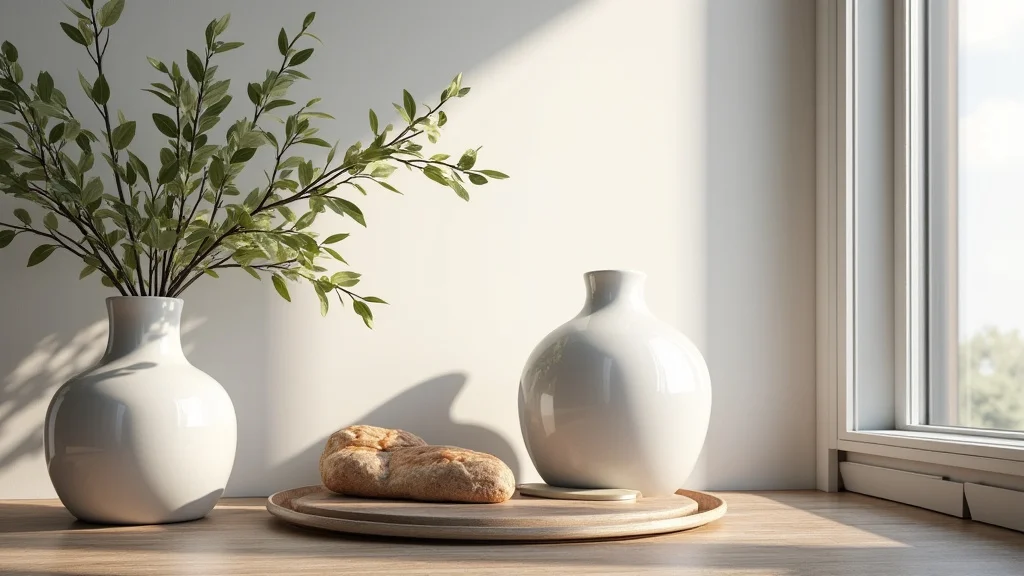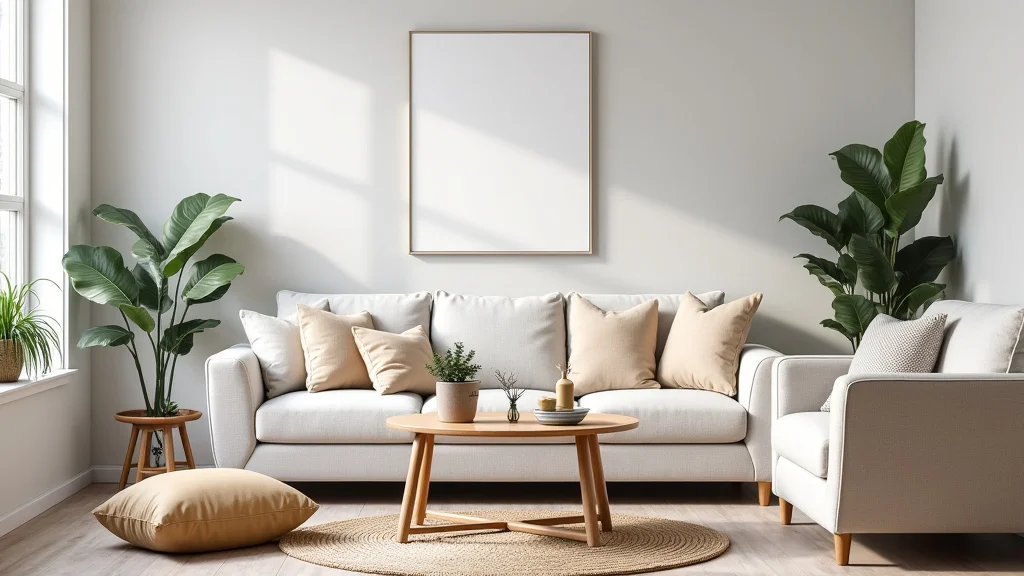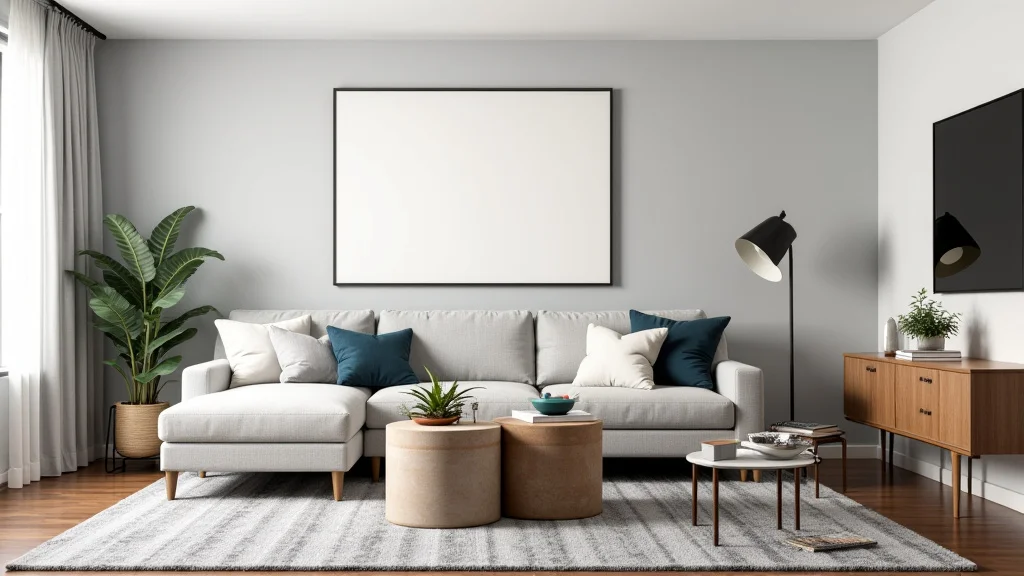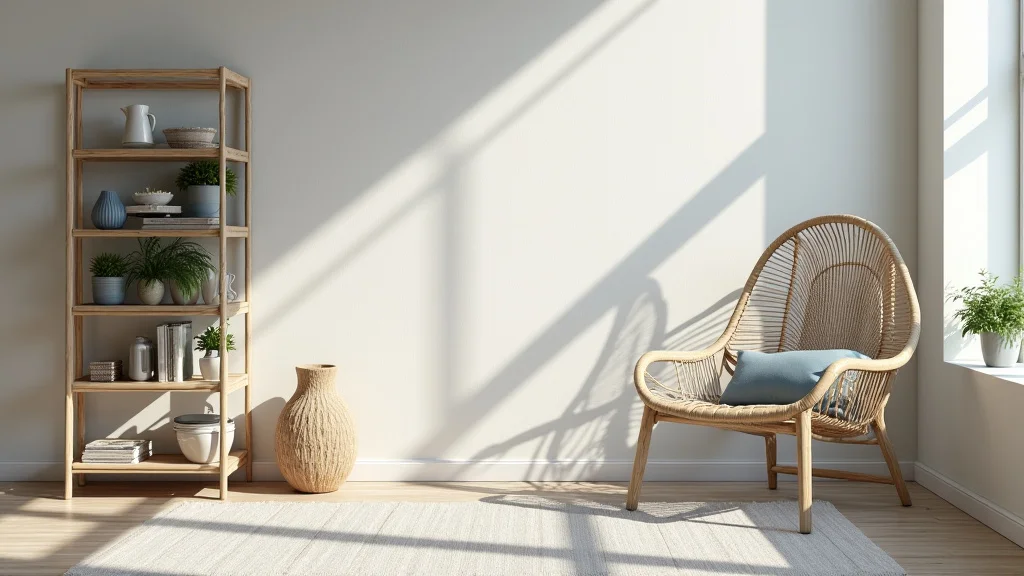
Remember that time you spent hours scrolling through design magazines, trying to figure out how to update your living room? You wanted a space that felt fresh, modern, and uniquely you, but where do you even start? This post is designed to help you transform your space. We’ll explore the core elements of contemporary home decor style and provide you with actionable steps to achieve a chic and inviting environment. By the end, you’ll feel confident in making design choices and creating a home that reflects your personality. Get ready to gain insights into the latest design trends and learn the fundamental principles. Let’s start!
Key Takeaways
- Discover the core elements that define contemporary home decor style.
- Learn about the importance of neutral palettes and how to incorporate them effectively.
- Understand the role of clean lines and geometric shapes in a modern aesthetic.
- Explore how to select and arrange furniture pieces for a cohesive design.
- Gain insights into integrating art and accessories to elevate your space.
- Find out how lighting can transform the ambiance of your home.
Understanding Contemporary Home Decor Style
Contemporary home decor style isn’t just about what’s trendy right now. It is a constantly evolving aesthetic, reflecting the design preferences of the present day. Unlike styles that are rooted in historical periods (like Victorian or Art Deco), contemporary design is characterized by its adaptability. It is a fusion of innovation and function. It emphasizes simplicity, sophistication, and a sense of openness. It embraces innovation while being grounded in practicality. It emphasizes practicality and the use of space.
Core Principles of Contemporary Design
The foundations of this aesthetic are built on a few essential principles. These principles inform design choices to create a visually harmonious and comfortable home. This understanding will become the basis for all design decisions you make. It will make it easier to find pieces that fit your vision and create a coherent design.
- Emphasis on Simplicity: The avoidance of excess ornamentation and clutter is a core tenet. Contemporary design favors clean lines, smooth surfaces, and a minimalist approach. This means less is often more. Spaces feel open, airy, and inviting, reducing visual distractions.
- Neutral Color Palettes: Whites, blacks, grays, and other neutral tones serve as the backdrop for a contemporary space. These hues provide a sense of calmness and versatility, allowing for pops of color through artwork, accessories, or accent pieces. The neutral base creates a sense of harmony.
- Clean Lines and Geometric Shapes: Straight lines and simple geometric shapes are a hallmark of contemporary design. Furniture often has sharp angles, and architectural details may feature unadorned surfaces. Curved and rounded forms can also appear to balance the space.
- Use of Natural Light: Maximizing natural light is very important. Large windows, open floor plans, and minimal window treatments are common in contemporary homes. Natural light enhances the sense of openness and connects the indoor space to the outdoors.
By focusing on essential elements, simplicity allows the architecture and the chosen furnishings to be the focal point. This creates a peaceful environment where you can unwind. It also allows you to enjoy the space without being overwhelmed by excessive decor. This principle allows the space to evolve and be easily updated.
Neutral colors are not bland; instead, they serve as a canvas for the other design features. They are a way to make sure that the design elements stand out. This provides a balance that is both elegant and relaxing. It ensures that the space remains timeless. Neutral palettes also have a practical benefit: they can be easily adjusted to accommodate changing trends or personal preferences.
This embrace of geometric forms contributes to the modern look, giving a structured and organized feel. These shapes can be found in furniture, rugs, or architectural features. This creates a visual rhythm throughout the space. When applied thoughtfully, these shapes provide a sense of order. They add a level of sophistication, which is a key element of contemporary design.
Natural light not only illuminates the space, but it also elevates the mood. It provides a warm, inviting atmosphere. This can be enhanced by the use of mirrors or light-colored surfaces. These elements reflect the light. This creates a space that feels bright, airy, and welcoming. This is another key factor in fostering a tranquil environment.
Color Palettes and Textures in Contemporary Home Decor
The selection of a color scheme and texture is very important. They greatly influence the visual appeal and atmosphere of a contemporary home. The choices provide a balanced combination of visual interest and calming qualities. This will create a harmonious and comfortable environment.
Neutral Foundation for Modern Living
Neutral colors, such as whites, grays, blacks, and beiges, serve as the backbone of a contemporary design. They provide a backdrop that is both calming and versatile. These colors can be complemented by accent colors, which create a balanced scheme. The use of neutrals allows the focus to shift to other design elements like furniture and art. They create a sophisticated look and feel. The understated palette also ensures a timeless look.
- Whites and Off-Whites: Create a sense of purity and spaciousness. They reflect light and brighten the room.
- Grays: Offer a sophisticated and versatile alternative. They range from light silver to charcoal.
- Beiges and Creams: Introduce warmth and a sense of coziness. They work well for creating inviting spaces.
These hues are ideal for walls and large furniture pieces. They provide a blank canvas for incorporating pops of color or textures. By using these shades, you can create a feeling of openness, which is a key feature of the contemporary aesthetic. White tones are known to be calming. They can provide a fresh and airy feel.
Gray can be used in walls, furniture, or accent pieces. It creates a contemporary look, while providing warmth. It can act as a bridge between neutral shades and brighter accent colors. This creates a refined and balanced look. This color is also known to complement various textures, like wood or metal.
These colors can be used in walls, furniture, or rugs. They provide a softer look compared to grays or whites. They give the space a warm and welcoming feel. They can balance the crispness of other colors. This balance is ideal for creating relaxing spaces. This is a very popular choice for many living rooms.
Incorporating Textures and Accents
Textures and accent colors add depth, dimension, and personality to a contemporary interior. Incorporating different textures through various elements. These elements include soft textiles, raw materials, and metallic touches. These additions prevent the space from feeling too sterile and create a more inviting feel.
- Tactile Fabrics: Include soft textiles. These include linen, cotton, and velvet for pillows, throws, and upholstery.
- Natural Materials: Introduce raw elements such as wood, stone, and metal. These natural components offer warmth and sophistication.
- Metallic Accents: Include accents of gold, silver, or copper to give a touch of glamour. These elements can be included through accessories, lighting fixtures, or decorative pieces.
Textiles give a tactile element to the space. They provide visual interest and comfort. These can be used to soften the lines. You can add them with bold colors to add personality. They can transform a space into a cozy sanctuary. Textures also provide a nice contrast to the sleek surfaces that are common in this design style.
Wood can be seen in flooring, furniture, or architectural features. Stone can be used in countertops, fi
These metallic accents add a touch of luxury. They can create a focal point in the room. They reflect light, which enhances the overall ambiance. Metallic finishes provide visual interest, which can keep a space from feeling bland. They give the space a contemporary and stylish feel.
Furniture and Arrangement for Contemporary Spaces
The selection and arrangement of furniture are key in achieving a contemporary look. The focus is on simplicity, functionality, and a seamless flow. A well-curated space can enhance both the aesthetic appeal and the usability of your home. The way you arrange your furniture can significantly affect the overall atmosphere.
Selecting Furniture Pieces
When selecting furniture for a contemporary space, it’s very important to keep a few principles in mind. Each piece should be chosen for its clean lines, minimalist design, and functionality. It is very important to consider the size, the style, and the purpose of each item. These considerations can ensure a cohesive and practical design.
- Clean Lines and Geometric Forms: Choose furniture with simple shapes, minimal ornamentation, and straight lines. This contributes to the modern, minimalist aesthetic.
- Functionality: Select pieces that serve a purpose and optimize the use of space. Multi-functional furniture, such as storage ottomans, extendable tables, or modular sofas, is very helpful.
- Neutral Color Palette: Choose furniture in neutral colors such as white, gray, black, or beige. This will complement the overall aesthetic. These colors will create a clean and balanced look.
Look for sofas, chairs, and tables with sharp angles, rectangular shapes, and unadorned surfaces. These pieces are not only stylish but also functional. These can provide a sense of order. They add a sophisticated look. This focus on form is a key feature of the design.
Functionality is very important. It is essential in the contemporary design. It emphasizes efficiency and practicality. Furniture should not only look good but also provide usefulness. They should be able to fulfill multiple needs. Multi-functional pieces can save space. These are ideal for homes with limited space. This enhances the overall livability.
Neutral colors create a backdrop for pops of color. They ensure that the design remains timeless. This allows the space to feel calm and inviting. The choice of neutral colors adds to the sleek and contemporary look of the space. This is a very important step to achieve the desired look.
Arrangement and Layout
The layout of your furniture is just as important as the selection. The goal is to establish a well-balanced and functional arrangement. You should also ensure that it promotes a sense of openness and allows for easy movement. The careful arrangement can transform the overall feel of the space.
- Open Floor Plan: Arrange furniture to create an open and spacious feel. Avoid overcrowding the space. This allows for free movement and enhances the flow between different areas.
- Focal Point: Define a focal point. This could be a fireplace, a large window, or a piece of artwork. Arrange furniture to draw attention to this feature.
- Grouping and Balance: Arrange furniture in functional groups, such as a seating area or a dining space. Balance the arrangement. This can be achieved through symmetry or asymmetry.
In contemporary designs, open space is very important. It enhances the visual appeal. It allows light to flow through the area. This maximizes space and creates a welcoming environment. It is ideal for entertaining or relaxing. These can also be used to connect different areas of your home.
A focal point provides an area for the eye to rest and a sense of visual organization. Arrange furniture to enhance this area. This will make it the center of attention. This can create a balanced and interesting design. This helps to guide the design and adds depth to the space.
Grouping furniture promotes easy conversation. It is both inviting and functional. You want to make sure the arrangement creates a sense of balance. You can do this by using symmetric or asymmetric layouts. This creates a visually pleasing and inviting area. This helps to make the space feel harmonious.
Integrating Art, Accessories, and Lighting
Art, accessories, and lighting are the finishing touches in this design style. These elements are key to giving character and personality. They can transform a functional space into a comfortable home. With art, accessories, and lighting, you can enhance the ambiance. These can be used to set the tone, create visual interest, and reflect your personal style.
Selecting and Displaying Art
Art provides color, texture, and personality to a contemporary space. When choosing artwork, you should consider the size, style, and placement. It can enhance the overall aesthetic and give the room a distinctive feel. It can also be used to create a focal point or complement the existing design.
- Modern and Abstract Pieces: Select artwork that aligns with the contemporary aesthetic. These often feature abstract designs, geometric shapes, or bold colors.
- Consider the Size and Placement: Make sure the size of the artwork is right. Placement is very important to the space and furniture. Scale is very important. It should be appropriate for the walls and furniture.
- Gallery Walls: Try incorporating gallery walls. This is a great way to display a variety of artwork. It can create visual interest and personality.
This style of art works very well with clean lines and simple forms. It enhances the modern appeal. It is a very effective way to add visual interest. The artwork should complement the existing décor. This will create a harmonious and visually interesting space. Contemporary paintings, sculptures, and graphic prints are ideal.
Correct placement will help to create balance. When the artwork is properly scaled, it will enhance the visual appeal. Think about the height and the positioning. These will impact the balance and flow of the room. You can group pieces together. You can also display a single statement piece to create a focal point.
You can mix different styles, sizes, and frames. This creates a unique and personalized aesthetic. A gallery wall is a perfect way to showcase the individual tastes and interests. Make sure the arrangement is balanced. Use spacing and color coordination to give a cohesive feel.
Accessorizing for a Contemporary Look
Accessories play a key role in adding personality to a contemporary space. They can be used to incorporate color, texture, and individual style. Careful selection of accessories can enhance the overall look. It is also important to create a balanced, interesting, and welcoming environment.
- Minimalism: Avoid clutter and focus on a few thoughtfully selected pieces. Choose items that add visual interest. These are pieces such as sculptural vases, decorative bowls, or unique objects.
- Varying Textures: Incorporate accessories with different textures, such as ceramic, wood, or metal. This can add depth and visual interest to the space.
- Accent Colors: Use accessories to introduce accent colors that contrast with the neutral base. Consider pillows, throws, and decorative objects. These can introduce your favorite colors.
Minimalism is key. This keeps the space looking clean and modern. Each accessory should have a purpose. They should not only be beautiful but also contribute to the overall design. When accessorizing, it is important to add personality. This helps to create a curated feel that reflects your style.
Textural variety is an important factor. It prevents the space from feeling bland. You can use a wooden sculpture, metallic accents, or woven baskets. This helps to create contrast. This enhances the tactile experience. Textural elements add warmth and sophistication. These can be combined to give a welcoming and harmonious aesthetic.
Accent colors make the space more interesting. You can create a focal point. You can add balance with accent colors. The chosen accessories should complement your color scheme. This will create a harmonious look. By adding accent colors, you can tailor your décor. This adds personality to the space.
Lighting and Its Impact
Lighting is an important element in contemporary design. It can transform the ambiance and functionality of your home. It creates the mood, improves the appearance, and can impact your comfort. The right lighting choices can create a well-designed and welcoming space.
- Ambient Lighting: Use ambient lighting, such as recessed lighting, track lighting, or pendant lights. This should create overall illumination. This should be combined with other lighting layers.
- Task Lighting: Provide task lighting for specific activities, like reading or working. Use floor lamps, table lamps, and desk lamps. This makes the space more functional.
- Accent Lighting: Use accent lighting to highlight artwork, architectural features, or decorative objects. Use spotlights, wall sconces, or track lighting.
Ambient lighting creates a base for your lighting design. It creates a space that is both inviting and functional. Recessed lights will provide a clean look. Pendant lights offer visual interest. Good ambient lighting can enhance the visual appeal. It can also give a better mood.
Task lighting is meant to illuminate areas that are used for specific tasks. This can be placed near your desk or reading chair. Task lighting can reduce eye strain. It can enhance productivity and comfort. It creates a welcoming feel. It helps the overall function of your space.
Accent lighting gives depth and dimension to your interior. It draws attention to key features. It can enhance the beauty of your home. You can make your walls and artwork the focal point. Accent lighting creates a sense of luxury and sophistication.
Common Myths Debunked
Myth 1: Contemporary design is cold and impersonal.
In reality, while contemporary design often prioritizes clean lines and a minimalist approach, it doesn’t have to be cold. This is all about personalization. By selecting warm colors, natural materials, and personal touches like artwork and accessories, you can create a space that is both modern and inviting. The key is to find a balance between sleek aesthetics and creating a comfortable, lived-in feel. The right choice of textures, lighting, and accessories ensures your home is warm and inviting.
Myth 2: Contemporary design is expensive.
It is true that some designer pieces are expensive, but this design style can be achieved at various price points. You don’t need to spend a lot to achieve a contemporary look. The key is to focus on quality over quantity. You can incorporate affordable furniture and accessories, vintage finds, and DIY projects. This will help you create a modern space without breaking the bank. There are many options.
Myth 3: Contemporary design is difficult to maintain.
While minimalism is an important part of contemporary design, this style can be very easy to maintain. It minimizes clutter and simplifies cleaning. The focus on clean lines and uncluttered spaces makes it easy to keep the home looking tidy and organized. By adopting a “less is more” approach, you can reduce the amount of time you spend cleaning. This provides a functional and easy-to-manage living space.
Myth 4: Contemporary design is only for modern homes.
Contemporary design can be incorporated into various types of homes. It is a versatile style that is adaptable to different architectural styles. You can incorporate contemporary elements into a traditional home. This means mixing and matching furniture, art, and accessories. You can create a unique, personalized space. This blending of design aesthetics creates an interesting and harmonious look. This is a very creative way to use contemporary decor.
Myth 5: Contemporary design lacks personality.
This is a complete misconception. This design style gives a lot of opportunities for showcasing your personality. You can use artwork, accessories, and colors to create a unique space. It gives you the option to blend different styles. It allows you to personalize your space with items that reflect your interests, travels, and experiences. You can create a space that feels uniquely you.
Frequently Asked Questions
Question: What is the difference between modern and contemporary design?
Answer: Modern design refers to a specific design movement from the early to mid-20th century. Contemporary design refers to current trends. It is ever-changing. It incorporates elements from various styles. It includes modern design.
Question: What colors are best for a contemporary living room?
Answer: Neutral colors like white, gray, and beige. Use pops of color from art, accessories, or accent furniture.
Question: How can I create a minimalist contemporary look?
Answer: Choose furniture with clean lines. Declutter your space. Use a neutral color palette. Focus on functionality. Add a few carefully selected accessories.
Question: Are patterns used in contemporary decor?
Answer: Yes, patterns are used. They are often geometric or abstract. Use them sparingly. Focus on textures and solid colors.
Question: How do I choose the right lighting for my home?
Answer: You can use a mix of ambient, task, and accent lighting. Make sure the lighting complements the style of your home. Consider the placement and function of each light.
Final Thoughts
Exploring the world of contemporary home decor style can be exciting. It’s a style defined by clean lines, neutral palettes, and a focus on functionality. Remember that the goal is to craft a space that reflects your personality and caters to your lifestyle. The emphasis on simplicity, geometric shapes, and the use of natural light are key. By adopting these principles, you can create a living space that feels fresh, stylish, and inviting. The right combination of furniture, art, accessories, and lighting can transform any room. Consider your preferences and experiment with different elements until you find the perfect balance. Enjoy the transformation!