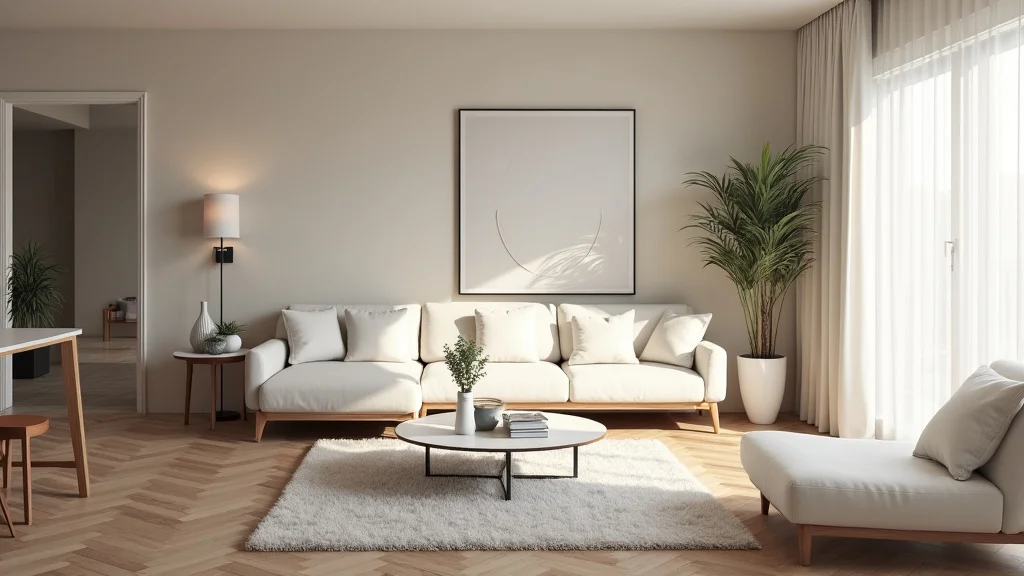
Picture this: You’re stepping into a home, and the first thing you notice is the dazzling interplay of light and shadow, the sleek lines, and the overall sense of opulence. This is the magic of the art deco home style. Perhaps you’ve seen it in classic movies, old hotels, or maybe you’re just starting your design exploration. This post will help you explore the fundamentals, from the key elements of art deco to how to implement them in your own living space. By the end, you’ll have a clear grasp of this fascinating design approach and be well on your way to creating a home that exudes style and sophistication.
Key Takeaways
- You’ll discover the defining characteristics of the art deco style, from its geometric shapes to its luxurious materials.
- Learn about the color palettes and materials typically used in art deco interiors.
- Gain inspiration and ideas for incorporating art deco elements into your home.
- Find out how to balance the glamour of art deco with modern living.
- Understand the difference between Art Deco and similar design styles.
- Explore how to find art deco furniture and decor without breaking the bank.
Embracing the Elegance of Art Deco Home Style
The art deco movement, which flourished during the 1920s and 1930s, represents a period of significant artistic and cultural change. This design style celebrated modernity, glamour, and the exuberance of the era. Originating in Europe and swiftly adopted globally, Art Deco found its way into architecture, fashion, and, of course, interior design. It was a response to the Industrial Revolution and a reaction against the decorative excesses of the Art Nouveau period, emphasizing clean lines, symmetry, and luxurious materials. Today, the art deco home style continues to captivate homeowners with its enduring appeal and ability to transform a space into a sophisticated sanctuary.
Defining Characteristics of Art Deco
Art Deco is characterized by a distinctive set of elements that contribute to its unique aesthetic. These design elements work in unison to create a feeling of luxury and sophistication. It moved away from the organic, flowing lines of Art Nouveau and embraced geometric forms. Think of the Chrysler Building’s spire or the iconic ziggurats—these are prime examples of the era’s architectural style. Recurring motifs, such as sunbursts, chevrons, and stepped patterns, are often seen in furniture, decor, and even the architecture itself. The movement also borrowed from various influences, including Egyptian, Aztec, and Asian art, adding exotic touches to the design. A room filled with these features instantly feels like a glamorous escape.
- Geometric Shapes: The backbone of Art Deco.
- Luxurious Materials: The foundation of glamour.
- Symmetry and Balance: Order and Harmony.
- Bold Color Palettes: Captivating and Eye-Catching.
Geometric shapes such as zigzags, chevrons, sunbursts, and stepped patterns are found everywhere in Art Deco design. This love for geometry shows in everything from building facades to furniture and decorative objects. These shapes bring visual interest and order, creating a sense of balance. They work well in creating a sense of height and dimension. This design feature provides a strong visual foundation for the Art Deco aesthetic. It’s a key part of what makes the style so instantly recognizable.
Art Deco interiors often featured high-end materials. Think of polished wood, mirrored surfaces, chrome, and exotic veneers. These materials elevated the spaces, adding a touch of opulence and sophistication. Ebony, marble, and even animal skins (used tastefully) were common, enhancing the overall sense of luxury. These choices make a significant impact. They show a dedication to quality and design that remains attractive today. The careful selection of materials is one of the essential characteristics that define the glamour of art deco home style.
Symmetry and balance are crucial in Art Deco designs. Interiors are often organized around a central focal point, with elements arranged in a mirrored fashion. This creates a sense of order and harmony, promoting visual cohesion. Furniture placement, artwork, and decorative items are carefully arranged to uphold this balance, making the space feel both formal and inviting. This intentional arrangement underscores the elegance and refinement associated with Art Deco. It’s a feature that lends a polished look to any space that embraces the style.
Color is a pivotal element. Art Deco frequently features rich, bold colors like deep blues, emerald greens, and vibrant reds, combined with neutral tones such as creams, beiges, and blacks. Metallic accents, gold, silver, or bronze, often highlight the look. This combination of bold hues and metallic accents adds drama and highlights the decorative elements. It draws the eye, making a statement. Color is one of the essential tools used to express the Art Deco aesthetic and its feeling of glamour.
Materials and Colors in Art Deco Design
The materials and color schemes used in Art Deco design play a vital role in creating the desired effect of luxury and sophistication. The careful selection of materials and colors contributes significantly to the overall aesthetic of an Art Deco interior. The intent is to evoke feelings of glamour, wealth, and modernity.
- Luxurious Materials: High-end choices.
- Color Palette: A Bold Statement.
- Textiles and Finishes: Adding texture.
- Lighting and Metallic Accents: The finishing touch.
Art Deco makes use of luxurious materials. Polished wood, especially dark woods like ebony and mahogany, adds a sense of richness. Mirrored surfaces and glass, including etched and stained glass, reflect light and expand spaces. Chrome and stainless steel offer sleek, modern touches, while marble and exotic stone create a sense of grandeur. These materials work together to create an environment of sophistication. The selection of materials shows a dedication to quality and a desire to create a memorable impression.
The Art Deco color palette is characterized by bold contrasts and rich tones. Deep blues, such as navy or sapphire, pair well with emerald greens and ruby reds. These are often balanced by neutral colors like cream, beige, or black to create a sophisticated foundation. Metallic accents, such as gold, silver, and bronze, are introduced for added glamour, often highlighting details. This color scheme allows a space to make a bold statement. It shows elegance and a clear design direction.
Textiles play a key role in bringing in texture and pattern. Velvet, silk, and satin fabrics are popular choices for upholstery, curtains, and cushions, giving a feeling of luxury. Geometric patterns and bold designs are frequently used in fabrics, wallpapers, and rugs to capture the spirit of the time. Shiny and lacquered finishes on furniture and walls add a touch of glamour. They also reflect light, adding to the feeling of spaciousness. These finishes contribute to an overall sense of elegance and luxury.
Lighting is an essential element, with fixtures often made from chrome, glass, or other shiny materials. Art Deco interiors often include geometric chandeliers, sconces, and lamps with stepped or tiered designs. Metallic accents are incorporated through hardware, decorative objects, and furniture details. This adds a touch of glamour, creating a contrast. These details provide a finishing touch, adding to the overall elegance of the space. They make rooms feel refined and visually appealing.
Implementing Art Deco in Your Home
Bringing the art deco home style into your home can seem like a complex task. It can be surprisingly attainable for those willing to do some research and make thoughtful choices. There is no need to completely renovate. You can add decorative touches or make more significant changes depending on your preference. You can choose to incorporate specific elements or commit to a complete makeover.
Incorporating Art Deco Elements
To successfully integrate Art Deco elements into your home, it’s essential to understand the core components. Start with the defining characteristics, such as geometric shapes, luxurious materials, and bold color schemes. This will help you add a touch of Art Deco without overwhelming the space. Choose a focal point, like a statement piece of furniture or an architectural detail, to ground the design. From there, you can add complementary items that enhance the style. By starting small and gradually adding pieces, you can get a feel for the design. The goal is to bring in the feel without making drastic changes.
- Furniture: Statement Pieces.
- Lighting: Illuminate with style.
- Color and Textiles: Layering for effect.
- Accessories and Decor: Finishing Touches.
Choose furniture with the geometric shapes and sleek lines that define the style. A velvet sofa, a chrome-based coffee table, or a dining table with a lacquered finish are perfect additions. Look for pieces with stepped patterns or sunburst designs to create visual interest. You can find many pieces that capture the look while being functional and stylish. These statement pieces set the tone. They provide a base from which to build the space.
Lighting is key to an Art Deco space. Install geometric chandeliers, sconces, or table lamps with chrome or glass accents. Choose fixtures with tiered designs, geometric patterns, or sunburst details. The lighting not only illuminates the space but also adds a decorative element. Strategically placed lights can enhance specific features, creating ambiance. The right lighting is essential. It contributes to the overall feeling of glamour and sophistication.
Incorporate the Art Deco color palette by adding cushions, curtains, and rugs. Choose fabrics like velvet, silk, or satin in bold colors, such as emerald green, sapphire blue, or ruby red. Use geometric patterns and metallic accents to create visual interest. Paint an accent wall, or add a statement piece of art to bring your room together. These textile choices and color schemes enhance the luxurious feel. They help tie the elements together, creating a unified style that feels cohesive.
Accessories are the finishing touches that bring an Art Deco design together. Incorporate mirrors with geometric frames, geometric sculptures, and metallic decorative objects. Place these items on surfaces to reflect light and add visual interest. Consider using vintage pieces or antique finds. Each piece will add character. These items also reinforce the theme. The right accessories add to the sophistication of the space, giving the room a sense of completion.
Creating an Art Deco Interior on a Budget
Creating an Art Deco interior doesn’t have to be expensive. You can design an Art Deco-inspired space without breaking the bank. The key is to be strategic and creative with your choices. You can create the look with a mix of vintage, budget-friendly finds, and DIY projects. By prioritizing key elements and making smart purchasing decisions, you can achieve a glamorous Art Deco look without the hefty price tag.
- Shop Smart: Thrift and Vintage.
- DIY Projects: Personal Touches.
- Focus on Key Elements: Prioritize.
- Color and Texture: Strategic Use.
Thrift stores, antique shops, and online marketplaces offer an abundance of vintage Art Deco furniture and decor. Search for pieces with geometric shapes, sleek lines, and metallic accents. Do research and compare prices to get the best deals. By taking your time and keeping an open mind, you can find unique, affordable treasures that capture the essence of the style. This approach allows you to add unique pieces to your space. It’s a great way to show some personality in your decor.
DIY projects can bring in a personalized touch. You can create Art Deco-inspired art or update existing furniture with paint, metallic finishes, or new hardware. This is a great way to customize the space. DIY projects are more affordable. They also allow you to express your creative side. Your home will have unique items that add character. DIY projects can give you an appreciation for design.
Instead of trying to transform the entire space, focus on key Art Deco elements. Start with a statement piece, such as a velvet sofa or a geometric mirror. From there, add complementary accessories, such as lamps with chrome bases or cushions with geometric patterns. By concentrating on a few essential elements, you can achieve the look without spending a lot. This strategy makes the design process more accessible. It also allows you to focus on the elements that you are most drawn to.
Using paint, fabric, and accessories, you can easily change the look of your space. Consider using bold colors, such as deep blues, emerald greens, and rich reds, to create a sense of glamour. Add textured fabrics, like velvet and silk, and incorporate geometric patterns through rugs, curtains, and cushions. By using color and texture strategically, you can create a luxurious ambiance. This approach allows you to add style without renovating. You can use less expensive materials. This is an excellent way to capture the spirit of Art Deco.
The Distinction between Art Deco and Other Design Styles
Understanding the differences between Art Deco and other design styles can help you correctly identify and implement the desired aesthetic in your home. It’s easy to confuse Art Deco with other design eras, but each style has distinct characteristics. Knowing these distinctions will help you create a space that truly reflects the elegance and sophistication of the art deco home style.
Art Deco vs. Art Nouveau
Art Nouveau and Art Deco are often mentioned together due to the close time periods. However, they have distinct features. Art Nouveau, popular in the late 19th and early 20th centuries, embraced flowing lines, organic shapes, and natural motifs, such as flowers, plants, and insects. In contrast, Art Deco, which followed, favored geometric shapes, symmetry, and machine-age aesthetics.
- Art Nouveau: Organic Forms.
- Art Deco: Geometric and Symmetrical.
- Material Differences: Natural vs. Luxurious.
- Color Palette: Subdued vs. Bold.
Art Nouveau is known for its graceful curves and organic shapes. Think of swirling lines, floral patterns, and motifs inspired by nature. You can see this in furniture and architectural details. It shows a departure from the formality of earlier periods. These designs were characterized by their flowing, asymmetrical elements. This style gives a sense of natural beauty and elegance. The overall feeling evokes a connection to the natural world.
Art Deco focuses on straight lines, geometric patterns, and symmetrical designs. It reflects the machine age and the industrial revolution. Think of the Chrysler Building. The look is more organized, formal, and polished. The style often includes bold geometric patterns and luxurious materials. The style stands in contrast to the organic shapes of Art Nouveau. It communicates modernity and sophistication.
Art Nouveau often uses natural materials such as wood and stained glass, in addition to delicate craftsmanship. Art Deco also uses luxurious materials, such as chrome, lacquer, and exotic woods. These materials add a touch of glamour and sophistication, reflecting the spirit of the era. This selection makes a clear distinction between the two styles. It shows the differences in their design approaches.
Art Nouveau typically features a softer color palette with muted tones. Art Deco uses bold, contrasting colors like black, gold, and emerald green. These colors contribute to the dramatic and opulent feel. The contrasting color palettes define the feel of each period. This helps you identify and integrate these styles into your home design.
Art Deco vs. Mid-Century Modern
Mid-Century Modern (MCM) emerged after World War II, focusing on functionality, minimalism, and a blend of natural and manufactured materials. It shares a period connection with Art Deco but has a different approach. While Art Deco values luxury and ornamentation, Mid-Century Modern emphasizes simplicity, clean lines, and practicality. Knowing these differences will help you decide which style suits your preferences.
- Form and Function: Simplicity vs. Glamour.
- Materials: Natural vs. Manufactured.
- Color Palette: Earth Tones vs. Bold.
- Key Design Elements: Open vs. Patterned.
MCM values functionality and simplicity, with a focus on clean lines, and minimal ornamentation. This design highlights the principles of “form follows function,” where the design’s purpose comes first. Art Deco emphasizes glamour, luxury, and ornamentation. The style incorporates geometric shapes, bold patterns, and materials such as chrome and lacquer to convey a sense of elegance. Their differences are fundamental. They show the different values and design goals of each era.
MCM is characterized by natural materials, such as wood (especially teak and walnut), along with a variety of manufactured components. The style features a focus on practicality, combined with comfort. Art Deco uses luxurious materials, such as polished wood, mirrored surfaces, chrome, and marble. This combination adds a touch of opulence and sophistication. The choice of materials reflects the different values of each style. It also helps to enhance the overall ambiance.
MCM typically incorporates a palette of earth tones with pops of color. The colors often draw inspiration from the natural world. This style creates a warm and inviting atmosphere. Art Deco embraces a bold color palette with rich, contrasting colors and metallic accents, which contribute to a sense of drama and sophistication. The contrast between these color schemes helps define the feel. They show how the colors affect the vibe of each style.
MCM often features open floor plans, simple shapes, and uncluttered spaces. It places emphasis on the use of space. Art Deco is characterized by geometric patterns and intricate details. It uses bold patterns on textiles, wallpaper, and accessories to create visual interest. Each design incorporates key elements. They each set apart the overall character and aesthetic of the period.
Common Myths Debunked
Frequently Asked Questions
Question: Is Art Deco only for large homes?
Answer: Not at all! Art Deco can be adapted to any space. Focus on key elements and use them strategically to capture the essence of the style, regardless of the size.
Question: Is Art Deco expensive to implement?
Answer: It doesn’t have to be. You can find vintage pieces, repurpose furniture, and use DIY projects to create an Art Deco-inspired space without overspending.
Question: Does Art Deco have to be all-or-nothing?
Answer: No. You can incorporate Art Deco elements gradually, like adding a statement mirror or a velvet armchair, to get the desired effect. This allows for a more subtle incorporation.
Question: Are there any specific furniture shapes associated with Art Deco?
Answer: Yes, Art Deco furniture often features geometric shapes, such as stepped patterns, fan shapes, and sunburst motifs. Streamlined designs and chrome accents are also common.
Question: Can I mix Art Deco with other design styles?
Answer: Yes. The key is to blend the styles thoughtfully, ensuring harmony. Try using Art Deco accents in a modern or eclectic space to create visual interest.
Final Thoughts
The art deco home style is more than just a design trend; it’s a testament to a time of innovation, glamour, and optimism. Embracing this style allows you to create a living space that feels both timeless and sophisticated. From the geometric shapes to the luxurious materials and the bold color palettes, Art Deco invites you to transform your home into a statement of elegance. You’ve now seen the basic elements of the style. You know how to implement it without breaking the bank. Go forth, experiment, and add your touch to the aesthetic. Make your living space a reflection of the enduring appeal of Art Deco, and enjoy the beauty of this iconic style.