Remember that time you spent hours scrolling through Instagram, trying to figure out how to refresh your living room? You’re not alone! Many of us feel that way when considering a home makeover. Keeping up with the latest current home decor styles can feel overwhelming. This guide is here to simplify things. It’ll break down the most popular current home decor styles, giving you a clear picture of what’s trending and what’s not, allowing you to create a stylish and comfortable space. You’ll learn the key elements of each style, helping you make informed decisions for your home. Ultimately, you’ll gain the confidence to create a space that reflects your personality.
Key Takeaways
- Discover the top current home decor styles shaping interiors today.
- Learn the main characteristics of popular design aesthetics like minimalist and maximalist.
- Understand how to incorporate specific styles into your existing home.
- Explore the role of color palettes, textures, and materials in defining each style.
- Get inspired with real-life examples of how these styles are used in homes.
- Find tips for choosing the right style to fit your personal preferences and needs.
Embracing Modern Home Decor
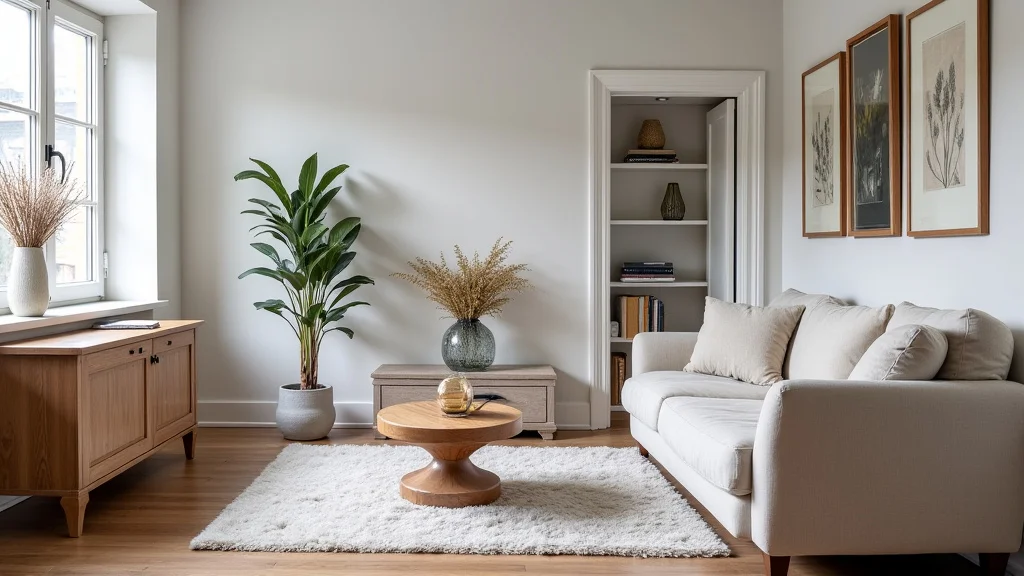
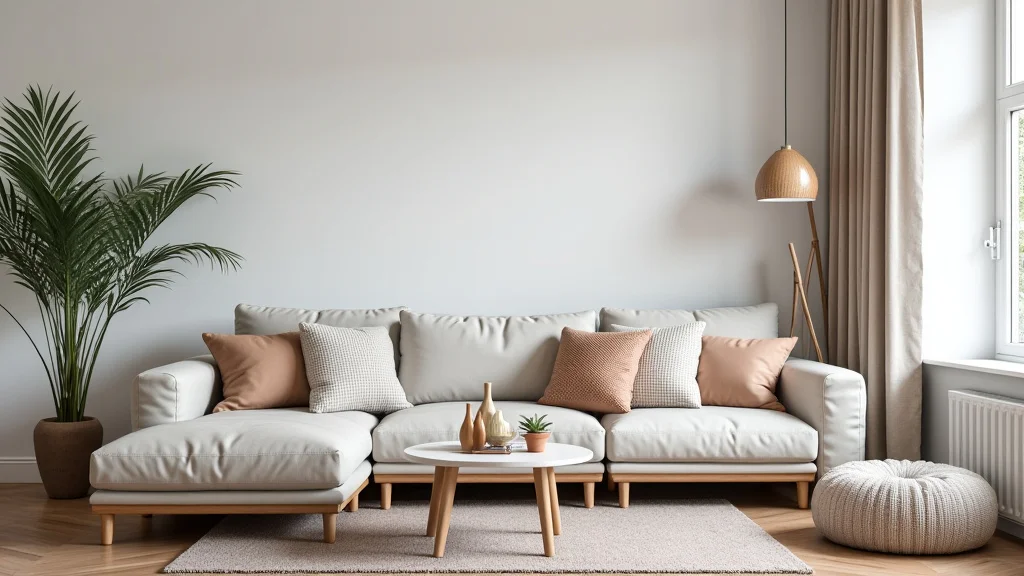
Modern design often gets confused with contemporary style. Modern focuses on clean lines, a neutral palette, and minimal ornamentation. Think of it as a streamlined approach to living, with an emphasis on functionality and open spaces. It’s a look that prioritizes simplicity and a sense of calm. This style originated in the early to mid-20th century and still resonates today. It moves away from overly decorative items, embracing simple forms and natural materials.
Key Elements of Modern Design
- Clean Lines: Furniture and architectural elements showcase sharp, straight lines, minimizing curves.
- Neutral Color Palettes: Use of whites, blacks, grays, and natural tones to create a serene backdrop.
- Minimal Ornamentation: Avoiding excessive decorations or embellishments.
- Use of Natural Materials: Emphasis on wood, stone, and other organic elements.
Clean lines are the backbone of modern design, offering a sense of order and structure. This includes furniture with simple silhouettes, like rectangular sofas and tables. Walls and windows are often devoid of elaborate trims or molding. These straight lines make the space feel less cluttered and more spacious. It’s about achieving a sense of balance through the absence of unnecessary details.
Neutral colors form the foundation of the modern look. Think of walls painted in soft white or light gray, providing a canvas for other elements to pop. Accents of black can add depth and contrast, while natural wood tones bring warmth. These neutral colors help create a cohesive and calming environment. The goal is to provide a clean and adaptable backdrop for your space.
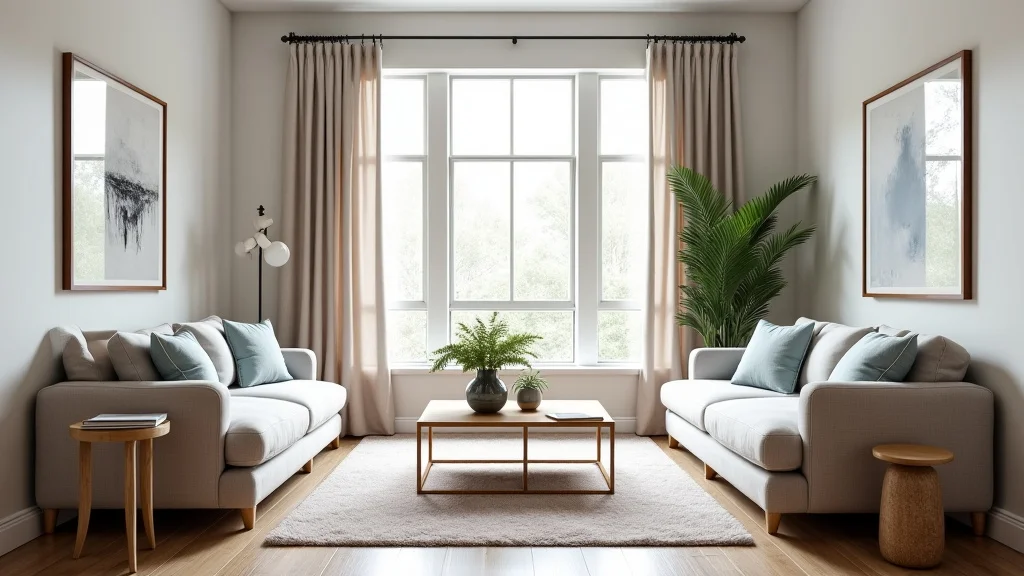
Modern design champions less over more. This means reducing clutter and focusing on essential items. Decorations are carefully chosen, often with artistic or functional value. Avoid excessive use of patterned fabrics or elaborate wallpaper. Instead, use a few carefully selected artworks, sculptures, or plants to bring personality without overwhelming the space. This intentionality helps create a feeling of spaciousness and tranquility.
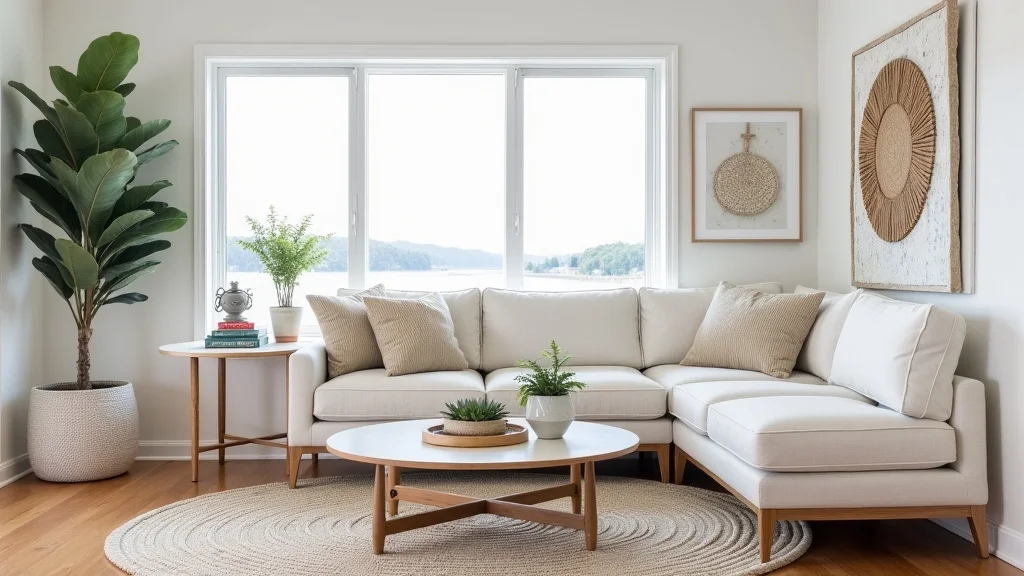
Natural materials bring warmth and texture. Consider hardwood floors, wooden furniture, and stone accents. These elements add a connection to nature. Natural light is also an important element. Large windows and open layouts allow sunlight to flood the space. The integration of organic materials offers a sense of comfort and connects the interior with the outdoors.
Real-Life Examples of Modern Design
- Open-Plan Living: A loft apartment with an open kitchen, dining, and living area, featuring a neutral color palette, hardwood floors, and minimal furniture. Large windows allow natural light to fill the space.
- Mid-Century Modern Homes: Homes with low-profile furniture, teak wood, and iconic designs from the mid-20th century. These spaces focus on functionality with style.
- Modern Minimalism: Homes with a focus on simplicity, featuring a minimalist aesthetic and neutral colors, creating a sense of calm.
An open-plan living setup simplifies daily life and promotes a feeling of spaciousness. The uninterrupted flow between areas encourages interaction and makes the space feel bigger. The focus is on a harmonious blend of functionality and design. A clean, uncluttered space promotes a sense of ease and relaxation, making it a perfect spot to unwind or entertain.
Mid-century modern homes are a classic example of modern design. They incorporate functional furniture with clean lines. Teak wood and other natural materials are frequently used to create a warm and inviting atmosphere. Iconic pieces are the focal point, reflecting a sophisticated appreciation for design. These homes are a blend of functionality, artistic style, and practicality.
Modern minimalism takes the design process a step further, emphasizing the elimination of clutter. Each element has purpose and value, keeping only what is essential. This can lead to a decluttered, serene living area. The minimalist approach promotes calm and clarity. It allows for a more focused and intentional use of the space.
Exploring Popular Current Home Decor Styles
The beauty of home design is its constant evolution, mirroring our ever-changing preferences and lifestyles. Beyond modern design, several styles are making waves, each offering a unique approach to create inspiring spaces. From the cozy warmth of farmhouse to the bold statements of maximalism, there’s something for everyone. Let’s explore some other current home decor styles that are currently popular, highlighting their characteristics, key elements, and how to successfully integrate them into your home.
Farmhouse Charm
- Rustic Elements: Use of reclaimed wood, exposed beams, and distressed finishes.
- Neutral Color Palette: Whites, creams, and soft grays create a soothing backdrop.
- Textural Variety: Incorporating fabrics like linen, cotton, and burlap.
- Vintage Accents: Displaying antique furniture, signs, and accessories.
Farmhouse style is all about creating a sense of warmth and comfort. Rustic features like reclaimed wood, visible beams, and distressed finishes add a sense of history and character. These elements are often combined to create a unique look and feel. The use of natural materials offers a connection to the outdoors, emphasizing a cozy, inviting ambiance. This style evokes the feeling of a welcoming country home.
Neutral colors are essential to the farmhouse aesthetic. Whites, creams, and soft grays create a light and airy atmosphere. This neutral palette serves as a backdrop, allowing for texture and other details to stand out. Accent colors can be introduced through textiles or decor, allowing for flexibility and personalization. The goal is to create a calming and welcoming space.
Texture is a defining characteristic of farmhouse design. Fabrics like linen, cotton, and burlap add depth and visual interest. These textures bring a sense of comfort and coziness to the space. Combining different textures can prevent the space from appearing flat. Textured throws, pillows, and rugs add tactile appeal and make the space more inviting.
Vintage touches infuse character and create a feeling of history. Antique furniture, signage, and accessories add a unique element to the space. These items provide a sense of individuality and a link to the past. The mix of old and new, antique and modern, is what sets farmhouse design apart. These pieces can be conversation starters and add visual interest.
Bohemian Vibe
- Global Influences: Incorporating patterns, textures, and items from different cultures.
- Bold Colors and Patterns: Use of rich colors and mixed patterns in textiles and decor.
- Layered Textures: Combining rugs, throws, and pillows to create depth and warmth.
- Natural Elements: Incorporating plants, natural light, and organic materials.
Bohemian design is all about blending influences from cultures around the world. Incorporating patterns, textures, and items from different regions helps create a vibrant and diverse atmosphere. These elements provide a sense of individuality and adventure. Global influences can be integrated through textiles, art, or furniture, reflecting personal travel experiences and a passion for unique decor.
Bohemian spaces are known for their use of color and patterns. Bright, rich colors, mixed with bold patterns create a visually dynamic atmosphere. Combining different patterns is a central aspect of the style. The combination should be bold and unique, reflecting personality and style. This vibrant aesthetic provides energy to the space.
Layering textures is a key element in bohemian design. Combining rugs, throws, and pillows, layering these textiles adds depth and warmth. This combination is what truly defines this style. The contrast between textures adds depth and tactile appeal. The mix of various textiles creates a cozy and inviting ambiance.
Bohemian design celebrates natural elements. Incorporating plants, natural light, and organic materials is essential. Plants bring life and freshness to a space, while natural light enhances the overall atmosphere. Use of organic materials, such as wood or stone, connects the interior with the outdoors. It contributes to a sense of calm and well-being.
Minimalist Approach
- Clutter-Free Spaces: Reducing unnecessary items and embracing open areas.
- Monochromatic Palette: Utilizing a consistent color scheme, frequently white or neutral tones.
- Functional Furniture: Prioritizing furniture with multiple purposes and simple forms.
- Strategic Storage: Using hidden storage to keep items out of sight.
Minimalist design is about reducing clutter. It involves removing unnecessary items. Empty space is appreciated as much as furniture and accessories. The idea is to create a calm and visually appealing atmosphere. Less clutter encourages a sense of calm and clarity, which allows for increased focus and reduced stress.
A consistent color scheme is integral to minimalist design. Monochromatic schemes, usually white or other neutral tones, make the space feel unified. This uniformity offers a sense of harmony. The color palette provides a sense of peace and tranquility, perfect for a balanced home.
Minimalist spaces place a high value on functionality. The furniture must serve a purpose, with clean, straightforward forms. Multifunctional pieces are welcome, maximizing the utility of the space. Each piece is chosen with purpose, offering a sense of organization and function.
Storage is essential in minimalist homes. Use of hidden storage is encouraged to keep the space clutter-free. This approach allows belongings to stay organized. Storage is carefully planned to maximize space and maintain the aesthetic. The objective is to make everything simple and neat.
Color Palettes and Their Impact
Color is a potent tool in interior design, capable of influencing the mood and atmosphere of a space. Color choices influence our emotional responses. They affect our overall perception of a room. Whether you’re a fan of soothing neutrals, vibrant hues, or anything in between, understanding the power of color is key to crafting a space that truly reflects your style and personality. Explore how color palettes define these distinct aesthetics.
Neutral and Earthy Tones
Neutral and earthy tones offer versatility and create a serene and inviting atmosphere. Soft whites, creams, grays, and warm browns form a calming foundation. These colors create a timeless appeal. These tones create a sense of balance. Accents of natural materials, such as wood and stone, complement these shades, establishing a sense of warmth and connection to nature. These color schemes are often found in modern, farmhouse, and minimalist styles.
Bold and Vibrant Hues
For those who love to express themselves, bold and vibrant hues add personality. These colors can create a sense of energy and visual interest. Bright blues, rich reds, and sunny yellows can be incorporated. They can be introduced through accent walls, furniture, or accessories. These colors create a lively and dynamic environment. They are commonly seen in bohemian, eclectic, and maximalist designs.
Monochromatic Schemes
Monochromatic schemes utilize variations of a single color. They create a clean and cohesive look. Shades of gray, blue, or green can be used. These palettes give a sense of harmony and sophistication. Texture adds interest to the scheme. Such color schemes often suit minimalist and modern interiors.
Color Psychology
Color psychology looks at how colors impact human behavior. The colors we use in our spaces influence our emotions. For instance, blues can create feelings of peace, and reds can energize a room. Understanding the psychology of colors can help you choose the best hues for your rooms. Carefully choosing the right colors will enhance the mood of your living space.
| Color | Associated Emotion | Use in Decor |
|---|---|---|
| Blue | Peace, Calm, Serenity | Bedrooms, Bathrooms |
| Green | Nature, Growth, Harmony | Living Rooms, Study areas |
| Yellow | Happiness, Energy, Optimism | Kitchens, Dining rooms |
| Red | Passion, Excitement, Energy | Accent walls, Dining Rooms |
| White | Purity, Cleanliness, Openness | Any Room |
| Gray | Balance, Neutrality, Sophistication | Living Rooms, Offices |
Common Myths Debunked
Myth 1: You Must Completely Redecorate to Change Styles
That’s not true! You don’t have to overhaul your home to update its style. A few small changes can make a big impact. Changing some accessories, adding new textiles, or repainting an accent wall can be enough. This allows you to integrate new trends without a full remodel, saving time and money.
Myth 2: Minimalism Is Cold and Uninviting
This isn’t necessarily so. Minimalism focuses on simplicity and organization, which can create a feeling of openness and calm. You can infuse warmth by adding textures and natural materials. Using soft lighting, indoor plants, and cozy textiles helps create a welcoming space. This prevents the space from appearing sterile and cold.
Myth 3: Maximalism Is Always Overwhelming
Maximalism doesn’t have to be chaotic. It’s about using patterns, colors, and textures. The key is balance. You can select a color palette and stick to it, focusing on creating a cohesive aesthetic. Displaying items with purpose and arranging them thoughtfully avoids a cluttered look. It becomes a reflection of your personality.
Myth 4: Farmhouse Is Only for Rural Homes
Farmhouse style is adaptable to any living space. Its key characteristics, like neutral colors and vintage touches, can be adjusted. You can integrate elements like rustic furniture and natural materials. Whether you live in an apartment or a large home, farmhouse design fits. It brings a touch of warmth and comfort to any interior.
Myth 5: Bohemian Is Expensive
Bohemian design can be achieved on any budget. The style embraces a mix-and-match approach. You can get a diverse selection of items from vintage shops, thrift stores, and even your own collections. This enables you to be creative and express yourself. It encourages personalization.
Frequently Asked Questions
Question: How do I determine which style is right for my home?
Answer: Consider your lifestyle and personal preferences. Think about how you use your space and what feels comfortable to you. Browse design styles and get inspiration from magazines or online platforms. This will help you identify the styles that best match your needs.
Question: Can I combine different styles in my home?
Answer: Yes! Mixing styles allows you to create a unique, personalized space. Keep a common thread, like a color palette or shared material. This will help to blend different styles. Try a balanced approach that combines various aesthetics.
Question: Where can I find affordable home decor items?
Answer: Thrift stores, vintage markets, and online retailers offer cost-effective decor. Look for sales and discounts, and compare prices. Make use of DIY projects. This will allow you to stay within your budget while still getting the look you want.
Question: How can I make a small space feel larger?
Answer: Utilize light colors, light-reflecting materials, and minimal furniture. Integrate vertical storage. Use mirrors to create the illusion of more space. Proper placement and a clutter-free design make a small area appear bigger.
Question: How often should I update my home decor?
Answer: There is no set answer to this. It’s often when you want a refresh or if you get tired of the current style. You can make updates as needed, starting with smaller changes. This will allow you to keep your space looking current.
Final Thoughts
As you explore the diverse landscape of current home decor styles, remember that the most important thing is to create a space that reflects your personality. Whether you are drawn to the simplicity of modern design, the warmth of farmhouse charm, or the vibrancy of bohemian interiors, the goal is a comfortable and inspiring home. The key is to explore the variety of styles and choose the right elements for your space. Don’t feel pressured to completely change your entire home right away. Start with small adjustments. Experiment with color palettes, textures, and accessories. Ultimately, your home should be a reflection of who you are and where you are. Enjoy the process of creating a space that you love, and don’t be afraid to try new things. You can transform your space into a place that truly feels like home.