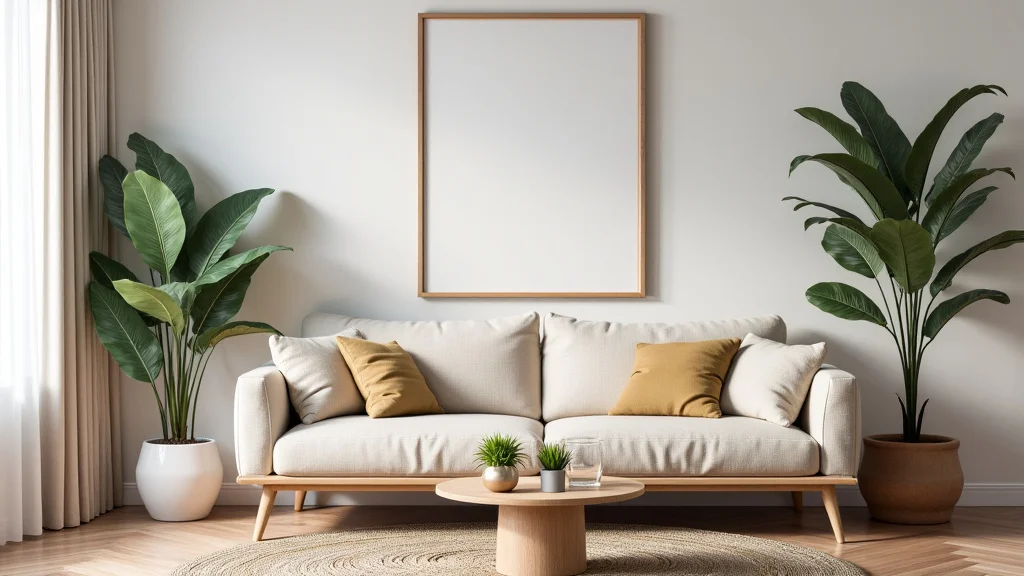
Ever walked into a friend’s house and felt instantly at home, while another space felt completely foreign? That’s the power of different home decor styles. Choosing the right style for your home is like finding the perfect outfit – it should reflect your personality and make you feel comfortable and happy. This post will help you explore a variety of different home decor styles, providing insights into their key characteristics, design elements, and how to incorporate them into your own space. You’ll gain a deeper appreciation for the nuances of each style and learn how to identify the one that resonates most with you. Get ready to transform your home into a space you truly love!
Key Takeaways
- Learn about the defining features of various popular home decor styles.
- Discover the key elements used in each style, such as color palettes, materials, and furniture choices.
- Understand how to blend different styles to create a unique and personalized look.
- Gain inspiration and practical tips for incorporating these styles into your own home.
- Find out how to avoid common design mistakes and make informed choices.
- Explore which styles might suit your personality and lifestyle best.
Exploring a Variety of Different Home Decor Styles
The world of interior design is vast and exciting, offering a multitude of options to express your personal taste and create a living space that feels truly your own. From the sleek lines of modern design to the cozy comfort of farmhouse style, there is a style to suit every preference. The journey of choosing your perfect decor can be a rewarding experience, allowing you to build a space that reflects your individual story. By examining the key features, design elements, and historical roots of various styles, you’ll be well-equipped to make informed decisions and create a harmonious environment. So, let’s start the exploration into the diverse range of different home decor styles!
Modern Style Essentials
Modern style emphasizes clean lines, a neutral color palette, and a sense of functionality. It’s about creating a space that is both stylish and practical, without unnecessary clutter. This style often favors open floor plans and minimal ornamentation, allowing the architecture of the space to shine. The focus is on simplicity and the use of natural light to create a bright and airy environment. Modern design is often perceived as minimalist, but it can also incorporate bold accent pieces to add personality and visual interest.
- Clean Lines and Geometric Shapes: Modern design often features furniture and architectural elements with straight lines and simple geometric forms. Avoid ornate details and embrace a sense of order.
- Neutral Color Palette: The foundation of modern style is frequently based on neutral colors such as white, gray, and beige. These shades create a sense of calmness and provide a versatile backdrop for other elements.
- Functional Furniture: Furniture in a modern setting is typically chosen for both its form and function. Pieces should be practical and designed with purpose.
Think of sleek sofas, rectangular coffee tables, and square or rectangular wall art. The emphasis is on functionality and a streamlined aesthetic. This doesn’t mean the space has to be stark; these shapes can be softened with textiles and other elements.
Accent colors can be introduced through artwork, throw pillows, or decorative items, but they should be used sparingly to avoid overpowering the clean aesthetic. Pops of color are welcome, but the foundation remains neutral.
Consider the placement and use of each item and the role it plays in the overall design. Consider multi-functional furniture like a sofa bed to maximize the use of space.
Minimalist Style: Less Is More
Minimalist design takes the modern style a step further, emphasizing simplicity and eliminating unnecessary items. It’s about living with only what you need and valuing quality over quantity. In a minimalist home, every object serves a purpose, and clutter is kept to a minimum. This style promotes a sense of calm and clarity by reducing visual distractions and focusing on essential elements. The goal is to create a space that is both functional and aesthetically pleasing without being overly decorated.
- Emphasis on Functionality: Every item in a minimalist space serves a purpose. It’s not just about aesthetics; each piece must contribute to the room’s function.
- Negative Space: Minimalist design embraces empty spaces. It is the art of leaving room between objects to create a feeling of openness and ease.
- Limited Color Palette: Minimalist interiors often have an extremely limited color palette, usually consisting of neutral colors like white, gray, and black.
For example, a chair should be comfortable and useful for seating, not just decorative. The focus is on essential elements, so the fewer items, the better.
Don’t be afraid of empty walls or open shelves. Negative space allows the eye to rest and prevents a feeling of visual clutter. This can contribute to a relaxing atmosphere.
The use of a few carefully chosen accent colors can be introduced. The focus is on creating a sense of unity and cohesion through a consistent color scheme.
Farmhouse Style: Rustic Charm and Comfort
Farmhouse style embraces warmth, comfort, and a connection to nature. It blends rustic elements with modern touches, creating a welcoming and relaxed atmosphere. Think of cozy living spaces with natural textures, vintage accents, and a sense of lived-in appeal. The charm of farmhouse design lies in its simplicity and the ability to combine old and new elements seamlessly. It’s a style that celebrates the beauty of imperfection and the history of everyday objects.
The farmhouse style has seen a surge in popularity in the past decade, gaining its foothold in the mainstream of different home decor styles. It’s easy to see why. The style brings a sense of comfort and nostalgia and it is adaptable, meaning it can be adapted to many homes and budgets.
- Neutral Color Palette with Warm Accents: The foundation of farmhouse style often relies on neutral colors like white, cream, and gray. These create a bright and airy backdrop.
- Natural Materials: Wood, stone, and natural textiles are central to the farmhouse aesthetic. Use them whenever possible.
- Vintage and Antique Accents: Incorporate vintage or antique pieces for character and a sense of history. These elements add visual interest and personality.
Warm accents like wood tones, soft greens, and natural textures are brought in to add depth and interest. This ensures the space feels inviting and comfortable, not stark.
Wood flooring, exposed beams, and stone fireplaces are common features. Cotton, linen, and wool fabrics for throws, curtains, and upholstery contribute to a sense of warmth and texture.
Consider using antique signs, weathered furniture, and vintage baskets. Mix these with newer items to create a layered and balanced look.
Exploring More Different Home Decor Styles
In addition to the styles already mentioned, there are several more options. It is important to know about all of them when exploring different home decor styles!
Bohemian Style: A Free-Spirited Aesthetic
Bohemian, or “boho” style, is all about self-expression, creativity, and a global influence. It’s a style that welcomes a mix of patterns, textures, and colors, often with a relaxed and informal vibe. This style encourages you to showcase your personality and collect items from your travels or experiences. It is often characterized by layers of textiles, global-inspired accents, and a love for natural materials.
- Rich Colors and Patterns: Boho style embraces a wide variety of colors and patterns, drawing inspiration from different cultures.
- Global Influences: Boho interiors frequently incorporate elements from around the world. These can include textiles, artwork, and decorative items.
- Layered Textures: Textures are crucial in boho style. Layering different textiles and materials adds depth and creates a warm, inviting atmosphere.
Think of vibrant hues, such as deep reds, oranges, and purples, and combine them with patterned textiles like kilim rugs, tribal prints, and floral designs. Don’t be afraid to mix and match.
Embrace pieces from different cultures, such as Moroccan lanterns, Indian tapestries, and African masks. These will add visual interest and a sense of adventure to your space.
Use a combination of textures, such as woven rugs, macramé wall hangings, and velvet cushions. This creates a cozy and tactile environment.
Coastal Style: Bringing the Beach Home
Coastal style evokes the relaxed atmosphere of the beach, creating a light, airy, and inviting space. It often incorporates a light color palette, natural textures, and elements inspired by the ocean. It’s about bringing the serenity of the coast into your home, promoting a feeling of calm and relaxation. The style can be both sophisticated and casual, making it a suitable choice for a variety of homes and locations.
- Light and Airy Color Palette: Coastal style relies on a palette of light, neutral colors, such as white, cream, and soft blues and greens. These colors create a bright and open feel.
- Natural Textures and Materials: Incorporate natural materials, such as wood, linen, and cotton, to bring in the feel of the beach.
- Beach-Inspired Accents: Include decorative items that evoke the beach, such as seashells, driftwood, and nautical-themed artwork.
Use these colors on walls, furniture, and textiles to create a sense of spaciousness and tranquility. Accent colors can be drawn from the natural world, such as sandy tones or sea-inspired shades.
Consider using wood flooring, woven rugs, and linen upholstery. These materials add texture and warmth to the space, bringing the feeling of the outdoors in.
Use these accents to add personality and a sense of place. Be sure to avoid clutter and keep the look clean and uncluttered.
Mid-Century Modern Style: Retro Charm
Mid-century modern design embraces the clean lines, organic shapes, and a focus on functionality that defined the period. This style is characterized by a blend of sleek and minimal designs with warm wood tones, and it often has an optimistic and playful vibe. The style is instantly recognizable and continues to be a favorite among designers and homeowners for its timeless appeal. It’s a style that blends form and function beautifully.
- Clean Lines and Geometric Shapes: Mid-century modern furniture often features clean lines, simple shapes, and a focus on form.
- Warm Wood Tones: Mid-century modern style uses warm wood tones, such as walnut, teak, and oak, as a key material.
- Color and Pattern: Mid-century modern design often incorporates bold colors and patterns, such as shades of orange, green, and blue.
Look for pieces with tapered legs, organic curves, and minimal ornamentation. This design offers a sophisticated aesthetic.
This includes wood furniture and paneling. The natural wood grain adds warmth and character, grounding the space and adding a touch of nature.
Look for patterned textiles, such as geometric prints and bold abstracts. These colors and patterns add a sense of playfulness and vibrancy.
Mixing and Matching Different Home Decor Styles
One of the most exciting aspects of interior design is the freedom to combine different styles to create a space that is truly your own. Mixing and matching styles allows you to draw inspiration from a variety of sources, creating a unique and personalized aesthetic. It’s about curating a space that reflects your individual taste and tells a story.
Blending styles can appear complex, but with a bit of creativity and planning, you can create a unique space that reflects your personality. When experimenting with different home decor styles, here are some key steps.
Tips for Blending Styles
- Identify Common Threads: Look for common elements across different styles, such as a shared color palette, materials, or design principles.
- Balance is Key: Ensure that one style doesn’t dominate the others. Aim for a balanced combination where each style complements the others.
- Consider Scale and Proportion: Make sure the scale and proportion of your furniture and decor complement each other.
These shared elements will help you create a cohesive look. When in doubt, start with a neutral base and add accents from other styles.
Use each style in moderation, incorporating elements that resonate with you and work well in your space. This creates an interesting and balanced aesthetic.
A small room might feel crowded with large pieces. A large room can get lost if small pieces are used. The right proportions make the space feel harmonious and functional.
Blending Farmhouse and Modern Styles
Blending farmhouse and modern styles creates a look that is both inviting and stylish. The warmth of farmhouse combines with the clean lines of modern design to create a comfortable and sophisticated space. It’s a popular combination that offers the best of both worlds.
- Use a Neutral Base: Start with a neutral color palette of whites, grays, and creams for walls and large furniture pieces. This serves as a foundation for mixing styles.
- Add Modern Accents: Incorporate modern elements, such as sleek lighting fixtures, geometric artwork, and minimal furniture pieces, to introduce clean lines and a contemporary feel.
- Introduce Farmhouse Elements: Add rustic touches, such as a reclaimed wood dining table, vintage decor items, and woven textiles, to bring in the warmth and charm of the farmhouse style.
This mix provides a space that feels both welcoming and fashionable.
Blending Bohemian and Modern Styles
The combination of bohemian and modern styles is a bold and expressive choice, blending creativity with simplicity. This creates a vibrant and eclectic space that is both stylish and comfortable. It’s a great blend for those who love color, pattern, and texture.
- Embrace a Neutral Base: Use a neutral color palette like white or light gray as a foundation for the walls and large furniture pieces to provide a calm backdrop.
- Incorporate Bohemian Accents: Bring in bohemian elements, such as patterned textiles, global-inspired artwork, and woven textures.
- Add Modern Touches: Balance the look with modern elements, such as streamlined furniture, clean lines, and minimalist decor pieces.
The result is a balanced mix that reflects creativity and simplicity.
Myth Debunking Section
Myth 1: You Must Stick to One Style
The idea of committing to one style is often touted as the ‘correct’ way to decorate. But, it is not always true. In reality, your home should be a reflection of you. It’s better to embrace the style elements you love most and make them work together. This creates a unique and personalized look.
Myth 2: Expensive Decor Means Better Style
Expensive decor doesn’t automatically mean better style. It is important to focus on finding items that you love, regardless of the price tag. Style is often about blending different elements in a smart way. It is more about personal taste and how pieces complement each other rather than the expense of each individual piece.
Myth 3: Small Spaces Can’t Have Personality
Small spaces can be extremely stylish. In fact, small spaces often benefit from thoughtful and creative design choices. They can be more intimate and easier to personalize. Clever use of color, furniture, and storage can make a small space feel stylish and functional.
Myth 4: A Good Design Requires a Professional
Hiring a professional is helpful, but not always a requirement. With information and guidance, you can develop an eye for design and learn to create a space you love. There are plenty of resources available to help you along the way. This allows you to explore different home decor styles on your own.
Myth 5: Trends are a Must
Trends come and go, but your personal style will last. While it’s fine to consider current trends, the focus should be on elements that align with your individual taste and needs. When creating your space, consider how long it’ll last.
Frequently Asked Questions
Question: How do I choose the right style for my home?
Answer: Think about your lifestyle, personality, and what makes you feel comfortable. Look at images, visit homes, and try experimenting with different styles to see what resonates with you.
Question: Can I change my home decor style later?
Answer: Yes! Home decor is an evolving process. It’s okay to experiment and adjust your style as your tastes change.
Question: Where can I find inspiration for home decor styles?
Answer: Browse magazines, websites, social media, and visit show homes. Pinterest and Instagram are great resources.
Question: How do I avoid common design mistakes?
Answer: Avoid overcrowding, ensure a balance of colors and textures, and plan your layout before purchasing items.
Question: What if my partner and I have different style preferences?
Answer: Find common ground by identifying elements you both like and try to blend your styles to create a cohesive space that reflects both of your tastes.
Final Thoughts
Exploring different home decor styles opens doors to crafting a home that truly reflects your essence. Remember, your home should be a place where you feel comfortable, inspired, and, above all, happy. There is no one-size-fits-all approach to interior design. Each style has its unique appeal, and the beauty of it lies in the ability to combine these various elements in exciting ways. You’ve now gained insights into various styles, from modern to bohemian. You’ve also seen how to mix and match elements to create something unique.
Start by identifying the styles that speak to you. Then, slowly introduce elements from those styles into your space. Don’t be afraid to experiment, make mistakes, and adjust as you go. Focus on creating a space that feels right for you and embrace the joy of personal expression. Happy decorating!


