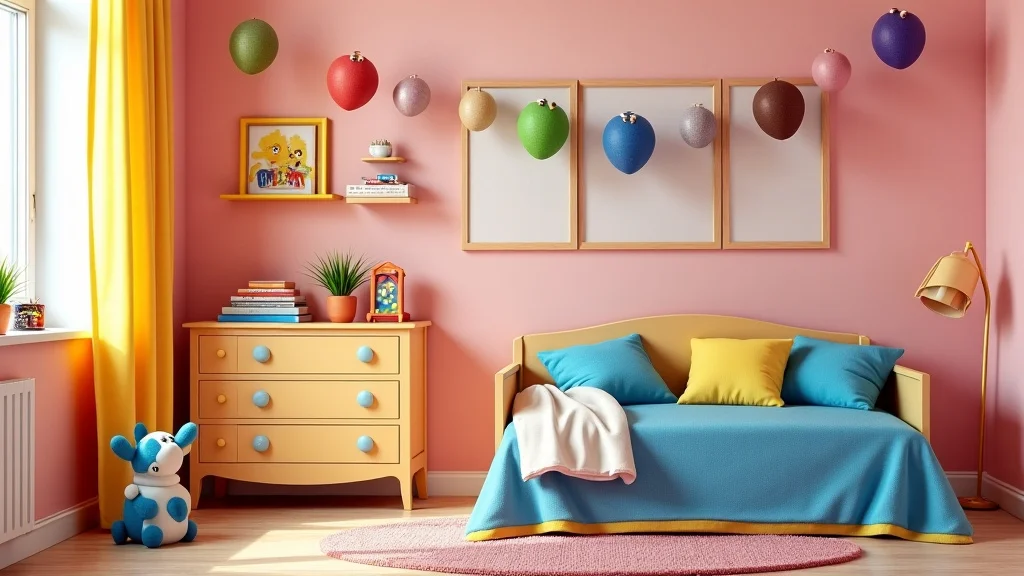
Remember that feeling of walking into your grandmother’s house? The scent of lavender, the soft glow of a table lamp, and the stories whispered by the furniture. That feeling is the essence of vintage style home decor. Perhaps you recently found a beautiful antique at a flea market, or maybe you’re simply dreaming of a more classic aesthetic for your living space. This guide will help you curate a space that embodies the beauty and enduring appeal of the past. We’ll explore various aspects of vintage style home decor, offering practical advice and inspiration to transform your home into a haven of timeless elegance. You’ll gain a deeper appreciation for the design elements, learn how to source authentic pieces, and discover creative ways to blend vintage finds with modern living. This will help you create a warm, inviting, and truly unique home.
Key Takeaways
- Learn how to identify and source authentic vintage items.
- Discover the key design principles that define vintage style home decor.
- Find inspiration to blend vintage pieces with modern elements for a fresh look.
- Understand the importance of color palettes and textures in creating a cohesive aesthetic.
- Explore the best resources for finding vintage furniture and accessories.
- Gain confidence to transform your home into a beautiful and timeless space.
Embracing the Allure of Vintage Home Decor
The beauty of vintage style home decor lies in its ability to evoke nostalgia, personality, and a sense of history. Unlike contemporary styles that often prioritize sleek minimalism, vintage decor celebrates the unique character of older items, from the ornate details of antique furniture to the charming imperfections of handcrafted pieces. It’s about creating a space that feels lived-in, loved, and full of stories. The core is about embracing pieces that have character and charm, each with its own history. This approach creates a warm and inviting atmosphere, unlike the sterility often associated with modern design.
Defining Vintage vs. Antique
Before exploring the ins and outs of vintage style, it’s beneficial to differentiate between “vintage” and “antique.” Often used interchangeably, these terms have distinct meanings within the world of home decor. Understanding these differences can assist you in sourcing items that align with your aesthetic preferences and budget. The key is in knowing what to look for, and the type of items you wish to collect.
- Vintage Items: Generally, vintage items refer to those made between 20 to 99 years ago. They possess the charm of past eras but are often more accessible and affordable than true antiques. Think of items from the mid-20th century, like the iconic mid-century modern furniture that has regained immense popularity.
- Antique Items: Antiques are items that are at least 100 years old. These pieces often carry a higher value, both monetary and sentimental, and are often considered collectibles. They embody a rich history, reflecting the craftsmanship and design sensibilities of earlier generations. They’re often associated with a sense of prestige.
- Key Differences: The primary distinction lies in age, historical significance, and cost. While both vintage and antique items offer unique charm, antiques often demand a higher investment. Vintage items are usually easier to find and may be more adaptable to contemporary interiors.
Mid-century modern pieces are known for their clean lines, organic shapes, and use of materials like wood and metal. These pieces reflect a post-war optimism and a focus on functionality and accessibility. They were created in a way that offered comfort and a sense of sophistication. They are popular because they are easy to match with other styles.
Antiques frequently display the intricate craftsmanship and design choices of past eras. The value lies not only in their age but also in their rarity and historical relevance. These pieces are often made with quality materials and handcrafted with attention to detail. Owning an antique is like owning a small piece of history. Remember, the history may vary from the time the item was created, or used by a famous person.
The price difference can be significant, so understanding the terminology helps you to allocate your resources and choose pieces that best fit your budget and personal style. Also, remember to be patient and keep looking, because you will eventually find your perfect item. This allows you to explore the history of a piece, and learn where the item came from.
Spotting Authentic Vintage Treasures
The market is full of reproductions or items described as “vintage-inspired,” so it’s important to develop your eye for spotting authentic pieces. You will want to learn how to distinguish a true vintage find from a modern imitation. Several clues can help you determine the age and authenticity of a piece.
- Materials and Construction: Examine the materials used. Vintage items often feature solid wood, quality veneers, and older fabrics like velvet or linen. Look for traditional construction techniques like dovetail joints in drawers, which are a sign of quality craftsmanship.
- Signs of Wear and Tear: Slight imperfections, such as scratches, dents, or faded colors, are typical and often add to the charm of a vintage item. They tell the story of the piece’s history. These details are part of the authenticity of the item.
- Maker’s Marks and Labels: Check for any maker’s marks, labels, or stamps, which can offer valuable information about the piece’s origin, manufacturer, and date. Research the marks to verify the item’s authenticity.
- Hardware and Fasteners: The hardware (knobs, pulls, hinges) on vintage furniture is often different from modern versions. They are frequently made of solid brass or other high-quality metals, and their designs reflect the aesthetic of the period.
Solid wood furniture, which is less common in modern mass-produced furniture, tends to be heavier and of higher quality than its contemporary counterparts. Check the joints and fastenings. Dovetail joints are an example of this. You can expect high-quality craftsmanship, meaning the item will last a long time.
Authentic pieces often have unique signs of wear, such as slight fading, discoloration, or minor flaws. These imperfections are part of the story of an item, demonstrating its past use and adding to its uniqueness. Look for signs of use, like the marks left on furniture, or even on the fabric.
Maker’s marks are often found on the underside of furniture, inside drawers, or on the back of items. These provide valuable information about a piece’s origin, the manufacturer, and the approximate production date. Researching these marks can verify authenticity.
Often, the hardware on vintage pieces is distinct. Look for solid brass knobs, unique hinges, and other details that reflect the design styles of their era. These details can indicate the age and origin of the piece, and are not commonly available in stores anymore.
Key Elements of Vintage Style
Creating a beautiful vintage style home decor requires an understanding of key design principles. This includes color palettes, textures, patterns, and furniture selection. These elements work together to form a cohesive and visually appealing space. Knowing these elements is key to the overall style.
Color Palettes for Vintage Spaces
Color plays an important role in defining the atmosphere of a vintage-inspired space. The most successful vintage interiors often use a carefully selected palette that reflects the era you’re trying to achieve. Using different colors, you can evoke a range of moods and styles, whether it’s the warm earth tones of the 1970s or the pastels of the 1950s. The hues you pick play a huge role in the room’s design.
- Soft Pastels: Think of the pale pinks, mint greens, baby blues, and soft yellows of the 1950s. These colors create a light, airy, and inviting feel. They work well in bedrooms and living rooms, offering a sense of calm and serenity.
- Warm Neutrals: Cream, beige, ivory, and soft grays provide a versatile backdrop for vintage furnishings and accessories. They serve as a canvas, allowing your vintage treasures to shine. Warm neutrals create a cozy and inviting atmosphere.
- Jewel Tones: Rich and vibrant jewel tones like emerald green, sapphire blue, ruby red, and amethyst purple were popular in the Art Deco era and are still used today. They bring a touch of glamour and sophistication to a space, making a bold statement.
- Earthy Tones: The 1970s saw the rise of earthy colors like olive green, burnt orange, mustard yellow, and chocolate brown. These colors create a warm, inviting, and grounded atmosphere, perfect for living rooms or dining areas.
These colors are often associated with the mid-century period. They are especially suitable for creating a bright and welcoming atmosphere. Pastels can be balanced by using them with white, cream, or other neutral tones.
Neutral colors are useful as a starting point, and they work well with any color you choose. They offer the flexibility to add pops of color through furniture, accessories, and artwork. A neutral base allows for effortless changes and adjustments.
Incorporating jewel tones requires balance, as they can be overwhelming. Use these colors as accents, through fabrics, accessories, or statement pieces. It can add a dramatic effect and visual interest.
These colors give a sense of grounding and coziness. They often work well with natural materials like wood, leather, and woven textures. They are also known for creating an inviting atmosphere that is very comfortable.
Textures and Patterns
In vintage style home decor, texture and pattern are crucial for creating visual interest and depth. By combining different fabrics, materials, and patterns, you can add richness and character to a space. Consider combining materials to create contrast, and add visual interest. Layering patterns can create a rich and interesting aesthetic, but it requires a delicate balance to prevent visual overload.
- Textured Fabrics: Velvet, linen, chenille, and brocade are common fabrics in vintage decor. These materials provide a tactile experience, adding depth and coziness to your space. The soft, rich feel of velvet can instantly add a touch of luxury.
- Patterned Fabrics: Floral prints, damask, paisley, and geometric patterns were very common. These patterns add visual interest and personality. Mixing and matching patterns is one way to create a unique look.
- Materials: Incorporating wood, metal, glass, and ceramic elements can enhance the overall vintage aesthetic. Wood furniture provides warmth and character, while metal accents offer a touch of industrial charm.
- Layering: Layering textures and patterns is key to achieving a lived-in, cozy feel. Add throw pillows, blankets, rugs, and curtains with different textures and patterns to enhance the space.
Consider the placement and use of these materials. Velvet can make a room luxurious, while linen is more relaxed. The combination of textures is what makes the space interesting, as it is very visual and tactile. Soft textures can be comforting, creating an inviting space.
Combining patterns is a great way to show your personal style. Choose a central pattern to focus on, and then select others. When the patterns are in the same color, this can help provide a cohesive look. When patterns are similar in style, they can blend well together.
Consider the various finishes and how they complement each other. For example, the warmth of wood against the coolness of metal creates visual interest. Glass and ceramic pieces can add an element of lightness and elegance. It allows you to create a well-rounded and interesting visual experience.
Mixing and matching textures and patterns creates depth and visual interest. It allows you to create a unique and comfortable space. A well-layered space creates an inviting atmosphere, and it welcomes those in the space.
Sourcing Authentic Vintage Items
The journey to create a vintage style home decor is all about the hunt for unique treasures. You have to locate the vintage finds to furnish your home. Fortunately, there are many options available for sourcing authentic vintage items. This includes antique stores, flea markets, online marketplaces, and more.
Antique Shops and Boutiques
Antique shops offer a curated selection of vintage items, and each store’s inventory may vary greatly depending on location. These establishments are a great place to start your search. They are a good place to start, as they have done the work for you. There is a lot to consider as you look for the right store.
- Benefits: Antique shops offer a specialized service, and a curated selection of vintage items. They can verify authenticity, and can provide you with a lot of details about the items.
- Drawbacks: Prices in antique shops can be higher than other sources, and their hours can be restrictive. You will want to shop around for the best deals, and know what you are looking for before you go.
- Tips: Do your research beforehand, and visit different shops to get a feel for the prices and inventory. Ask the shop owners questions about the items, and do not be afraid to haggle.
The shop owners are experts in their field, and are able to answer questions. They can provide advice on the best pieces to match your style. You may also find unique and rare items not seen elsewhere.
The prices will vary, depending on the items and their rarity. Also, you may not find something that meets your budget or style. The selection may also be limited, and the location might be difficult to get to.
Be aware of the seller’s policies on returns, and ask for a detailed description. Visit various shops, and you may find items that you never expected. Be sure to shop at stores that you trust, and feel comfortable at.
Flea Markets and Garage Sales
Flea markets and garage sales are perfect for finding vintage treasures at bargain prices. The joy of the hunt, combined with the chance to find a unique piece at a steal, makes these locations a favorite for vintage lovers. These events are great because they often have great pieces.
- Benefits: Great prices, the opportunity to find unique, one-of-a-kind items, and the joy of the hunt. You can also meet the sellers, and sometimes learn the history of an item.
- Drawbacks: The selection can be inconsistent, items may need restoration, and it can be time-consuming. You will need to bring cash, because most of these sales do not accept credit cards.
- Tips: Arrive early for the best selection, bring cash, and inspect items carefully before purchasing. Do not be afraid to bargain and negotiate prices.
Flea markets and garage sales often have lower prices than other sources. They provide an opportunity to find unique items, and the ability to negotiate with sellers. There is no better way to learn more about the item.
The selection can be unpredictable, and the quality of items can vary. Be prepared to spend time searching through various stalls and tables. Items may also require repair or restoration.
Arriving early gives you an advantage over other shoppers. Inspect the items closely for damage or imperfections. Do not hesitate to negotiate prices, and use your knowledge to get the best deal. Ask the sellers if there are other items available, and be friendly and polite.
Online Marketplaces and Auctions
Online marketplaces and auctions have become a popular option for sourcing vintage items. These platforms offer convenience, a wide selection, and the ability to compare prices and read reviews. It can also expand your reach and find unique items.
- Benefits: A vast selection of items, the convenience of shopping from home, and the ability to compare prices. Also, you can often find a wide range of products, so you have options.
- Drawbacks: The lack of in-person inspection can lead to surprises. Shipping costs can be significant, and you may encounter dishonest sellers. There is also a risk of buying reproductions or items that are not what you expected.
- Tips: Carefully examine photos and descriptions, ask questions, and check the seller’s feedback. Be aware of shipping costs, and read return policies.
Online marketplaces offer a wide selection of vintage items, and you can shop at any time. You can compare prices from various sellers and browse reviews before making a purchase. Also, the availability of items is often greater than physical stores.
You cannot inspect an item yourself. Shipping costs and handling fees can add to the total cost. Be careful of fraudulent listings. Examine seller feedback, and verify all details.
Before purchasing, carefully examine the pictures and the item description. Always ask questions of the seller to clarify details. Be informed of the shipping costs, and confirm that the seller has a return policy. Make sure that you are protected.
Blending Vintage and Modern Styles
One of the most interesting aspects of vintage style home decor is the opportunity to blend vintage items with contemporary design elements. This approach adds depth and personality to your living space. This mix makes it more interesting than just using one style alone. The result is a unique and personalized home.
Combining Old and New
The goal is to create a cohesive and harmonious space. This involves creating a mix of old and new design features. You can do this by using the contrast to create a harmonious mix.
- Furniture: Pair an antique sofa with a modern coffee table, or place vintage chairs around a contemporary dining table. This creates visual interest and balances the styles.
- Lighting: Incorporate vintage chandeliers or table lamps to add a touch of glamour, while using modern track lighting or recessed lighting for functional illumination. The result should enhance both styles.
- Accessories: Incorporate vintage art, mirrors, and decorative objects into a modern interior. These unique items serve as focal points and add personality to the space.
- Color Palette: Use a mix of colors to tie the design together. A neutral wall color will help. Use pops of vintage colors as accents, and consider using modern patterns.
Place an antique sofa with a mid-century modern coffee table. The contrasting forms and styles will blend into an interesting area. This will also enhance the room’s character. Place vintage chairs around a contemporary dining table.
A vintage chandelier in a modern bedroom can create a striking contrast, while adding elegance. Incorporate modern track lighting to enhance the room. It also adds a more functional illumination. It also gives the space a sense of character.
Add vintage art pieces and decorative items to a modern interior. These pieces will serve as focal points, and they give a modern interior character. Antique mirrors can be an attractive addition.
Neutral wall colors will create a base that is suitable for all styles. Use pops of color from a vintage piece, and consider using modern patterns to enhance the space. Balance the old and new.
Creating Harmony Through Contrast
The use of contrasting elements is key to blending vintage and modern styles successfully. The result is a home that showcases your personality, while creating a unique space. Here are some examples of what to use, and why.
- Texture: Pair smooth, minimalist furniture with textured vintage pieces. This will help with creating a look that is interesting and inviting. It will make the space more dynamic and visually appealing.
- Shape: Use a mix of shapes. Add some vintage pieces with ornate lines, combined with modern furniture. You can add a vintage mirror to a room with simple lines. The contrast creates visual interest.
- Scale: Contrast large, imposing vintage furniture pieces with smaller, more delicate modern items. This adds a sense of scale. The furniture creates a sense of balance.
Pair a smooth, modern sofa with a velvet, vintage ottoman. The result will be a striking visual contrast. The juxtaposition of textures adds depth, while making the space more appealing.
Pair a vintage, ornate mirror with sleek, modern side tables. The combination of simple lines and ornate lines will create visual interest. It also adds a touch of flair.
Pair a large vintage armoire with small, modern accent chairs. The contrast in scale can create visual interest. The juxtaposition adds balance, and emphasizes both styles.
Frequently Asked Questions
Question: How do I clean and care for vintage furniture?
Answer: Cleaning depends on the furniture. Dust regularly with a soft cloth, and use appropriate cleaners for wood or upholstery. Avoid harsh chemicals.
Question: Where can I find affordable vintage items?
Answer: Flea markets, thrift stores, and online marketplaces offer the best deals. Be prepared to search.
Question: How can I tell if a vintage item is authentic?
Answer: Check for maker’s marks, examine construction methods, and look for signs of wear and tear. Do some research.
Question: Is it okay to mix and match different vintage styles?
Answer: Absolutely! Mix different eras and styles. It’s about personal preference. Be sure that it is cohesive, and fits your style.
Question: What’s the best way to start decorating with vintage pieces?
Answer: Begin with a single statement piece, and build from there. Start slow. The key is balance.
Final Thoughts
Exploring vintage style home decor is about more than just recreating a historical aesthetic. It’s an opportunity to create a home that tells a story, a space filled with personality, warmth, and enduring beauty. You now have the knowledge to find those unique items, understanding their history, and incorporating them into your space. Remember to focus on finding pieces that resonate with you, and to embrace the charm of imperfections. Consider the use of color palettes and textures. Do not be afraid to mix and match. With a little effort, your home can become a haven of vintage charm, a place you’ll love to live in and share with others. Start small, experiment, and enjoy the process of creating a home that reflects your unique style and appreciation for the past.