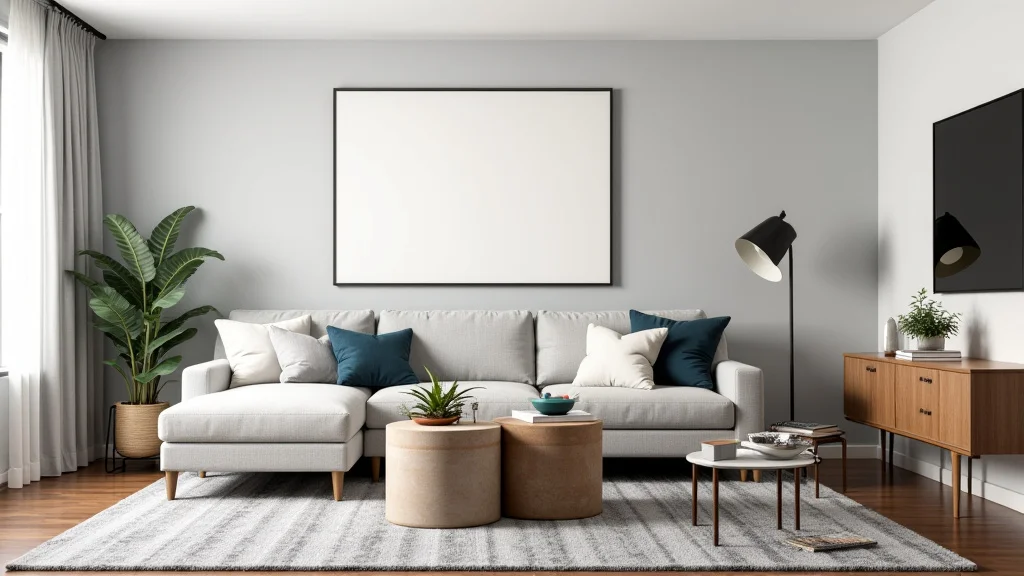
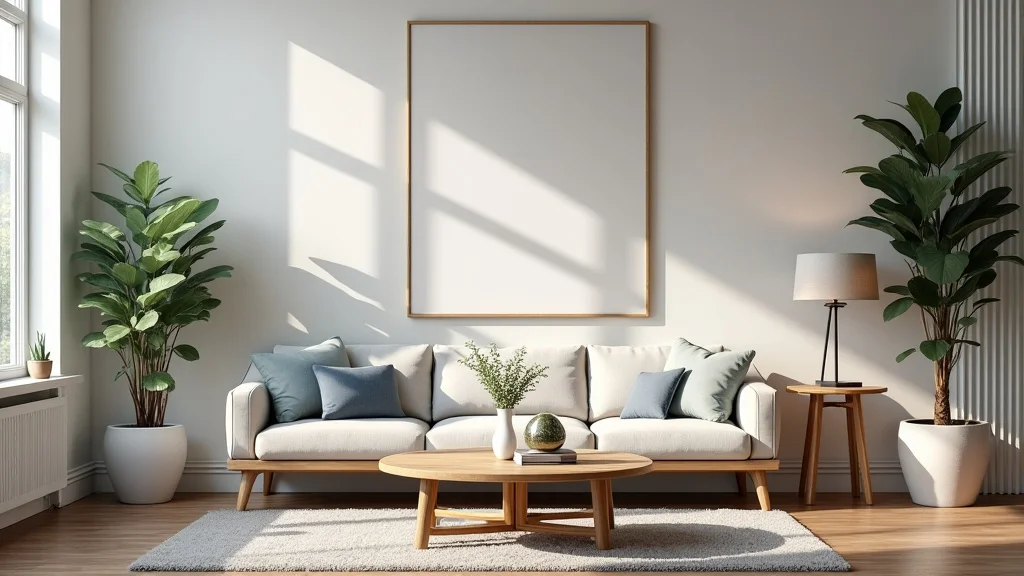
Remember that time you spent hours scrolling through decor inspiration on your phone, feeling overwhelmed by the sheer volume of options? From minimalist apartments to cozy cottages, it can feel impossible to figure out where to start when it comes to general home decor ideas. This post aims to simplify that process. We’ll explore practical strategies, offer actionable tips, and provide creative inspiration to help you transform your home into a space you genuinely love. You’ll leave with a clear plan to make your decorating visions a reality.
Key Takeaways
- Discover how to identify your personal style and translate it into home decor.
- Explore practical strategies for working with existing spaces and budgets.
- Learn about the impact of color, lighting, and textures on a room’s atmosphere.
- Find inspiration to create a welcoming and functional home environment.
- Get valuable insights into choosing furniture and accessories that complement your style.
- Gain the confidence to implement your general home decor ideas effectively.
Defining Your Decorating Style
Before you purchase that perfect sofa or a statement piece of artwork, it’s beneficial to know what you like. Defining your personal decorating style is the first step toward creating a home that reflects your personality and preferences. This section guides you through the process of identifying your aesthetic preferences, exploring different styles, and curating your perfect look.
Self-Discovery and Inspiration
The journey begins with introspection. Consider what colors, textures, and atmospheres resonate with you. Are you drawn to the clean lines of modern design, the warmth of rustic aesthetics, or the eclectic charm of bohemian interiors? Flip through magazines, browse online platforms such as Pinterest and Instagram, and save images of spaces that catch your eye. What elements in these spaces are consistent? Do they feature natural light, a muted color palette, or bold pops of color? Notice which types of decor consistently make you feel inspired.
- Create a mood board: This visual tool helps you collect and organize images, color palettes, and textures that appeal to you. It’s a great way to see what style ideas you’re drawn to.
- Take a style quiz: Online quizzes are fun and quick ways to discover your style. Many sites offer these quizzes, usually asking questions about your preferences.
- Visit showrooms: Explore furniture stores and model homes. Seeing furniture and decor in person can help you gauge how certain items fit in your space and how different styles feel.
Gather images, paint chips, and fabric swatches and arrange them on a physical or digital board. This process allows you to identify recurring themes and patterns in your taste. Consider how elements like lighting, the arrangement of furniture, or the use of specific materials make you feel.
These quizzes can reveal your dominant style or suggest combinations. Be open-minded as you take the quiz. Some quizzes might indicate a style you hadn’t considered before, which could spark new ideas. Remember that your style may also be influenced by your environment, lifestyle, and culture.
Pay attention to how the spaces are arranged and lit. Note how different textures and colors are used together to create a cohesive atmosphere. Visit local home decor stores and explore their displays. Often, these stores are curated to specific design styles. Observe how the products are presented and the overall atmosphere that is created.
Exploring Different Decorating Styles
Once you understand your preferences, it’s time to explore the various decorating styles that could be a fit for your home. You do not have to pick just one style; you can mix and match.
- Modern: Characterized by clean lines, a neutral color palette, and minimal ornamentation. Focus is on functionality.
- Traditional: Emphasizes classic elegance, symmetry, and ornate details. Features rich colors, detailed woodwork, and antique furniture.
- Farmhouse: A comfortable style that incorporates rustic elements, natural materials, and a sense of coziness. Features neutral colors, wooden furniture, and vintage accents.
- Bohemian: This style embraces global influences, eclectic patterns, and a relaxed, free-spirited vibe. Incorporates vibrant colors, textiles, and plants.
- Minimalist: Features a focus on simplicity, functionality, and uncluttered spaces. Emphasizes neutral colors, clean lines, and a reduction of unnecessary items.
Modern style emphasizes simplicity and elegance. Think of sleek furniture, open spaces, and an uncluttered look. The color palette often includes white, gray, and black, with a touch of color through artwork or accent pieces. The furniture tends to be made of materials like metal, glass, and wood, with simple shapes that prioritize functionality and comfort.
This style is warm and inviting, often featuring furniture with intricate carvings, plush fabrics, and a range of textures. The color palettes can include dark wood tones, deep reds, greens, and gold, creating a rich atmosphere. Accessories like patterned rugs, ornate mirrors, and fine art are commonly used.
Often uses a neutral color palette with white, gray, and beige as the base. It’s important to incorporate natural materials like wood, linen, and cotton. Consider adding vintage or antique accents like wooden signs, farmhouse sinks, and wrought iron lighting to enhance the farmhouse charm.
Bohemian decor is about self-expression and is often characterized by bold colors, mixed patterns, and a relaxed, carefree attitude. Think globally inspired textiles, such as Moroccan rugs and Indian tapestries, along with a mix of vintage furniture and artwork. Plants, candles, and decorative cushions add to the inviting ambiance.
This style embraces a ‘less is more’ approach. It emphasizes clean lines, a simple color palette, and functional furniture. In a minimalist home, every item should have a purpose. Furniture should be simple in design, often with concealed storage solutions. The color palette commonly features neutral colors like white, gray, and beige, sometimes with a touch of a single color for accents.
Planning and Budgeting for Your Project
Now that you’ve identified your style, it is time to plan your project, starting with your budget. Creating a well-defined plan, including a budget, is essential for a successful general home decor project. This section offers practical advice on setting a budget, creating a timeline, and prioritizing your projects to achieve your vision without breaking the bank.
Setting a Realistic Budget
Determining your budget is the cornerstone of any home decor project. The amount you choose should take into account all expenses, from large purchases to smaller details. It’s smart to start with a realistic figure and stick to it.
- Assess your financial situation: Start by looking at your current financial position. Consider your income, expenses, savings, and any existing debts.
- Prioritize your needs: Identify which spaces or elements of your home are most important to you to improve or change.
- Research costs: Begin researching the expenses involved in your home decor project. Check the costs of items you want to purchase.
- Factor in hidden costs: Unexpected expenses can arise. Include a contingency fund to manage any additional costs.
Examine your monthly cash flow to see how much you can comfortably allocate for your project without straining your finances. Consider any long-term financial goals and factor them into your budgeting plan. Look at your savings to understand how much you can use. Assess your income level, paying attention to any possible shifts in the near future.
Maybe you need a new sofa for your living room or fresh paint for your bedroom. Prioritizing helps you allocate funds efficiently. Determine if you’re undertaking a minor cosmetic update or a comprehensive renovation. The scale of the project will significantly impact your budget. Categorize projects into ‘must-have,’ ‘nice-to-have,’ and ‘luxury’ items. Allocate more funds to the critical elements.
Browse various furniture stores and online retailers. Compare prices, and consider any shipping costs. If you need to hire contractors or painters, obtain quotes. Get multiple quotes and compare them. Don’t be afraid to ask for a detailed breakdown of costs from potential contractors. This ensures you understand exactly where your money is going.
Allocate a percentage of your budget (10-20%) to cover unexpected costs. These might include hidden repairs, shipping fees, or unforeseen delays. Consider costs like taxes, delivery, and any installation fees. Always have a contingency plan and budget to manage unexpected financial situations.
Creating a Timeline and Prioritizing Projects
A well-structured timeline is essential for keeping your project on track and avoiding stress. Prioritizing projects helps ensure you achieve the most impactful results within your budget.
- Break down the project: Divide your project into smaller, manageable tasks.
- Set realistic deadlines: Assign a reasonable time frame for each task.
- Prioritize tasks: Focus on projects that offer the greatest impact or improve your home the most.
- Review and adjust: Periodically review your timeline.
Create a detailed list of every task involved, such as painting walls, purchasing furniture, installing lighting, or adding decor. Start by creating a broad overview of your project. Each task should have a clear goal and measurable outcome. For instance, ‘Paint the living room walls’ instead of a general term. Identify the specific color you need to buy and the tools needed.
Consider the complexity of each task, your available time, and the potential for any delays. For example, painting a room may take a weekend, but installing a new kitchen may take several weeks. Be realistic about the time required for each task, including preparation and clean-up. Build in some buffer time to accommodate unexpected issues.
Consider which projects will make your home more comfortable, functional, and aesthetically pleasing. For example, replacing old lighting fixtures might be higher priority than adding decorative accents. Evaluate tasks based on their impact. Focus on the ones that offer the greatest aesthetic improvement, comfort, and functionality. Evaluate whether the benefits outweigh the effort and investment.
As your project unfolds, you might need to adjust your deadlines or re-prioritize tasks. Check in on each task to ensure you’re meeting the deadlines. Regular check-ins help identify potential problems early. Be ready to revise your timeline or adjust your priorities if necessary.
Color, Lighting, and Texture for Your Space
Once you have a plan, it’s time to create your vision. Three of the most powerful elements of interior design are color, lighting, and texture. These three can influence a room’s atmosphere. This section provides insights into selecting colors, types of lighting, and various textures, and offers practical advice on how to use these elements to create a harmonious and inviting space.
Selecting a Color Palette
Color is one of the most powerful tools in interior design, capable of transforming a room’s mood and feel. From creating calm to boosting energy, choosing the right color palette is key.
- Consider the mood: Colors evoke different emotions. Decide what feeling you want your room to convey.
- Consider natural light: Assess how much sunlight a room receives. This influences how colors appear.
- Use the 60-30-10 rule: This easy rule helps balance colors in a room.
- Test paint colors: Always test paint colors before committing to a whole room.
Do you want a calm and relaxing space, or do you prefer an energetic and lively atmosphere? Soft, muted colors like blues, greens, and grays can create a sense of tranquility. Warm colors like reds, oranges, and yellows can add energy and warmth. Think about how the room will be used. A bedroom might benefit from a calming color. A kitchen might benefit from an energizing color.
Rooms that get a lot of natural light can handle darker colors. Rooms with less light might need lighter colors to brighten the space. The direction of sunlight can also impact color perception. South-facing rooms often receive warm light. North-facing rooms generally get cooler light. For a room with low light, use bright colors to make it seem airy and bright. For rooms with a lot of light, you could use darker colors without losing too much brightness.
Use 60% of the room for a dominant color, 30% for a secondary color, and 10% for an accent color. This can help create a balanced and visually appealing space. Think of the 60% as the walls. The 30% as the furniture and rugs. And the 10% as your accent pieces like throw pillows and artwork.
Purchase sample paint pots and apply them to a section of your wall. Evaluate how the color looks at different times of the day, with different lighting conditions, and with the surrounding furnishings. Testing colors is a crucial step. It helps you ensure that the color works well with your furniture and decor.
Strategic Lighting Choices
Lighting is another essential element in any design and is crucial for setting the ambiance. Proper lighting can highlight architectural features, improve functionality, and even impact your mood.
- Layer your lighting: A mix of lighting creates a well-balanced look.
- Consider the function of the room: Choose lighting that is suitable for the room’s use.
- Use dimmers: Dimmers allow you to adjust the lighting levels to suit different times of the day and activities.
- Incorporate natural light: Maximize natural light with strategic window treatments and mirror placement.
Include ambient (general), task (focused), and accent lighting (decorative). Ambient lighting, such as overhead fixtures or recessed lighting, provides overall illumination. Task lighting, like desk lamps, can be used for activities such as reading or working. Accent lighting, such as spotlights or wall sconces, highlights specific features, like artwork.
In the kitchen, combine task lighting over countertops with ambient lighting in the center of the room. In the bedroom, provide bedside lamps for reading along with a softer overhead light. Living rooms can benefit from a mix of lighting to create different moods. Make sure that the lighting setup complements the activities you undertake in each space.
Install dimmers on your lights to give you more control over the mood and functionality of your space. Dimmers let you set the level of brightness you want, and this is important for creating the desired atmosphere. They can transform a room from bright and functional to calm and cozy with ease. They can also enhance the design of a space. Dimmers create versatility and better functionality.
Maximize natural light by selecting curtains or blinds that allow the light to filter through, or consider using mirrors to reflect light. Mirrors can be an excellent way to make the space seem larger and to bounce light around the room. Ensure that the window treatments are practical and align with your style.
Incorporating Textures
Texture adds depth and interest to any space. It transforms a room from being visually static to one that is multi-dimensional and inviting. Incorporating texture can be a simple way to create a more engaging environment.
- Mix and match textures: Combine a variety of textures to add visual interest.
- Use textiles: Fabrics are a great way to add texture.
- Consider natural elements: Natural elements like wood and stone introduce texture.
- Pay attention to surfaces: The surfaces of walls, floors, and furniture offer texture.
Combine soft textures, like velvet cushions, with rough textures, like a wooden coffee table or a woven rug. These elements create a layered and interesting look. Texture can be incorporated through fabrics, furniture, and decorative items, and it enhances the overall aesthetic. Try integrating textured items to prevent the room from feeling dull. Consider combining a variety of materials and fabrics. The contrast between textures is a great way to create a layered aesthetic.
Add cozy throws and decorative pillows to your sofa and bed. Choose fabrics like linen, velvet, wool, and cotton. Use fabrics in your curtains, bedspreads, and tablecloths. By using textiles, you can quickly and affordably add visual interest. Try using patterned fabrics on accent pillows and curtains. Using different textiles is a simple way to introduce textures without major changes.
Incorporate wood furniture, stone accessories, or even a living plant for natural texture. A stone fireplace, a wooden dining table, or a woven basket all add depth and character. Using natural elements grounds the design. Natural textures can add warmth and organic appeal to a room.
Consider the use of textured wallpaper, rough-hewn wooden floors, or furniture with a tactile finish. The tactile quality enhances the room. Consider painting walls with textured paint. This creates a tactile element. Incorporating these surface elements can add depth and visual appeal.
Choosing Furniture and Accessories
After you have considered color, lighting, and texture, the next step is choosing furniture and accessories. Selecting the right pieces is vital to complete a room. This section will guide you through the process, offering insights on how to choose furniture and accessories that will fit your style and budget.
Selecting the Right Furniture
Furniture provides the foundation for any home and should be both functional and aesthetically pleasing. Making the right choices will enhance the appearance and comfort of your living space.
- Measure your space: Make sure your furniture fits your room. Measure your space before purchasing anything.
- Consider the function: Choose furniture based on the room’s function.
- Focus on quality: Buy furniture that is durable. Choose pieces that will last.
- Balance form and function: Focus on design and usability.
Measure the dimensions of your room to ensure furniture fits comfortably. Consider the flow of movement. Note the location of doors, windows, and architectural elements. Using measurements will prevent buying furniture that is too large or too small. Create a floor plan or use a room design software to visualize how your furniture will fit in the space. Measure not only the length and width of the room but also the height of the walls.
Consider the needs of each space. Select seating and tables to suit the living room, a bed and nightstands for the bedroom, and a dining table and chairs for the dining room. Furniture should be practical. It should also be comfortable and durable. The furniture should enhance the intended use. Consider the specific activities that take place in each space.
Choose furniture made of high-quality materials and constructed well. Durable pieces will provide long-term value. Examine the craftsmanship, paying attention to details like the joinery and finish. Consider the materials used. The quality of materials like wood, fabric, and hardware will affect its longevity and appearance. A well-built piece of furniture will last for many years.
Ensure that your furniture matches your style and also meets your needs. Ensure that a sofa is comfortable and stylish. Also, it should fit in well with your decor. Consider how it looks and how you will use it. Choose items that fulfill a purpose while elevating the aesthetic appeal of your home.
Accessorizing Your Space
Accessories bring personality, color, and texture to any space. Accessorizing can complete a space and reflect your taste and lifestyle.
- Choose accessories that reflect your style: Accessories should suit your style.
- Use a variety of textures and materials: Mix and match for visual interest.
- Incorporate artwork and personal touches: Add elements to personalize your space.
- Edit your accessories: Don’t over-accessorize.
Select accessories that are aligned with your overall decorating style. If your style is minimalist, you might choose sleek, simple items. If you like a bohemian style, you may use colorful textiles and art. Accessories provide an opportunity to show off your personality and preferences. Incorporating your interests, such as travel, hobbies, or artwork, is a great approach. Choose accessories you genuinely love, as they reflect your style.
Combine items with different textures and materials to create visual depth. For example, add a plush velvet pillow to a leather sofa. Place a woven basket next to a metal side table. Mixing and matching textures creates depth. Different textures and materials make a space more inviting. This is an easy way to enhance the look and feel of a room.
Display artwork, photographs, and personal items. These can evoke memories and showcase your identity. Make a gallery wall with framed prints or display a collection of treasured objects. Your personal items should be mixed with your decor to make it feel like your home. Accessories are a way to express who you are. These can also be conversation starters and make a home a true reflection of the residents.
Avoid cluttering your space with too many accessories. A curated space feels more inviting and less overwhelming. Consider the balance and flow of items in the room. A well-placed item can be more impactful than many items. Evaluate accessories and remove the ones that don’t add value. Remove the items that add clutter or don’t complement the overall design. Keep a functional and streamlined look.
Common Myths Debunked
Myth 1: Decorating Has to Be Expensive
Many people believe that transforming a home requires a vast budget, but this is not entirely true. It’s possible to create a beautiful space without spending a fortune. Secondhand finds, DIY projects, and budget-friendly stores can deliver stunning results.
Myth 2: You Need to Have a Degree in Design
The myth that you need formal training to decorate your home is false. With resources available online, you can learn about various decorating styles, color theory, and space planning. Personal taste and inspiration play a bigger role.
Myth 3: All Furniture Must Match
While a cohesive look is desirable, furniture does not have to match precisely. Mixing styles, colors, and textures can create a more interesting and unique space. Consider finding complementary pieces to create a balance.
Myth 4: Small Spaces Can’t Be Stylish
Many people believe that small spaces limit your design options, but small spaces can be just as stylish as larger ones. In small spaces, you can use multipurpose furniture, light colors, and smart storage to maximize space and style.
Myth 5: You Must Finish Decorating in One Go
Home decor is an ongoing process. Decorating can occur gradually. Decorating should be a fun process, not a race. You can update your home as you get inspired, find new pieces, or learn about different styles.
Frequently Asked Questions
Question: How often should I redecorate my home?
Answer: There is no set schedule, but generally, updating every 5-7 years can keep your home fresh and on-trend, or you can update as needed.
Question: What’s the best way to choose paint colors?
Answer: Test paint samples in different lighting conditions before painting entire walls, and pick a color palette that suits the room’s function and your personal style.
Question: How can I make a small space feel bigger?
Answer: Use light colors, mirrors, and minimalist furniture, along with decluttering the space to maximize the perception of space.
Question: What are some budget-friendly decorating ideas?
Answer: Thrift shopping, DIY projects, and rearranging existing furniture are excellent, budget-friendly options for home decor.
Question: How do I create a cohesive look in my home?
Answer: Choose a theme or style, use a consistent color palette, and ensure all your elements complement each other for a cohesive, well-designed home.
Final Thoughts
Decorating your home should be an enjoyable process. It’s about creating a space that enhances your life. Start by identifying what resonates with you. Choose colors, lighting, and textures that match your desired mood. Prioritize your budget, and prioritize projects based on impact. From defining your style to accessorizing the space, each step offers the chance to express your unique personality. Remember that decorating is not just about aesthetics. It’s about functionality, comfort, and creating an environment that supports your lifestyle. Embrace the process and don’t be afraid to experiment. Use the ideas here to make your space your own.