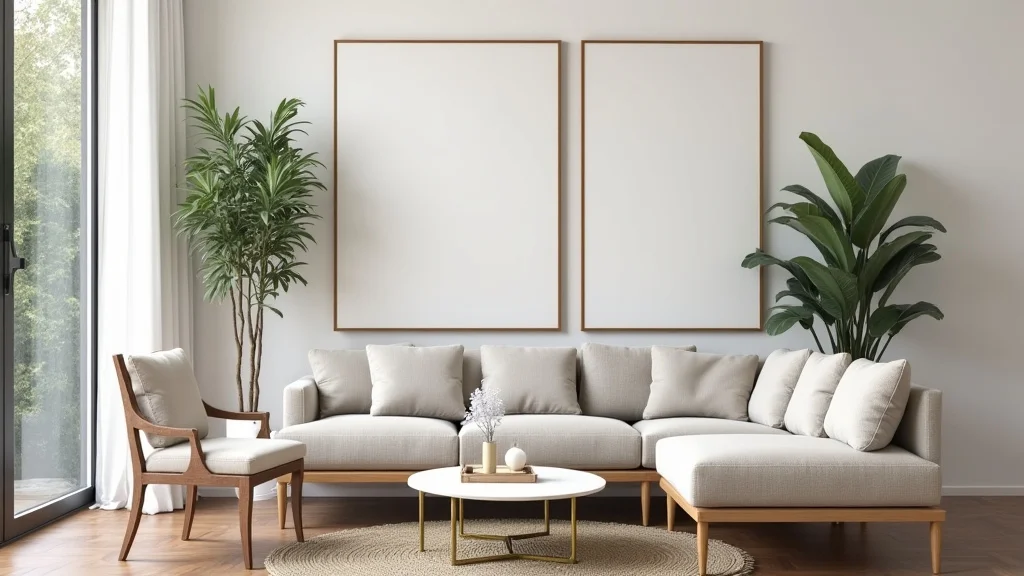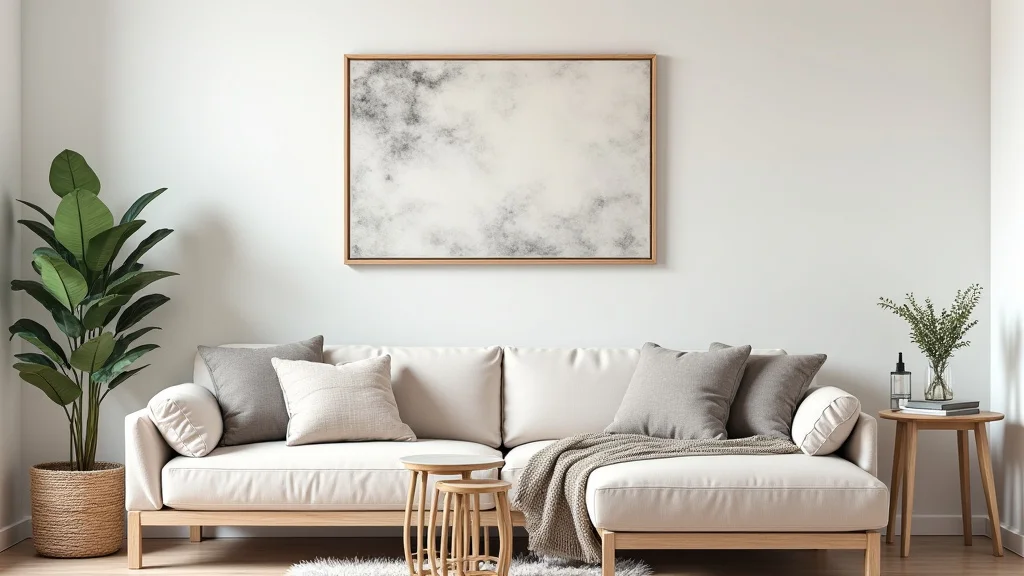
Ever walked into a friend’s house and thought, “Wow, this place is just them?” That’s the power of general home decor styles. Maybe you’re starting from scratch, or perhaps you’re just looking for a refresh. This guide will help you sort through the options and pinpoint your perfect aesthetic. We’ll explore different approaches, from minimalist to maximalist, giving you the knowledge to confidently design your ideal living space. By the end, you’ll be able to identify what speaks to your taste and how to put it into action. Get ready to discover the general home decor styles that resonate with you!
Key Takeaways
- Learn about various popular interior design styles, like modern, traditional, and bohemian.
- Understand the characteristics that define each style, including color palettes and furniture.
- Discover how to blend different styles to create a unique and personalized look.
- Gain practical tips for incorporating these styles into your own home.
- Explore key elements like lighting, textures, and accessories to complete your look.
- Find inspiration and guidance to help you express your individual taste.
Exploring Popular General Home Decor Styles
Choosing the right style is the first and most fun step in decorating your home. It’s about figuring out what makes you feel comfortable and at ease. There are many options, and many of them have evolved over time. Exploring the most popular general home decor styles can assist you in defining your personal preferences. We’ll explore the main characteristics of a few common styles to help you on your way. Remember, there’s no single “right” answer. Your home should be a reflection of who you are.
Modern Style
The modern style is a classic. Think clean lines, a minimalist approach, and a focus on functionality. It’s all about simplicity and a lack of clutter, which results in a calming atmosphere. Modern design often uses neutral colors, such as white, gray, and black, as a base. Pops of brighter colors can be added through artwork and accessories. Furniture is usually simple, without ornate details, and made of materials like metal, glass, and wood. This style is good for small spaces because it makes them feel larger and less cluttered.
- Clean Lines: Straight, uncluttered lines are key in modern furniture and architecture.
- Neutral Color Palette: Whites, grays, and blacks form the foundation, with occasional vibrant accents.
- Minimalism: A “less is more” approach with uncluttered surfaces and limited accessories.
- Functionality: Emphasis on practical design that serves a purpose, not just aesthetics.
- Materials: Use of materials such as metal, glass, and wood in furniture and decor.
Traditional Style
Traditional design emphasizes the feeling of history and stability. Think elegant, comfortable, and classic. It often uses a richer color palette than modern, with tones of creams, blues, greens, and gold. Furniture usually has detailed carvings, curved lines, and is often made of wood. Fabrics like velvet, brocade, and damask are common. Accessories are important, including framed paintings, antique mirrors, and decorative lamps. This style creates a sense of warmth and familiarity, suitable for those who appreciate timeless elegance.
- Classic Elegance: Designs are timeless and rooted in historical styles.
- Rich Color Palette: Deep, warm colors like creams, blues, greens, and gold are common.
- Ornate Furniture: Pieces with curved lines, carvings, and often made from wood.
- Patterned Fabrics: Use of textures like velvet, brocade, and damask.
- Accessories: Emphasis on decorative elements such as paintings, antiques, and lamps.
Minimalist Style
The minimalist style takes the “less is more” idea to the extreme. The emphasis is on functionality, simplicity, and open space. It uses a very neutral color palette, often white, with simple furniture and decor. The goal is to create a serene and uncluttered atmosphere. Storage is crucial, and everything should have a place. Minimalist homes are designed to promote a sense of calm and to reduce distractions. This style is good for people who want an easy-to-clean and maintain home.
- Simplicity: Prioritizing essential items and removing unnecessary objects.
- Neutral Palette: Primarily white, gray, and black with very few accent colors.
- Functionality: Every item has a specific purpose.
- Clean Lines: Furniture and decor with simple, straight lines.
- Open Space: A focus on creating spacious areas and avoiding clutter.
Blending General Home Decor Styles: Creating Your Unique Space
Combining styles is a fantastic way to reflect your personality. It means taking the elements you appreciate from different approaches and bringing them together. You might enjoy the clean lines of modern design but still like the warmth of traditional pieces. This fusion of styles can result in a truly unique living area. Don’t be afraid to experiment, explore, and find what feels right for you. The goal is to make a space that is both functional and a reflection of your individual character.
Mixing and Matching Tips
When mixing styles, it’s all about balance and creating a cohesive look. Start by choosing a primary style and then add elements from other styles. You can also mix colors, textures, and patterns to create visual interest. For instance, a room with modern furniture could have a traditional rug or artwork. The key is to avoid making the space feel cluttered or disconnected. Think about the overall feeling you want to create and choose elements that support that feeling.
- Choose a Base Style: Start with a dominant style and add elements from others.
- Color Harmony: Use a common color palette to unify different styles.
- Vary Textures: Mix smooth and rough textures to add interest and avoid monotony.
- Strategic Accessorizing: Use accessories to blend styles and add personality.
- Balance: Ensure each style is represented without overpowering the others.
Examples of Style Fusions
Consider the “modern farmhouse” style, which combines the clean lines of modern design with the rustic charm of farmhouse elements. Another popular blend is “boho-chic,” which combines bohemian, vintage, and eclectic elements. Mixing styles takes a little thought and planning, but the result can be truly special. There is no limit to what you can do, so have fun exploring and experimenting!
- Modern Farmhouse: Pairing contemporary furniture with rustic elements.
- Boho-Chic: Blending bohemian, vintage, and eclectic pieces.
- Industrial Modern: Combining raw industrial with sleek, modern design.
The Impact of Color, Lighting, and Texture
Color, lighting, and texture play important roles in interior design. The right use of these elements can significantly affect the mood and feel of a space. Color sets the tone, with warm colors creating a cozy atmosphere and cool colors making a space feel open. Lighting can be both functional and decorative, and it can significantly enhance your space. Texture adds depth and visual interest, making a room feel more inviting.
The Role of Color
Color has a powerful effect on our emotions and perceptions. Different colors evoke different feelings, and selecting the right color palette is crucial for setting the tone of your home. Neutral colors such as white, gray, and beige create a sense of calm and can make a space feel larger. Bold colors like red and orange can add energy and excitement. Consider how different colors impact your mood and how they complement the overall style you’ve selected.
- Neutral Colors: Create a calming and expansive atmosphere.
- Warm Colors: Add coziness and energy to a space.
- Cool Colors: Promote a sense of calm and spaciousness.
- Accent Colors: Use colors to draw attention or add points of interest.
- Color Psychology: Understand the emotional impact of different colors.
The Importance of Lighting
Lighting is another important consideration. It has a significant impact on your home. It includes natural light and artificial lighting. Natural light can make a space feel open and inviting. Artificial lighting provides functionality and also can add a decorative element. A good lighting scheme includes a blend of ambient, task, and accent lighting. The right lighting can set the mood, highlight features, and improve the functionality of your home.
- Ambient Lighting: Provides overall illumination for the room.
- Task Lighting: Focused lighting for activities, such as reading or cooking.
- Accent Lighting: Used to highlight specific features or decor.
- Natural Light: Maximize access through windows and light-colored curtains.
- Light Bulbs: Choose the right color temperature for the desired effect.
The Power of Texture
Texture adds depth and visual interest to a space. It refers to the surface quality of objects. It can be smooth, rough, soft, or hard. This diversity keeps the eye engaged and makes a space feel more comfortable. Think about the textures of your furniture, rugs, and accessories. You might use a soft throw blanket on a leather sofa or add a woven rug to a hardwood floor. Use texture to add warmth, create contrast, and make your home more comfortable and inviting.
- Soft Textures: Add comfort and warmth (e.g., throws, cushions).
- Rough Textures: Bring visual interest and contrast (e.g., brick, wood).
- Smooth Textures: Provide a sleek and polished look (e.g., glass, metal).
- Mix and Match: Combine different textures to enhance the overall look.
- Consider Materials: Think about the texture of fabrics, wood, and other materials.
Practical Tips for Applying Home Decor Styles
Incorporating different general home decor styles in your home can be exciting and rewarding. Begin by assessing your current space. What do you like, and what could be improved? Start small, possibly with a single room, or perhaps just a corner of a room, before you take on larger projects. Planning is important, but don’t be afraid to experiment. Remember, your home should be a reflection of who you are and a place where you feel happy and relaxed.
Starting with a Single Room
Begin with a single room to get started. Choose the room you use most often or where you spend the most time. This will give you the best opportunity to see how the style fits into your life. Take measurements, create a mood board, and make a plan for the room. Then, start by decluttering and painting or repainting. Start slowly, adding furniture and accessories piece by piece. Don’t feel like you must complete the room all at once.
- Assess the Room: Measure the space and assess its existing elements.
- Create a Mood Board: Gather ideas and inspiration to create a vision.
- Make a Budget: Determine a budget for the project.
- Start Small: Focus on one room or area at a time.
- Prioritize Comfort: Choose furniture and accessories to create a functional and pleasant space.
Budget-Friendly Decorating Ideas
Decorating doesn’t have to be expensive. Many options will allow you to refresh your home without breaking the bank. Shop at thrift stores, look at online marketplaces, or try DIY projects. Repurpose old items, such as turning a dresser into a TV stand or a ladder into a bookshelf. Make use of sales and discounts, and choose pieces you love over expensive, trendy ones. It’s possible to make your home beautiful and stylish without spending a fortune.
- Shop Thrift Stores: Find unique and affordable items.
- DIY Projects: Create custom decor to personalize your home.
- Repurpose Items: Give old items a new life.
- Use Sales and Discounts: Find deals on furniture and decor.
- Prioritize: Focus on key pieces and areas to save money.
Common Myths Debunked
Myth 1: You Need to Spend a Lot of Money to Have a Beautiful Home
Many people believe that decorating a home requires a huge budget, but that’s not the case. The reality is that creating a beautiful and stylish space does not necessarily involve a significant financial investment. You can find beautiful pieces at thrift stores, consignment shops, and online marketplaces. DIY projects, upcycling old items, and being strategic about your purchases can help you decorate your home within your budget. Creativity and resourcefulness are more important than a large sum of money.
Myth 2: You Must Follow Trends Exactly
It’s easy to feel pressured to keep up with the newest interior design trends, but it’s important to remember that you do not have to. The best style for your home is one that reflects your personal taste and lifestyle. While current trends can offer inspiration, focus on choosing pieces that you love and that resonate with your personal style. Trends come and go, but your personal preferences will stay consistent. Focus on what makes you happy rather than what’s popular.
Myth 3: Small Spaces Cannot Be Stylish
Many people believe that only large homes can be stylish. However, this is untrue. Small spaces can be just as stylish and comfortable as larger ones, often with a little more creative thinking. Make the most of every space by using multi-functional furniture, mirrors to make a room seem larger, and light, neutral colors to create a sense of openness. Thoughtful design and clever storage solutions can transform any small space into a beautiful and functional home.
Myth 4: You Need a Professional Designer
You don’t always need a professional designer to create a beautiful home. While a designer can be beneficial, many resources are available to guide you through the process, even on your own. There are online guides, books, and blogs that offer advice and inspiration. Learning about different styles, experimenting with different elements, and creating a plan can allow you to decorate your home successfully. Using a designer is a great option, but it is not a requirement to create a stylish home.
Myth 5: All Furniture in a Room Must Match
This is often believed. However, the best rooms usually have a variety of furniture styles, which provides visual interest. Using diverse pieces adds character and shows your design confidence. This will make your home look more welcoming. Try mixing different styles, textures, and finishes. Focus on the overall feeling of your space rather than matching everything. Blending items adds depth to a room and makes it feel more welcoming.
Frequently Asked Questions
Question: What is the best way to determine my decorating style?
Answer: Explore magazines, websites, and social media. Create a mood board to see which images resonate with you.
Question: How can I create a cohesive look when mixing different styles?
Answer: Use a common color palette or a shared element to tie different pieces together.
Question: How can I make a small space feel bigger?
Answer: Use light colors, mirrors, and multi-functional furniture to maximize space.
Question: Is it necessary to repaint a room when changing decor styles?
Answer: It’s often helpful, but not always essential. The existing color could work, but repainting can significantly change the space.
Question: How do I find the best deals on home decor?
Answer: Shop at thrift stores, online marketplaces, and during sales. Compare prices and repurpose old items.
Final Thoughts
Creating a beautiful and comfortable home is possible, no matter your style or budget. By understanding the basics of general home decor styles and applying a few key principles, you can transform your living space into a haven that reflects your personality. Remember to start with a plan, consider the impact of color and texture, and don’t be afraid to experiment. Your home should be a reflection of who you are. This is a space where you relax, unwind, and make memories. So, gather inspiration, have fun, and enjoy the process of making your house a home. Start creating the space you’ve always wanted!