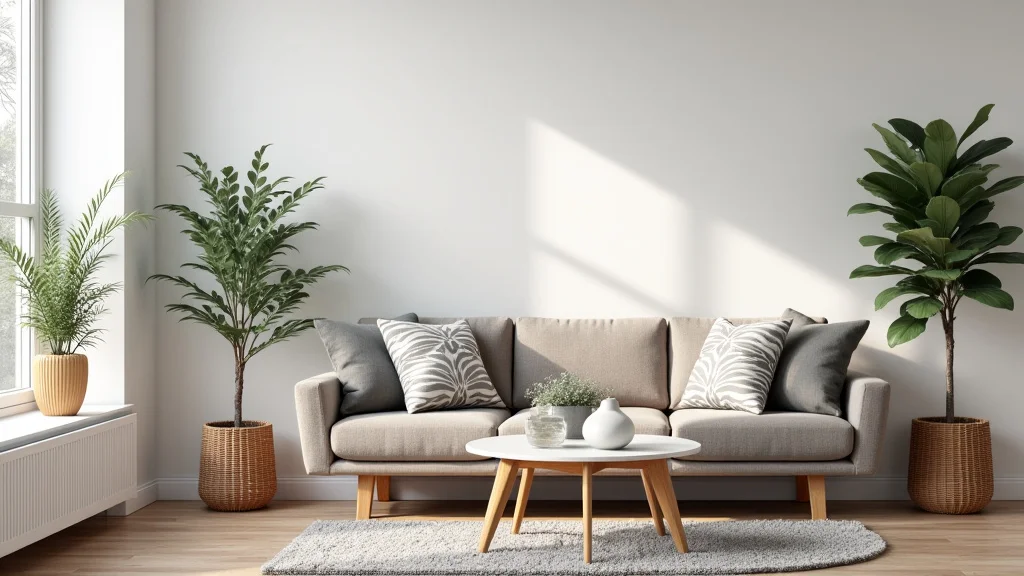
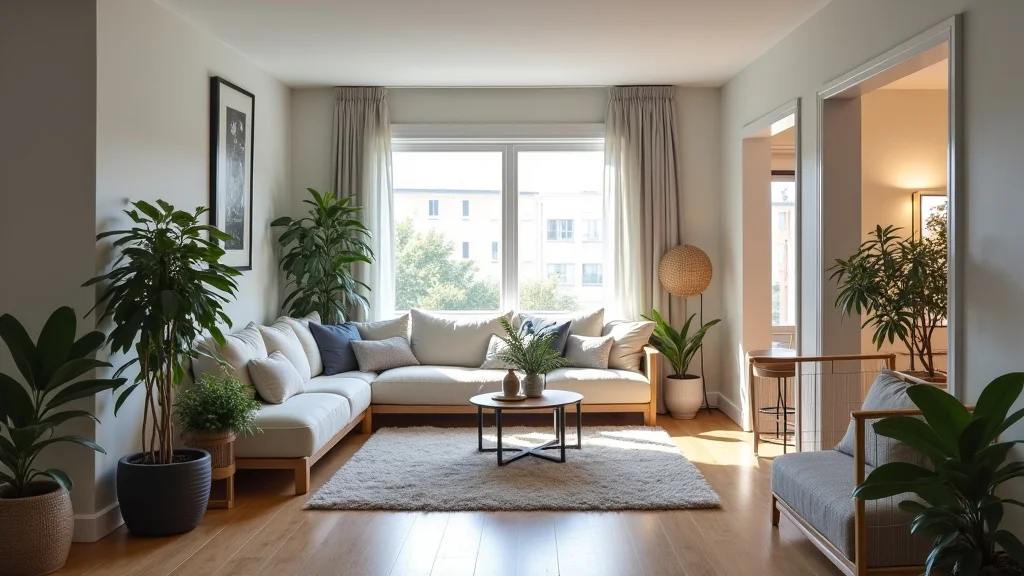
Picture this: you walk into a house that instantly feels warm and inviting. Maybe there’s a crackling fi
Key Takeaways
- Learn the fundamental elements that define the charm of home decor country style.
- Discover practical tips for incorporating rustic and vintage elements into your home.
- Explore different variations within country design, from farmhouse to French country.
- Understand how to use color palettes, textures, and patterns to create a cohesive look.
- Find inspiration for furniture choices, accessories, and DIY projects.
- Gain confidence in creating a warm, inviting, and personalized country-inspired home.
Embracing the Heart of Home Decor Country Style
The core of home decor country style revolves around a few key principles. This design embraces comfort, functionality, and a connection to the past. It often leans towards a more relaxed and lived-in feel, steering clear of overly sleek or modern aesthetics. Think of it as a celebration of imperfection, where handmade items, well-worn furniture, and natural materials take center stage. This style is not about achieving a perfectly polished look; rather, it’s about creating a space that feels welcoming, lived-in, and full of character. It’s about building a space that offers comfort.
The Elements of Country Charm
Several elements define the charm associated with country style. A primary component involves embracing natural materials. Wood is prevalent, whether in the form of exposed beams, sturdy furniture, or charming accents. Linen, cotton, and wool provide texture and comfort through soft furnishings. Another key aspect is the use of a warm and inviting color palette. Think of soft whites, creams, muted blues, greens, and yellows. Accessories often include vintage finds, such as antique furniture, handcrafted items, and items with a story to tell. Country style frequently integrates floral patterns, gingham, and other classic prints, adding visual interest and a sense of nostalgia. The combination of these elements forms the heart of country style.
- Natural Materials: The extensive utilization of wood, stone, and natural fibers such as cotton, linen, and wool.
- Warm Color Palettes: Soft whites, creams, muted blues, greens, yellows, and earthy tones are standard.
- Vintage and Antique Accents: Incorporating vintage furniture, accessories, and collectibles to add character.
- Comfortable and Functional Furniture: Prioritizing practicality with pieces that are both beautiful and useful.
- Textural Layers: Layering different textures such as wood, linen, and woven rugs.
Natural materials bring a sense of warmth and authenticity that is fundamental to country style. Wood, for example, is found in floors, furniture, and decorative elements. The grain patterns and natural imperfections of wood add character and visual interest to a room. Stone can be used for fi
Warm color palettes are used to create a welcoming and comfortable atmosphere. Soft whites and creams provide a neutral base that allows other colors and textures to stand out. Muted blues and greens evoke a sense of tranquility and connection to nature. Yellows and golds add a touch of sunshine and cheerfulness. Earthy tones like browns and tans add warmth and grounding. These colors often appear in paint, textiles, and decorative accessories, creating a cohesive and inviting look. The overall effect is a space that feels cozy and relaxing, perfect for unwinding after a long day.
Vintage and antique items bring character and history to a country-style home. Antique furniture pieces, such as a farmhouse table or a vintage cabinet, can become focal points. Accessories, like old photographs, vintage books, and antique glassware, add personality and charm. The use of vintage textiles, such as quilts and embroidered pillows, can introduce texture and warmth. These items often tell stories and reflect the unique history of the home. The careful curation of vintage finds transforms a space into a place that feels personalized and full of history, creating a unique and appealing atmosphere.
In a country-style home, furniture is chosen for its functionality and comfort. Pieces are meant to be used and enjoyed. Consider a large, comfortable sofa covered in a soft fabric or a sturdy dining table that can accommodate family meals. Avoid furniture that is overly formal or delicate. Instead, select pieces with a rustic appeal, such as a distressed wood coffee table or a rocking chair. The goal is to create a living space that is inviting and practical for everyday living. Practicality is just as important as aesthetics when creating a home that is lived in and enjoyed.
The practice of layering various textures enhances the visual interest and the feeling of comfort in a home with country style. The combination of different surfaces, such as the smooth finish of a wooden table next to the soft texture of a linen tablecloth, creates a sense of depth and tactile engagement. Woven rugs add warmth and softness underfoot, complementing the hardwood floors. Textiles such as quilts, throws, and upholstered furniture introduce patterns and colors. This layered approach creates an environment that is pleasing to the eye and inviting to the touch, resulting in a cohesive and personalized atmosphere. Such layered textural elements define the country style.
Styles Within Country Design
The home decor country style has many variations. The look can range from the rustic charm of a farmhouse to the more refined elegance of French country. There’s a country style to suit any preference. These variations offer flexibility and allow for personal expression. Each style has unique characteristics, yet all are united by common themes of comfort, natural materials, and an appreciation for the past.
Farmhouse Style
Farmhouse style is characterized by a relaxed and functional aesthetic. This look is usually easy to achieve. It embraces simple lines, practical furniture, and a neutral color palette. The use of natural materials like wood and metal is common. Farmhouse style often features vintage accents. Think of distressed furniture, oversized clocks, and farmhouse sinks. The overall feeling is one of simplicity, warmth, and a connection to the land. This approach is practical and welcoming.
- Neutral Color Palettes: Dominant whites, creams, grays, and natural wood tones.
- Distressed Furniture: Vintage furniture with a rustic, aged appearance is commonly used.
- Exposed Wood: Exposed beams, wooden floors, and other wooden architectural details.
- Simple Textiles: Cotton, linen, and burlap are typical, often with stripes or checks.
- Vintage Accents: Oversized clocks, galvanized metal, and enamelware add character.
A neutral color palette helps to create a clean, uncluttered look. Whites and creams brighten the space and reflect light, making rooms feel larger and more open. Grays add depth and a touch of sophistication. Natural wood tones provide warmth and visual interest. These colors serve as a backdrop for the other decorative elements. Accents of black, such as a wrought iron chandelier or a framed print, can add contrast and create visual balance. This palette is the foundation for a cozy, inviting farmhouse atmosphere.
Distressed furniture is a key element in establishing the farmhouse style. Pieces that look aged or worn, such as a weathered table or a painted cabinet with chipped paint, contribute to the charm. Imperfections and signs of wear add character. These pieces often feature simple designs with clean lines. The furniture is not overly ornate, focusing instead on functionality and comfort. Distressed furniture enhances the feeling of authenticity and history within the home. This creates a cozy and welcoming atmosphere.
The presence of exposed wood is a defining element of farmhouse style. Wooden beams add character to the ceiling. Wooden floors provide warmth and a connection to nature. This adds texture and visual interest. The natural grain patterns and imperfections of the wood contribute to the rustic aesthetic. It creates a sense of history and adds an element of authenticity. The overall effect is a space that feels warm, inviting, and full of character. This makes it a great choice for home decor country style.
Textiles in a farmhouse setting are simple. Cotton, linen, and burlap are frequent choices. These fabrics provide a sense of comfort and a connection to nature. They often come in neutral colors and simple patterns. Stripes and checks are also common. These patterns add visual interest without overwhelming the space. The textiles are used for curtains, upholstery, bedding, and decorative accents. These choices contribute to the relaxed and comfortable feel of the farmhouse style.
Vintage accents add character and history to the farmhouse style. Oversized clocks become a focal point on the wall. Galvanized metal containers and enamelware add a touch of rustic charm. These accessories often have a practical purpose, such as holding kitchen utensils or flowers. They add a touch of nostalgia and personality. The careful selection of vintage accents reflects the unique history of the home. It is a way to create a personalized space.
French Country Style
French country style has a more refined, elegant feel. It blends rustic charm with sophisticated touches. The style commonly incorporates soft colors, floral patterns, and elegant furniture. It often features gilded accents, ornate mirrors, and luxurious fabrics. French country style evokes a sense of romance and sophistication. This style is often found in the homes of the French countryside. This style is an ideal choice for many homes.
- Soft Color Palettes: Whites, creams, pastels, and muted tones dominate.
- Elegant Furniture: Pieces with curved lines, ornate details, and painted finishes.
- Floral Patterns: Floral fabrics, wallpapers, and accessories add a romantic touch.
- Gilded Accents: Gold-leaf frames, mirrors, and decorative objects for a touch of luxury.
- Luxurious Fabrics: Linen, silk, and velvet add texture and sophistication.
Soft color palettes create an atmosphere of elegance and sophistication. Whites and creams provide a clean and bright backdrop. Pastels such as lavender, pale blue, and soft green add a touch of romance and serenity. Muted tones, like dusty rose and sage green, add depth and visual interest. These colors are often found on walls, furniture, and textiles, helping to create a cohesive and welcoming look. The overall effect is a space that feels both elegant and relaxing.
French country style features furniture with graceful lines and elegant details. Curved legs, ornate carvings, and delicate hardware add sophistication. Pieces are often painted in soft colors or finished with a distressed look. The furniture is usually comfortable and practical. It creates a sense of luxury and refinement. This combination of beauty and functionality makes French country furniture so appealing. The use of such pieces defines the French country style.
Floral patterns bring a touch of romance and charm. Floral prints are used on upholstery, curtains, and wallpaper. Accessories such as pillows, throws, and artwork feature floral designs. These patterns often incorporate soft colors and delicate details, enhancing the overall aesthetic. The inclusion of floral patterns evokes the beauty of nature. This addition creates a welcoming and inviting atmosphere. They are a significant part of the French country style.
Gilded accents add a touch of luxury and sophistication. Gold-leaf frames around artwork and mirrors reflect light and enhance the space. Decorative objects such as candlesticks and vases add an element of glamour. Gold accents appear in small doses, complementing the soft color palette and creating a sense of balance. The incorporation of gilded accents elevates the overall style of the home. This provides a sense of luxury and refined elegance.
Luxurious fabrics enhance the overall sense of elegance in a French country home. Linen drapes add a sense of weight and sophistication. Velvet adds texture and richness. These fabrics are used for curtains, upholstery, and decorative pillows. The selection of such fabrics creates a tactile experience. These materials contribute to a feeling of comfort and luxury. Such elements are defining characteristics of the style.
Rustic Country Style
Rustic country style focuses on the rugged beauty of natural materials. The look often features exposed wood, stone, and metal. The color palettes tend towards earthy tones and weathered finishes. This style has a less polished look. It is often combined with other themes. This makes it a great choice for all houses. It’s about celebrating the beauty of imperfection and the charm of a simpler way of life.
- Earthy Color Palettes: Browns, greens, and other natural colors.
- Exposed Wood and Stone: Using natural materials in their raw state.
- Weathered Finishes: Distressed furniture, aged metal accents, and other worn elements.
- Metal Accents: Wrought iron, copper, and galvanized metal are commonly used.
- Natural Textures: Woven rugs, burlap, and other coarse fabrics.
Earthy color palettes create a feeling of warmth. Browns and tans ground the space and add a rustic feel. Greens connect the space to nature. Other natural colors like terracotta and gray add depth and visual interest. These colors are often used on walls, furniture, and textiles. The overall effect is a space that feels grounded, comfortable, and connected to the natural world. It is a good choice for people who enjoy a home with country style.
Exposed wood and stone are used to highlight the natural beauty of these materials. Wooden beams, floors, and accent walls add character and warmth. Stone fireplaces and accent walls bring a sense of natural beauty. The imperfections and variations in these materials add visual interest. They create a connection to nature. The use of exposed wood and stone is a key element of the rustic aesthetic. It enhances the overall charm.
Weathered finishes add character and charm to the rustic country style. Distressed furniture has a rustic, aged appearance. Aged metal accents, such as lanterns and hardware, add a touch of authenticity. These elements give the space a lived-in and comfortable feel. The imperfections and signs of wear contribute to the overall aesthetic. The rustic charm is an essential part of the design. The integration of such design choices enhances the authenticity.
Metal accents bring a touch of industrial charm. Wrought iron is used in furniture and accessories. Copper accents appear in lighting fixtures and cookware. Galvanized metal is used for containers and decorative elements. These materials often have a weathered or aged appearance. They add texture and visual interest. They create a contrast with the natural materials, such as wood and stone. This contrast enhances the rustic appeal.
Natural textures add warmth and visual interest to a rustic country home. Woven rugs create a sense of comfort and texture underfoot. Burlap and other coarse fabrics, like canvas, are used for curtains and upholstery. These materials have a tactile quality that invites touch and relaxation. They also complement the earthy color palette. The combination of natural textures enhances the rustic aesthetic.
Designing Your Country-Inspired Home
Designing a country-inspired home can be a joyful undertaking. Begin by choosing your style and considering the amount of space. This decision shapes every choice, from paint colors to furniture. Next, it’s about selecting a color palette. Think about the mood you want to create. Start collecting inspiration images. These images will guide your design choices. Then, start by deciding which main elements to include. It is important to think about the budget. Consider which items to invest in and which to repurpose or DIY. Finally, be flexible and embrace the process. The process of creation is just as important as the outcome. The result is a personalized space.
Color Palette and Textures
The right color palette and use of textures is vital. Use of color and texture builds the foundation. Consider the mood you wish to create. For a farmhouse look, stick to neutral colors. The tones include whites, creams, and grays. For French country, incorporate soft pastels like lavender and blue. Textures play a vital role. Combine various materials, like wood, linen, and wool. Incorporate natural textures. Ensure the look is cohesive. This creates a balanced and inviting space.
- Choosing Colors: Select a palette that reflects the desired mood (e.g., farmhouse, French country).
- Incorporating Textures: Mix and match natural textures.
- Using Patterns and Prints: Introduce floral patterns, stripes, and checks.
- Balancing Colors and Textures: Ensure a balanced and cohesive look.
- Experimenting with Samples: Experiment to see how different elements work together.
Choosing the right colors is important when designing a country-inspired home. Consider the mood you wish to create. If you desire a farmhouse aesthetic, go for a neutral palette, including whites, creams, and grays. If you’re inspired by French country, incorporate soft pastels. Think about the lighting in your space and how the colors will appear throughout the day. Consider samples to experiment with different color combinations. The correct color palette is a starting point.
Mixing and matching different textures enhances the overall feel of a country-style home. Combine the rough texture of wooden furniture with the softness of a linen throw. The rough feel of a woven rug balances the smoother surface of the wood floors. Combine different textures. This enhances the visual appeal and adds to the level of comfort. Think about fabrics like cotton, wool, and burlap. These choices make it both visually appealing and comfortable. Create a space that is inviting and engaging.
Patterns and prints can add visual interest. Consider patterns such as floral patterns, stripes, and checks. Floral patterns add a touch of romance. Stripes and checks bring a sense of classic charm. Consider how the patterns work together. Patterns should be incorporated in moderation. Use patterns on upholstery, curtains, or throw pillows. The result is a cohesive and inviting space.
Balancing colors and textures is vital to achieve a cohesive aesthetic. When you use different colors and textures, balance is essential. Make sure the colors and textures work well together. The color palette must enhance the look. The different textures need to complement each other. By maintaining balance, the space appears visually appealing and welcoming. Use the right balance to create a harmonious and comfortable home.
Experimenting with samples before committing to large-scale changes can prevent costly mistakes. Consider paint swatches, fabric samples, and small furniture pieces. See how these elements interact in the space. Observe how the lighting affects the colors. This will help you make confident decisions. This ensures that the final design reflects your personal style and desired atmosphere.
Furniture and Decor
Furniture and decor are the key elements. Select furniture pieces that are both beautiful and functional. Choose pieces made from natural materials, such as wood. Consider vintage furniture. Include various decorative items. These items add personality and charm. Think about antique items, framed prints, and handmade items. Consider the placement of furniture. This will enhance the flow of the room. Create a space that welcomes you. These choices come together to create a charming space.
- Furniture Selection: Choosing furniture that reflects the chosen style.
- Incorporating Vintage Finds: Sourcing antique furniture and accessories.
- Accessories and Accents: Adding decorative items such as candles, vases, and framed prints.
- Arrangement and Placement: Arranging furniture and decor to create a functional and inviting space.
- DIY Projects: Creating handmade items for a personalized touch.
Choosing the right furniture is a core component. Think about the style you want to achieve. Opt for furniture made of natural materials. Distressed furniture adds character. Make sure the furniture is both beautiful and functional. Select pieces that are comfortable and fit the room’s dimensions. Think about the flow of the room. It should invite relaxation and encourage gatherings. The furniture selection lays the foundation.
Incorporating vintage finds is a core element. Visit local antique stores and flea markets. Look for items such as vintage furniture, antique accessories, and unique decorations. Consider the history of the piece. The character of the space is enhanced by the items’ beauty. These items are a great way to add personality and charm. Such items are a conversation starter and a unique touch.
Accessories and accents are the finishing touches that bring the look together. Select items such as candles, vases, and framed prints. They complement the furniture and decor. Use items that reflect your personal taste. Display items you cherish. Mix and match different items. This adds visual interest and creates a space that feels personal. The decorative elements add beauty and charm.
The arrangement and placement of furniture and decor are essential. Arrange furniture to improve the flow. Arrange it in a way that encourages conversation. Use rugs to define spaces. Place accessories in an artistic way. Ensure there is balance in the arrangement. You can create a visually appealing and welcoming home. This creates a place that you love and enjoy.
DIY projects provide a personalized touch. Think about making your own curtains, painting furniture, or creating artwork. These projects allow you to express your creativity. The handmade items add a unique charm. It also makes the space unique. It’s a way to personalize the style. This brings a sense of ownership. A DIY project makes it a home.
Home Decor Country Style Inspiration
Here are some examples of projects with real-life results. One real-life example is an individual who repurposed an old barn door as a headboard. The person saved money and added a unique focal point to their bedroom. A second is a family who refinished an antique dining table. This family created a centerpiece for their dining room. This made the room more inviting.
- Repurposing a Barn Door: Transforming an old barn door into a unique headboard.
- Refinishing an Antique Dining Table: Restoring an antique table as a dining room centerpiece.
- Creating a Gallery Wall: Assembling a gallery wall using thrifted frames and prints.
- Building a Floating Shelf: Constructing a floating shelf using reclaimed wood.
Many homeowners have transformed an old barn door into a unique headboard. This can save money and add a rustic focal point. First, you’ll need to locate an old barn door. Clean and prepare the door. Attach it to the wall behind the bed. Add any decorative elements. The result is a unique focal point that defines the space.
Refinishing an antique dining table can become a focal point. First, you need to find an antique table. Remove the old finish and restore it. The refinished table offers a centerpiece for gatherings. Add a fresh coat of stain or paint. Use fabric or other textiles. This table can make the dining room inviting. It provides a focal point and is functional.
Creating a gallery wall is a creative way to decorate a room. Begin with thrifted frames and prints. Collect the pieces that tell your story. Select frames in various sizes and styles. Arrange the artwork on the wall. This showcases your personal taste. This offers a unique and personalized focal point. The gallery wall showcases your personal style.
Building a floating shelf with reclaimed wood provides both functionality and character. Locate some reclaimed wood. Cut the wood to your desired size. Attach the shelf to the wall with shelf brackets. Add decorative items. This provides extra storage and enhances the look of the room. It gives you a place to display objects.
Common Myths Debunked
Myth 1: Home Decor Country Style is Outdated
Some people think home decor country style is outdated. However, this could not be farther from the truth. The country aesthetic has a timeless appeal. It is constantly evolving. Modern variations have emerged. These variations incorporate fresh ideas and contemporary touches. The key is to blend classic elements with current trends. This approach guarantees that the look remains fresh and relevant.
Myth 2: Country Style Is Only for Farmhouses
Another myth is that country style is only suitable for farmhouses. Country style has many styles. This can be adapted to many homes. Country style can be used in apartments and city dwellings. The essence of the style can be customized. This lets you integrate your personal taste. Use the core elements of the look. This creates a cozy and welcoming ambiance. This approach will enhance the style.
Myth 3: Achieving This Style Requires a Lot of Money
Some feel that creating a country-inspired home is costly. This is not necessarily true. Thrift stores, flea markets, and DIY projects are fantastic resources. Purchasing pre-owned furniture and accessories is a great way to save money. Painting existing furniture is another economical option. By being creative and resourceful, you can achieve the country look on a budget. Such efforts often produce a more personalized result.
Myth 4: Country Style Is All About Floral Prints
The belief that country style is all about floral prints is inaccurate. Floral prints are often incorporated, but they are not the only defining element. The country look incorporates various patterns and textures. Stripes, checks, and solid colors are important components. The emphasis is on balance and the blending of multiple design elements. This approach lets you personalize the space.
Myth 5: It’s Difficult to Mix and Match Styles
It is often thought that mixing country style with other styles is difficult. This is not accurate. The blending of elements from other styles is feasible. This approach will make the space unique. Blending modern elements with the country aesthetic can create a refreshing and modern look. Mix and match styles. This allows for a great deal of personalization. You can create a space that reflects your personality.
Frequently Asked Questions
Question: What are the key colors for home decor country style?
Answer: Soft whites, creams, muted blues, greens, yellows, and earthy tones.
Question: How can I incorporate vintage items into my decor?
Answer: Browse flea markets, antique shops, and thrift stores for furniture, accessories, and decorative items.
Question: Is this style appropriate for small spaces?
Answer: Yes, by using a lighter color palette, carefully selecting furniture, and avoiding clutter.
Question: What fabrics are best suited for country style?
Answer: Cotton, linen, wool, burlap, and other natural textures.
Question: Can I DIY some elements of this style?
Answer: Absolutely, DIY projects like painting furniture, creating artwork, or building shelves are great.
Final Thoughts
Home decor country style celebrates comfort, functionality, and a connection to the past. It offers a warmth and charm. You can make any home more inviting by incorporating natural materials, vintage accents, and a touch of rustic elegance. Whether you’re drawn to the simplicity of farmhouse style, the elegance of French country, or the rugged beauty of rustic design, there’s a country aesthetic to suit your taste. Embrace the imperfections, create a space that feels personalized, and don’t be afraid to mix and match elements to reflect your unique style. The result is a welcoming and comfortable home. Now, explore your own personal style. Begin by assessing what you want. Start with a room and have fun with it.