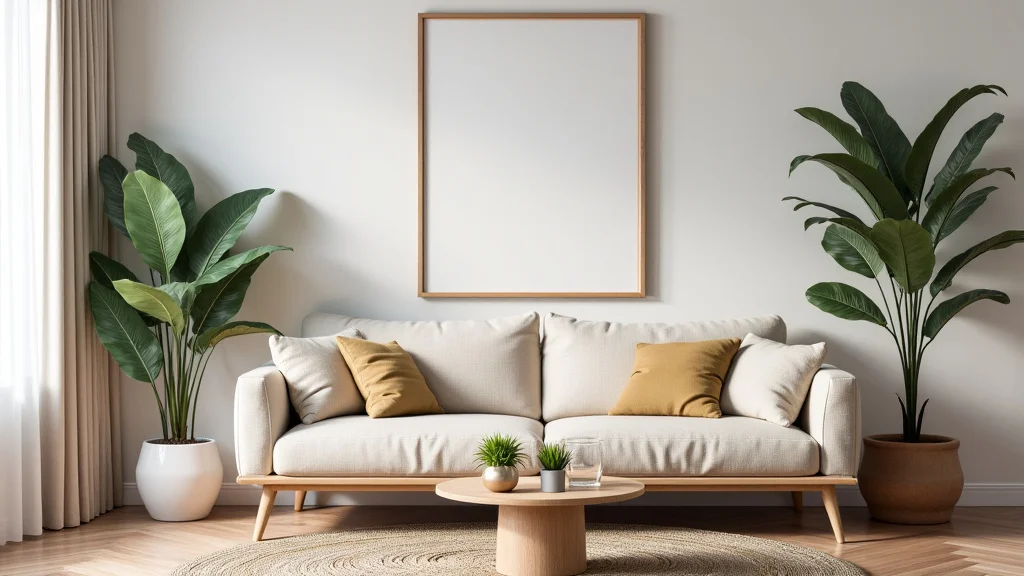
Ever walked into a friend’s house and felt instantly at ease, or perhaps overwhelmed? The way a space is decorated plays a huge role in how we perceive it. Choosing the right home interior decor styles can transform your living space into a haven that reflects your personality and meets your needs. This post will explore various design aesthetics, helping you discover the perfect home interior decor styles to create a beautiful and functional environment. You’ll gain a solid grasp of different styles, from classic to contemporary, enabling you to make informed decisions for your home. Ultimately, you’ll learn how to express your individuality through design, improving your overall living experience.
Key Takeaways
- Identify the characteristics of popular home decor styles, such as modern, minimalist, and farmhouse.
- Learn how to choose a style that aligns with your personal preferences and lifestyle.
- Understand the key elements that define each style, including color palettes, materials, and furniture.
- Discover how to mix and match different styles to create a unique and personalized space.
- Gain insights into the practical aspects of decorating, such as space planning and budgeting.
- Get tips on incorporating sustainable and eco-friendly practices into your home decor.
Unveiling Diverse Home Interior Decor Styles
The world of interior design offers a rich tapestry of styles, each with its own unique characteristics. Selecting the right style for your home is an essential first step. Whether you lean toward the sleek lines of modern design, the cozy warmth of farmhouse, or the understated elegance of minimalist interiors, each style reflects distinct aesthetic preferences and functional needs. Exploring these styles provides a solid foundation for designing a space that truly resonates with you and meets the demands of your daily life. This section will introduce several popular styles, highlighting their core features and how they can be adapted to various spaces.
Modern Design Aesthetics
Modern design emphasizes clean lines, simplicity, and functionality. It is characterized by a neutral color palette, often with bold accent colors, and the use of natural materials such as wood, metal, and glass. Furniture tends to have simple, uncluttered forms, and spaces are typically well-lit, either through natural light or through the use of strategically placed artificial lighting. This approach creates a sense of openness and airiness. Modern design prioritizes a minimalist approach, avoiding excessive ornamentation and focusing instead on the essential elements of a space. It’s an ideal choice for those who appreciate order, efficiency, and a sleek, contemporary aesthetic.
- Color Palette: Predominantly neutral, with pops of color.
- Furniture: Simple, functional, and often with exposed legs.
- Materials: Wood, metal, and glass, often combined.
- Lighting: Emphasis on natural light, with functional artificial lights.
- Accessories: Minimal, with artwork and sculptures playing a key role.
Modern design is a reaction to the ornate styles of the past. It values form and function, ensuring that every element serves a purpose. The result is a space that feels uncluttered and efficient, promoting a sense of calm and clarity. Many modern homes incorporate smart technology, further enhancing their functionality and convenience. This style continues to be popular because of its adaptability and its ability to create comfortable, practical living spaces. For instance, a small apartment can be turned into a stylish space by implementing modern interior decor styles.
Contemporary Design Trends
Contemporary design, often confused with modern, is actually an evolving style that reflects current trends. It’s fluid and constantly changing, incorporating elements from various eras and styles. Contemporary spaces often feature open floor plans, large windows, and a focus on natural light. The color palettes can vary, but generally include neutral backgrounds with bold accents. The use of texture is significant, with materials like velvet, leather, and wood being popular choices. Unlike modern design, contemporary design doesn’t adhere to a strict set of rules, allowing for greater creative freedom and flexibility. It is perfect for those who like to stay on the cutting edge of design.
- Color Palette: Versatile, incorporating neutrals, bold colors, and metallics.
- Furniture: Unique and often sculptural pieces.
- Materials: Varied, including natural and man-made materials.
- Lighting: Innovative and artistic lighting fixtures.
- Accessories: Statement pieces and curated collections.
Contemporary design incorporates the best of the present. It embraces innovation and flexibility. In this design, technology and design work together. It values artistic expression and offers a balance of comfort and style. As an illustration, a loft apartment might use contemporary interior design trends to reflect an owner’s personal taste. The continuous evolution of this style makes it attractive to those who appreciate change and staying up-to-date.
Farmhouse Charm in Home Decor
Farmhouse style evokes a sense of comfort, simplicity, and warmth. It’s characterized by its use of natural materials, such as wood and stone, along with a focus on functionality and practicality. Common features include exposed beams, shiplap walls, and vintage-inspired furniture. The color palette typically leans towards neutral tones, such as whites, creams, and grays, accented by warmer hues like greens and blues. Rustic elements, such as antique finds and distressed finishes, contribute to the charm. This style brings a sense of nostalgia and coziness, creating a welcoming and relaxed atmosphere. Farmhouse is ideal for those who like a lived-in, comfortable, and inviting home environment.
- Color Palette: Neutral tones with warm accents.
- Furniture: Vintage-inspired pieces, often with distressed finishes.
- Materials: Wood, stone, and natural fabrics.
- Lighting: Rustic fixtures, such as lanterns or wrought-iron chandeliers.
- Accessories: Antique finds, woven textiles, and natural elements.
The core of farmhouse design is comfort. It focuses on creating spaces that are both beautiful and practical. This style often incorporates elements that tell a story, like repurposed materials and vintage finds. The emphasis on natural light and materials creates a connection with nature. For example, a suburban home could use farmhouse interior decor to create a relaxing retreat, away from the stresses of everyday life. This design style consistently appeals because of its warmth and the feeling of home it provides.
Choosing a Style That Suits You
Choosing the best style for your home is a deeply personal decision. It’s a chance to build a space that truly reflects your character and meets your daily needs. The key is to start by understanding your preferences, lifestyle, and the practical requirements of your space. Consider how you use your home, the atmosphere you want to create, and the level of maintenance you are prepared to handle. Don’t be afraid to try out different ideas and to mix styles for a space that is genuinely your own. Take time exploring images online, visiting showrooms, and gathering inspiration from various sources to discover what appeals most to you. Choosing a style that genuinely resonates with your personality will help you build a more relaxing and inviting home.
Assessing Your Personal Tastes
The first step in choosing a style is to think about what you are naturally drawn to. Think about the colors, textures, and materials that appeal to you. Do you love the clean lines and simplicity of modern design, or are you more drawn to the cozy warmth of farmhouse style? Look at magazines, websites, and social media platforms like Pinterest and Instagram to get ideas. Create a mood board with images that inspire you, noting the common elements that resonate. Think about your existing belongings and how they can be integrated into your new space. Recognizing what you like and dislike is the key to creating a home you’ll adore.
- Identify Favorite Colors: Consider the colors you find most soothing or energizing.
- Consider Textures: Note if you are drawn to smooth, rough, or patterned textures.
- Review Inspiration: Explore magazines, websites, and social media to find styles you like.
- Evaluate Existing Furnishings: Consider how your current possessions fit into different styles.
- Create a Mood Board: Gather images and items that inspire your design.
Understanding your personal tastes is like building a foundation. It starts with your preferences. You will have a clear direction for your interior design project. This process helps you avoid choices that do not reflect your true character, ultimately resulting in a more gratifying living space. A mood board is an excellent way to organize and visualize your ideas, ensuring that your final design genuinely reflects you. For example, a mood board might feature images of minimalist spaces, natural materials, and neutral color palettes. This will guide decisions about furniture and decor items.
Considering Your Lifestyle
Your lifestyle plays a huge role in the best style for your home. Think about how you spend your time at home. If you have children or pets, practicality and durability will be essential. If you entertain often, you will want a space that is welcoming and functional for hosting guests. If you work from home, you will need a comfortable and productive workspace. Consider the amount of time you are willing to dedicate to upkeep and cleaning. A minimalist style might appeal to someone who values simplicity and ease of maintenance, while a more elaborate style will be better for those who like to frequently change decorations. Taking your daily habits into account ensures that your home will support your lifestyle.
- Family Considerations: Choose durable materials and furniture if you have children or pets.
- Entertaining Needs: Make sure spaces are welcoming and functional for guests.
- Work from Home: Establish a comfortable and productive workspace.
- Maintenance Level: Consider how much time you are willing to spend on upkeep and cleaning.
- Storage Requirements: Ensure you have sufficient storage for all your belongings.
Considering your lifestyle helps you make practical choices. For instance, a family with young children might opt for stain-resistant fabrics and easy-to-clean flooring. Frequent entertainers might need a dining area that is easily adaptable for large gatherings. Homeowners can use their homes to support their daily living. A well-designed home will improve how you live, making everyday tasks easier and more enjoyable. Home interior decor styles should complement your activities and personal choices. It should be a space where you can relax, be productive, and spend time with people you love.
Evaluating Your Space’s Architecture
The architectural characteristics of your home are important when choosing a style. Consider the existing layout, the size of the rooms, and the amount of natural light that is available. A small apartment may benefit from a minimalist or modern design. Large rooms can easily accommodate more elaborate styles, such as traditional or eclectic. The amount of natural light plays a huge role in the mood and functionality of your space. Spaces with abundant light can handle darker colors and bolder designs. Those with limited light might work better with lighter, brighter color palettes. Taking architecture into account makes certain that your design complements and enhances your home’s natural features.
- Room Size: Small spaces may work best with minimalist or modern styles.
- Natural Light: Rooms with abundant light can use darker colors and bold designs.
- Layout: Open floor plans benefit from a unified design scheme.
- Existing Features: Consider how your style complements architectural details.
- Ceiling Height: High ceilings can support taller furniture and more decorative elements.
The architecture provides a framework for your design decisions. For example, a Victorian house might be best suited to traditional or vintage styles that complement its period details. A modern home with clean lines will work nicely with a contemporary or modern interior. Ignoring these fundamental elements may lead to a home that does not work or feel balanced. By paying attention to these features, you can create a cohesive and visually appealing space that complements your home’s character.
The Essential Elements of Decorating
Mastering the essential elements of decorating allows you to transform any space with confidence. Understanding how to use color, light, texture, and accessories is key to a cohesive and appealing design. From selecting the perfect color scheme to arranging furniture, each element contributes to the atmosphere and functionality of your space. Knowing these elements will help you make better design decisions. You’ll then be able to create a home that looks attractive and meets your daily needs.
The Power of Color
Color is a key aspect of interior design, playing a huge role in setting the mood and visual appeal of your home. It can influence how a space feels, from calming and relaxing to energizing and stimulating. The color palette you choose should consider your personal tastes, the function of the space, and the amount of natural light available. Neutral colors provide a great foundation and can make a space feel open and airy. They allow you to add pops of color through accessories and artwork. Bold colors can make a statement and add personality, while softer hues can create a relaxing environment. Think about using a color wheel to understand how colors relate to each other. Experiment with different color combinations to see what works best in your space.
- Neutral Colors: Provide a versatile base for decorating.
- Bold Colors: Add personality and visual interest.
- Soft Hues: Create a calm and relaxing environment.
- Color Psychology: Understand the emotional impact of different colors.
- Color Wheel: Use it to find harmonious color combinations.
Using color well is like creating a visual symphony. It can create a sense of cohesion and balance. For example, a living room might feature a neutral base with accents of blue. This provides a calm and relaxing atmosphere. The colors you choose can also impact the perceived size and shape of a room. Lighter colors can make a space feel larger and more open, while darker colors can make a room feel cozier. The right color scheme is essential for a beautiful and balanced home. Many online tools offer color scheme suggestions for your convenience.
Lighting and its Effects
Lighting is another essential element. It does more than light your space. It also sets the mood and enhances the design elements. Think about the types of lighting, from natural light to different types of artificial lights. Natural light should be maximized whenever possible, as it is good for health and well-being. Artificial lighting comes in many forms, including ambient, task, and accent lights. Ambient lighting provides overall illumination, task lighting is used for specific activities, and accent lighting highlights design elements. By layering different types of lighting, you can create a dynamic and functional lighting scheme. Consider dimmers to adjust the intensity and mood of the light.
- Natural Light: Maximize it to improve health and well-being.
- Ambient Lighting: Provides general illumination.
- Task Lighting: Used for specific activities.
- Accent Lighting: Highlights design elements.
- Layering: Use a mix of different lights to create balance.
Good lighting can change any space. It can brighten a dark space. It can create an atmosphere. It can bring attention to key design features. For example, a living room might combine recessed lighting for general illumination, a floor lamp for reading, and track lighting to highlight artwork. In the kitchen, task lighting under cabinets can improve functionality. Lighting is an important element. Consider it when creating your perfect home.
Textural Details
Texture adds depth, interest, and personality to a room. It involves the use of materials, fabrics, and patterns to create a sense of tactile appeal. Layering different textures is an effective way to prevent a room from feeling flat or sterile. Incorporate a variety of materials, such as soft blankets, textured pillows, woven rugs, and smooth surfaces. Combine smooth and rough textures. This will give balance and contrast. The use of texture can also impact the acoustics of a room. For example, rugs and curtains can absorb sound. Paying attention to these details will create a visually interesting and comfortable space.
- Fabrics: Use different textures, from soft to rough.
- Rugs: Add warmth and visual interest with different patterns.
- Wall Treatments: Include wallpaper or textured paint.
- Mix Materials: Balance smooth and rough surfaces.
- Tactile Appeal: Choose items that feel nice to the touch.
Adding texture is about making a space more engaging. It makes a room comfortable and inviting. For example, a living room may include a velvet sofa, a woven rug, and a knitted throw blanket. These textural details will make the space more inviting. This process is key to creating a home that is visually interesting. It also creates a sense of comfort and character. It makes your space stand out.
Mixing Styles for a Unique Space
Mixing different home interior decor styles can create a unique and personalized space. This allows you to combine your favorite elements from various designs to create a home that reflects your character. This approach means selecting furniture, colors, and accessories from different styles to bring balance and interest to your space. While it may seem difficult, mixing styles can lead to a more personalized and compelling interior. Knowing how to do this requires an understanding of different styles and how they work together.
Establishing a Unified Theme
The key to mixing styles is to establish a unified theme or a common thread that runs through your design. This can be anything, such as a color palette, a shared material, or a period. A theme helps to create a sense of cohesion and prevents the space from looking chaotic. Start by identifying the dominant style. Use it as the foundation, then introduce elements from other styles. This ensures the space feels balanced and coordinated. Using a limited palette creates a sense of harmony. Mixing elements helps create a distinctive look.
- Choose a Dominant Style: Use it as your foundation.
- Identify a Common Element: Use a color, material, or period.
- Limit the Color Palette: Keep the space from looking cluttered.
- Balance: Make sure no single style overpowers the others.
- Plan: Create a design scheme before you start decorating.
By creating a common thread, you create a harmonious design. For example, in a living room, you may choose a mid-century modern sofa as the main feature. Add a farmhouse-style coffee table and a few bohemian-style pillows. This combination can create a balanced and interesting space. These elements bring cohesion and prevent your design from appearing random. This will ensure that your home feels balanced and reflects your style.
Balancing Different Elements
Balancing different elements is key. Mix furniture, colors, and accessories from different styles. This helps keep the space interesting. Look at the visual weight of each item. This makes sure that one style does not dominate. For example, if you are incorporating a modern piece, balance it with elements that add warmth. This might be a rug or artwork. Balance is the most important part of this process. The use of textures and patterns can also play a major role in achieving this balance. Combining sleek surfaces with rough textures, or geometric patterns with softer fabrics, can add depth and interest. Careful planning will help you create a space that feels balanced and appealing.
- Visual Weight: Distribute items from different styles evenly.
- Warmth and Texture: Balance cooler modern elements with warmer features.
- Patterns and Solids: Mix and match these to create interest.
- Scale: Consider the size of items in relation to the space.
- Accessories: Use them to connect different styles.
Achieving this balance is the difference between a home and a design project. Consider a room with a modern sofa and a vintage side table. A neutral color palette, such as grays and whites, can tie them together. Using accessories such as pillows and artwork will enhance the theme. By strategically mixing these components, you can craft a home that feels harmonious. This careful balance makes sure the space feels inviting and reflects your personal style.
Common Myths Debunked
Myth 1: You Need to Spend a Lot of Money to Have a Well-Decorated Home
In reality, you don’t need a huge budget to have a stylish home. It’s more about being creative and resourceful. There are many ways to decorate on a budget, such as using DIY projects, thrifting, and repurposing existing items. You can often find affordable pieces at local flea markets, consignment shops, and online marketplaces. The key is to be patient and to look for deals. You can save money and create a beautiful space that you love.
Myth 2: Interior Design Requires Professional Help
While hiring a professional designer can be helpful, it’s not a requirement. Many people are perfectly capable of decorating their own homes. There are many resources available, such as online tutorials, design blogs, and decorating books. You can learn about different styles, color schemes, and space planning to develop your skills. You can also get advice from friends and family. Decorating your home can be a fun and rewarding process.
Myth 3: Small Spaces Can’t Accommodate Multiple Styles
Small spaces can be designed with a mix of styles. The key is to use the space wisely. Opt for furniture that is functional, and avoid clutter. Choose a color palette that makes the room feel open. You can create a well-designed and stylish home regardless of its size. Proper planning and careful selection of furniture can ensure that a small space can reflect your style.
Myth 4: You Must Follow Design Rules Exactly
The best interior design is often personal. Design rules are really guidelines. Feel free to break them if it reflects your personal taste. Your home should be a reflection of your personality. Do not be afraid to experiment with your design ideas. This is your chance to express your creativity. This helps you to create a home that you truly love.
Myth 5: All Decor Styles Have to Be Trendy
It is not necessary to follow every trend. Design trends come and go. Consider timeless styles that reflect your preferences. Think about creating a space that you enjoy for years to come. Your home should be a place where you can relax and feel comfortable. Focus on creating a home that you adore. Choose styles and design elements that you feel happy with.
Frequently Asked Questions
Question: How do I measure my space correctly for decorating?
Answer: Use a measuring tape to measure the length, width, and height of your room. Sketch a basic floor plan to see the layout, and note the location of windows, doors, and architectural features. This will help you plan your furniture placement and visualize the space.
Question: How do I select the right paint color for my walls?
Answer: Start by testing paint samples on your walls. Observe the colors under different lighting conditions. Consider the mood you want to create and choose colors that complement your furniture and decor. The paint store can help you pick the best finish (matte, eggshell, etc.) for the needs of the room.
Question: What’s the best way to arrange furniture?
Answer: Start by identifying the focal point of the room. Arrange your furniture to draw attention to it. Consider the flow of traffic, and make sure there is enough space to move around the room easily. Experiment with different arrangements until you find one that is both functional and aesthetically pleasing.
Question: How can I create a cohesive look with accessories?
Answer: Choose accessories that share a common theme. Think about a color palette, material, or style. Group items in odd numbers, and use different heights to create visual interest. Always consider the scale of your accessories in relation to the space and the other elements.
Question: How can I add more storage to a room?
Answer: Use multi-functional furniture, such as ottomans with storage or beds with built-in drawers. Install shelves on walls. Utilize vertical space to maximize storage. Consider baskets and decorative boxes for storing small items, and declutter regularly to minimize clutter.
Final Thoughts
Exploring home interior decor styles is a fun way to create a space that shows who you are and meets your needs. From modern and minimalist spaces to those with farmhouse charm, the possibilities are virtually endless. By understanding the key elements like color, light, and texture, along with the tips for mixing styles, you are now well-equipped to design a home that resonates with your personality. Taking the time to understand your personal tastes and lifestyle is essential. Embrace the process, experiment with various options, and do not be afraid to personalize your space. A well-designed home can improve your everyday experiences and bring you much satisfaction. Now is the time to gather inspiration, make a plan, and start the fun process of transforming your home.