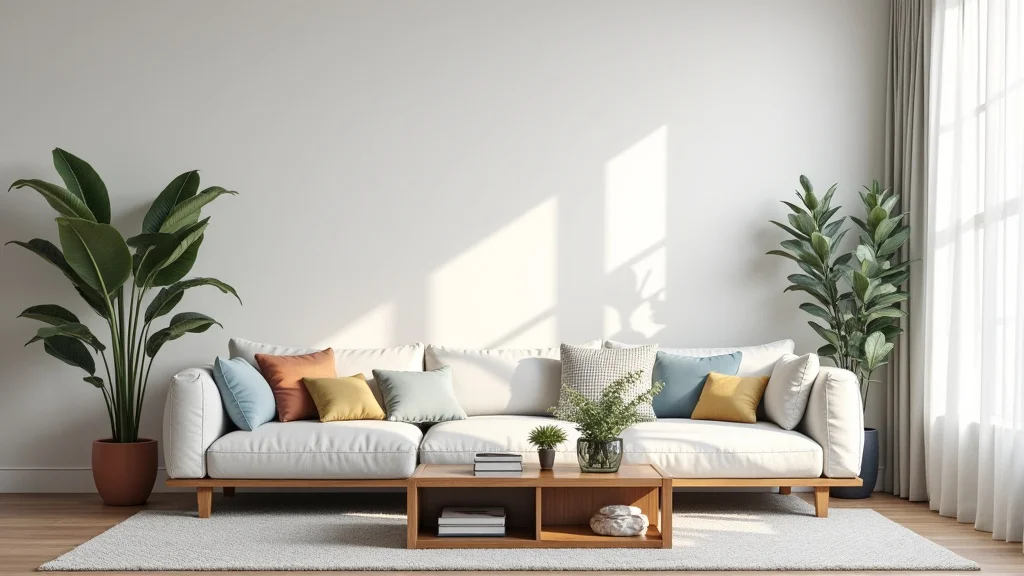
Remember that feeling when you first walked into your new place? The possibilities were endless, right? But then the reality of decorating set in. Where do you even begin? This post is your guide to transforming your living space. We’ll explore the core elements of modern style home decor and how to incorporate them into your home. Get ready to create a stylish and functional environment you’ll love. You’ll gain valuable knowledge on choosing the right furniture, colors, and accessories to achieve a cohesive, contemporary look. You’ll also learn how to avoid common design mistakes, saving you time and money.
Key Takeaways
- Learn the defining features of modern style home decor.
- Discover how to select furniture that complements a modern aesthetic.
- Understand the importance of color palettes in contemporary design.
- Explore how to accessorize your space with stylish and functional elements.
- Get tips on creating a minimalist modern living space.
- Find out how to blend comfort and style in your decor.
Defining Characteristics of Modern Style Home Decor
Modern style, often confused with contemporary design, is a distinct aesthetic. It is a design style that emerged in the early to mid-20th century. It emphasizes clean lines, a neutral color palette, and the use of natural materials. This style focuses on simplicity, functionality, and a sense of openness. It rejects ornamentation and embraces the beauty of form and structure. Achieving this look involves selecting the right furniture, incorporating a cohesive color scheme, and carefully choosing accessories. Understanding these elements is essential for creating a modern home.
Core Principles of Modern Design
Modern design is guided by a few core principles. These principles inform every choice, from furniture selection to the arrangement of your decor. Embracing these core values will guide you to a well-designed modern home.
- Clean Lines: Straight, unadorned lines are the foundation of modern furniture. Avoid ornate details and embrace simplicity. Think sleek sofas, rectangular coffee tables, and minimalist shelving. This emphasis on simplicity helps create a sense of order and calm.
- Minimalism: Less is more. Modern design avoids clutter and embraces open space. Carefully select items, focusing on quality over quantity. This principle promotes a streamlined and uncluttered look.
- Functionality: Every item in a modern space should serve a purpose. Furniture should be both stylish and practical. This emphasis on usability ensures that the space is not only visually appealing but also comfortable and easy to live in.
- Neutral Color Palette: Use a base of neutral colors, such as white, gray, and beige. These colors create a calming backdrop that allows other elements to stand out. Accent colors can be introduced in small doses through art or accessories.
- Natural Materials: Incorporate materials like wood, metal, and glass. These materials add warmth and texture. Wood furniture, metal accents, and glass tabletops are classic elements in modern design.
By following these principles, you can create a home that is both beautiful and functional. Let’s explore how to incorporate these principles into your space.
Choosing Furniture for Your Modern Style Home Decor
Furniture choices are critical for achieving a modern aesthetic. The goal is to choose pieces that are both stylish and functional. Furniture should reflect the minimalist principles of modern style. Avoid overly ornate or heavily patterned pieces, and prioritize simplicity and clean lines. Choosing the right furniture will set the tone for your whole home. Consider the size of your space and select pieces that fit proportionally.
Key Furniture Pieces
Certain furniture pieces are iconic in modern design. Knowing what to look for can help you achieve the perfect aesthetic.
- Sofas and Sectionals: Look for sofas with clean lines, exposed legs, and neutral upholstery. Leather or durable fabric options in solid colors are ideal. Consider a modular sofa for flexibility or a sleek, low-profile design.
- Coffee Tables: Choose coffee tables made of glass, wood, or metal. They should have simple designs, with a rectangular or square shape. Consider a table with storage or a sleek, low-profile design.
- Dining Tables and Chairs: Select dining tables with clean lines and a simple design. Chairs should complement the table, with minimal ornamentation. Consider a table made of wood or metal.
- Beds and Bedroom Furniture: Choose a bed frame with a minimalist design, such as a platform bed. Nightstands should have clean lines and minimal detail. A dresser with simple drawers and a sleek design is a good choice.
A sofa is often the centerpiece of a living room, so choose wisely. Neutral colors like gray, white, or charcoal are excellent choices as they provide versatility and can easily blend with different color schemes. The material should also be considered. Leather offers a classic and durable option, while performance fabrics can be stain-resistant and ideal for families with children or pets.
The coffee table is another important element in the living room. Look for tables with simple, geometric shapes and consider materials like wood, glass, or metal. Minimalist designs without ornate details will contribute to the clean aesthetic. You could use a sleek, low-profile design to make the room feel open and airy.
The dining area should reflect the same principles of simplicity and functionality. A wooden table with clean lines paired with chairs in a minimalist style creates a cohesive look. Avoid overly decorative chairs. Prioritize pieces that provide a comfortable and welcoming dining space.
The bedroom should be a sanctuary, so a minimalist approach to furniture can create a calming and relaxing environment. Choose a bed frame with a simple design, such as a platform bed or a bed with a sleek headboard. Nightstands and dressers should have clean lines and minimal detail to contribute to the clutter-free look. Using a neutral color palette in the bedroom is also important.
When selecting furniture for a modern style home decor scheme, remember that quality and design are equally important. Well-designed, functional pieces create a stylish and comfortable home. Consider the dimensions of your room, and be sure to measure your space carefully before making any purchases.
Color Palette Considerations in Modern Design
Color is a key element of modern design. It can significantly impact the overall feel of a space. Modern design embraces a neutral base and uses accents to create visual interest. Mastering the use of color can help you transform any room. Consider your preferences, and decide on a color scheme that reflects your lifestyle and personality. The careful use of color helps create a space that feels sophisticated, calm, and inviting.
Neutral Base Colors
Neutral colors form the foundation of most modern spaces. These colors provide a calming backdrop for other design elements.
- White: White creates a sense of openness and brightness. It can make a space appear larger. Use various shades of white to add depth and dimension.
- Gray: Gray provides a sophisticated and versatile base. It can be used in various shades, from light to dark. Gray pairs well with many accent colors.
- Beige: Beige adds warmth and comfort to a space. It’s a good alternative to white or gray, especially in spaces with limited natural light. It creates a welcoming environment.
- Black: Black can be used as an accent color to add contrast and drama. Black can be used on furniture, in accent walls, or in accessories. It should be used in moderation.
White walls and ceilings create an airy and clean feel, reflecting light and making the space feel more open. There are different shades of white. Choose warm whites like ivory or cool whites like pure white, depending on your preferences and the amount of natural light the room receives. White walls also serve as a perfect canvas for artwork and accent pieces, allowing them to stand out.
Gray offers a more subtle backdrop than white, adding depth and sophistication. Light gray walls make the space feel airy, while darker shades create a cozy atmosphere. Gray works seamlessly with various accent colors, like blue, green, or yellow. This versatility makes gray a great choice for both walls and furniture.
Beige offers a warmer alternative to gray or white. Beige can create a sense of comfort and coziness. It’s a great choice for spaces with limited natural light, as it can help create a warmer and more inviting atmosphere. Various shades of beige, from creamy to tan, can be used to add depth and dimension to a space. It is also quite versatile.
Black, while not a base color, adds an element of drama and sophistication when used as an accent. Use black on furniture, accent walls, or in accessories to create visual interest and contrast. Using it in moderation prevents the space from feeling dark or overwhelming. It is important to balance black with lighter neutrals.
These neutral colors can be used on walls, furniture, and flooring. The choice of base color depends on personal preference and the natural light of the space. Consider painting a room a lighter shade of white to reflect the light and make the room appear larger. Using a warmer beige will add warmth to a room. Combining these colors with accent colors enhances the visual appeal of a modern home.
Incorporating Accent Colors
Accent colors add personality and visual interest to a modern space. Choose colors that complement the neutral base and reflect your personal style.
- Blues and Greens: Blues and greens create a sense of calm and tranquility. They work well in living rooms and bedrooms. Consider using shades of blue and green to create a relaxing environment.
- Yellows and Oranges: Yellows and oranges add warmth and energy. They can brighten up a space, making it feel more inviting. Use them sparingly, in accessories or artwork.
- Reds and Pinks: Reds and pinks add a touch of boldness and sophistication. Use these colors in small doses, through accent pieces or accessories.
- Metallic Accents: Incorporating metallic accents like gold, silver, or copper adds a touch of glamour. Use these on accessories or furniture details.
Blues and greens can introduce a sense of calmness and serenity. These colors create relaxing atmospheres in living rooms or bedrooms. Choose soft shades like teal or sage green or bolder hues like navy or emerald green. Accent pieces such as throw pillows, rugs, or artwork can incorporate these colors. They provide a striking contrast against a neutral backdrop.
Yellows and oranges inject energy and brightness into the room, creating an inviting atmosphere. Use these colors sparingly in accent pieces like cushions, artwork, or decorative objects. Avoid using them on large surfaces, as this could overwhelm the space. The vibrant tones will provide visual interest and a burst of color against a neutral backdrop.
Reds and pinks can add a touch of boldness and sophistication to a room. Incorporate these colors in small doses, using cushions, artwork, or other decorative items. Remember to balance these bold colors with your neutral base. This can create a striking and stylish look, adding visual interest to the space. Select the shades you like.
Metallic accents such as gold, silver, or copper can inject a touch of glamour and sophistication into the room. Use these on accessories like lamps, vases, or picture frames, or furniture details like table legs or hardware. Choose the metals that harmonize with your existing color scheme. This will create a stylish and cohesive look.
When selecting accent colors, consider the overall mood you want to create. Start with a neutral base and add accent colors that complement the base. The right combination of colors can create a space that feels both stylish and comfortable.
Accessorizing Your Space with Modern Style
Accessories are the finishing touches in modern design. They add personality, character, and functionality to a space. They make the space feel inviting and complete. Selecting the right accessories helps to create a cohesive and stylish home. Choose items that reflect the minimalist principles of modern design and complement your furniture and color scheme.
Key Accessory Elements
Choose accessories that enhance the modern aesthetic. Here are some key elements to consider:
- Artwork: Choose abstract or minimalist artwork. Artwork can be used to add color and interest to the space. Large-scale pieces can make a statement, while a gallery wall creates a curated look.
- Mirrors: Mirrors reflect light and make a space feel larger. Choose mirrors with simple frames or frameless designs. They can be functional and decorative.
- Lighting: Lighting plays a key role in the aesthetic. Choose modern lighting fixtures, such as pendant lights, table lamps, and floor lamps. They can make the space feel brighter.
- Throw Pillows and Blankets: Add texture and comfort with throw pillows and blankets. Choose these in neutral colors or accent colors. They provide visual interest and contribute to the welcoming ambiance.
- Decorative Objects: Select decorative objects that reflect your personal style. Choose items with clean lines and simple designs. They make the space more inviting and interesting.
Art should complement the minimalist design of your home. Large-scale pieces provide a focal point and introduce a pop of color or texture. For a curated look, create a gallery wall with various sizes and styles of artwork. The selected pieces should enhance the color scheme.
Mirrors are a great way to reflect light and make a space feel larger and more open. Select mirrors with simple frames, or frameless designs. Place mirrors strategically to amplify natural light and enhance the modern aesthetic. Consider incorporating them into your dining room or entryway to create a sense of spaciousness.
Lighting not only provides illumination but also enhances the overall aesthetic. Choose modern light fixtures, such as pendant lights, table lamps, and floor lamps. For instance, consider minimalist designs with clean lines and geometric shapes. Incorporate dimmers to control the mood and create a welcoming and comfortable atmosphere.
Throw pillows and blankets are essential for adding texture, comfort, and color. Use these in neutral or accent colors. They help create a relaxing and inviting space. Experiment with different textures, like woven cotton or faux fur. This adds depth and visual interest to your decor.
Decorative objects are essential for adding personality and reflecting your style. Select items with clean lines, minimalist designs, and shapes. Choose pieces that are both functional and visually appealing, such as vases or sculptures. Be selective, and avoid clutter. Place these objects strategically to enhance the overall aesthetic.
When accessorizing, remember the principle of less is more. Choose items you love and that complement your furniture and color scheme. These items add personality and enhance the functionality of your space. These accessories help to personalize your space and reflect your taste.
Creating a Minimalist Modern Living Space
Minimalism is a core principle of modern design. Creating a minimalist modern space involves decluttering, focusing on functionality, and embracing simplicity. The aim is to create a space that is both stylish and calming. Achieving this aesthetic helps you achieve a sense of order. By following the tips here, you can embrace the minimalist approach.
Key Steps to Minimalist Modern Design
Achieving a minimalist look involves a few key steps. These steps focus on decluttering, organizing, and selecting functional items.
- Declutter Regularly: Decluttering is key to minimalism. Get rid of anything you don’t use, need, or love. Reduce clutter to create a more spacious and calming environment.
- Choose Multi-Functional Furniture: Opt for furniture that serves multiple purposes. A sofa with built-in storage or a coffee table with a hidden compartment is a great option. Maximize space.
- Focus on Storage Solutions: Incorporate storage solutions to keep clutter out of sight. Use cabinets, drawers, and shelving. This creates a more organized and streamlined space.
- Embrace Negative Space: Don’t overcrowd your space with furniture or accessories. Embrace the concept of negative space. Leave open areas to create a sense of calm.
- Keep Colors Minimal: Stick to a neutral color palette. Use accent colors sparingly. This creates a cohesive and calming environment.
Decluttering involves removing items that do not serve a purpose in your home. Go through each room, and let go of anything you don’t use, need, or love. Donate or sell items you no longer need. This helps create a sense of openness and tranquility.
Multi-functional furniture is crucial for a minimalist approach. Choose pieces that serve multiple purposes. A sofa with built-in storage or a coffee table with a hidden compartment will help to reduce clutter. Prioritize pieces that maximize space and contribute to the functionality of your home.
Storage solutions are essential for keeping your home organized. Use cabinets, drawers, and shelving to keep clutter hidden from view. Storage solutions help to maximize space and maintain a clean and streamlined appearance.
Negative space, or the empty areas around objects, is key in minimalism. Leave open areas to create a sense of spaciousness and tranquility. The uncluttered feeling will make your home feel more inviting. Avoid overcrowding the space with excessive furniture or accessories.
A minimalist design relies on a neutral color palette. This provides a serene and cohesive environment. Use accent colors sparingly. A simple color scheme contributes to the minimalist aesthetic. It enhances the visual appeal of the space.
Minimalist modern design is about creating a space that is both stylish and functional. By decluttering, choosing functional furniture, incorporating storage solutions, and embracing negative space, you can create a calm and inviting home. The goal is to create a space that promotes a sense of peace and order.
Blending Comfort and Style in Modern Decor
Modern design is known for its clean lines and minimalist aesthetic. It can sometimes be perceived as cold or sterile. The goal is to create a space that is both stylish and comfortable. Blending these two elements involves incorporating soft textures, warm colors, and personal touches. Your home should be beautiful and feel like home. By following these suggestions, you can create a space that reflects your style and personality.
Tips for Adding Comfort to Modern Decor
Creating a comfortable modern space involves balancing aesthetics with practicality. These tips help to achieve that balance.
- Incorporate Soft Textures: Add soft textures with throw pillows, blankets, and rugs. They provide comfort and warmth. Look for natural materials like wool, cotton, and linen.
- Use Warm Colors: While modern design often uses a neutral palette, you can add warmth with accent colors. Use warm tones like beige, tan, or even warmer shades of gray. This creates a welcoming environment.
- Add Personal Touches: Incorporate personal items that reflect your style and personality. Photos, artwork, and souvenirs can make a space feel like home. This adds character.
- Choose Comfortable Furniture: Prioritize comfort when selecting furniture. Choose sofas and chairs with comfortable cushions and supportive frames. Furniture should be as comfortable as it is stylish.
- Use Good Lighting: Lighting can create a warm and inviting atmosphere. Use layered lighting, including ambient, task, and accent lighting. This allows you to control the mood.
Soft textures create a sense of warmth and comfort. Incorporate items such as throw pillows, blankets, and rugs made from natural materials like wool, cotton, and linen. These elements introduce a sense of coziness and tactile appeal. They make the space more inviting. This softens the clean lines of modern design.
Warm colors can inject life and vibrancy into your design. While a neutral palette is important, use accent colors to create warmth. Use warm tones like beige or tan, or warmer shades of gray. This creates a welcoming and inviting ambiance. It balances the coolness often associated with modern designs.
Personal touches transform a house into a home. Incorporate items that reflect your unique style. Photos, artwork, and souvenirs are perfect for showcasing your personality. These personal elements add warmth, character, and a sense of belonging to your space. They allow you to create a home that feels uniquely yours.
Comfort should be a priority. Choose furniture that is stylish and provides comfort. Consider sofas with comfortable cushions and supportive frames. Prioritizing comfort ensures that your space is both inviting and functional. Look for furniture that blends practicality with aesthetics.
Lighting plays a critical role in creating the desired atmosphere. Use different layers of lighting: ambient, task, and accent lighting. Ambient lighting creates a warm glow. Task lighting supports activities. Accent lighting highlights features and adds depth. This combination of lighting will allow you to control the mood and create a comfortable and inviting atmosphere.
By blending comfort with style, you can create a modern space that feels both stylish and inviting. You can achieve a space that reflects your personality and provides a comfortable environment. The key is to balance the minimalist aesthetic with elements of warmth and personality.
Common Myths Debunked
There are several myths about modern design that can prevent people from embracing the style. Let’s debunk some common misconceptions.
Myth 1: Modern Design is Cold and Sterile
Many believe modern design is cold and sterile, lacking warmth. This is not always the case. Modern design can be warm and inviting. The key is to incorporate soft textures, warm colors, and personal touches. The choice of materials, colors, and accessories significantly influences the feel of the space. It can be a comfortable and welcoming home.
Myth 2: Modern Design is Uncomfortable
Some believe modern furniture is uncomfortable. While some modern furniture prioritizes aesthetics over comfort, this is not always true. Many modern pieces offer a balance of style and comfort. Furniture can be both stylish and comfortable. Look for pieces with supportive cushions, ergonomic designs, and soft fabrics. Comfort is not sacrificed in a well-designed modern space.
Myth 3: Modern Design is Only for Big Spaces
It is often thought that modern design is only suited for large spaces. Modern design is versatile and can work in any space. The principles of minimalism and functionality make it well-suited for smaller spaces. Clean lines, a neutral color palette, and multi-functional furniture can make small rooms feel open and airy. It is ideal for apartments and compact living spaces.
Myth 4: Modern Design is Expensive
Many assume that modern design is costly. While high-end designer furniture can be expensive, it’s possible to create a modern space without breaking the bank. The focus on simplicity and functionality makes it easy to find affordable pieces. Shop for budget-friendly furniture, and incorporate DIY projects or upcycled items. You can create a stylish space. It’s about careful choices.
Myth 5: Modern Design is Difficult to Achieve
Some believe modern design is difficult to achieve. Modern design is surprisingly accessible. The principles of modern design are easy to understand. Start with a neutral base, choose furniture with clean lines, and incorporate a few key accessories. With a little planning and research, anyone can create a modern home. You can transform your space without professional help.
Frequently Asked Questions
Question: What are the key elements of modern style home decor?
Answer: Clean lines, a neutral color palette, functionality, and the use of natural materials are the key elements of modern style home decor.
Question: How do I choose the right furniture for a modern living room?
Answer: Select furniture with clean lines and simple designs. Leather or fabric sofas, a rectangular coffee table, and minimalist shelving are good choices.
Question: What colors work best in a modern home?
Answer: A neutral color palette, including white, gray, and beige, provides a versatile base. Accent colors can be incorporated through accessories and artwork.
Question: How can I make my modern home feel more comfortable?
Answer: Incorporate soft textures with throw pillows, blankets, and rugs. Add personal touches, and choose comfortable furniture.
Question: Is modern design suitable for small spaces?
Answer: Yes, the principles of modern design, such as minimalism and functionality, are well-suited for small spaces. The emphasis on clean lines and open spaces can make a small room feel larger.
Final Thoughts
Creating a modern style home decor is all about embracing simplicity, functionality, and a touch of personal flair. It’s a design style that’s both elegant and practical. You have explored the core elements of modern design, learned how to choose the right furniture, and discovered the importance of color palettes. The key is to create a space that reflects your lifestyle and personality. The tips provided will help you achieve a well-designed, comfortable, and stylish home. Start by decluttering, choosing a neutral color palette, and incorporating furniture with clean lines. Add your personal touch with artwork and accessories. Take inspiration from the ideas shared here. Embrace the freedom to create a space that’s uniquely yours. Remember, your home should be a reflection of who you are.