Remember that time you spent hours scrolling through Instagram, completely mesmerized by those perfectly curated homes? You were probably drooling over the room and decor styles! It can be hard to know where to begin when you are revamping a space. This post will explore various design choices, giving you the knowledge to confidently choose a style that fits your personality and lifestyle. You’ll learn the key elements of each style, so you can transform your space into a place you love. Get ready to enhance your design skills and create a beautiful home.
Key Takeaways
- Learn about different room and decor styles, from classic to modern.
- Understand the key elements that define each design style.
- Discover how to incorporate these styles into your own home.
- Gain tips on how to choose a style that matches your personality.
- Find out how to avoid common decorating mistakes.
- Learn where to find inspiration and resources to start decorating.
Explore Popular Room and Decor Styles
There is a lot of inspiration out there! One of the exciting parts of decorating is getting to know different styles and thinking about what would work best for your home. This section will look at some of the most popular room and decor styles, detailing their defining features. These details will enable you to evaluate your preferences and identify what sparks your joy in interior design. This foundational knowledge will be helpful as you start making design decisions.
Modern Style
The modern style embraces clean lines, a neutral palette, and a minimalist approach. Functionality is a primary goal. Decorations and furnishings are kept at a minimum to avoid clutter. Modern design often uses materials like steel, glass, and wood, showcasing their natural textures and finishes. Rooms tend to have open floor plans, making them feel spacious and bright. There is a lot of thought placed on keeping the rooms as uncluttered as possible. The primary goal is that the living space is a practical and comfortable environment.
- Clean Lines and Minimalism: Modern design emphasizes simplicity with sleek furniture and a lack of ornamentation. Furniture typically features straight lines and smooth surfaces, avoiding excessive detailing.
- Neutral Color Palette: Whites, grays, and blacks are common, often punctuated by pops of color from artwork or accent pieces. This creates a calming and versatile base.
- Use of Natural Light: Large windows and open layouts are common to maximize light. Curtains are often neutral and sheer, allowing the light to filter through.
- Functionality and Practicality: Modern design focuses on the practical use of space. Furniture is selected for its utility.
Bohemian Style
Bohemian, or “boho”, style is all about expressing individuality and embracing a free-spirited approach. This style is known for its eclectic mix of patterns, colors, and textures. You’ll find natural materials, such as wood, rattan, and linen, that bring a warm, inviting feel. It often incorporates global influences, with decor items from different cultures. Bohemian rooms often feel collected over time, with each piece holding a story. Boho style is about creating a space that feels personal and lived-in.
- Eclectic Mix of Patterns and Textures: Layering different patterns, such as florals, geometric designs, and ethnic prints, is a key element. Textures are brought in with woven textiles, macrame, and plush rugs.
- Rich and Varied Color Palette: Earthy tones like browns, greens, and ochre are common, along with pops of vibrant colors, like turquoise, fuchsia, and orange. Colors are used freely and without rigid rules.
- Natural Materials and Textures: Wood furniture, rattan chairs, and linen curtains are important. Plants are another essential element, adding life and freshness.
- Global Influences: Decor items often include items from different cultures, such as Moroccan lanterns, Turkish rugs, and African masks. These elements showcase travel and diverse inspiration.
Scandinavian Style
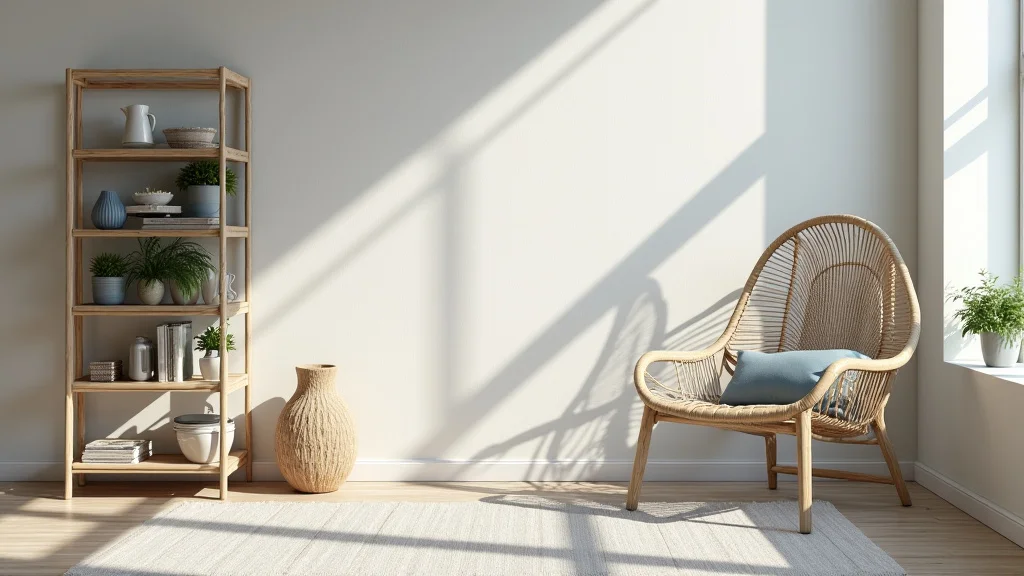
Scandinavian design focuses on simplicity, minimalism, and functionality. Born in the Nordic countries, it values clean lines, light, and a connection to nature. The style uses a light, neutral color palette to maximize natural light and create a feeling of openness. The style is comfortable and uncluttered, with a focus on usability and practicality. Functionality is prioritized. Each element is carefully chosen for its purpose and aesthetic.
- Neutral Color Palette: Whites, grays, and soft pastels are the foundation. These colors create a calming and bright atmosphere, especially important in areas that have long winters.
- Minimalist Approach: Furniture is simple, functional, and uncluttered. Accessories are kept to a minimum, and spaces are carefully curated.
- Natural Materials: Wood, especially light-colored wood like birch and pine, is widely used. Textiles are often made of natural fibers like linen and wool.
- Emphasis on Natural Light: Large windows and a light color palette are used to maximize natural light. Candles are also used to create a cozy atmosphere.
Farmhouse Style
Farmhouse style is a cozy and inviting style that draws inspiration from rustic, country homes. It embraces comfort and functionality with a focus on natural materials, warm colors, and vintage or antique pieces. It’s about creating a welcoming atmosphere that feels both lived-in and stylish. This style often has elements of both functionality and aesthetic, giving a welcoming feeling. The farmhouse style combines the rustic, natural beauty of country life with comfort and a practical design.
- Neutral Color Palette with Warm Accents: Whites, creams, and grays form the base, with accents of warm colors like red, green, and blue. Wood tones add warmth and character.
- Natural Materials: Wood, metal, and natural fibers like cotton and linen are key. Reclaimed wood, vintage furniture, and open shelving are common.
- Vintage or Antique Pieces: Antique furniture, rustic signs, and vintage decor add charm and character. These pieces tell a story and add a sense of history.
- Comfort and Functionality: Cozy furniture, such as overstuffed sofas and comfortable chairs, creates a welcoming atmosphere. Practical elements like open shelving and farmhouse sinks are common.
Finding Your Room’s Style
Once you are more familiar with a few different styles, you can begin to think about what direction you would like to go. The most important thing is to consider your lifestyle and preferences. You can start by examining your existing belongings to see if there is a common aesthetic. This self-assessment allows you to create a home that truly reflects who you are. The ultimate goal is to create a space that feels authentic.
Reflect on Your Lifestyle
What do you do in your rooms? Consider how you spend your time. For example, if you love to entertain, you might want a dining space or a comfortable living room. If you work from home, a well-designed office space will be vital. Your room and decor styles should accommodate your daily routine. Understanding your lifestyle is the first step to creating a comfortable and functional home.
- Consider Your Daily Activities: Think about how you spend your time at home. Are you a social person who loves entertaining, or do you prefer a quiet, relaxing space?
- Assess Your Needs: Do you need a dedicated workspace? How much storage space do you need? What are your storage needs? Consider all of your current needs.
- Prioritize Comfort and Functionality: Your home should be a place where you feel comfortable and relaxed. Make sure that the furniture is comfortable and the space is functional.
- Think about Pets and Family: If you have pets or children, you’ll need to choose durable and easy-to-clean materials. You’ll want to ensure that the materials can withstand everyday use.
Assess Your Personal Preferences
What do you like? What colors, textures, and styles do you gravitate towards? To help find inspiration, look at magazines and online images. Do you love bright colors or prefer a neutral palette? Do you like modern design or prefer rustic decor? Think about your style and interests to guide your decisions. This ensures that the space is true to you. This way, you can create a home that reflects your personality and tastes.
- Create a Mood Board: Collect images of rooms, furniture, and decor that you love. This will give you a visual representation of your preferences and help you identify common themes.
- Consider Your Favorite Colors: Which colors make you happy? Use these colors in your decor.
- Think About Textures and Materials: Do you like the warmth of wood, the softness of velvet, or the coolness of metal? Incorporate textures and materials that you enjoy.
- Look for Inspiration: Browse magazines, websites, and social media for ideas. Pay attention to the styles and designs that resonate with you.
Combine and Personalize
You don’t have to stick to one specific style. Many of the most interesting and beautiful homes blend different styles. Mix and match elements from various styles to create a space that feels unique and personal. Consider a mix of modern and bohemian elements. Incorporating elements from different styles allows you to create a design that truly reflects you. The most stylish spaces always have a personalized feel. Feel free to mix and match elements to match your interests.
- Mix and Match: Don’t be afraid to blend different styles. For example, you might combine modern furniture with bohemian textiles.
- Add Personal Touches: Incorporate items that have personal meaning. Family photos, souvenirs, and artwork create a space that is unique to you.
- Experiment with Colors: Play with different color palettes. You can use a neutral base with pops of color from accent pieces, or go bold with vibrant hues.
- Consider Your Existing Items: What furniture and decor do you already have? Incorporate these items into your new design.
Implementing Your Room and Decor Styles
Once you know the design style you like, it is time to start implementing it in your home. This section looks at key steps and actions. Planning is important, so this information helps you organize the process. The process of getting started can be simplified. This approach can help you create a space that is functional and beautiful.
Planning Your Space
Before you start, make a detailed plan. Start by measuring your space and creating a floor plan. Decide the purpose of the space and how you want to use it. This will help you know how to choose the right furniture and decor. Think about the flow of traffic through the space and how the furniture will be arranged. Measure your space, create a floor plan, and define your purposes.
- Measure Your Space: Measure the length and width of the room. Note the location of doors, windows, and any architectural features.
- Create a Floor Plan: Draw a rough floor plan. It doesn’t have to be perfect, but it should give you an idea of how the furniture will fit.
- Determine the Function of the Space: How do you plan to use this space? Is it a living room, bedroom, or home office?
- Consider Traffic Flow: Think about how people will move through the room. Make sure that furniture placement doesn’t obstruct walkways.
Choosing Furniture
Your furniture is essential to the look and function of the space. Consider the size of the room and the style you’ve selected. Look for pieces that are not only stylish but also functional and comfortable. Quality is important, so choose durable pieces that will stand the test of time. Don’t be afraid to mix and match pieces from different stores. You can create a unique style while also expressing your personality.
- Consider the Size of the Room: Choose furniture that is proportionate to the size of the room. Avoid overcrowding the space.
- Select Functional Pieces: Choose furniture that serves a purpose, such as a comfortable sofa or a functional desk.
- Prioritize Comfort and Quality: Invest in high-quality furniture that is comfortable and durable. This is where you are going to be spending a lot of time.
- Mix and Match Styles: Don’t be afraid to mix and match furniture styles and colors to create a unique look. You can find many styles online or at specialty stores.
Adding Decor and Accessories
Decor and accessories are what bring the room together. They add personality and style to the space. Choose items that reflect your personal tastes and complement the overall design. Consider incorporating artwork, textiles, and decorative objects. Remember to balance the elements and avoid cluttering the space. This final step is where you can give the space a personal touch. This stage is where your design comes to life!
- Choose Artwork and Textiles: Select artwork, rugs, and curtains that complement the overall design. Consider colors, patterns, and textures.
- Add Decorative Objects: Incorporate decorative objects such as vases, sculptures, and books. Place these items on shelves, tables, and other surfaces.
- Balance the Elements: Make sure that the space feels balanced and visually appealing. Avoid overcrowding the space.
- Don’t Be Afraid to Experiment: Try different arrangements and styles until you achieve the desired look. Decorating is a process, so enjoy experimenting with different options.
Common Myths Debunked
There are many ideas about interior design, so let’s break down some misconceptions. Many myths can prevent people from making the most of their spaces. It is helpful to debunk some common myths. Here are some widespread design misconceptions, along with clarifications.
Myth 1: Small Spaces Need to Be All White
The misconception that small rooms must be white to seem larger is not always true. While white can make a space feel brighter and more open, it’s not the only option. Using light colors and a good lighting design is important. Small spaces can also work well with darker colors or bolder patterns, as long as the design is intentional and well-balanced.
Myth 2: You Need to Match Everything
The idea that all furniture and decor must match is very outdated. This can make a room feel bland and impersonal. The beauty of design is mixing and matching pieces. Different colors, textures, and styles can create an eclectic and visually interesting space. Embrace the freedom to mix and match items. The best way to make a space your own is to add some of your personal touches.
Myth 3: Trendy Designs Are Always a Good Choice
Trends come and go, but what matters most is creating a space you will love long-term. While it can be fun to experiment with trends, avoid making them the focus of your design. Instead, focus on creating a space that is timeless and fits your personal style. It’s often better to go with a classic design that will endure.
Myth 4: Expensive Decor Is Always Better
Higher prices don’t necessarily equate to better style. You can find quality pieces at various price points. Instead of focusing on price tags, focus on quality, craftsmanship, and how well a piece fits your needs and preferences. You can create a beautiful space on any budget by shopping smartly and being creative.
Myth 5: You Need to Be a Professional to Decorate
While design professionals have expertise, anyone can decorate their home. You don’t need formal training or extensive knowledge to create a stylish and comfortable space. With research, inspiration, and a little experimentation, you can create a home you love. The key is to start with a plan and enjoy the process.
Frequently Asked Questions
Question: How do I choose the right color palette?
Answer: Consider your personal preferences, the amount of natural light in the room, and the overall style you want to achieve. Start with a base color and add accent colors that complement it.
Question: How can I make a small room look larger?
Answer: Use light colors, incorporate mirrors to reflect light, and choose furniture that is proportionate to the size of the room. Declutter and maximize the use of natural light.
Question: How often should I update my decor?
Answer: You can update your decor as often as you like, or as your tastes change. A good rule is to refresh your decor every few years to keep your space feeling fresh.
Question: Where can I find affordable decor?
Answer: Explore thrift stores, flea markets, discount retailers, and online marketplaces. Many home improvement stores offer affordable options, too.
Question: How can I create a cohesive look throughout my home?
Answer: Establish a consistent color palette and style. Use similar materials and patterns, and carry them from room to room to create a unified design.
Final Thoughts
Exploring room and decor styles opens up a world of possibilities for your home. You’ve discovered how different styles like modern, bohemian, Scandinavian, and farmhouse can transform a space. When it comes to decorating, remember there are no rigid rules. The most important thing is that the home reflects your personality and meets your needs. So, take some time to explore your likes and dislikes. Start creating a design plan that combines your favorite elements. You can start small, perhaps by re-arranging a room or adding a new decorative touch. Most importantly, enjoy the process of making your space into a place you love to be. Your dream home awaits!