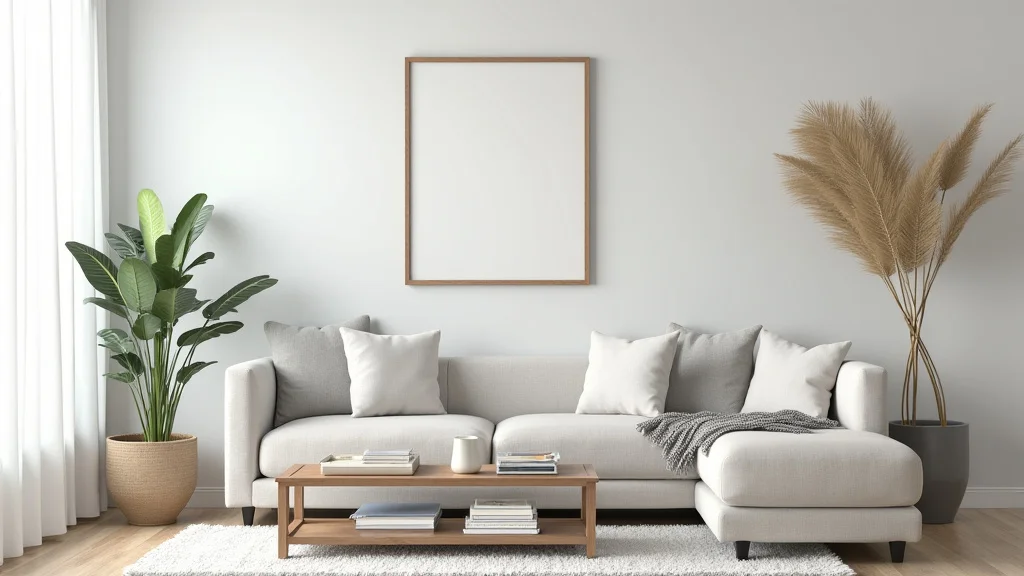
Remember that time you spent hours scrolling through Instagram, completely mesmerized by those perfectly curated homes? You thought, “I wish my place could look like that!” Well, you’re not alone. Figuring out the right styles for home decor can feel overwhelming. This guide is here to help you translate that inspiration into reality. We’ll explore various styles for home decor to help you define your personal taste and create a space you’ll genuinely love. Get ready to transform your home with a fresh and exciting look!
Key Takeaways
- Discover a variety of popular home decor styles, from modern to classic.
- Learn how to identify your personal style preferences through simple exercises.
- Understand the key elements that define each style, like color palettes and materials.
- Get practical tips on incorporating different styles into your home, room by room.
- Find resources for sourcing furniture and decor that fit your chosen aesthetic.
- Gain the confidence to create a cohesive and stylish living space.
Unveiling Different Styles for Home Decor
Home decor isn’t just about furniture; it’s about crafting an atmosphere. It’s an expression of your personality, a haven from the outside world. Different styles for home decor each have unique characteristics. This section will unpack some of the most popular, giving you a solid base for designing your home.
Modern Style Essentials
Modern design often centers on simplicity and functionality. It favors clean lines, a neutral color palette, and minimal ornamentation. Think sleek furniture, open spaces, and an emphasis on the materials themselves. Natural light is key, and accessories are used sparingly. The goal is a clutter-free, practical, and visually appealing space.
- Clean Lines and Geometric Shapes: Furniture in this style typically features straight lines, simple shapes, and a lack of excessive detail. This gives a sense of order and sophistication.
- Neutral Color Palette with Pops of Color: The foundation is often built upon whites, grays, and blacks. Bright colors can be introduced through accent pieces like artwork or cushions.
- Emphasis on Functionality: Each piece of furniture has a purpose. Spaces are organized to maximize efficiency and minimize visual clutter.
- Use of Materials: Materials include metal, glass, and wood. Textures like sleek leather or smooth concrete can elevate the space.
A great example of the modern style would be a minimalist living room with a gray sectional sofa, a glass coffee table, and a few abstract paintings. This space prioritizes simplicity and an open feel.
Coastal Style Characteristics
The coastal style evokes feelings of a relaxing getaway. It’s often influenced by the seaside with a light, airy feel. Think of a beach house with natural textures, a calming color scheme, and decor that celebrates the ocean. This style is about creating a relaxed and inviting atmosphere.
- Light and Airy Color Palette: The focus is on whites, blues, and sandy neutrals. These colors create a breezy atmosphere that reflects the beach’s open feel.
- Natural Textures and Materials: Linen, cotton, and wood are central to the style. Woven rugs, wicker furniture, and wooden accents bring a sense of warmth and comfort.
- Nautical Accents: Subtle hints of maritime themes like seashells, starfish, and stripes are often incorporated.
- Abundant Natural Light: The style flourishes in spaces that receive ample daylight, emphasizing openness.
Imagine a bedroom with white walls, blue and white striped bedding, and a wicker headboard. Sea-inspired artwork and seashell decor complete the look.
Rustic Style Basics
Rustic design emphasizes natural, unfinished elements, creating a warm and inviting space. It’s about a connection to nature and a sense of history. Think wooden beams, exposed brick, and vintage accents. The style exudes comfort and a laid-back feel.
- Emphasis on Natural Materials: Wood, stone, and leather are the dominant elements. They add warmth and a connection to nature.
- Warm and Earthy Color Palette: Browns, greens, and creams create a sense of coziness. These colors ground the space and make it welcoming.
- Vintage and Antique Accents: Pieces with character, like distressed furniture or antique lighting fixtures, add personality and history to the space.
- Exposed Architectural Details: Details like wooden beams and exposed brick add character and authenticity.
Picture a kitchen with exposed wooden beams, a farmhouse-style table, and vintage metal lanterns. This space reflects the rustic style’s emphasis on natural materials.
Bohemian Design Elements
Bohemian decor embraces a carefree and eclectic aesthetic. It’s a blend of global influences, unique patterns, and bold colors. This style is all about expressing individuality and creating a comfortable, lived-in space. It’s not about perfection; it’s about embracing creativity.
- Layering of Patterns and Textures: Mixing and matching patterns, colors, and textures is encouraged. This creates a rich, visually interesting space.
- Rich, Earthy Color Palettes: Jewel tones, earthy hues, and vibrant accents are common. The color scheme is bold and energetic.
- Global Influences and Textiles: Incorporate items from all over the world. Textiles like rugs, throws, and tapestries add warmth and character.
- Personal Collection and Display: Embrace your individuality and display your treasures, artwork, and collectibles.
Envision a living room with a vibrant patterned rug, mismatched cushions, and a collection of global artifacts. This space is a celebration of individuality and free-spirited design.
Choosing the Right Styles for Home Decor for You
Identifying your personal design taste is an exciting phase. It’s about exploring what you truly enjoy and how you want to feel in your space. The aim is to create a setting that is uniquely you. Experimenting with different styles is an important part of the process.
Assess Your Personality
Your home decor should reflect who you are. What makes you feel calm? What excites you? Think about the colors you love, the textures you’re drawn to, and the moods you want to create in each room. Consider the activities you do most often in your home and how the space can best support them.
- List Your Favorite Things: Create a list of objects, colors, and textures you are drawn to. This helps identify common patterns in your preferences.
- Consider Your Lifestyle: Determine how you use your living space. Consider whether you entertain often, work from home, or prioritize relaxation.
- Browse for Inspiration: Look through magazines, websites, and social media. Save images that resonate with you to uncover what you like.
Consider Your Lifestyle
Think about how you live and what you need from your space. Do you have pets or children? Are you a minimalist or someone who loves to collect? Do you entertain frequently, or do you prefer quiet evenings at home? Your lifestyle will significantly impact your choices.
- Practicality Matters: If you have kids or pets, choose durable and easy-to-clean materials.
- Space Planning: Make sure there is enough room for your daily activities. Consider storage solutions to keep your space tidy.
- Prioritize Comfort: Make sure your space is functional and comfortable for your specific needs.
Create a Mood Board
Mood boards are a powerful way to visualize your design ideas. They bring different elements together to show how they will work in a space. They can show color schemes, materials, and other aspects of design.
- Collect Inspiration: Gather images of rooms, furniture, and objects that you like.
- Select a Color Palette: Select colors that you will incorporate in your design.
- Consider Textures and Materials: Decide what types of materials you want to include.
Implementing Styles for Home Decor in Your Home
Putting your ideas into practice can be fun. It’s a chance to experiment and bring your vision to life. Starting small and gradually making changes allows you to adapt as you go. Focus on creating a space that looks and feels like home.
Room-by-Room Strategy
Instead of trying to transform your entire home at once, start with one room. This allows you to focus on the details and avoid feeling overwhelmed. You can then develop the style throughout the house, room by room.
- Prioritize: Decide which room you use the most or the one you feel the most inspired to redesign.
- Take Measurements: Measure the space and note any existing features you want to keep or change.
- Create a Budget: Set a budget to manage expenses and stay on course.
Color and Texture Considerations
Color and texture are powerful tools. They create mood and define the feel of a room. Carefully consider the colors and textures to incorporate, choosing combinations that resonate with you and the overall aesthetic.
- Start with a Base Color: Select a neutral color as the foundation for your walls.
- Layer in Accent Colors: Add pops of color with accessories, artwork, and textiles.
- Use Texture: Incorporate different materials to add interest and depth to the room.
Accessorizing and Finishing Touches
Accessories are the details that complete a space. They add personality and warmth. Select pieces that reflect your style and add the finishing touches that make your home feel inviting.
- Choose Accessories That Reflect Your Style: Select items that reflect your personal style.
- Display Your Treasures: Incorporate personal items like photos and souvenirs.
- Add Greenery: Plants and flowers add color and life to a room.
Sourcing Furniture and Decor
Finding the right furniture and decor is critical. Knowing where to look will make the process easier. Several resources can help, from big-box stores to specialized boutiques and online shops.
Where to Shop
There are many places to find furniture and decor. Consider both online and brick-and-mortar stores. This gives you many options to browse, compare prices, and uncover items that fit your budget.
- Big-Box Retailers: Stores such as IKEA and Target provide a wide selection of furniture and decor at various price points.
- Specialty Stores: Stores dedicated to specific styles can supply a more curated experience and unique finds.
- Online Marketplaces: Websites such as Etsy and Amazon provide access to a broad range of options, including handmade items.
- Thrift Stores and Consignment Shops: These stores often offer budget-friendly pieces and unique finds.
Budgeting and Planning
Creating a budget will help you stay on track and make informed choices. Plan your expenses, and be flexible. This makes the shopping experience simpler and prevents overspending.
- Determine Your Budget: Decide on a budget before you start shopping.
- Compare Prices: Look around to see if you can locate the item for less elsewhere.
- Prioritize: Focus on essential items first, then add accessories later.
DIY and Upcycling
DIY and upcycling projects allow you to create personalized pieces while saving money. They are also a fun way to express your creativity. Consider these options to add character to your home.
- Upcycling Furniture: Give old furniture a new life. Repaint, repurpose, or refinish pieces.
- Creating Artwork: Make your own art for your walls.
- Personalizing Decor: Add your personal touch by customizing store-bought items.
Common Myths Debunked
Myth 1: You Need to Spend a Fortune on Home Decor
This is simply not true. You can create a stylish home without spending a fortune. A lot depends on your creativity, some smart shopping, and finding great deals. You can find quality furniture and decor at various price points.
Myth 2: A Style Has To Be Completely Followed
You don’t have to rigidly stick to one style. Feel free to mix and match elements to match your tastes and personality. The best homes are often those that incorporate a mix of different styles to create a unique look.
Myth 3: You Have To Have a Large Space To Have a Stylish Home
Style isn’t about square footage. A smaller space can be just as stylish and functional as a large one. Focus on maximizing the layout and choosing furniture and decor that fit the space. A well-designed, small apartment can be just as impressive as a spacious house.
Myth 4: Decorating Is Easy and Can Be Done Quickly
Decorating a home can take time. It involves selecting items, planning, and organizing the look of the place. Don’t rush the process. It’s often better to take your time and do things carefully.
Myth 5: All Trends Are Worth Following
Not all trends are worth following. Stick with what you love and what works for your space. Some trends will fit your style better than others. Build a space that reflects your taste rather than following every passing trend.
Frequently Asked Questions
Question: How often should I update my home decor?
Answer: There’s no set rule. Update when you feel inspired or your needs change. This could be every few months or years.
Question: What’s the best way to start decorating a new room?
Answer: Start with the large pieces of furniture. Then add smaller pieces and accessories.
Question: Can I decorate my home without professional help?
Answer: Yes. With careful planning and research, anyone can decorate their home.
Question: How do I avoid buying too much decor?
Answer: Create a budget and a plan. This helps you to make choices about what you buy.
Question: Is it okay to mix and match different styles?
Answer: Yes, mixing styles is fine, and is often the best way to get a unique look.
Final Thoughts
Exploring the wide world of styles for home decor opens up exciting possibilities. From the clean lines of modern design to the warm embrace of rustic aesthetics, you now have a foundation to start designing your home. Remember, the true essence is creating a space that reflects your personality and how you like to live. Don’t be afraid to try different styles, mix and match elements, and add your own touch. Start with a room, embrace the process, and take the time to build a home you’ll love. Decorating is a rewarding experience. Go create something beautiful!