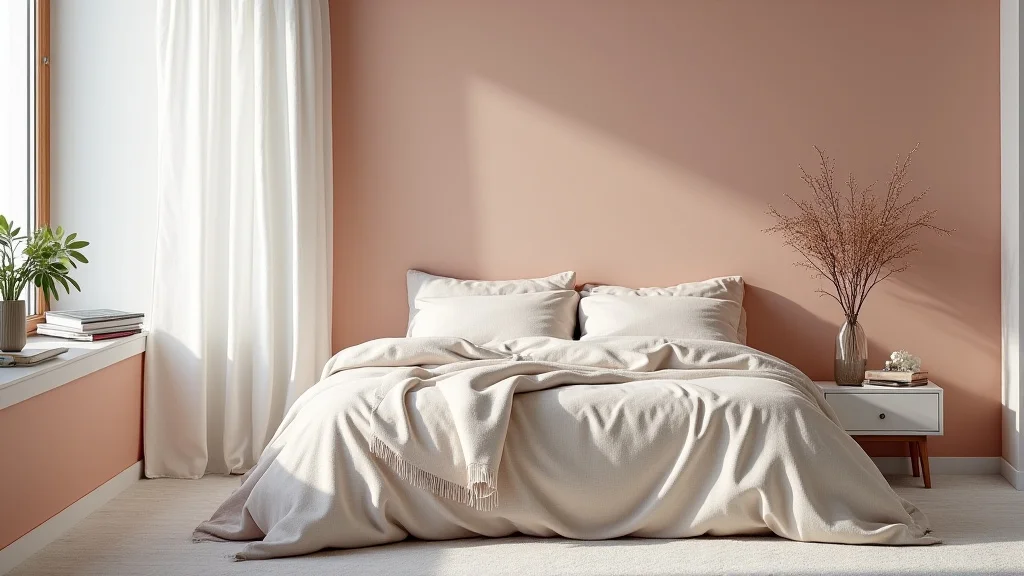
Ever feel like your home is stuck between two design eras? You love the cozy feel of traditional furnishings but crave the clean lines of modern style. Perhaps you’re struggling to create a cohesive look because your tastes are evolving. Many people find themselves in this predicament, desiring a space that feels both welcoming and current. This post explores the transitional home decor style, offering practical tips and inspiration for creating a space that perfectly balances the best of both worlds. By the end, you’ll gain the knowledge and confidence to seamlessly blend traditional and modern elements. Your home will transform into a stylish and comfortable retreat. You’ll learn how to successfully implement this transitional home decor style, significantly improving your ability to curate a space that reflects your personality.
Key Takeaways
- Transitional style expertly blends traditional and modern design elements.
- Learn how to select a balanced color palette for your transitional space.
- Discover how to incorporate furniture that complements this design aesthetic.
- Understand the use of textures and accessories to complete the look.
- Explore examples of transitional home decor in real-life settings.
- Gain a sense of confidence in designing your own transitional space.
Understanding Transitional Home Decor
The essence of the transitional home decor style lies in its ability to marry the best of two worlds: the classic comfort of traditional design and the sleek simplicity of modern aesthetics. This unique blend creates a space that is both timeless and contemporary, appealing to a wide range of tastes. It’s a versatile style that allows for personalization, making it a popular choice for those seeking a home that feels both current and enduring. The goal is to create a harmonious blend, avoiding the starkness of a purely modern space or the formality of a fully traditional one.
What Defines Transitional Style?
Several key elements define the transitional style, setting it apart from other design approaches. These characteristics guide designers and homeowners in crafting spaces that embody this particular blend of aesthetics. Identifying these elements is important when working on your design plans. This helps to guide decisions on furniture selections, color palettes, and the accessories that complete the look. By understanding these defining features, you can successfully implement the style in your own home.
- Clean Lines: Transitional spaces often feature furniture with simple, uncluttered lines, drawing inspiration from modern design. These clean lines prevent the space from feeling overly busy or overly traditional.
- Neutral Color Palettes: This style typically uses a foundation of neutral colors like beige, gray, and white. This neutral base creates a versatile backdrop for introducing pops of color through accessories.
- Balanced Proportions: Symmetry and balance are important, often using furniture and accessories in a way that creates a sense of harmony. A balanced arrangement is what makes everything feel “right.”
- Mix of Textures: Incorporating various textures, like velvet, linen, and wood, adds depth and interest, preventing the space from feeling flat or sterile. The blending of soft and hard textures is a core feature.
- Emphasis on Comfort: The design prioritizes comfort. The selection of plush seating, soft textiles, and welcoming layouts is what makes a house a home.
The presence of clean lines in a room contributes significantly to a sense of order and sophistication. This characteristic is particularly useful in creating a feeling of spaciousness, especially in smaller rooms. By incorporating furniture and architectural elements with straight, unadorned edges, you can achieve a visually calming environment. This focus on simplicity also allows other design elements, like textures and colors, to take center stage, adding depth without clutter.
The use of a neutral base color palette is vital in setting the tone for a transitional space. Neutrals act as a unifying element, helping to create a cohesive and flowing design. These colors have the ability to subtly enhance other design elements. This approach creates a sense of balance. The neutral backdrop also allows for a degree of flexibility, as it’s easy to change the look by introducing new accent colors through pillows, artwork, or other decorative items.
Creating a sense of balance within a room is important for the visual appeal and functionality of the space. Symmetry involves arranging elements in a way that mirrors each other, while a balanced approach can also be asymmetrical, incorporating design elements that are equal in visual weight. Through thoughtful arrangement, you can create a space that feels both visually engaging and comfortable. The right balance helps prevent a room from feeling chaotic or lopsided. This allows for a more peaceful and welcoming environment.
Introducing a mix of textures is essential for creating depth and visual interest in a transitional space. This can involve the use of materials like smooth leather, plush velvet, textured wood, and woven fabrics. The careful layering of these textures helps to create a rich and inviting ambiance. By varying the tactile qualities within a room, you can avoid a flat or monotonous appearance. This approach contributes to a more engaging and layered design. This is what brings the space to life.
Prioritizing comfort is a core element of transitional design, with the goal of creating a space that feels inviting and functional. This often involves selecting furniture and fabrics that feel soft to the touch. The overall goal is to achieve an environment where one can relax and unwind. This focus helps to create a living space that feels truly lived-in and accommodating. Ultimately, a comfortable space is a happy space.
Key Elements in Transitional Design
The successful execution of the transitional home decor style relies on a combination of specific elements. These factors must work together to create a cohesive and appealing space. Understanding and carefully implementing these key components will ensure that your design projects are both successful and visually striking. From furnishings to decor, each element contributes to the overall success of the style.
- Furniture Selection: Opt for furniture with clean lines, neutral colors, and comfortable shapes. This can include sofas with rolled arms, tailored upholstery, and wooden coffee tables.
- Color Palette: Base your design on a neutral palette like creams, grays, or beiges. You can then add pops of color through accessories.
- Lighting Choices: Lighting should be layered, including a mix of ambient, task, and accent lighting. Consider using a combination of recessed lights, table lamps, and floor lamps to set the mood.
- Texture and Textiles: Integrate various textures like velvet, linen, and wood. Use soft textiles for throws, pillows, and rugs to create a comfortable feel.
- Accessories and Decor: Keep accessories minimal and thoughtfully chosen. Art, mirrors, and decorative objects should complement the space.
The furniture is a cornerstone of the transitional style, so it’s important to select pieces that embody this aesthetic. Choose sofas and chairs with clean lines and comfortable shapes. Include pieces in neutral colors to create a cohesive look. When choosing furniture, consider the scale and proportions of the room, opting for pieces that are appropriately sized and placed in a way that promotes easy movement. This is what contributes to the overall comfort and functionality of the space.
The color palette sets the stage for the entire design and is a vital component of the style. The primary colors should be neutral, like whites, grays, and beiges. These colors create a calming, balanced environment that serves as the backdrop. The introduction of accent colors through artwork, throw pillows, and decorative items adds visual interest. This technique allows for flexibility and the freedom to change the style’s character. By using a neutral base, you can keep the design fresh and inviting, adaptable to various trends and personal preferences.
Well-planned lighting is essential for creating a warm and welcoming ambiance within your transitional home. Lighting goes beyond simply illuminating a space; it also shapes the atmosphere. For the ideal transitional setting, it is important to include ambient, task, and accent lighting. Recessed lighting offers a soft, overall glow, while table lamps and floor lamps offer task lighting. Accent lighting highlights features like artwork or architectural details. The proper layered approach ensures both functionality and an inviting mood. The right combination can make the space feel larger and more aesthetically pleasing.
The textures you introduce have the power to infuse depth and character into a transitional home. This is accomplished by strategically layering various materials. Combine smooth textures such as glass or metal with rougher components. Include woven fabrics and soft textiles to soften the space. Employ textures strategically to balance the design. This creates visual interest and makes the space feel more lived-in and inviting. A well-considered approach to texture is a sign of an expertly designed space.
Thoughtful and minimal accessories are what complete the style. You want to focus on selecting items that complement the design. Display artwork, mirrors, and decorative objects carefully. Make sure each item enhances the overall aesthetic. It’s often better to choose fewer, high-quality pieces than a lot of items. The key is to achieve a balanced and well-curated look. By avoiding clutter, you keep the space looking clean, refined, and inviting.
Real-Life Examples of Transitional Style
Exploring real-life examples can help you to fully grasp the essence of the transitional home decor style. By seeing how others have successfully applied this design approach, you can gain inspiration for your own projects. Each example combines a blend of elements that work together to create a harmonious blend of classic and modern aesthetics. Consider each project as a case study. Learn from each design and apply the best components.
- A Family Living Room: Imagine a living room with a neutral color palette of soft grays and creams. It has a plush sectional sofa with tailored upholstery. The coffee table is made of dark wood, and the rug is a blend of textures and patterns. The artwork is contemporary, and the lighting is a combination of recessed lighting and stylish lamps. The space is inviting, comfortable, and stylish.
- A Bedroom Retreat: Picture a bedroom that features a neutral color scheme with accents of blue. A bed with a classic headboard is combined with modern nightstands and clean lines. Soft bedding and textured throws add warmth and comfort. The lighting is layered, including recessed lights and bedside lamps. The walls are adorned with artwork that balances traditional and modern styles. The room is peaceful, balanced, and creates a tranquil atmosphere.
- A Dining Area: Envision a dining area with a neutral base, featuring a table with clean lines paired with comfortable, upholstered chairs. The lighting includes a modern chandelier above the table. The walls are adorned with minimalist art, and the room showcases a mix of textures through a rug and window treatments. The space is functional, attractive, and fits with the rest of the home’s aesthetic.
The selection of a soft, neutral palette creates a calming background. The combination of furniture and textiles provides an inviting area for the family. The dark wood coffee table adds warmth and visual interest. The modern art and stylish lighting blend both the past and present, creating a cohesive design. The end result is a comfortable and sophisticated space that meets the needs of a family while reflecting both comfort and style.
The neutral color scheme provides a foundation, which is complemented by blue accents that add visual interest. The mixture of the classic bed and modern nightstands emphasizes the balance that is essential to the style. The use of soft bedding and throws brings an element of warmth and comfort. The lighting offers functionality and accentuates the artwork, enhancing the peaceful atmosphere. This bedroom is a blend of comfort and style.
The neutral color scheme serves as a backdrop, enhanced by the table and chairs, which showcase the blend of both traditional and modern design. The modern chandelier and minimalist art add sophistication. The rug and window treatments introduce texture. The dining area is functional and stylish, creating a welcoming spot for family and friends. This room perfectly illustrates how different elements can blend beautifully within the transitional home decor style.
Choosing the Right Color Palette
The color palette is at the heart of the transitional home decor style. It sets the tone for the entire space, influencing its mood and ambiance. Selecting the right colors is important for achieving the desired balance between modern and traditional elements. A well-chosen palette creates cohesion and allows the design’s other components, such as furniture and accessories, to shine. It is vital to select colors that will work well, creating a space that is both visually appealing and inviting. This will help you to create the ideal home.
Neutral Foundation Colors
The foundation of the transitional home decor style often begins with a neutral base. These foundational colors offer a versatile backdrop, allowing for design flexibility. They enhance the other design components. They also provide a sense of calm and openness. The use of neutrals is what sets the stage for a well-balanced and harmonious living space.
- Whites: Offer a clean and fresh look, reflecting light and making spaces feel larger. They are a classic choice.
- Grays: Provide a sophisticated and versatile backdrop, adding depth without overpowering other elements. They can be warm or cool.
- Beiges: Offer warmth and create a cozy atmosphere. They provide a grounding element and a sense of comfort.
Whites are a versatile and timeless choice, offering a clean, fresh look to any room. Their reflective qualities enhance natural light and visually expand the space. Whites come in many shades, allowing you to choose the perfect tone for your personal preferences. Whites offer a sense of purity and serenity. This option is popular for those wanting a calming and inviting home environment.
Grays provide a versatile backdrop that adds sophistication without overwhelming other elements. Available in various shades, from warm to cool, gray offers a depth that enhances the overall aesthetic. It works well with a range of color palettes. Gray offers a sense of calmness. It provides a contemporary feel, making it an excellent choice for a variety of designs.
Beiges bring warmth to a space and help create a cozy atmosphere, providing a sense of comfort. These earthy tones offer a grounding element. They create a feeling of stability. Beige offers a classic, timeless appeal, making it a reliable foundation for any design style. It works well in living rooms, bedrooms, and dining areas. Beige is versatile and is a natural starting point for many design projects.
Accent Colors and Their Role
While a neutral foundation is essential, accent colors add personality and character. The careful integration of accent colors can transform a space, adding visual interest and depth. These additional colors bring life to the design. Accent colors are what make the space truly feel like home.
- Blue: Creates a sense of calmness and serenity. It can be used in various shades, from light to navy.
- Green: Connects the space to nature, offering a refreshing and balanced feel. It comes in various shades.
- Warm Neutrals: Consider using warm neutrals like soft yellows or muted oranges for a comforting and inviting atmosphere.
Blue has the power to create a sense of calmness, making it an excellent choice for any room. The color offers a versatile approach. You can easily incorporate blue in various shades. Light blues work well in bedrooms and bathrooms, while deeper blues can add depth and sophistication. This makes blue an excellent choice for a wide variety of design styles.
Green brings a natural and refreshing element to the space, creating a connection to nature. Green has several shades. You can opt for muted greens or bolder emerald tones. Green enhances the feeling of balance and harmony. It can be used in any room. The use of green adds visual appeal, making it an excellent choice for any home design project.
Using warm neutrals like yellows and oranges creates a welcoming environment. The subtle warmth of these colors adds comfort and character. These colors are ideal for living rooms and dining areas. They make the space feel inviting and are the perfect choice for creating a home. Warm neutrals offer an excellent choice for those wanting to create a comfortable and inviting atmosphere.
| Color | Effect | Best Used In |
|---|---|---|
| White | Creates a clean, spacious feel | Living rooms, kitchens, bathrooms |
| Gray | Adds sophistication and depth | Living rooms, bedrooms, offices |
| Beige | Offers warmth and comfort | Living rooms, bedrooms |
| Blue | Creates a sense of calm | Bedrooms, bathrooms, living rooms |
| Green | Connects to nature, refreshing | Living rooms, bedrooms, dining areas |
| Warm Neutrals | Creates a welcoming atmosphere | Dining areas, living rooms |
Furniture Selection for a Transitional Home
The furniture is a pivotal part of transitional home decor style. It defines the character of the space. It helps to define the blend of traditional and modern elements. Choosing the right furniture enhances the overall aesthetic, contributes to the functional needs of the space, and creates a sense of balance. The goal is to choose pieces that blend both the past and the present seamlessly. Each item should be chosen for its functionality and aesthetic qualities.
Key Furniture Pieces
When selecting furniture for a transitional home, the focus should be on versatile and timeless pieces. These key elements serve as the foundation of the design. They can be complemented with accent pieces. These main pieces work together to create a cohesive and welcoming interior. Careful selection is what makes the space both functional and stylish.
- Sofas and Sectionals: Look for sofas with clean lines and comfortable shapes. Consider rolled arms or tailored upholstery. Neutral colors are ideal.
- Chairs: Incorporate chairs with both modern and traditional characteristics. Consider wingback chairs with updated fabrics or streamlined armchairs.
- Coffee Tables: Opt for coffee tables in various materials, like wood or metal, with simple designs. Round or rectangular shapes work well.
- Dining Tables: Choose a table with clean lines, and look for a solid wood or glass top. Consider the shape and size for functionality.
The sofa is often the focal point of the living room. It’s important to select one that embodies the essence of the style. Look for sofas with a blend of classic design and modern appeal. Select neutral colors and tailored upholstery. This choice will guarantee a long-lasting aesthetic. Choose seating that provides comfort for family and guests.
Chairs play a key role in the overall design, providing both seating and a way to add character and depth to your design. Choose chairs that balance classic details with current design trends. Wingback chairs with contemporary fabrics or streamlined armchairs represent the perfect blend. The choice of chairs should be both stylish and comfortable.
The coffee table is both functional and aesthetic. It serves as the centerpiece of the living room, creating a focal point for the seating arrangement. Coffee tables can vary greatly. Choose a table with simple, clean lines. Whether you choose wood or metal, make sure the table complements the space. Select a style and material that fits your overall aesthetic.
The dining table is the heart of the dining area, so choose wisely. Select a table that complements your home decor. A solid wood or glass top is excellent. The shape and size must work for the space. Make sure the table matches your needs. Select furniture that combines both style and functionality.
Material and Finish Considerations
The materials and finishes of the furniture are what give the transitional home its distinct character. The right choice of materials, from wood to metal and fabrics, contributes to the style’s overall aesthetic. The finishes you choose add personality. It helps define the space. Taking the time to consider the different materials and finishes is an essential part of the design process.
- Wood: Use wood finishes in natural tones, like medium oak or walnut. Use wood for coffee tables, side tables, and dining tables.
- Metal: Incorporate metal accents through lighting fixtures, or table legs. Consider finishes like brushed nickel or black iron.
- Upholstery Fabrics: Choose upholstery fabrics that offer both comfort and style. Consider durable materials like linen, cotton, or performance fabrics.
- Glass and Mirror: Use glass or mirrors to create visual interest. Consider glass coffee tables or mirror-backed furniture.
Wood is a staple of many designs, and its use in transitional home decor style is no exception. Choose wood finishes in natural tones. Medium oak and walnut work well. Wood adds warmth and texture. Wood furniture provides an element of natural beauty. It’s a key element of this style.
The addition of metal accents helps to add a modern edge to the space, balancing the traditional elements. You can integrate metal via lighting fixtures or table legs. The use of metal creates visual interest. It offers a contemporary appeal. Brushed nickel and black iron finishes work well, complementing both the neutral color palette and the other furniture pieces.
The upholstery fabrics must strike a balance between comfort and style. This is key to a comfortable and beautiful design. Consider fabrics like linen, cotton, or performance materials. The correct choice will make the furniture both stylish and practical. This will help to create an inviting atmosphere.
Glass and mirrors can significantly enhance the look and feel of the space, contributing to both visual interest and functionality. Glass coffee tables and mirror-backed furniture are a fantastic selection. The reflective quality of glass and mirrors enhances the light, making the space feel more open and airy. This modernizes the space.
Incorporating Textures and Accessories
The skillful use of textures and accessories is what transforms a house into a home. This can be seen in the transitional home decor style. Adding textures and accessories is an essential element of crafting a space that is inviting, warm, and visually appealing. These components provide depth, personality, and a sense of refinement. The right choices are what can really create a space.
Textural Elements
The careful integration of various textures is important for adding depth and interest to the design. The layering of different materials creates a feeling of warmth and tactile appeal. This is achieved by combining fabrics with smooth and rough surfaces. Texture is a key element that can greatly enhance the overall aesthetic of a home.
- Rugs: Use rugs in varying textures, such as wool, jute, or woven fabrics.
- Pillows and Throws: Incorporate pillows and throws in different textures, like velvet, linen, or chunky knits.
- Window Treatments: Use window treatments like linen drapes or woven shades.
- Wall Treatments: Consider using textured wallpaper or adding wainscoting.
Rugs are a wonderful way to introduce both texture and style to any room. Choose rugs in varying materials. This can include wool, jute, or woven fabrics. You want to select a rug that complements your overall design and brings warmth to the space. The right rug will create a comfortable and stylish living area.
Pillows and throws offer another way to add both texture and style. Use different materials such as velvet, linen, or chunky knits. These elements add an element of comfort. They are an easy way to introduce visual interest and create a welcoming ambiance. By carefully selecting your pillows and throws, you can create a truly customized feel.
Window treatments serve both a functional and aesthetic purpose. They can be a fantastic way to introduce texture, style, and a touch of privacy. Linen drapes or woven shades offer a sense of elegance. Choose the right window treatments to complement your home design.
Wall treatments play a significant role in adding texture and character to the walls. Consider textured wallpaper. You could also install wainscoting. The wall treatment of your choice is an easy way to add visual depth to your home design.
Accessories and Decorative Items
Accessories play a key role in the overall look and feel of a transitional home decor style. Accessories are what give the design personality. The right accessories add visual interest. They define your home design. The right accessories will elevate the space.
- Artwork: Select artwork that combines traditional and modern elements.
- Mirrors: Use mirrors to create a sense of space and reflect light.
- Decorative Objects: Display decorative objects like vases, sculptures, and candles.
- Plants and Greenery: Incorporate plants and greenery to bring life to the space.
Artwork can do a lot for any room, so choose wisely. The right artwork can enhance the style and theme you want. You want to choose artwork that complements your overall design. Select artwork that blends traditional and modern influences.
Mirrors are a timeless design element. Mirrors enhance the lighting of the room and make a space feel larger. A mirror with a classic frame can balance the space. Mirrors serve both an aesthetic and functional role.
You can add a personal touch by displaying decorative objects. Vases, sculptures, and candles are all good examples of decorative objects that can be used. These items add visual interest and reflect your personal tastes. Choose decorative objects that complement your design.
Plants and greenery bring a natural element into your home. They add a refreshing touch. Plants add visual interest and purify the air, improving the quality of the space. Consider placing plants on tables, shelves, or the floor. The addition of plants will bring your home to life.
Common Myths Debunked
Frequently Asked Questions
Question: Is transitional home decor the same as contemporary style?
Answer: No, the two styles are different. Contemporary style is more closely associated with current trends and often features minimalist designs. Transitional home decor style focuses on blending traditional and modern elements.
Question: What colors work best for transitional spaces?
Answer: The best colors for transitional spaces often include neutral colors like whites, grays, and beiges. These colors create a versatile foundation. Accent colors like blues, greens, or warm neutrals can be added.
Question: How can I mix modern and traditional furniture effectively?
Answer: To mix furniture effectively, balance proportions and styles. Pair a classic sofa with modern chairs or place a traditional rug under a modern coffee table. Keep a sense of balance.
Question: Are there any specific materials that are best suited for this design style?
Answer: Yes, key materials for transitional home decor style include wood, metal, and glass. Incorporate fabrics such as linen, cotton, and velvet. The textures should vary.
Question: Can I use existing furniture in a transitional room?
Answer: Absolutely, you can integrate existing furniture. Identify pieces that fit the aesthetic, repurpose them, and integrate them with new pieces to create a cohesive look.
Final Thoughts
The transitional home decor style provides a beautiful blend of both traditional and modern influences. It is a design approach that is adaptable, welcoming, and can be customized to suit your individual needs. The key is in striking a balance between the design elements. Consider a neutral color palette, the use of furniture that combines clean lines with comfortable shapes, and the integration of textures. You can experiment with different materials and finishes. Don’t be afraid to add accessories that express your personality. By following the tips above, you can confidently begin to design your own home.