Ever walked into a friend’s house and thought, “Wow, this feels so…them”? Maybe you felt immediately comfortable, or perhaps it was a bit overwhelming. Figuring out what’s my decor style can be like that, a personal exploration. It’s about finding what resonates with you, what makes you feel most at ease in your space. This post will help you pinpoint your design preferences and create a home that truly reflects your personality. You’ll gain insights to articulate your tastes, making decorating decisions easier and more enjoyable. You’ll discover how to identify your design preferences so you can build a living space you will genuinely love, improving your overall happiness in your home.
Key Takeaways
- Learn how to identify key elements that influence your style.
- Explore different design styles and their characteristics.
- Understand how to use color, texture, and furniture to create your desired look.
- Discover practical ways to incorporate your style into your home.
- Gain insights for choosing the right design style to fit your life.
- Get inspired to create a personalized space that reflects your personality.
Uncovering Your Decorating Desires
The first step in defining what’s my decor style is self-reflection. Think about what appeals to you on an aesthetic level. This can come from anywhere, like magazines, social media, or even your favorite coffee shop. What colors, textures, and atmospheres make you feel good? Do you gravitate towards sleek, modern lines, or do you prefer the warmth of rustic details? Start by gathering inspiration. This process does not have to be rigid. You can start by asking yourself basic questions.
This exercise allows you to develop an informed point of view. It’s like creating a mood board of design preferences. It includes things like what colors you like, textures, and the overall feel you want to achieve. This is the foundation upon which your design style will be built. You will gain a clear sense of what works for you.
Finding Inspiration Sources
Inspiration for interior design is everywhere. Start by browsing design websites like Pinterest and Houzz. Collect images of rooms that catch your eye. Pay attention to what draws you in: Is it the color palette, the furniture, the overall layout, or the lighting? Browse magazines, both digital and physical, focusing on interior design. Home decor stores are also excellent sources. Look for design elements that resonate with you, like specific types of furniture or decorative items. Also, explore home tours, home improvement shows, and even movies and TV shows, to see spaces that inspire you.
- Pinterest: Create boards for different styles or elements you like.
- Instagram: Follow designers, home decor accounts, and brands.
- Houzz: Browse room photos and save your favorites.
- Magazines: Clip or save pages that appeal to you.
- Home Decor Stores: Visit stores to see and feel different styles.
Keep track of the details that attract your attention. Note the colors, patterns, and furniture styles. The goal is to start to recognize recurring themes. These themes will eventually help you identify your own style. By keeping a visual record of your preferences, you’ll begin to see patterns emerge. This pattern recognition is the key. It’s the beginning of what’s my decor style.
Analyzing Your Current Living Spaces
Your current space offers valuable clues about your style preferences. What existing elements do you love, and what do you wish you could change? Take a look at your furniture, accessories, and overall layout. What colors and materials are used? What is the function of each room? How does the space make you feel? Are you surrounded by items that bring you joy or that serve a specific purpose? Identifying what you enjoy is as important as identifying what you dislike.
Analyzing your current space, even if it’s not perfect, provides a baseline for understanding your style. For example, if you find yourself drawn to natural light and airy spaces, this could point to a preference for a style such as Scandinavian or coastal. Similarly, if you gravitate towards dark colors and rich textures, your style might be more aligned with something like modern or industrial. This is all part of discovering what’s my decor style.
- Evaluate Your Furniture: Note the styles, materials, and colors.
- Observe Your Accessories: Consider what you’ve chosen to display.
- Assess Your Color Palette: Identify the dominant colors and patterns.
- Consider Room Functionality: How do you use each space?
- Note the Atmosphere: How does your space make you feel?
By assessing your existing space, you develop a sense of what has worked for you in the past. It will also reveal what needs improvement. This knowledge provides direction for future decorating choices. It helps you avoid making decisions you may later regret. In the long run, it will lead to a space that is truly representative of your tastes.
Exploring Popular Decorating Styles
Several distinct decorating styles have emerged over the years. Each has its own unique characteristics. Getting familiar with these will help you understand what’s my decor style. By exploring a diverse range, you can identify which styles resonate most. Do you find yourself drawn to the simplicity of minimalist design, or do you prefer the cozy comfort of a farmhouse aesthetic? There’s a perfect style for everyone, and often your personal style is a mix of several different styles.
This exploration is about educating yourself. Each style offers a different approach to space and design. As you go through the different examples, take notes about the elements you like or dislike in each. The goal is not to force yourself into one specific style. Instead, focus on what speaks to you. Understanding these styles is useful for identifying the elements that appeal to you. That, in turn, will allow you to define your personal style.
Minimalist Style
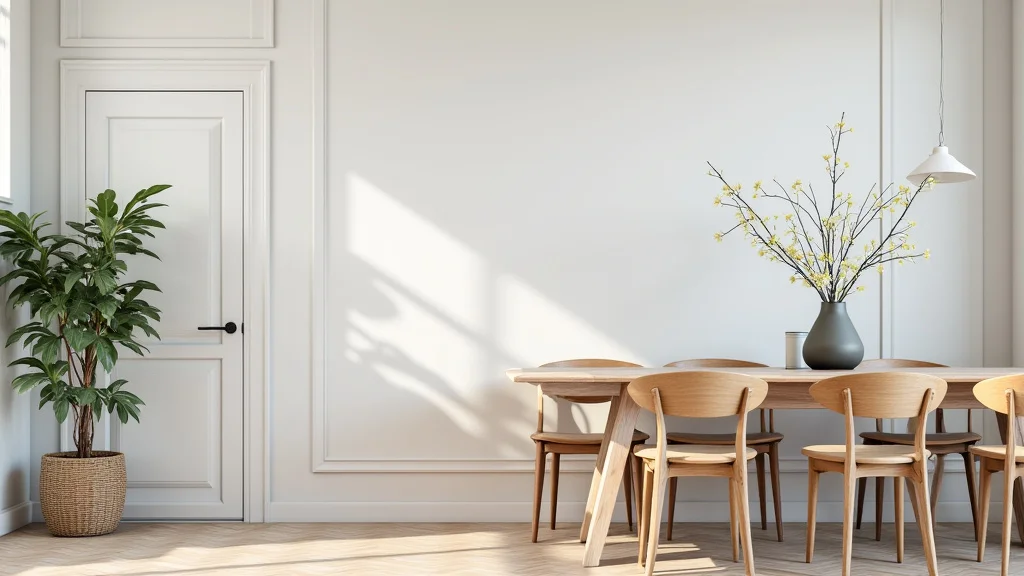
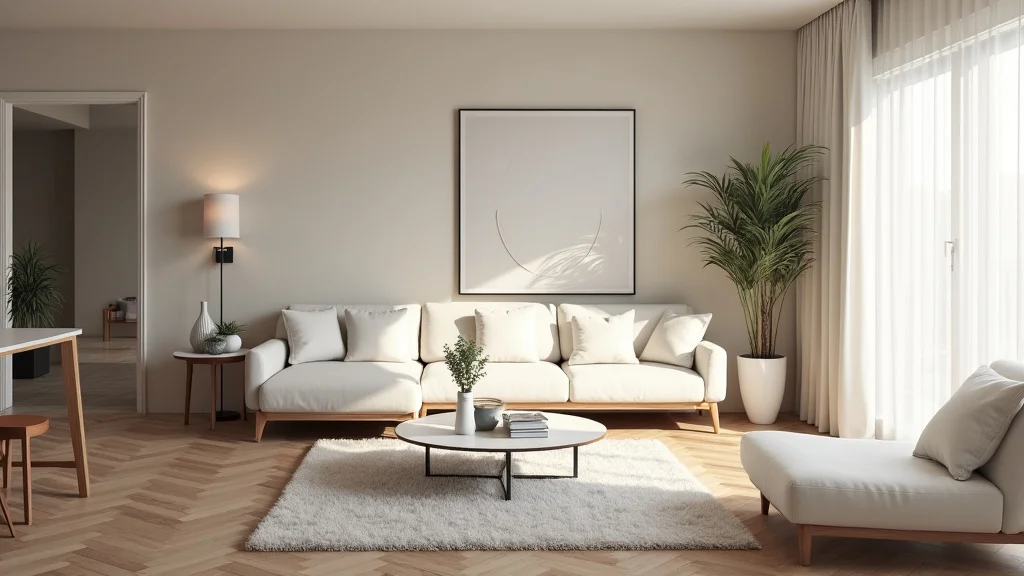
Minimalist design focuses on simplicity, clean lines, and functionality. Spaces are kept clutter-free, with a focus on essential items. The color palette often features neutral tones. The goal is to create a serene and uncluttered environment. Less is more in this approach. You will see minimal decoration, maximizing open space. This style is practical, and its key features are very easy to follow. Those are some of the reasons why the style is so popular.
Minimalist spaces usually employ neutral colors. Colors such as white, gray, and beige are often used as the base. These colors create a sense of calm and openness. The furniture is simple and functional. The items should be useful. Decorations are kept to a minimum. Instead, each item is carefully selected and serves a clear purpose. The goal is not to have an empty space. Instead, the focus is on a curated collection of objects that are meaningful.
- Color Palette: Neutral colors (white, gray, beige).
- Furniture: Simple, functional, and uncluttered.
- Decor: Minimal, with a focus on essential items.
- Space: Open and airy, with a focus on functionality.
- Key Element: Clean lines and lack of ornamentation.
The popularity of this style is in its simplicity. It’s also very easy to live with. To embrace a minimalist design, focus on decluttering. Only keep items you love and use. This approach is great for small spaces. The open layouts and neutral colors make a space feel larger and more inviting. By focusing on essentials, you can create a space that is both stylish and functional. It’s an excellent way to figure out what’s my decor style.
Bohemian Style
Bohemian design is characterized by its eclectic mix of colors, patterns, and textures. This style embraces a carefree and artistic aesthetic, often incorporating global influences. It celebrates individuality and creativity. You will find layers of textiles, from rugs to pillows. It is designed to be expressive and comfortable. The Bohemian style breaks from rigid design rules. You are free to express your personal style.
The Bohemian style uses a rich and diverse color palette. It features warm earthy tones and jewel-toned accents. Patterns are mixed and matched, creating a vibrant and visually engaging space. You’ll find a wide variety of textures, from plush rugs to woven wall hangings. Furniture is often vintage or handcrafted, adding to the style’s unique character. This style celebrates travel and cultural influences. It brings a global feel to your space. It’s a great choice for showing your personality.
- Color Palette: Rich, earthy tones and jewel-toned accents.
- Textiles: Layers of rugs, pillows, and throws.
- Furniture: Vintage, handcrafted, and eclectic pieces.
- Decor: Plants, artwork, and global influences.
- Key Element: Emphasis on personal expression and freedom.
The Bohemian style is perfect for those who like to express themselves. The focus is on comfort and relaxation. It is well-suited for someone who loves to collect unique items. You can showcase artwork, souvenirs, and handmade crafts. If you are creative, this style gives you free rein to experiment with different design elements. The result is a space that feels lived-in and filled with character. This is another way to figure out what’s my decor style.
Modern Style
Modern design emphasizes clean lines, functionality, and a minimalist approach. The focus is on simplicity and form. Furniture is often geometric. It features a neutral color palette with bold accents. The modern style is all about order and refinement. It embraces simplicity. You will find a design style that is very functional.
The modern design often features a neutral color palette. You will see colors such as white, gray, and black as the foundation. The furniture has clean lines, with smooth surfaces. The space is often kept uncluttered. Accent colors, such as primary colors, are used to add visual interest. Materials such as metal, glass, and wood are common. It’s a very practical design choice. The goal is to create a clean and efficient space.
- Color Palette: Neutral colors with bold accents.
- Furniture: Clean lines, geometric shapes, and smooth surfaces.
- Materials: Metal, glass, and wood.
- Decor: Minimal, with a focus on functionality.
- Key Element: Simplicity and a lack of ornamentation.
This design style is very popular in urban spaces. It creates a sense of sophistication and order. The clean lines and minimal clutter make spaces feel open and organized. If you value practicality and simplicity, this style could be a good choice. It is also good if you like to keep up with the latest design trends. Understanding the core elements of the modern style can help you assess what’s my decor style.
Farmhouse Style
Farmhouse design celebrates comfort, functionality, and a rustic aesthetic. It focuses on natural materials and a warm, inviting atmosphere. You’ll see elements like wood, brick, and cozy textiles. The focus is on creating a space that feels like home. It is a mix of rustic charm and modern convenience. This style is very popular because it creates a welcoming and relaxed environment.
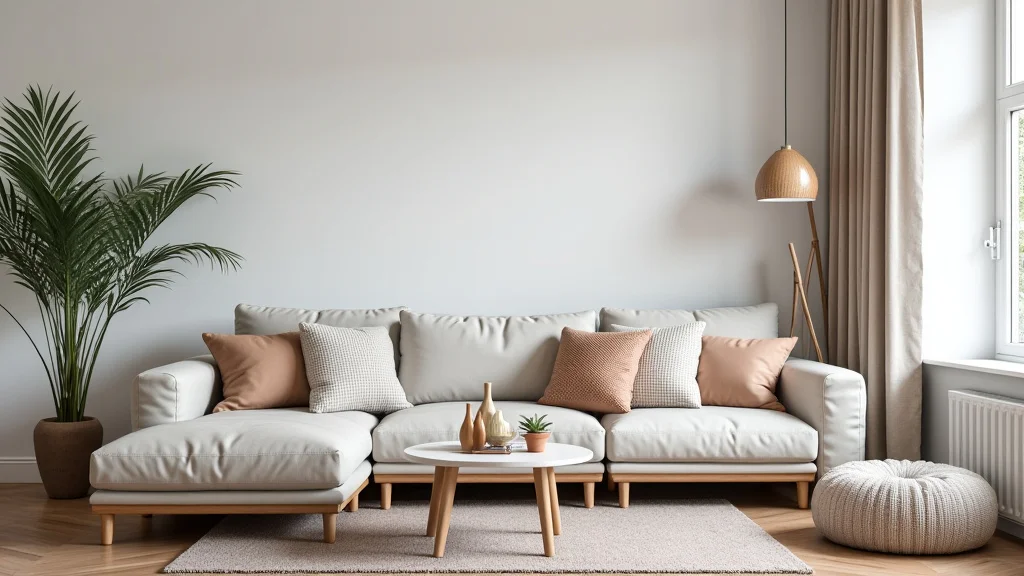
The farmhouse style often incorporates a neutral color palette. This includes colors like white, cream, and gray. It is combined with natural wood tones. The furniture is often made of wood and can be distressed or antique. Decorative elements include vintage items, such as signs and mason jars. The textures are warm and inviting. They can be found in soft textiles such as linen and cotton. The goal is to create a space that feels both stylish and comfortable.
- Color Palette: Neutral colors with natural wood tones.
- Furniture: Wooden furniture, often distressed or antique.
- Materials: Wood, brick, and cozy textiles.
- Decor: Vintage items and farmhouse-style accessories.
- Key Element: Warm, inviting atmosphere.
The farmhouse style is appealing because it creates a sense of comfort and nostalgia. It is perfect if you like creating a warm and inviting space for family and friends. The mix of rustic charm and modern functionality creates a space that is both stylish and practical. If you like to keep up with the latest design trends, you can easily use some elements of this style. It’s a great option for finding what’s my decor style.
Using Color, Texture, and Furniture
Once you have a better idea of the styles that appeal to you, the next step is to explore the details. These are elements such as color, texture, and furniture. How do these individual details work together to create the desired aesthetic? These are the building blocks of interior design. You can experiment with different combinations. This will allow you to see what you like and dislike.
This process is about creating a visual language for your space. Pay attention to how the different elements interact. Consider the impact of color palettes. The texture of fabrics and the shapes of the furniture can transform the atmosphere. Understanding the role of each element will allow you to make informed design choices. The goal is to create a cohesive and visually appealing space. You will also discover what’s my decor style.
Choosing a Color Palette
Your color palette sets the tone for your space. It has a significant impact on mood and ambiance. Think about how different colors make you feel. Do you prefer the calming effect of cool tones, like blues and greens, or the warmth of earthy tones, like reds and oranges? Consider the size and lighting of your space. Lighter colors can make a room feel larger. Darker colors can create a cozy and intimate atmosphere. Consider your existing furniture and accessories. Decide which ones you want to highlight with your color choices.
The color palette is the foundation for your design. It sets the mood and creates a visual flow. You can use a variety of tools. These range from color wheels to online design tools. You can also gather inspiration from existing designs. Think about the overall feeling you want to create. Start with a base color. Then, add accent colors to add interest and contrast. Consider the lighting in the space. Natural light will affect how colors appear. You want to make sure the colors work well together.
- Consider Your Mood: Choose colors that evoke the desired feeling.
- Think About Space: Lighter colors make a room feel larger.
- Gather Inspiration: Use color palettes from magazines or websites.
- Test Colors: Sample paint colors before committing.
- Consider Lighting: Natural light impacts color perception.
Choosing a color palette is a very personal choice. Experiment with different combinations. Try painting swatches on your walls. Observe the colors at different times of the day. Remember, the goal is to create a space that you love. This decision is one of the most important aspects. It will define what’s my decor style.
Incorporating Texture
Texture adds depth and visual interest to your space. It makes a room feel more inviting and comfortable. Consider the textures of different materials. These include soft fabrics, rough wood, and smooth metal. Think about how these textures can be combined. A mix of different textures can add layers and character to your space. Think about the effect of lighting on different textures. Some fabrics reflect light. Others absorb it, creating a different look. Consider using texture in your space for a great visual impact.
Texture can be incorporated in several ways. You can use textiles, such as throw pillows, rugs, and curtains, to add softness. Wood, stone, and brick can add a sense of natural warmth. You can use a mix of smooth and rough surfaces to create contrast. You can also use textures to create visual interest. For instance, a textured wallpaper or a woven wall hanging can make a statement. The goal is to create a space that feels layered and engaging.
- Use Textiles: Add soft fabrics like pillows and throws.
- Incorporate Natural Materials: Use wood, stone, or brick.
- Mix Smooth and Rough Surfaces: Create visual contrast.
- Consider Lighting: Note how light interacts with textures.
- Experiment: Try different combinations to see what you like.
By incorporating texture, you will enhance the sensory experience. You can create a space that feels more inviting and comfortable. Texture plays a key role in defining your design style. The addition of texture will help you articulate what’s my decor style.
Selecting Furniture
Furniture is essential in defining your space. Think about the function of your furniture. Consider the style and scale of the pieces. Ensure they fit your space and your aesthetic. You will also have to consider the scale of your furniture. Make sure the pieces are proportionate to the room. Look for pieces that are both stylish and functional. Your furniture selections can make or break your design. Therefore, they should be carefully planned.
Start by creating a floor plan. This will help you visualize the layout and proportions. Consider the flow and function of the space. Select pieces that serve a purpose. For example, a sofa, a bed, or a dining table. Ensure the furniture complements the overall style. Choose materials and finishes that align with your color palette and textures. This will help create a cohesive design. In the end, this process will have a big impact on your style.
- Create a Floor Plan: Visualize the layout and proportions.
- Consider Function: Choose pieces that serve a purpose.
- Ensure Style Alignment: Furniture should complement the overall style.
- Consider Scale: Ensure furniture is proportionate to the room.
- Prioritize Comfort and Durability: Select pieces you’ll enjoy for years.
Choosing furniture can be an exciting process. It also lets you express your personality. When selecting furniture, keep in mind your budget and lifestyle. Also, consider the long-term impact on your space. Take your time to discover the pieces that reflect your style. The choice of furniture is a crucial element in deciding what’s my decor style.
Putting Your Style Into Action
Now that you’ve explored different styles and design elements, it’s time to put your style into action. This involves applying your understanding to create a cohesive and functional space. Start small. Begin with one room or a specific area. Focus on the core elements: color palette, textures, and furniture. This hands-on experience is where your design vision comes to life. It will also help you create a space that feels uniquely you.
Implementation can involve several steps. Create a mood board or a design plan. This can help visualize the space. Start with a solid foundation. Make sure the basics, like the walls and floors, are in good condition. Then, add the furniture. Finally, add the decorative elements that make the space feel like home. The goal is to create a space that reflects your personality. It is also designed to be functional and enjoyable.
Creating a Mood Board
A mood board is a visual tool that helps you bring your design ideas to life. It’s a collage of images, colors, textures, and materials. These are collected to represent the overall look and feel you’re aiming for. It’s an excellent way to organize your ideas and ensure all the elements work together. It provides a quick way to ensure a cohesive design. This tool is valuable whether you’re working on a single room or an entire home. It will also help you visualize what’s my decor style.
You can create a mood board in both digital and physical formats. Gather inspiration from magazines, websites, and your existing collection. Include images of rooms, furniture, color swatches, and material samples. Arrange these elements in a visually pleasing way. This will ensure that all the items work well together. By using a mood board, you can better refine your design vision. You can also make sure all the elements complement each other. It helps to clarify your style and guide your design choices.
- Gather Inspiration: Collect images, colors, and textures.
- Choose a Format: Decide between digital or physical.
- Arrange Elements: Create a visually cohesive layout.
- Refine Your Vision: Ensure all elements complement each other.
- Guide Your Choices: Use the mood board to make decisions.
A mood board acts as a road map. It guides you throughout the design process. It helps you stay focused on your vision. It also ensures you maintain a consistent aesthetic. By creating and using a mood board, you can bring your design vision to life. You’ll also learn the key elements to represent what’s my decor style.
Starting Small
The best way to begin is to start small. Select one room or a specific area to focus on. This approach is much more manageable than trying to redecorate the entire home all at once. It allows you to experiment with different design elements. You can also refine your style before committing to a larger project. By focusing on one space, you can gain confidence. You can also avoid the feeling of being overwhelmed. The small project can be easily adapted, and it is a good way to begin.
Choose a room that you use frequently. Maybe a living room, bedroom, or home office. Evaluate the existing elements. Identify what you like and dislike. Then, start by making small changes. Maybe a new color palette or new accessories. Add a few new pieces of furniture. This will help you get a sense of how your design vision works in practice. This also allows you to refine your style. It will also help to determine what’s my decor style.
- Choose a Room: Select a room to focus on.
- Evaluate Existing Elements: Identify what you like and dislike.
- Start with Small Changes: Add new colors, furniture, and accessories.
- Experiment: Try out different design elements.
- Refine Your Style: Learn from your experiences.
Starting small prevents design fatigue and financial strain. It allows you to get valuable feedback. By implementing your design choices in stages, you can develop confidence. This will also ensure that you are building the home that suits your tastes. Once you get the hang of it, you can move on to other areas. This is a very effective and easy way to determine what’s my decor style.
Accessorizing Your Space
Accessories play a crucial role in bringing your design vision to life. They add personality, texture, and visual interest. Consider the types of accessories that best reflect your style. Think about how you can incorporate these items into your space. These items will add visual interest and layers to your decor. They will also reflect your personal style. It’s your space, so decorate it as such.
Accessories include items such as throw pillows, artwork, and decorative objects. Use a variety of textures, colors, and shapes. Ensure that the accessories work well together and complement your overall style. You can also create focal points using items such as a striking piece of art. Consider the lighting. Choose accessories that enhance the mood. They will create a cohesive and welcoming space. They will also express what’s my decor style.
- Choose Accessories: Select items that reflect your style.
- Mix Textures and Colors: Add visual interest.
- Create Focal Points: Use striking art or objects.
- Consider Lighting: Choose accessories that enhance the mood.
- Express Yourself: Decorate your space in a way that feels authentic to you.
Accessorizing is the last step in your design process. It’s where you add those personal touches that make your space feel like home. These details can change the look of a room. It adds personality and visual interest. Accessorizing your space is where you truly discover what’s my decor style.
Common Myths Debunked
Myth 1: You Need to Spend a Lot of Money to Have a Stylish Home
In reality, you don’t need a huge budget to create a stylish home. The key is to be creative and resourceful. You can find beautiful pieces at affordable prices. This can be at thrift stores, flea markets, and online marketplaces. Focus on quality over quantity. Choose a few well-chosen pieces that you love. By using smart shopping strategies, you can easily create a beautiful space without overspending.
Myth 2: Interior Design is Easy
Although it might seem easy to watch home improvement shows and copy designs, interior design involves much more than just picking out furniture. It also requires planning, and an understanding of space and design principles. You can find the right style for you and the elements you enjoy. It’s possible to learn and develop design skills. You can also consult a professional to ensure your project is a success.
Myth 3: You Have to Stick to One Single Style
The truth is, you don’t have to stick to one single design style. Many people prefer a mix of styles. This allows for a more personalized and eclectic look. You can combine elements of different styles. This will allow you to create a unique space that reflects your personality. The best design blends diverse influences.
Myth 4: Design Trends Are the Most Important Aspect
Design trends are exciting and influence many people, but they are not the most important aspect of design. Instead, design should be about creating a space that you love. It should be comfortable and functional. This will make your space truly yours. Focus on the basics, like how the space feels. Make sure you select the things that bring you happiness. In the end, it will make the space functional for you.
Myth 5: Small Spaces Can’t Be Stylish
Many people think that small spaces can’t be stylish, but this is a false statement. With the right planning and design choices, small spaces can be just as stylish and functional. You can use clever storage solutions, space-saving furniture, and light colors. These techniques can make the space feel larger and more open. Always focus on your preferences. You can create a beautiful home no matter the size of the space.
Frequently Asked Questions
Question: How do I get started if I have no design experience?
Answer: Start by gathering inspiration. Browse design websites, magazines, and stores to get a sense of what you like. Experiment with different styles and elements. Consider taking an online course or consulting with a designer for guidance.
Question: What if my style preferences change over time?
Answer: It’s perfectly normal for your style preferences to evolve. Decorating your home should be a work in progress. It’s always okay to change and adapt your space as your tastes evolve. You can incorporate new trends or design elements.
Question: How can I make my home feel more personalized?
Answer: Incorporate items that reflect your interests and hobbies. Display artwork, photos, and mementos. Incorporate personal touches like handmade crafts. The goal is to fill your space with things that make you happy and reflect your story.
Question: How do I avoid making costly design mistakes?
Answer: Create a detailed plan. Make sure you get inspiration first. Think about the colors and furniture that you want. Sample paint colors and fabrics before making large purchases. Start small and gradually implement changes. This will prevent you from making expensive mistakes.
Question: What are some budget-friendly design tips?
Answer: Shop at thrift stores and flea markets. Repurpose items and upcycle existing furniture. Use paint and accessories to make a big impact. Prioritize quality, and look for sales and discounts. These practices are great ways to save money.
Final Thoughts
Figuring out what’s my decor style is a journey. It’s a process of self-discovery and creative exploration. It requires you to reflect on your preferences. It involves exploring the different design options. You can use color, texture, and furniture to create a space that reflects your personality. Always remember the goal is to create a home that truly feels like you. The most important thing is to have fun. It is also important to embrace the creative process. Experiment. Try different things. Your home should be a reflection of who you are. This journey can also teach you about your tastes and the styles that resonate with you. Then, you can enjoy your home for years to come. Now, it is time to start creating your personalized design!