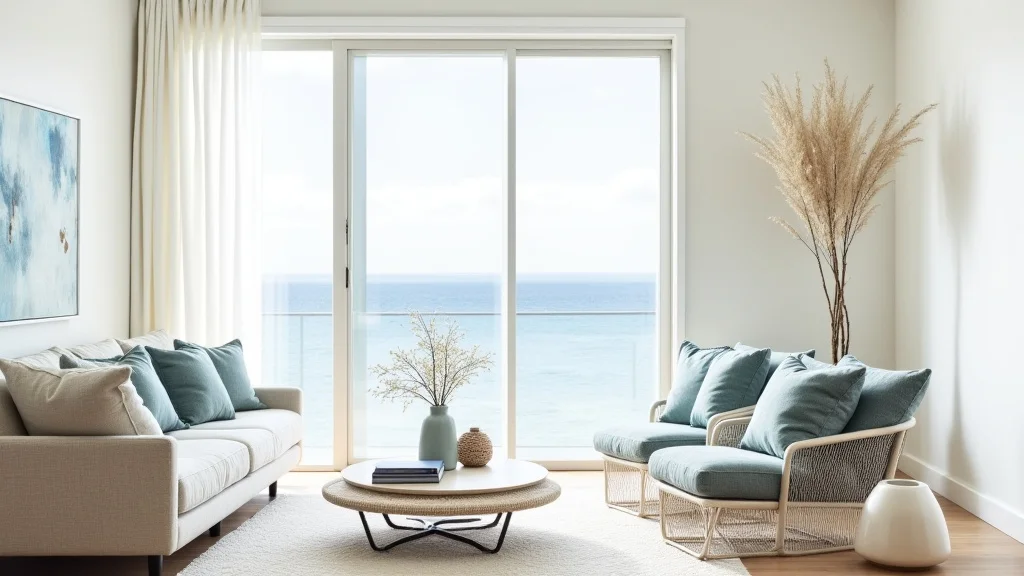
Remember that time you walked into a friend’s place and just felt instantly relaxed and inspired? The lighting was perfect, the colors were harmonious, and everything seemed to flow together effortlessly. Achieving that kind of ambiance isn’t just about luck; it’s about intentional design. This post will explore the key elements of creating a stylish home decor that reflects your personality and improves your daily life. We’ll explore practical tips, discuss various design styles, and help you transform your space into a place you genuinely love. By the end, you’ll be equipped with the knowledge to make informed decisions and create a stylish home decor that wows.
Key Takeaways
- Learn the fundamental principles of design to guide your choices.
- Discover how to choose colors and patterns for a cohesive look.
- Understand the importance of lighting and how it affects the mood of your space.
- Explore different furniture styles and how to select pieces that fit your needs.
- Get practical advice on incorporating accessories and personal touches.
- Find ways to create a stylish home decor on a budget.
Fundamental Design Principles for a Stylish Home Decor
Creating a visually appealing space isn’t just about buying pretty things; it’s about understanding and applying fundamental design principles. These principles serve as the foundation for any successful interior design project. They guide how elements like color, shape, and texture interact to create harmony and balance. Focusing on these principles will help you create a space that feels both aesthetically pleasing and functional, making your home a more enjoyable place to be.
Balance and Symmetry in Home Design
Balance refers to the visual weight of objects within a space. There are primarily two types: symmetrical and asymmetrical. Symmetrical balance creates a sense of formality and order, often seen in traditional design. Think of a room with matching furniture on either side of a fi
- Symmetrical Balance: Creates a sense of order and formality; perfect for traditional settings.
- Asymmetrical Balance: Offers a more casual and dynamic feel, achieved through varied elements.
- Radial Balance: Objects are arranged around a central point, like a circular dining table.
- Consider Negative Space: Empty areas can also contribute to visual balance.
- Experiment with Different Arrangements: Observe how different layouts affect the overall feel of the room.
Harmony and Proportion in Interior Design
Harmony refers to the pleasing arrangement of elements, where everything feels like it belongs together. This is achieved by using a consistent color palette, similar textures, and a unifying theme. Proportion, on the other hand, deals with the size relationships between different elements within a space. This means ensuring that furniture and decor are appropriately sized for the room and for each other. Imagine a tiny coffee table in a massive living room—it would look out of place. Conversely, a giant sofa in a small room would feel cramped. Finding the right proportions is key to creating a comfortable and aesthetically pleasing environment.
- Use a Consistent Color Scheme: Choose a palette and stick to it to create unity.
- Match Textures: Incorporate similar textures throughout to create harmony.
- Ensure Proper Scale: Size your furniture appropriately for the room’s dimensions.
- Think about Focal Points: Ensure that they are appropriately scaled for the room’s size.
- Observe How the Room Works: Evaluate how well the elements blend.
Rhythm and Emphasis in Room Design
Rhythm is about creating a sense of movement and visual flow. This can be achieved through repetition of elements like color, shape, or pattern. For example, using the same color in multiple places throughout a room can create rhythm. Emphasis refers to creating a focal point, the element that draws the eye. This could be a striking piece of artwork, a unique fi
- Use Repetition: Repeat colors, shapes, or patterns to create rhythm.
- Create Focal Points: Use a striking element to draw the eye.
- Vary Scale: Combine large and small elements for visual interest.
- Guide the Eye: Use lines and shapes to create movement.
- Balance Emphasis: Make sure there is not too much emphasis in one area.
Choosing Colors and Patterns for a Stylish Home Decor
Color and pattern choices profoundly influence a room’s mood and visual appeal. Color can evoke specific emotions, from calming blues and greens to energetic reds and yellows. Patterns add visual interest and personality. Selecting the right combination is crucial for creating a cohesive and inviting space. The best color schemes and patterns depend on your style, the room’s function, and your personal preferences. Learning some basic color theory and pattern combinations can help you make informed decisions that create a comfortable and beautiful home environment.
Understanding Color Theory for Interiors
Color theory provides the basic rules of how colors work together. The color wheel is your starting point. It’s organized with primary colors (red, yellow, blue), secondary colors (green, orange, purple), and tertiary colors (created by mixing primary and secondary). There are several popular color schemes. Monochromatic schemes use variations of a single color, creating a serene and unified look. Complementary schemes use colors opposite each other on the color wheel (e.g., red and green) for high contrast and vibrancy. Analogous schemes use colors next to each other on the color wheel (e.g., blue, blue-green, green) for a harmonious and calming effect. Experimenting with color theory is essential for creating the ideal home environment.
- Monochromatic: Variations of a single color.
- Complementary: Colors opposite each other on the color wheel.
- Analogous: Colors next to each other on the color wheel.
- Triadic: Three colors equally spaced on the color wheel.
- Neutrals: Whites, grays, and beiges provide a versatile backdrop.
Selecting Patterns and Textures
Patterns and textures add depth and interest to a room. Patterns can range from bold geometrics to subtle florals. Textures add a tactile dimension, making a space more inviting. When mixing patterns, consider the scale, style, and color. It’s often best to combine a large-scale pattern with a smaller one and to vary the textures. For example, pair a floral wallpaper with solid-colored curtains, or add a textured rug to a room with smooth walls. Using a variety of patterns and textures avoids visual monotony and brings personality to your home. It’s important to strike a balance to prevent the space from appearing cluttered.
- Mix Scales: Combine large and small patterns.
- Consider Style: Ensure patterns complement your overall design aesthetic.
- Vary Textures: Incorporate different materials like wood, fabric, and metal.
- Use Accent Pieces: Add patterned pillows or throws for a pop of interest.
- Don’t Overdo It: Balance patterns with solid colors to avoid visual overload.
The Impact of Lighting on a Stylish Home Decor
Lighting is a pivotal element in interior design, often overlooked but crucial for setting the mood and enhancing the functionality of a space. The type of lighting you choose—natural, ambient, task, or accent—can significantly impact how a room feels and functions. A well-lit room feels more inviting, while poorly lit spaces can feel gloomy or uninviting. The interplay of light and shadow, and the careful selection of fixtures and lamps, can transform the atmosphere of your home. It’s a key ingredient in creating a comfortable and aesthetically pleasing living environment.
Types of Lighting for Interior Design
There are four main types of lighting, each with a specific purpose. Ambient lighting provides general illumination for the entire room. This is usually achieved through overhead fixtures like chandeliers or recessed lighting. Task lighting is designed for specific activities, such as reading, cooking, or working. Examples include desk lamps, under-cabinet lighting, and bedside lamps. Accent lighting is used to highlight specific features or objects, like artwork or architectural details. This includes track lighting, spotlights, and wall sconces. Natural lighting from windows and doors is the foundation of any design.
- Ambient Lighting: Overall illumination.
- Task Lighting: For specific activities.
- Accent Lighting: Highlights features.
- Natural Lighting: Comes from windows and doors.
- Layered Lighting: Combining different light sources.
Lighting Fixtures and Their Effects
The choice of lighting fixtures significantly affects a room’s aesthetic. Chandeliers add elegance to a dining room or foyer, while pendant lights can create a focal point over a kitchen island. Table lamps provide warm ambient light and can be used to create cozy corners. Floor lamps add height and can serve as both ambient and task lighting. Wall sconces provide a soft glow and can be used to illuminate hallways or create a more intimate atmosphere in a bedroom. The right fixture should complement the style of the room and provide the necessary lighting level. Modern designs often include recessed lighting for a sleek, unobtrusive look. Vintage styles will utilize chandeliers.
- Chandeliers: Elegant and dramatic.
- Pendant Lights: Versatile and create focal points.
- Table Lamps: Add warmth and are good for ambient lighting.
- Floor Lamps: Provide height and functionality.
- Wall Sconces: Add a soft glow.
Choosing Furniture Styles and Arrangements
Furniture is the backbone of any interior design. The style, arrangement, and functionality of your furniture dictate the room’s use and aesthetic. Whether you prefer the clean lines of modern design or the ornate details of traditional styles, choosing the right pieces is vital. The furniture should fit the room’s size and style and meet your needs. Thoughtful furniture selection and arrangement can significantly impact how you experience a space, making it both beautiful and functional. When selecting furniture, consider the purpose of the room and the amount of space available.
Different Furniture Styles to Consider
There are many furniture styles. Each has a unique aesthetic and character. Modern furniture often features clean lines, simple forms, and neutral colors, emphasizing functionality and minimalism. Traditional style incorporates classic elements, such as ornate details, dark woods, and rich fabrics, evoking a sense of formality and elegance. Contemporary furniture is characterized by current trends, often blending elements from different styles. Mid-century modern style, popular for its clean lines and organic shapes, often uses materials like wood and natural fabrics. Each style provides a foundation for the design process. Selecting pieces from a specific style, or blending elements from several, creates a personalized and visually interesting space.
- Modern: Clean lines, minimalist.
- Traditional: Classic, ornate details.
- Contemporary: Current trends.
- Mid-Century Modern: Clean lines and organic shapes.
- Rustic: Natural materials, and a sense of history.
Arranging Furniture for Functionality and Flow
Arranging furniture can dramatically change a room’s usability and aesthetic. The layout should prioritize functionality and encourage easy movement. In a living room, consider the focal point (like a fireplace or TV) and arrange seating around it. Ensure there’s enough space for walkways and conversation. In a dining room, make sure the table is appropriately sized for the space and that there’s enough room to pull out chairs. In a bedroom, position the bed in a way that allows easy access from both sides and creates a sense of calm. The layout should guide the eye and create a natural flow through the space.
- Create Focal Points: Arrange furniture around key features.
- Ensure Easy Flow: Allow for walkways.
- Consider Conversation Areas: Arrange seating for interaction.
- Define Zones: Use furniture to separate different functions.
- Balance and Symmetry: Achieve a visual sense of harmony.
Incorporating Accessories and Personal Touches for a Stylish Home Decor
Accessories and personal touches add the finishing touches that transform a house into a home. These elements reflect your personality and style, making a space uniquely yours. They bring character, warmth, and visual interest to a room. Think of artwork, throw pillows, plants, and other decorative items as the final brushstrokes that complete the picture. It’s the small details that create a sense of belonging and make a space truly enjoyable. Thoughtful selection and placement of accessories can elevate your decor.
Selecting Decorative Accessories
Accessories should enhance the overall design and reflect your personal style. Consider the color scheme of the room and choose items that complement or contrast. Artwork adds personality and visual interest, ranging from paintings and prints to sculptures and photographs. Throw pillows and blankets add texture, color, and comfort. Decorative objects, such as vases, bowls, and candles, add visual interest and can be used to create focal points. Mirrors can make a room feel larger and brighter. By varying the size, shape, and style of these accessories, you can create a layered and dynamic look that reflects your individuality.
- Consider Color Scheme: Choose accessories that complement your colors.
- Incorporate Artwork: Add personality and visual interest.
- Use Textiles: Pillows and blankets add texture and comfort.
- Add Decorative Objects: Vases, bowls, and candles are also excellent options.
- Utilize Mirrors: Make a room feel larger and brighter.
Adding Personal Touches and Personalizing the Space
Personal touches are essential for creating a space that feels authentic. Incorporate items that have meaning, such as photographs of loved ones, souvenirs from travels, or handmade crafts. Display books that you enjoy reading and collections that you’ve amassed over time. This makes your home a reflection of your story. Consider the display of these items. Grouping them in thoughtful ways can create visually appealing arrangements. Rotate your displays to keep the space fresh and interesting. The ability to display unique and meaningful items transforms the house into a reflection of your personality.
- Display Photos and Mementos: Add personal stories.
- Showcase Your Interests: Display books, collections, and hobbies.
- Incorporate Family Heirlooms: Add pieces with history.
- Curate Collections: Group items to create visual interest.
- Rotate Displays: Keep the space fresh.
Creating a Stylish Home Decor on a Budget
Creating a beautiful home doesn’t require a large budget. Smart strategies and creativity can transform your space without breaking the bank. There are many ways to achieve a stylish look on a budget. Focusing on cost-effective solutions allows you to achieve a polished and stylish home environment. You can achieve this with careful planning, repurposing items, and shopping smart. You can still create a stylish space that reflects your personality and tastes, regardless of your financial constraints. The key is to be resourceful and willing to explore various options.
DIY Projects and Budget-Friendly Solutions
DIY projects are an excellent way to save money and add a personal touch to your decor. Painting is one of the most cost-effective ways to transform a room. Reupholstering furniture can give it a new lease on life. Creating your own artwork or wall decor is another budget-friendly option. Consider making your own throw pillows or curtains. Search for tutorials. Many free resources are available online. By embracing DIY, you gain creative control and add personality. The results can be both satisfying and economical. DIY projects allow you to experiment with design.
- Painting: A cost-effective way to refresh a room.
- Reupholstering Furniture: Gives old pieces new life.
- DIY Artwork: Create your own wall decor.
- Sewing: Make your own pillows and curtains.
- Repurpose Items: Turn old items into something new.
Shopping Strategically for Home Decor
Shopping smart is crucial for creating a stylish home decor on a budget. Explore thrift stores, flea markets, and consignment shops for unique and affordable finds. Consider purchasing used furniture that you can refinish or reupholster. Look for sales and discounts at large retailers and online stores. Keep an eye out for seasonal clearances. Explore the possibility of shopping from wholesale sources for higher volume purchases. By being patient and resourceful, you can find beautiful items at a fraction of the cost. A good eye and a little creativity will turn a bargain into a design statement.
- Thrift Stores and Flea Markets: Discover unique items.
- Used Furniture: Refinish or reupholster for a new look.
- Sales and Discounts: Look for deals at retailers.
- Outlet Stores: Find high-quality items at discounted prices.
- Plan Ahead: Research prices and set a budget.
Common Myths Debunked
Myth 1: You Need to Spend a Fortune for Stylish Decor
Many believe that creating a stylish home requires a large budget. The reality is that good design is more about creativity and resourcefulness than how much you spend. Mixing high-end pieces with budget-friendly finds, utilizing DIY projects, and shopping strategically can help you create a beautiful space without overspending. Focus on the principles of design and make informed choices to achieve a stylish look that reflects your taste and lifestyle, no matter your budget.
Myth 2: Trendy Styles Are Always the Best Choice
There’s a misconception that following the latest trends is the key to creating a stylish home. While keeping up with design trends can be fun, it is more important to choose styles that resonate with your personal taste and that will stand the test of time. A home should reflect your individuality and provide a comfortable and welcoming environment. Choose timeless pieces and integrate trends cautiously to ensure your space remains enjoyable and reflective of your style for years to come.
Myth 3: Small Spaces Can’t Be Stylish
It’s easy to assume that small spaces are limited in design possibilities. However, with careful planning and smart choices, even the smallest apartments can be stylish and functional. Clever use of space, such as multi-functional furniture, built-in storage, and a light and airy color palette, can make a small space feel larger and more inviting. Embrace minimalism, maximize vertical space, and keep your space organized. With the right strategies, small spaces can be just as stylish.
Myth 4: You Need to Be a Professional Designer
Many people believe that professional interior design expertise is necessary to achieve a beautiful home. While a professional can certainly be helpful, it is not essential. With resources available, such as design blogs, magazines, and online tutorials, you can learn the basics of design and create a space that reflects your personality and tastes. By learning the fundamental principles and practicing, you can develop your design skills. Enjoy the process of creating your stylish home decor.
Myth 5: All Furniture Must Match
The idea that all furniture in a room must match perfectly is a common misconception. While cohesive design is important, a room can be stylish and interesting by mixing different furniture styles, textures, and finishes. Focus on creating a cohesive aesthetic by choosing pieces that complement each other. Consider factors such as color schemes, the scale of pieces, and the overall style you are aiming for. When done well, mixing and matching can lead to a more interesting and personalized space.
Frequently Asked Questions
Question: How often should I update my home decor?
Answer: There is no set schedule. It is best to update decor when it no longer suits your style or needs. Minor changes can be done seasonally, while major updates can be done every few years.
Question: What is the best way to choose paint colors?
Answer: It’s best to sample colors in your space and observe how they look throughout the day. Consider the natural lighting and the existing decor.
Question: How can I create a focal point in a room?
Answer: Use a striking piece of art, a unique architectural feature, or a bold color on an accent wall to draw the eye.
Question: Is it necessary to hire a professional interior designer?
Answer: No, it is not necessary. The best home designs start with good planning, but a professional is an option if needed.
Question: How do I measure my space before buying furniture?
Answer: Measure the room’s dimensions and the areas where you plan to place furniture. Create a floor plan to help visualize the layout.
Final Thoughts
Creating a stylish home decor is a rewarding process, allowing you to craft a space that reflects your personality and improves your daily life. Remember, the journey is just as important as the destination. Start by understanding the fundamental principles of design. Experiment with colors and patterns to find combinations that speak to you. Illuminate your space with the right lighting, and choose furniture and accessories that align with your style and needs. Don’t hesitate to incorporate personal touches that make your space uniquely yours. Embrace DIY projects and shop strategically to create a beautiful home on any budget. By exploring these ideas, you’re well on your way to designing a home you love. The most important thing is to enjoy the process, be patient, and embrace your creativity. With a little effort and inspiration, you can transform your house into a true haven.