Ever feel overwhelmed when you look at interior design magazines? You see gorgeous rooms but have no idea what to call the styles. Maybe you’re moving into a new place and want to decorate, or perhaps you’re just looking for a refresh. The variety of home decor style names can be confusing, with words like “bohemian,” “modern,” and “rustic” thrown around. This post will help you explore the most popular home decor style names so that you can pinpoint the look that best fits your personality. You’ll gain a solid grasp of different styles and learn to identify their key characteristics, making it easier to articulate your design preferences and create spaces you truly love.
Key Takeaways
- Learn to distinguish between popular home decor styles.
- Identify the key elements and characteristics of each style.
- Gain the vocabulary needed to discuss your design preferences with confidence.
- Understand how to incorporate different styles into your own home.
- Discover how to create cohesive and stylish spaces.
- Find the style that resonates with your personal taste.
Unveiling the World of Home Decor Style Names
The vast universe of interior design offers a wealth of styles, each with its unique aesthetic and atmosphere. From the sleek lines of modern design to the cozy warmth of farmhouse styles, there is something for everyone. Familiarizing yourself with these styles is the first step toward creating a home that reflects your taste. This section will introduce you to several of the most prominent styles, providing a foundation for further exploration and helping you begin your interior design exploration.
Understanding Contemporary Design
Contemporary design, often confused with modern, represents what is “of the moment.” It’s constantly evolving, reflecting current trends in design, art, and technology. Contemporary homes feature neutral color palettes, often with pops of bold color through art or accent pieces. Furniture tends to have simple lines, emphasizing functionality. The use of natural light is crucial, creating an airy and open feel. This style embraces sustainable materials and clean, uncluttered spaces. Contemporary design prioritizes comfort and practicality, adapting to changing lifestyles.
- Neutral Color Palettes: Contemporary design frequently uses shades like white, gray, and beige as a base, providing a blank canvas for accent colors.
- Emphasis on Functionality: Furniture and decor are chosen for both their aesthetic appeal and their practicality, reflecting a focus on usability.
- Incorporation of Technology: Contemporary spaces often integrate technology seamlessly, from smart home devices to sleek entertainment systems.
- Natural Light and Open Spaces: Large windows, minimal window treatments, and open floor plans are favored to maximize natural light and create a sense of spaciousness.
Exploring Modern Design’s Core Elements
Modern design, born in the early to mid-20th century, emphasizes clean lines, minimalism, and functionality. It favors geometric shapes, with a focus on form over ornamentation. Modern homes often incorporate materials like steel, glass, and concrete. Color palettes are typically neutral, with pops of primary colors. Functionality and efficiency are key in modern design, creating spaces that are both beautiful and practical. This style aims to be timeless and enduring, valuing simplicity and the absence of clutter.
- Clean Lines and Geometric Shapes: Simple, uncluttered forms define modern design, emphasizing straight lines and geometric patterns.
- Use of Industrial Materials: Steel, glass, and concrete are frequently used, reflecting a modern aesthetic that celebrates the beauty of raw materials.
- Minimalism: Modern spaces are characterized by a lack of clutter, with furniture and decor chosen carefully for their function and aesthetic value.
- Neutral Color Palettes with Pops of Color: Primarily neutral colors provide a backdrop, allowing bold hues to shine through artwork or accent pieces.
The Comfort and Charm of Farmhouse Style
Farmhouse style embraces comfort and a sense of history. It is characterized by rustic elements, such as exposed wood, vintage furniture, and natural textures. A neutral color palette with warm accents, like creams, whites, and soft grays, is common. Farmhouse decor often includes distressed finishes and antique pieces, creating a lived-in feel. The style values practicality and a connection to nature. This style fosters a sense of warmth and welcomes guests with its cozy ambiance.
- Neutral Color Palettes with Warm Accents: Soft whites, creams, and grays create a cozy atmosphere, enhanced by warm tones like browns and reds.
- Exposed Wood and Natural Textures: Wooden beams, planked walls, and natural fabrics add warmth and visual interest to the space.
- Vintage and Antique Accents: Antique furniture, vintage signs, and well-worn textiles create a sense of history and character.
- Practicality and Functionality: Farmhouse design prioritizes usable spaces, with comfortable furniture and practical storage solutions.
Delving into More Home Decor Style Names
Beyond the core styles discussed above, other important styles offer unique design opportunities. From the eclectic flair of Bohemian design to the sophisticated simplicity of Scandinavian style, exploring these additional options allows you to create a design plan that perfectly matches your taste. This section continues the exploration, introducing more styles, ensuring you have a broader collection of home decor style names to pick from.
Bohemian Design’s Eclectic Spirit
Bohemian, or boho, style celebrates a free-spirited and artistic way of living. It embraces vibrant colors, patterns, and textures. Bohemian homes are full of global influences, mixing vintage finds with handmade items. The style often includes a mix of furniture styles, creating a layered and personalized space. Comfort is key, with cozy seating areas and abundant textiles. This design style encourages self-expression and the curation of a home that tells a story.
- Vibrant Colors and Patterns: Bold colors, intricate patterns, and patterned textiles are used freely to create a visually rich environment.
- Global Influences: Bohemian design draws inspiration from cultures around the world, incorporating items like ethnic textiles, global artwork, and travel souvenirs.
- Mix of Textures and Fabrics: A variety of textures and fabrics, like velvet, linen, and macrame, create a tactile experience.
- Layered and Personalized Spaces: Bohemian interiors are characterized by layers of furniture, decor, and personal items, reflecting the homeowner’s unique personality.
Scandinavian Style’s Simplicity and Functionality
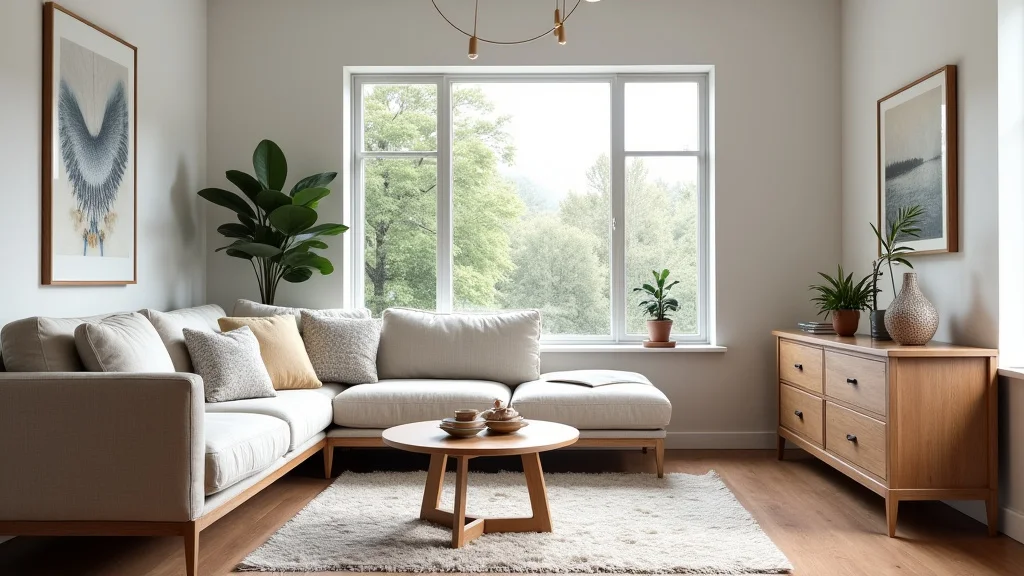
Scandinavian design, originating from the Nordic countries, focuses on simplicity, minimalism, and functionality. It emphasizes natural light, clean lines, and neutral color palettes, mainly white and light grays. Furniture is practical and comfortable, often made from light-colored wood. The style incorporates natural elements like wood, wool, and linen. Scandinavian design aims to create bright, airy, and calming spaces that are both beautiful and practical. The focus is on a cozy atmosphere and the appreciation of the simple things.
- Neutral Color Palettes with Pops of Color: Whites, grays, and light woods create a serene atmosphere, with pops of color coming from textiles or artwork.
- Natural Materials: Wood, wool, linen, and other natural materials are used extensively, bringing warmth and texture to the space.
- Minimalism and Clean Lines: The focus is on functionality and simplicity, with minimal ornamentation.
- Emphasis on Natural Light: Maximizing natural light is crucial, creating bright and airy spaces.
Exploring the Rustic Design
Rustic design embraces a raw, natural aesthetic with a focus on organic materials and a weathered, lived-in appearance. It highlights natural textures, like wood and stone. Color palettes are often inspired by nature, including earthy tones like browns, greens, and creams. Rustic spaces frequently incorporate exposed beams, reclaimed wood, and vintage furniture. This style evokes a sense of comfort and history, creating a warm, inviting atmosphere.
- Natural and Weathered Materials: Wood, stone, and other organic materials are the stars, creating a connection to nature.
- Earthy Color Palettes: Browns, greens, creams, and other earthy tones create a warm and inviting atmosphere.
- Vintage and Reclaimed Furniture: Antique and reclaimed pieces add character and history.
- Exposed Architectural Elements: Exposed beams, stone walls, and other structural features add a sense of authenticity.
Choosing the Right Home Decor Style Names
Selecting the ideal home decor style names requires more than just aesthetics; it involves understanding your lifestyle, preferences, and the practical demands of your living space. Consider the amount of time you want to spend on maintenance, the people who use the space, and the overall feeling you want to convey. This section provides advice for making the best design choices.
Assessing Your Personal Preferences
Your personal preferences are the foundation of any design plan. What colors do you love? Are you drawn to clean lines or more ornate details? What kind of atmosphere do you want to create? Think about the spaces you feel most comfortable in, and consider the elements that make them special. Looking at design magazines, websites, or social media platforms like Pinterest and Instagram can help you collect inspiration and identify the styles that resonate with you.
- Identify Your Favorite Colors and Textures: Do you gravitate towards cool blues and grays, or warm earth tones? Do you prefer smooth, sleek surfaces or rough, tactile textures?
- Consider the Function of the Space: How do you use each room? A living room for entertaining may require a different design approach than a home office.
- Reflect Your Personality: Your home should tell a story. Choose a style that reflects your interests, hobbies, and the things that make you happy.
- Seek Inspiration: Look at magazines, websites, and social media for images of spaces that resonate with you.
Considering Your Lifestyle and Practical Needs
Your lifestyle plays a role in design choices. Do you have children or pets? If so, you may want to choose materials that are durable and easy to clean. Do you like to entertain? If so, you’ll need space for seating and food preparation. Think about how you spend your time at home and how your design choices can support that lifestyle. Practicality and functionality go hand in hand with style, and making the best decision is key.
- Durability and Maintenance: Consider how much time you are willing to spend on cleaning and upkeep.
- Space Planning: Consider how to move between each area. Ensure there is plenty of room for all the inhabitants.
- Choose Your Budget: Decide what budget works best for your needs. Prices for styles of furniture can change quickly.
- Family and Pets: Keep in mind your household setup when choosing materials.
Combining Styles and Creating a Cohesive Look
You are not limited to one single design style. Mixing and matching elements from different styles can create a unique and personalized space. To achieve a cohesive look, start by identifying a dominant style to guide your overall design. Then, introduce elements from other styles through accent pieces, artwork, or textiles. Consistency in color palette and materials can help unite different styles, avoiding a chaotic appearance.
- Establish a Dominant Style: Select one style to serve as the foundation of your design.
- Introduce Elements from Other Styles: Add personality through accent pieces, artwork, or textiles.
- Maintain Consistency in Color Palette: Using a consistent color scheme will help unify different styles.
- Focus on Harmony: Make sure the different elements work together and complement each other.
Common Myths Debunked
Myth 1: You Must Stick to One Style
Many believe that adhering to a single style is the only way to design a space. The reality is that mixing styles can create a more dynamic and personalized interior. The key is to balance different elements. For example, a modern room might include rustic accents like a reclaimed wood coffee table.
Myth 2: Expensive Design Always Means High Quality
The cost of interior design does not always equal higher quality. While expensive, designer pieces can be attractive, the most important aspect of any purchase is the quality and how well it fits into your overall design. Find the best deals, and select items that fit your budget.
Myth 3: Small Spaces Can’t Accommodate Bold Styles
It’s commonly thought that bolder styles, like bohemian, are unsuitable for small spaces. In reality, well-considered design can create a dramatic look even in a small room. The use of mirrors, light colors, and strategic placement can make any space seem larger. Consider how to best use the available area, and find what works for you.
Myth 4: Design is Only About Aesthetics
While aesthetics are important, interior design also involves functionality and practicality. A well-designed space is not only beautiful but also comfortable and suitable for your lifestyle. Consider how the space will be used, the maintenance needed, and the overall experience.
Myth 5: Interior Design is Easy
Many underestimate the work involved in creating a cohesive, stylish space. Professional interior designers must be aware of lighting, color coordination, and more. Even for those with a flair for design, it is more than just picking out pretty items. It requires planning, consideration, and the ability to visualize the complete look. There are many factors at play.
Frequently Asked Questions
Question: How do I find my personal design style?
Answer: Explore different styles, collect inspiration from various sources, and consider your preferences and lifestyle.
Question: Can I combine different styles in my home?
Answer: Yes, mixing styles is a great way to create a unique and personalized space; just maintain a common thread.
Question: What is the best way to start a design project?
Answer: Begin by assessing your needs, creating a budget, and gathering inspiration from various sources.
Question: How can I make a small space look larger?
Answer: Use light colors, mirrors, and strategic furniture placement to maximize space.
Question: What’s the difference between modern and contemporary design?
Answer: Modern refers to a specific design period, while contemporary reflects current trends.
Final Thoughts
The world of home decor style names is expansive, but the journey of selecting the perfect look is an exciting one. You now have a broader base of knowledge to explore the different design possibilities. Remember, the goal is to create a space that reflects your personality. Don’t be afraid to experiment. With knowledge of the most prominent home decor style names, you are prepared to create a space that you enjoy. Armed with this knowledge, you can begin to transform your house into a true home. Happy decorating!