Ever feel overwhelmed looking at design magazines or scrolling through social media, dreaming of a beautifully decorated space but unsure where to start? Maybe you love the look of a modern minimalist living room but also admire the cozy feel of a rustic farmhouse kitchen. The sheer variety of home decor style list can be confusing! This post is designed to help you pinpoint your ideal aesthetic, enabling you to create a space that truly reflects your personality and preferences. You’ll gain clarity on different styles and get the tools to begin your decorating venture. We’ll explore the main options for your home decor style list, helping you to refine your tastes.
Key Takeaways
- Identify the most popular home decor styles.
- Discover the core elements of each style, like color palettes and textures.
- Learn how to determine which style best suits your taste and lifestyle.
- Get tips on incorporating elements from different styles to create a unique look.
- Understand the importance of considering functionality and personal preferences.
- Gain the confidence to start decorating your home with purpose.
Unveiling Diverse Home Decor Styles
The beauty of interior design lies in its diverse range of styles. From the sleek lines of modern design to the charming details of traditional styles, each aesthetic offers a unique way to express yourself. Before selecting a home decor style, it’s beneficial to explore the main options. This section breaks down various options, helping you understand their core characteristics.
Modern Home Decor
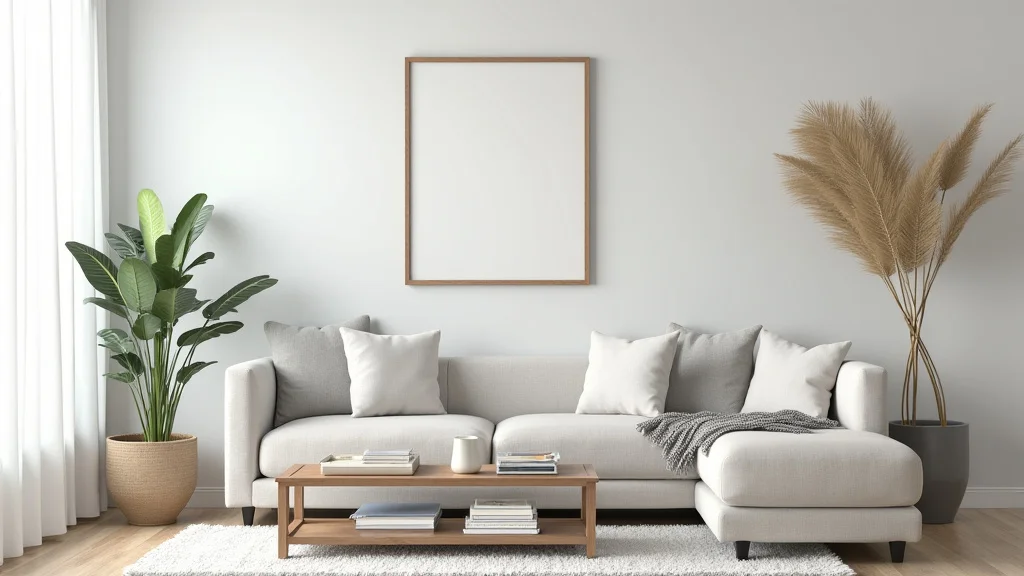
Modern design emphasizes clean lines, a neutral color palette, and minimal ornamentation. This style rejects excess, focusing instead on functionality and simplicity. Think of open floor plans, exposed structural elements, and a focus on natural light. It is a timeless style, consistently sought after for its refined appearance. Key elements include the use of geometric shapes, a lack of clutter, and the integration of technology in a subtle manner. The aesthetic is often minimalist, with furniture chosen for its form and function.
- Color Palette: Primarily neutral shades like white, gray, and beige, with occasional pops of color.
- Furniture: Simple, uncluttered pieces with sleek lines, often made of materials like metal, glass, and wood.
- Accessories: Few decorative items, with an emphasis on functional pieces and artwork.
- Materials: Smooth, industrial materials such as stainless steel and concrete alongside softer fabrics.
Traditional Home Decor
Traditional design evokes a sense of elegance and formality, characterized by classic furniture, rich colors, and ornate details. It is a warm and inviting design, representing comfort and stability. This style embraces symmetry, with furniture often arranged to create a balanced feel. Think of intricate wood carvings, antique furniture, and luxurious fabrics. Traditional home decor often uses a variety of textures to create depth and interest within the space.
- Color Palette: Warm and inviting, with hues like cream, beige, gold, and deep reds or blues.
- Furniture: Classic pieces with intricate details, often made of wood and upholstered in luxurious fabrics.
- Accessories: Ornate mirrors, antique furniture pieces, and decorative pillows.
- Patterns: Floral, damask, and paisley patterns are frequently incorporated.
Minimalist Home Decor Style
Minimalist design is about the art of editing. It is a discipline where you’re asking yourself, “What can I remove?” The core principle is simplicity and the removal of excess, focusing on essential elements. This style is often linked to modern design, but its emphasis is on the bare minimum. The aesthetic creates a sense of calm and order, a perfect sanctuary for individuals seeking a clutter-free environment. It prioritizes functionality and open space, with each object serving a purpose.
- Color Palette: Predominantly neutral, often limited to white, gray, and black, with a single accent color.
- Furniture: Simple, functional pieces with clean lines and minimal ornamentation.
- Accessories: Few decorative items, chosen carefully for their functionality or aesthetic value.
- Materials: Natural materials like wood, stone, and metal, used sparingly.
Rustic Home Decor
Rustic design embraces the beauty of natural, aged materials and a cozy, lived-in feel. This style celebrates imperfections and the charm of the countryside. It is about a welcoming atmosphere, evoking a sense of warmth and comfort. Think of exposed beams, reclaimed wood furniture, and a color palette inspired by nature. Rustic home decor often involves the use of raw, unfinished materials that add texture and character.
- Color Palette: Earthy tones like browns, greens, and creams, often paired with warmer hues.
- Furniture: Reclaimed wood, distressed finishes, and comfortable, inviting pieces.
- Accessories: Worn textiles, antique finds, and natural elements like branches and stones.
- Materials: Wood, stone, and metal are core components.
Bohemian Home Decor Style
Bohemian design is all about self-expression, embracing a relaxed, free-spirited aesthetic. This style encourages mixing and matching patterns, textures, and colors to create a unique and personalized space. It is a colorful and eclectic design, reflecting a sense of adventure and creativity. Think of vibrant textiles, global-inspired decor, and an abundance of plants. Bohemian home decor frequently integrates handcrafted items and travel souvenirs.
- Color Palette: Bold and vibrant, with a mix of patterns and textures.
- Furniture: Vintage or globally-inspired pieces, often with a mix of seating options.
- Accessories: Layered textiles, global-inspired decor, plants, and travel souvenirs.
- Materials: Natural materials like cotton, linen, and woven textures.
Mid-Century Modern Home Decor Style
Mid-century modern design showcases a blend of functionality, clean lines, and organic forms, primarily popular during the mid-20th century. It offers a nostalgic charm, reflecting a sense of optimism and innovation from the period. This style celebrates simplicity and practicality, with a focus on form and function. Think of sleek furniture designs, geometric patterns, and a combination of natural and manufactured materials. This style often makes use of innovative materials and technology.
- Color Palette: A mix of vibrant colors such as oranges and greens with neutral colors.
- Furniture: Furniture includes designs with sleek lines, organic shapes, and wooden legs.
- Accessories: Minimal ornamentation, and iconic pieces from the mid-century period.
- Materials: Wood, metal, and plastic, with a focus on functionality and form.
Deciding on the Perfect Home Decor Style List
Finding the right home decor style is a personal exploration, involving self-reflection and a clear understanding of your preferences. This section guides you through the process of selecting the style that best suits your personality, lifestyle, and home environment. It’s about combining aesthetics with practical considerations to create a space you’ll love.
Reflect on Your Personality and Lifestyle
Your home should reflect who you are. Start by considering your personality traits and everyday habits. Are you organized and tidy, or do you embrace a more relaxed, creative lifestyle? This self-reflection is the most important step in the process. Your answers will influence the choices you make about color, furniture, and overall design. Consider how you spend your time at home and the activities you enjoy, to ensure your chosen style supports those activities.
- Consider your hobbies and interests: If you love art, consider showcasing your collection. If you are a book lover, create a comfortable reading nook.
- Assess your daily routines: Do you often entertain guests, or prefer private time? The answers will shape your style choices.
- Evaluate your comfort level with maintenance: Are you ready for a high-maintenance space or one that’s easy to clean?
Examine Your Existing Space
Your home’s architecture, size, and layout will play a huge role in your design decisions. Evaluate what you already have, including the existing flooring, wall colors, and any architectural features. Consider the natural light in your home, which can impact your choices regarding colors, textures, and even the type of plants you may select. A well-chosen style should enhance the existing elements of your home.
- Assess the layout and size of each room: Choose styles appropriate for space availability.
- Take note of existing architectural features: Use these features to your advantage.
- Evaluate the natural light: Optimize how it impacts your design choices.
Gather Inspiration and Conduct Research
Start collecting ideas and researching different styles to inspire your selection. A great way to start is to gather images, create mood boards, and review home decor websites. Pay attention to what catches your eye. Use social media platforms like Pinterest and Instagram. Pay attention to how different styles interact with each other and what elements within them stand out.
- Create mood boards: Collect images of spaces you like, pulling inspiration.
- Explore design websites and blogs: Find articles, tips, and examples.
- Visit home decor stores and showrooms: See items in person.
Experiment and Refine Your Choices
Once you have a general understanding of different styles, you can begin to explore options more intentionally. Try incorporating elements from different styles to see what feels right for you. Test out paint colors and arrange furniture in different configurations. Experimenting is an important step in personalizing your home decor. By trying different approaches, you can adjust your design choices until you reach the best outcome.
- Start with a small space: Try a single room or area before redecorating an entire home.
- Test paint colors: See how colors look in different lighting conditions.
- Move furniture around: Find the best layout for functionality.
Incorporating Multiple Home Decor Styles
Mixing styles can lead to a very personalized and aesthetically interesting space. This section explores how to incorporate different elements to produce a space reflecting your unique style preferences. By combining diverse elements, you can achieve a unique home decor outcome.
Understand the Basic Principles of Mixing Styles
Mixing styles requires a good understanding of design principles. Consider balance, symmetry, and contrast when combining elements from various aesthetics. A well-designed room blends different pieces seamlessly. Keep a consistent theme or color palette to maintain cohesion. Remember that successful mixing is about adding layers to achieve visual interest and express your taste.
- Maintain a consistent color palette: This will tie the space together.
- Incorporate a common element: This can be a material, a texture, or a pattern.
- Achieve balance: Distribute visual weight across the room.
- Avoid over-cluttering: Keep the space functional and comfortable.
Blending Styles for a Cohesive Look
When mixing styles, consider the scale and function of each piece. Ensure that the combination of items doesn’t disrupt the overall design. When mixing various home decor styles, look for ways to transition between them, using items that bridge the styles. The secret is to let the styles flow together.
- Choose a dominant style: Use this as your base, and incorporate other styles.
- Use contrasting elements sparingly: They should draw attention.
- Integrate textures and patterns: Vary the visual interest.
Examples of Mixing Styles
Several combinations can produce impressive results. Using a modern foundation with rustic accents, for example, creates a warm yet contemporary space. This type of blending can introduce depth and character. The key is to know which styles work well together to create a unified design.
- Modern and Rustic: Combine clean lines with natural textures.
- Traditional and Bohemian: Use classic furniture with global-inspired textiles.
- Minimalist and Mid-Century Modern: Keep functionality at the forefront.
- Farmhouse and Industrial: Integrate metal and wood elements.
Here’s a comparison table showing various style combinations and the resulting aesthetic:
| Style Combination | Key Elements | Resulting Aesthetic |
|---|---|---|
| Modern and Rustic | Clean lines, natural wood, exposed beams | Warm and contemporary |
| Traditional and Bohemian | Classic furniture, global textiles, vintage pieces | Eclectic and inviting |
| Minimalist and Mid-Century Modern | Clean lines, functional furniture, organic shapes | Sophisticated and practical |
| Farmhouse and Industrial | Reclaimed wood, metal fixtures, neutral colors | Rustic and functional |
Common Myths Debunked
Myth 1: You Must Stick to One Style
Many believe they are bound to a single design style. However, the best approach is to embrace the freedom of mixing styles. This allows for a more personalized and authentic expression of taste. By combining various aesthetics, you can design a space that tells your story.
Myth 2: Mixing Styles Leads to a Disorganized Space
The belief that mixing styles leads to disorganization is untrue. Effective combination can lead to balance, coherence, and visual appeal. Careful planning and attention to detail are important for achieving a well-designed space. The key is to blend styles to improve the overall design.
Myth 3: You Need to Spend a Lot of Money
Many believe that creating a beautiful home requires large amounts of money. However, a stunning interior is accessible regardless of budget. Focusing on smart decisions, repurposing existing items, and making strategic investments are often more important than spending huge sums. The key is to be creative and resourceful.
Myth 4: You Must Have Professional Expertise
While the assistance of interior designers can be useful, it is not essential for creating a beautiful home. Access to various online resources, like this guide, can provide the knowledge needed to start designing. This empowers homeowners to explore their creativity.
Myth 5: Small Spaces Cannot Incorporate Various Styles
This is a common misconception. Small spaces can be styled effectively using any design approach. By making mindful choices about the elements in your home, it’s possible to create a stylish, inviting space. The secret is to keep a consistent color palette and consider the room’s layout.
Frequently Asked Questions
Question: How do I choose a color scheme for my home?
Answer: Start by identifying colors you love and consider the natural light in your home. Experiment with color palettes, testing different shades on your walls.
Question: How can I create a cohesive look in an open-concept space?
Answer: Use a consistent color palette, flooring, or decorative details throughout the space. Group furniture to define different areas.
Question: How do I decorate a small living room?
Answer: Select versatile furniture, use light colors to make the room appear bigger, and maximize vertical space by incorporating shelves.
Question: What are some tips for adding texture to a room?
Answer: Use different fabrics, like velvet or linen, incorporate woven items, and add textured wallpaper or decorative items.
Question: How can I make my home feel more inviting?
Answer: Add soft lighting, layer textiles such as throws and pillows, use warm colors, and include personal items such as photographs.
Final Thoughts
Exploring and defining your ideal home decor style list is an exciting process that enables you to transform your house into a personalized sanctuary. By exploring various options, considering your tastes, and experimenting with different elements, you can design a space that reflects your personality. Remember, there are no hard and fast rules in design; the goal is to create a home that you truly love. Start by gathering inspiration, and don’t be afraid to experiment. With a bit of research and creativity, you can achieve your dream home. Enjoy the process of creating a space that makes you feel comfortable, content, and inspired!