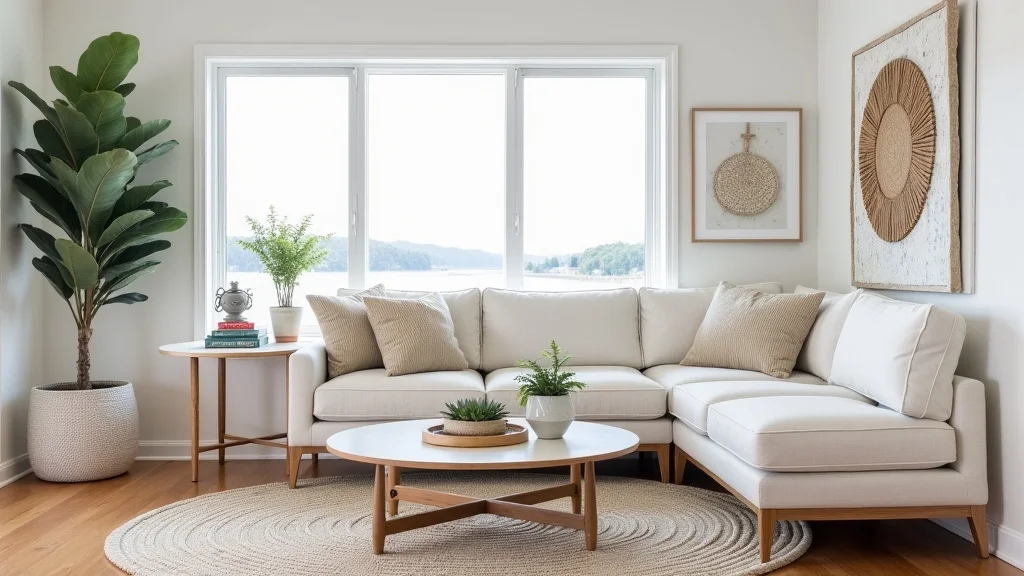
Remember that friend who always had the coziest house? Soft throws, classic furniture, and a touch of something new? You’ve probably thought about creating that same feeling in your space. This post will help you explore the blend of classic elegance and modern simplicity that defines modern traditional home decor styles. We’ll explore how to balance the familiar comfort of tradition with contemporary design elements, giving your home a timeless, yet up-to-date, look. You’ll gain practical tips to create a balanced, inviting space, improving your home’s aesthetic appeal and functionality.
Key Takeaways
- Learn the defining characteristics of modern traditional home decor styles and how they create a balanced aesthetic.
- Discover how to seamlessly blend classic furniture with contemporary design elements.
- Understand the use of color palettes and textures in this design style to create a cohesive look.
- Explore practical tips for incorporating artwork and accessories to enhance the style.
- Get inspiration for mixing old and new elements to achieve the perfect balance.
- Find ways to personalize your space, reflecting your style within the framework of modern traditional home decor styles.
Defining Modern Traditional Home Decor Styles
Modern traditional home decor styles represent a carefully considered approach to interior design. It’s about taking the best aspects of traditional design – think classic lines, comfortable furniture, and warm, inviting spaces – and merging them with the clean, uncluttered look of modern design. This creates a balance between sophistication and approachability, perfect for those who appreciate both timeless elegance and current trends. It’s not about choosing one style over the other, but instead, creatively combining elements of both to form a unique, personalized aesthetic.
Key Elements of Traditional Design
Traditional design often focuses on comfort and elegance, drawing inspiration from historical styles like Victorian, Georgian, and French Country. It values details, rich textures, and a sense of history. Furniture often features intricate carvings, detailed upholstery, and dark wood finishes. The overall atmosphere leans toward formality and warmth, frequently featuring ornate details like crown molding, elaborate window treatments, and antique pieces.
- Classic Furniture Shapes: Traditional furniture typically features curved lines, ornate details, and comfortable upholstery. Think of pieces like wingback chairs, Chesterfield sofas, and antique dining tables.
- Rich, Warm Color Palettes: Traditional designs often incorporate deep, warm colors such as burgundy, forest green, and gold. These colors help create a sense of depth and richness in the space, enhancing the overall feeling of warmth and comfort.
- Ornate Details and Textures: Detailed trim work, patterned fabrics, and elaborate window treatments are all hallmarks of traditional decor. These elements add visual interest and a sense of luxury to the space.
- Antique Pieces and Collectibles: Antique furniture, artwork, and collectibles are often incorporated to add character and a sense of history. These pieces tell a story and create a more personalized space.
Wingback chairs are characterized by their tall, enveloping backs, designed to shield against drafts. Their curved form offers a sense of coziness and history. Chesterfield sofas, with their deep button tufting and rolled arms, are an emblem of classic elegance, often upholstered in rich leather or velvet. Antique dining tables, frequently crafted from dark woods like mahogany or walnut, add a touch of history and sophistication to a dining room, making a statement with their craftsmanship.
Burgundy, with its deep red undertones, brings a sense of opulence and drama. Forest green can create a tranquil, nature-inspired feel, especially when used in velvet or textured fabrics. Gold accents, whether in the form of gilded frames, hardware, or decorative details, add a touch of luxury and enhance the warmth of the space. These colors, used in combination or as accents, create an atmosphere of inviting sophistication.
Trim work, such as crown molding and detailed baseboards, adds architectural interest and defines the space’s elegance. Patterned fabrics, including damasks, florals, and stripes, add texture and visual interest to upholstered furniture, curtains, and pillows. Elaborate window treatments, such as layered curtains with valances and tiebacks, contribute to the sense of formality and sophistication, enhancing the traditional appeal of the room.
Antique furniture pieces, like a well-worn writing desk or a grand armoire, provide unique character and add stories to a room, telling a narrative of heritage and craftsmanship. Artwork, especially antique paintings or portraits, offers a touch of culture and adds visual interest. Collectibles, such as vintage china, porcelain figurines, or antique books, add a personalized touch and reflect individual tastes.
Key Elements of Modern Design
Modern design emphasizes clean lines, simplicity, and functionality. It favors open spaces, neutral color palettes, and minimal ornamentation. Furniture tends to be streamlined, with a focus on form and function. This style often incorporates natural light and incorporates materials like glass, metal, and concrete to achieve a sleek, contemporary aesthetic.
- Clean Lines and Minimal Ornamentation: Modern design prioritizes uncluttered spaces, sleek furniture, and simple forms. The emphasis is on functionality and avoiding excess decoration.
- Neutral Color Palettes: Modern interiors often utilize a neutral palette, such as whites, grays, and blacks, to create a sense of calmness and cohesion. Pops of color are often introduced through art or accent pieces.
- Focus on Functionality: Furniture and design elements in modern spaces are chosen for their usefulness. Every piece should have a purpose, contributing to the overall usability of the space.
- Use of Natural Light and Open Spaces: Modern design often prioritizes natural light, open floor plans, and large windows to create a sense of spaciousness and connection to the outdoors.
Clean lines in furniture design are evident in the absence of ornate details and the presence of geometric shapes. Minimal ornamentation means that decorations are kept to a minimum, with a focus on functionality and avoiding clutter. The simplicity allows the architectural features of the room and the artwork to take center stage, creating a calm and orderly atmosphere.
Neutral color palettes provide a versatile backdrop for a variety of styles. White walls make a room feel spacious and airy, while grays offer a sophisticated base. Black is used sparingly for dramatic accents. Colors are introduced through carefully chosen art pieces or decorative accents. This emphasis on neutrals provides a serene and adaptable foundation for a modern space.
Functionality means that every item in the room is both aesthetically pleasing and serves a clear purpose. Furniture is chosen based on its suitability for everyday activities. Design elements, like built-in storage or adaptable furniture, are incorporated to improve the space’s practicality. This focus on functionality streamlines living spaces, allowing the owners to live easily and enjoy their homes more.
Incorporating natural light is essential, achieved through big windows and thoughtful placement of furniture. Open floor plans and the use of minimal interior walls allow light to travel freely, creating a spacious and airy feel. Large windows not only flood a room with natural light but also provide a connection to the environment, enhancing the overall experience of the space.
Blending Styles: A Step-by-Step Guide
The key to mastering modern traditional home decor styles is to find the right balance between these two aesthetics. This involves strategic choices in furniture, color palettes, and accessories. It’s about creating a space that feels both inviting and stylish, comfortable yet current. This section provides a practical, step-by-step approach to help you create this perfect equilibrium.
Choosing Furniture
The furniture choices are central to achieving the blend of modern traditional home decor styles. It’s a matter of selecting pieces that reflect both aspects of the design. Think about the overall feel you wish to create: a mix of classic shapes with modern materials, or contemporary silhouettes in traditional fabrics. This process begins with selecting a few key pieces that act as anchor points, providing a foundation for your design.
- Mix Classic and Contemporary Styles: Pair a classic wingback chair with a modern, streamlined sofa, or a contemporary coffee table with a traditional patterned rug.
- Select Furniture with a Balance of Form and Function: Look for pieces that are aesthetically pleasing but also practical for everyday use.
- Consider the Scale of the Furniture: Ensure that the furniture fits the size of the room, preventing a cluttered or unbalanced feel.
- Choose Quality Pieces: Invest in furniture made from durable materials. This allows your decor to endure and prevents constant replacement.
Choosing pieces that represent both eras is an efficient way to achieve the look. A classic wingback chair, with its curved silhouette, adds elegance, while a modern sofa with clean lines provides a contrast. The combination of styles helps to balance the space, forming a cohesive aesthetic. The juxtaposition of the classic and the modern makes the room both engaging and visually balanced.
Furniture should serve both a functional and decorative purpose. A dining table can be both beautiful and capable of seating many guests. A sofa should be stylish, yet comfortable for relaxing and entertaining. Each piece is chosen not only for its visual appeal but also for its practicality. This balance ensures that the space is beautiful, as well as livable.
Scale is essential in furniture selection. In a small room, select smaller furniture to prevent it from feeling cramped. In larger rooms, choose larger furniture to avoid it feeling empty. Consider the dimensions of each item in relation to the overall size of the room, keeping in mind the visual flow and making the space functional and balanced.
Quality furniture can last for years. Choose pieces crafted from durable materials like solid wood, well-made upholstery, and sturdy construction. Investing in durable, high-quality furniture items means that they will last longer, provide better value, and withstand the test of time, reducing the need for frequent replacements and creating a more timeless appeal.
Color Palettes and Textures
Color and texture are essential tools in tying together a modern traditional home decor styles. By carefully selecting your colors and textures, you can create a space that feels harmonious and inviting. The right combination can help to balance the elements and reflect your style. Explore colors, textures, and their potential to transform your interior space. Consider using the information in this section to create visual and tactile depth.
- Use a Neutral Base: Start with a neutral color palette like whites, grays, or beiges to provide a versatile foundation.
- Incorporate Accent Colors: Introduce accent colors through artwork, throw pillows, and accessories to add visual interest and personality.
- Mix Textures: Combine different textures, such as velvet, linen, and wood, to add depth and visual interest.
- Use Patterns Strategically: Incorporate patterns through rugs, curtains, or upholstery, using them sparingly to prevent visual clutter.
Neutral colors create a backdrop, allowing for accent pieces. These colors provide a sense of calm and can be easily adapted as your style shifts over time. A neutral base makes it easier to introduce pops of color and textures without overwhelming the space. This flexible foundation makes it simple to introduce and modify your design.
Adding accent colors is an effective way to inject vibrancy and personal style. Consider using a palette that complements your base neutral colors, allowing for visual interest without overwhelming the space. Using these elements can create focal points within the room, and make the space feel tailored and well-considered.
Mixing textures prevents a space from feeling one-dimensional. The combination of smooth surfaces with rougher textures creates visual interest and an inviting atmosphere. This diversity ensures the space feels layered and intriguing.
Patterns add personality and visual interest. The strategy is to choose patterns carefully and use them in moderation to avoid a cluttered look. A patterned rug can anchor a space, and curtains can add a soft touch of elegance.
Incorporating Artwork and Accessories
Artwork and accessories are important in finishing the look of modern traditional home decor styles. These elements add personality and character, and can tie the design together, creating a well-considered and cohesive aesthetic. Choosing the right pieces and arranging them thoughtfully can make your interior feel complete and refined. Thoughtful selection and placement of your accessories can show your unique taste.
- Select Artwork That Reflects Your Style: Choose paintings, prints, or sculptures that speak to your taste.
- Use Mirrors to Enhance Space: Mirrors can make a room feel larger and brighter, especially when placed strategically.
- Choose Accessories That Complement Your Decor: Select accessories like vases, decorative bowls, and books that enhance the style.
- Arrange Accessories Thoughtfully: Group items in a way that creates visual interest and balance. Avoid overcrowding.
Artwork transforms your space from functional to personal. Select pieces that reflect your style and personality, whether that means a bold abstract painting or a classic landscape. The goal is to choose art that you enjoy and that enhances the overall aesthetic of the space, creating a personalized and engaging atmosphere.
Mirrors not only add to a room’s visual appeal but also increase natural light. They add depth, making a room feel larger and more open. Use mirrors to reflect light and create a more expansive feel, enhancing both beauty and functionality.
Accessories complete the design, adding texture, color, and personality. Select decorative bowls, vases, and books that complement your style. These details add the final touches that make your space personalized and inviting, reflecting your individual taste and enhancing the room’s aesthetic.
Arranging your accessories is key to creating a balanced and visually appealing space. Group similar items, like a collection of vases or a stack of books, to create focal points. This strategic arrangement adds sophistication and balance to your decor, enhancing the overall appearance of the room.
Examples of Modern Traditional Home Decor Styles in Action
To truly grasp how to put modern traditional home decor styles into practice, let’s explore a few real-world examples. These case studies will illustrate how different elements of design come together to create balanced, stylish spaces. Each example will highlight various strategies, providing inspiration and helping you envision how you can implement these designs in your home.
Case Study 1: Living Room Makeover
This living room makeover shows a transformation from a standard space to one reflecting the harmonious blend of modern and traditional elements. Key pieces were chosen to balance the space, from classic furniture to contemporary accents. The result is a space that is both inviting and stylish.
- Before: The living room featured basic furniture and lacked personality, with plain walls and minimal accessories.
- After: The room now features a neutral color palette. A classic Chesterfield sofa is paired with a modern, streamlined coffee table. Artwork and accessories were used strategically to create visual interest.
- Key Element: Mixing classic furniture with contemporary accents.
The space felt functional but lacked the warmth and charm. The design was simple and uninspired, offering little in the way of visual interest or a sense of personal expression. The lack of decorative elements made the room feel sterile and uninviting.
The transformation begins with a neutral color palette to create an adaptable foundation. A Chesterfield sofa, with its classic lines, provides elegance, balanced by a modern coffee table. Decorative touches such as artwork and accessories are used in a strategic way to add a layer of sophistication, creating visual interest and adding an element of personalization.
The combination of a classic sofa with a modern coffee table showcases the core principle of mixing design elements. The juxtaposition of the classic and the modern makes the room both engaging and visually balanced. Each item should serve a function and also enhance the overall look and feel of the space.
Case Study 2: Dining Room Transformation
This transformation brings together the elements of modern and traditional design to create an inviting dining area. It demonstrates how to integrate modern functionality with a touch of classic elegance. This example emphasizes the importance of selecting furniture that balances style with practicality, resulting in a cohesive design.
- Before: The dining room was cramped, with dark furniture and poor lighting, lacking an inviting atmosphere.
- After: The dining area uses a light color palette, adding a modern, sleek dining table with a traditional-style chandelier. Accents like patterned chairs and a large mirror add visual interest.
- Key Element: Combining modern and traditional furniture.
The dark furniture made the room seem small. The lack of natural light made it feel dim and uninviting. The arrangement made it challenging to navigate, making it a space to avoid rather than to enjoy.
The light color palette creates a brighter and more spacious feel. The addition of a sleek dining table helps to modernize the space. A traditional chandelier adds a touch of sophistication. A patterned chair and a large mirror add visual interest and enhance the visual space.
The combination of these elements provides a balanced aesthetic. The modern dining table adds to the streamlined functionality. The chandelier adds a touch of elegance. This blend creates an inviting, stylish dining area.
Case Study 3: Bedroom Refresh
This bedroom refresh shows how to create a tranquil space using the principles of modern traditional home decor styles. This makeover highlights the use of color, texture, and accessories to create a balanced, inviting sanctuary. It emphasizes the importance of careful planning to achieve a harmonious and personalized design.
- Before: The bedroom lacked personality. It featured basic furniture, with plain walls and limited accessories, creating a mundane space.
- After: The bedroom includes a neutral color palette, layered textures, and a mix of old and new elements.
- Key Element: Layering textures and blending old and new elements.
The original layout was not inviting. The basic furniture, combined with a lack of personal touches, resulted in a space that was functional but lacked character. The simple design provided a starting point for improvement but left much to be desired.
The application of a neutral color palette, using whites, grays, and soft pastels, creates a relaxing atmosphere. Layering textures such as plush bedding, a cozy rug, and textured curtains adds depth and visual interest. The mix of old and new elements, like a traditional headboard paired with modern nightstands, adds a unique and personalized touch.
Layering textures adds depth and visual interest, making the space more engaging. The blend of old and new elements showcases a sense of history. This combination creates a space that is inviting, stylish, and reflective of personal style.
Common Myths Debunked
There are several misconceptions about blending styles. Clearing up these misunderstandings will help you to create a design that truly reflects your taste and lifestyle. The following sections tackle some of the most common myths.
Myth 1: Modern Traditional is a Rigid Style
Some people believe that modern traditional home decor styles are restrictive, with a set formula that limits creativity. This is untrue. In reality, the style is quite flexible, giving room for personal expression and adaptability. It emphasizes balance and cohesion, but it also allows for variations based on individual preferences. This encourages homeowners to incorporate their own unique style.
Myth 2: Traditional Decor is Outdated
There is a feeling that traditional design is a thing of the past. The key to this style is to combine old and new. This means using classic elements in new ways to create a timeless, contemporary look. It’s about combining pieces from different eras to create a harmonious and stylish space. This approach ensures your space is elegant and relevant.
Myth 3: Achieving the Look is Expensive
Some people believe that achieving modern traditional home decor styles is expensive. However, you don’t need to spend a lot to create a beautiful space. You can incorporate vintage pieces, refurbished furniture, and affordable accessories. With a bit of creativity, you can achieve a sophisticated look without breaking the bank. The focus is on thoughtful choices and strategic combinations, not extravagant spending.
Myth 4: The Styles Do Not Mix
Some believe that modern and traditional styles do not work well together. The reality is that these styles create a blend when combined carefully. This style harmoniously combines clean lines with classic furniture. It brings together the warmth and elegance of traditional styles with the simplicity of modern design. The key is in the right color palettes, furniture selection, and accessory choices.
Myth 5: It Requires Major Renovations
Many believe that creating modern traditional home decor styles requires major renovations. However, you can achieve this style through strategic updates, adding key furniture pieces, and incorporating accessories. You can introduce new elements without undertaking a full-scale remodel. Small changes can have a huge impact, transforming the look of your home without the need for extensive work.
Frequently Asked Questions
Question: How do I select the right color palette?
Answer: Start with a neutral base like white, gray, or beige, then add accent colors through artwork, throw pillows, and accessories to create visual interest and personalization.
Question: Can I mix different wood tones in my decor?
Answer: Yes, mixing wood tones can add depth and interest. Try to keep a consistent feel to the wood, ensuring it complements your overall design.
Question: What’s the best way to incorporate patterns?
Answer: Use patterns strategically through rugs, curtains, or upholstery. Choose patterns that complement the other elements in the room, keeping them to a minimum to prevent a cluttered appearance.
Question: How can I balance the need for storage with the desire for a clean look?
Answer: Choose storage solutions that blend into your decor. Consider built-in cabinets, hidden storage in ottomans, or stylish baskets and boxes to maintain a clean appearance.
Question: How do I decide between modern and traditional furniture pieces?
Answer: Select pieces that represent both eras. Balance classic shapes with contemporary accents. Make sure the furniture reflects both the aesthetics and the needs of your space.
Final Thoughts
Modern traditional home decor styles offer a way to create a space that reflects both the past and the present. It creates a comfortable, stylish environment that is both welcoming and timeless. The key is to blend classic furniture, such as Chesterfield sofas and wingback chairs, with contemporary elements like streamlined tables and neutral color palettes. By using a mix of textures, from velvet to linen, and carefully chosen artwork and accessories, you can add personality and depth. Don’t be afraid to experiment with different combinations, reflect your personal style, and gradually transform your home into a space you adore. Embrace this design style, experiment with different combinations, and gradually transform your home into a space you love.