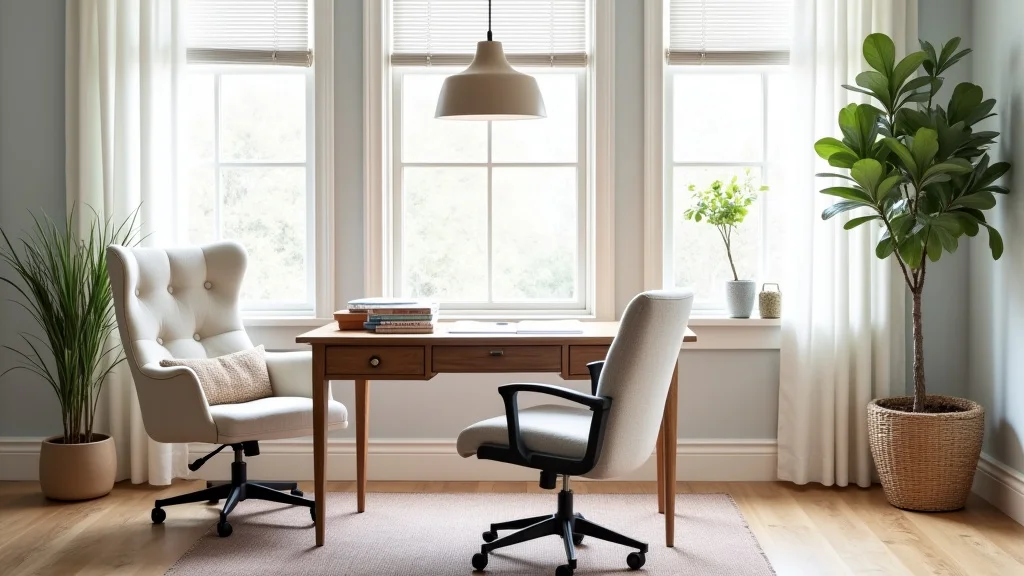
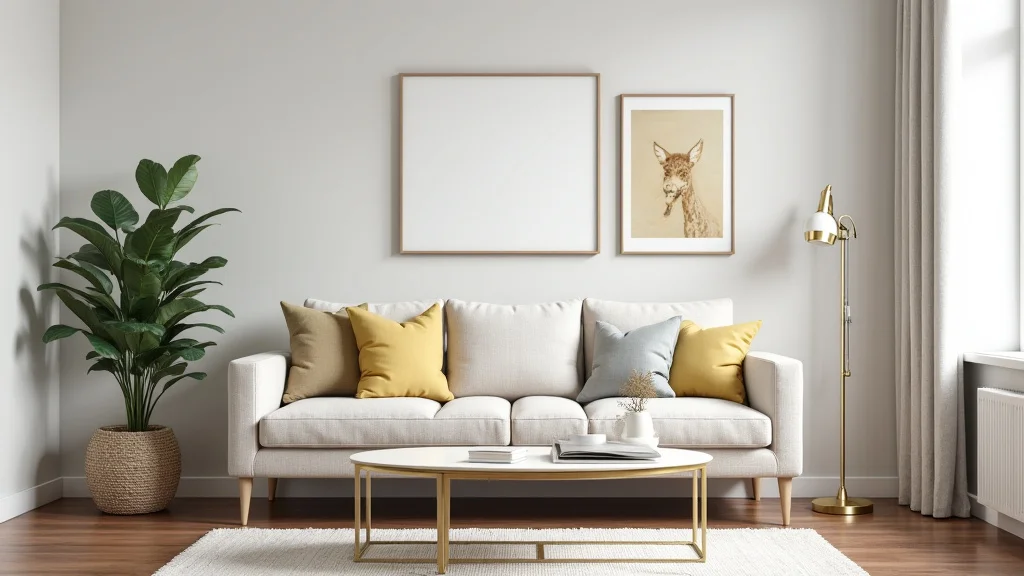
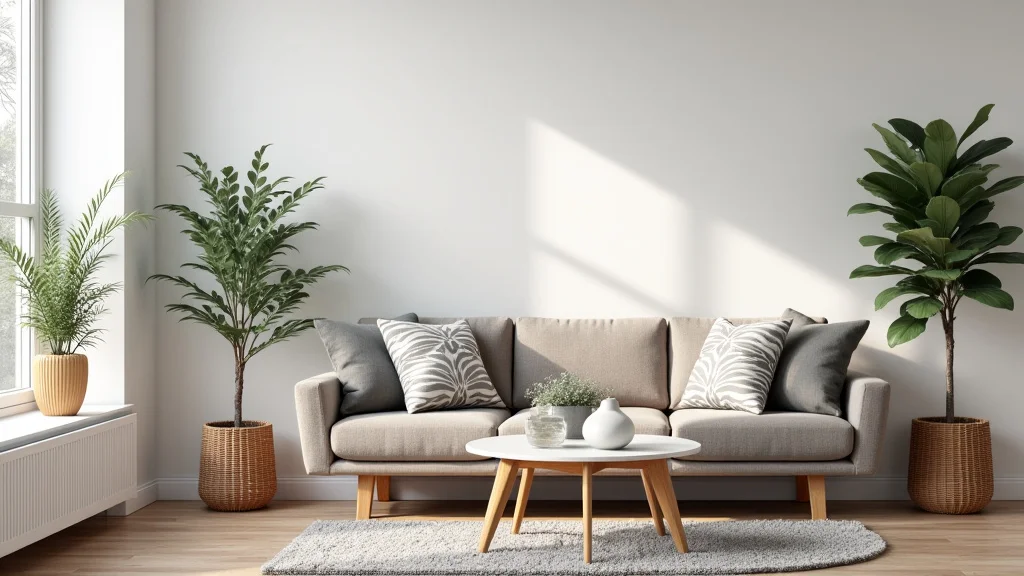
Ever walked into a friend’s house and instantly felt a certain vibe? Perhaps it was a cozy farmhouse feel, a sleek modern look, or maybe something in between. Home decor style types are more than just aesthetics; they reflect personality and shape how you experience your living space. Choosing the right home decor style types can transform your home into a place that truly feels like you. This post will explore various design styles, helping you identify your preferences and create a space you’ll love. You’ll gain a deeper appreciation for the nuances of different home decor style types and how to incorporate them effectively.
Key Takeaways
- Learn about different home decor styles like modern, traditional, and minimalist.
- Discover the key characteristics that define each style.
- Find out how to identify which styles best suit your personality and needs.
- Get tips on incorporating various styles into your home design.
- Understand how to mix and match styles to create a unique aesthetic.
- Gain the confidence to express your personal style through home decor.
Exploring Diverse Home Decor Style Types
The world of interior design offers a vast array of styles, each with its unique charm and appeal. Deciding on the right aesthetic for your space can be a fun, rewarding process. It’s about finding the design that resonates with your taste, lifestyle, and how you want to feel in your home. This section delves into some of the most popular and influential home decor style types, highlighting their key elements and providing a foundation for your design endeavors.
Modern Style
Modern design emphasizes clean lines, a neutral color palette, and a sense of functionality. It often incorporates materials like steel, glass, and concrete. The focus is on simplicity, practicality, and the absence of clutter. Furnishings tend to be minimalist, with geometric shapes and a streamlined appearance. The absence of excessive ornamentation is a hallmark of this style, which aims to create a sense of openness and airiness. Modern design often incorporates large windows to allow natural light to flood the space. It values functionality over excessive decoration, promoting a clutter-free environment and easy living.
- Clean Lines: Straight and simple forms dominate, avoiding ornate details.
- Neutral Color Palette: Whites, grays, and blacks are common, with pops of color used sparingly.
- Minimalist Furnishings: Furniture is functional and simple, often with a low profile.
- Exposed Materials: Concrete, steel, and glass are frequently featured.
- Geometric Shapes: Repeating shapes and patterns add visual interest.
Traditional Style
Traditional design celebrates classic elegance and timeless beauty. It often features rich colors, ornate details, and a sense of formality. Traditional interiors typically incorporate symmetrical arrangements, heavy furniture, and luxurious fabrics. Accessories are carefully chosen to reflect a sense of history and sophistication. This style emphasizes comfort and warmth, creating a welcoming and inviting atmosphere. It showcases the use of detailed craftsmanship and the value of enduring aesthetics. Traditional design is about creating a space that feels both grand and comforting.
- Symmetrical Arrangements: Balance and order are key, with furniture often arranged in pairs.
- Rich Color Palettes: Deep reds, blues, greens, and golds are frequently used.
- Ornate Details: Crown molding, carved furniture, and detailed trimwork add elegance.
- Luxurious Fabrics: Velvet, silk, and damask are common choices.
- Antique Accents: Vintage furniture and decorative items add character and history.
Minimalist Style
Minimalist design is all about “less is more.” It embraces simplicity, with a focus on functionality and avoiding unnecessary items. Minimalist spaces often have a neutral color palette, clean lines, and a sense of calm. The emphasis is on essential pieces of furniture and decor, with each item serving a specific purpose. This style aims to create a clutter-free environment that promotes relaxation and focus. Minimalist design is not just a visual aesthetic; it’s a lifestyle that encourages mindful living and appreciation for the things that truly matter.
- Neutral Color Palette: Whites, grays, and other neutral colors dominate.
- Clean Lines: Furniture and decor have simple, uncluttered forms.
- Functional Furnishings: Each item serves a purpose and is chosen for its functionality.
- Negative Space: Empty space is deliberately incorporated to create a sense of openness.
- Limited Decor: A few carefully chosen items enhance the space without overwhelming it.
More Home Decor Style Types to Discover
Beyond the core styles, other design options offer distinct character. These styles often draw on history, geography, or a particular lifestyle to create unique and appealing spaces. Experimenting with a few of these additional styles can add a unique flair to any home design. Some of these styles also blend well with the established styles, allowing for exciting design options.
Farmhouse Style
Farmhouse style combines rustic charm with a comfortable, lived-in feel. It often incorporates natural materials, neutral colors, and vintage accents. The style emphasizes practicality and a sense of warmth, creating a welcoming atmosphere. It often includes elements like exposed beams, distressed furniture, and cozy textiles. The overall aesthetic is one of casual elegance, reminiscent of a rural lifestyle. It combines rustic and modern elements, creating a charming and inviting atmosphere.
- Natural Materials: Wood, cotton, and linen are common choices.
- Neutral Color Palette: Whites, creams, and light grays are often used.
- Vintage Accents: Antique furniture and decorative items add character.
- Exposed Beams: Create a rustic and charming element.
- Cozy Textiles: Throw blankets, pillows, and rugs add warmth and comfort.
Bohemian Style
Bohemian (Boho) design celebrates a free-spirited, eclectic aesthetic. It often incorporates bold colors, global patterns, and a mix of textures. The style emphasizes self-expression and a sense of adventure, creating a unique and personalized space. Furnishings are often a blend of vintage and modern pieces, reflecting a collected and worldly approach. The Boho style is all about embracing individuality and creating a space that feels authentic and full of life. It mixes various influences and celebrates a diverse range of items.
- Bold Colors: Bright and vibrant colors, often inspired by global cultures.
- Global Patterns: Textiles and decor featuring patterns from around the world.
- Mix of Textures: Combining different materials, such as velvet, macrame, and leather.
- Vintage Furnishings: Antique and second-hand items add character.
- Layered Decor: Multiple rugs, throw pillows, and decorative items.
Coastal Style
Coastal design brings the serene feel of the beach into your home. It often incorporates light, airy colors, natural textures, and nautical accents. The style emphasizes a sense of relaxation and tranquility, creating a peaceful retreat. Colors are typically inspired by the sea and sky, such as blues, greens, and whites. Materials like linen, cotton, and wood are frequently used, along with decor that evokes the ocean, such as seashells, driftwood, and marine-themed art. It captures the essence of seaside living, creating a light, airy, and calming environment.
- Light, Airy Colors: Whites, blues, and greens create a sense of calm.
- Natural Textures: Linen, cotton, and wood evoke a sense of the beach.
- Nautical Accents: Seashells, driftwood, and marine-themed decor.
- Light Wood Tones: Distressed or whitewashed wood adds to the aesthetic.
- Comfortable Furnishings: Sofas and chairs with relaxed, casual silhouettes.
Choosing the Right Home Decor Style for You
Selecting the ideal home decor style types for your home is an intensely personal decision. It’s about more than just aesthetics; it’s about creating a space that makes you feel comfortable, inspired, and truly at home. Consider your personality, lifestyle, and how you want your home to make you feel. It’s also about experimenting with different elements and discovering what resonates with you. This section will guide you through the process of selecting the style that perfectly suits your needs.
Assessing Your Preferences
The first step in choosing a home design is to identify your preferences. Consider the styles you are most drawn to, and the elements within those styles that appeal to you. What colors, textures, and patterns do you enjoy? What kind of atmosphere do you want to create in your home? By exploring these questions, you can start to define your style and identify the elements that will make your space feel personalized. This process often involves gathering inspiration from various sources, such as magazines, online platforms, and visiting decorated homes.
- Gather Inspiration: Collect images and ideas from magazines, websites, and social media.
- Identify Key Elements: Note the colors, textures, and patterns that catch your eye.
- Consider Your Lifestyle: Factor in how you use your home and the activities that take place there.
- Think About Your Personality: Does your home reflect your character and interests?
- Experiment with Samples: Try out paint colors, fabric swatches, and furniture layouts.
Blending and Mixing Styles
Don’t feel limited to a single design style. Many successful interiors blend elements from different styles to create a unique aesthetic. The key is to find a cohesive balance. You might choose a primary style and then add accents from other styles to create interest and personality. This can be as simple as adding a modern lamp to a traditional living room or incorporating global patterns into a minimalist space. The freedom to blend styles allows for the creation of unique, personalized environments that reflect your individual taste and lifestyle. This approach ensures your space is interesting and reflects your evolving tastes.
- Choose a Primary Style: Start with a base style that you like most.
- Add Accent Elements: Incorporate items from other styles to add interest.
- Use a Common Thread: Use a shared color palette, materials, or patterns to unite the styles.
- Balance the Mix: Don’t overload the space with too many competing elements.
- Trust Your Instincts: Create a space that feels right to you.
Practical Considerations
While personal preference is essential, there are practical factors. Think about the size and layout of your space, the amount of natural light, and the amount of maintenance you’re willing to handle. If you have a small space, for example, a minimalist or Scandinavian style might be the right fit because they are great at creating an open, airy feel. For homes with lots of natural light, you might have more flexibility to use darker colors. Keep in mind also your budget. Certain styles can be more or less costly to implement, considering factors such as materials and furnishings. Your home decor style should be functional and beautiful.
- Space and Layout: Consider the size and shape of your rooms when selecting furniture and decor.
- Natural Light: Darker colors work well in bright spaces, while lighter colors brighten up darker rooms.
- Maintenance: Some styles require more upkeep than others.
- Budget: Certain styles involve more expensive materials or furnishings.
- Longevity: Consider a style that will last and evolve as your tastes change.
Common Myths Debunked
There are some common misconceptions about home decor. Understanding these can help you approach the design process with a clearer, more informed perspective.
Myth 1: You Need to Spend a Fortune to Have a Beautiful Home
Many people believe that decorating a home requires a significant budget. This is far from true. There are various ways to create a beautiful space without breaking the bank. Vintage stores, thrift shops, and online marketplaces offer a wealth of affordable items. DIY projects, such as painting furniture or creating custom artwork, can add personality without requiring a huge investment. Also, focusing on a few high-quality, impactful pieces, combined with more affordable options, is often a more practical approach than filling a space with expensive items.
Myth 2: Following Trends is Essential for a Stylish Home
The interior design scene is always trending. While it’s fun to be aware of what’s “in,” following trends blindly can lead to a home that lacks personality and quickly becomes dated. The best approach is to incorporate trends you genuinely like, but prioritize a style that reflects your preferences. Focusing on timeless pieces and adding personal touches is a more sustainable approach than chasing every passing trend. Designing a space that expresses your individual style will ensure it remains beautiful and inviting, regardless of what’s currently popular.
Myth 3: Small Spaces Can’t Accommodate Bold Styles
Some people think that small rooms require a neutral, minimalist aesthetic. It is true that a well-executed minimalist design can make a small space appear larger and airier. However, the size of a space does not limit its design possibilities. Bold colors, patterns, and furniture can work in small rooms when executed thoughtfully. Using the right scale of furniture, strategically placed mirrors, and adequate lighting can make a small space feel stylish and welcoming. The key is to avoid overcrowding the space and to maintain a cohesive design.
Myth 4: You Need a Professional Designer to Create a Beautiful Home
Many people assume that professional expertise is required to achieve a well-designed home. While working with an interior designer has many advantages, it’s not a requirement for creating a beautiful and functional space. With careful planning, you can bring a home together, drawing inspiration from magazines, blogs, and online resources. By gathering ideas, understanding your personal style, and gradually implementing your vision, you can transform your space on your own. Many free online resources offer advice and inspiration. This approach can be satisfying and empowering.
Myth 5: All Furniture Needs to Match Perfectly
The traditional approach of matching all furniture pieces is outdated. A coordinated look can be achieved without all pieces matching. Embrace a more eclectic approach, mixing different styles and materials to create visual interest. For instance, combining a modern sofa with vintage side tables or pairing a traditional dining table with modern chairs can create a unique look. The key is to find a common thread—whether it’s a shared color palette, a consistent material, or a similar design style—to create a sense of cohesion. This approach allows for a more interesting and personalized space.
Frequently Asked Questions
Question: How do I choose the right color palette for my home?
Answer: Consider the natural light in your home, your personal preferences, and the overall mood you want to create. Soft, neutral tones are versatile and make a space feel larger, while bolder colors can add personality and depth.
Question: Where can I find affordable home decor items?
Answer: Explore thrift stores, vintage shops, online marketplaces (such as Craigslist and Facebook Marketplace), and discount retailers. DIY projects are also a fantastic option for adding character on a budget.
Question: How do I measure my space for furniture?
Answer: Accurately measure your rooms, including the length, width, and height. Create a floor plan to visualize furniture arrangements and ensure that pieces fit comfortably without overcrowding the space.
Question: How can I create a cohesive look when mixing different styles?
Answer: Use a common color palette, recurring materials, or design motifs to unify the different styles. Ensure that the pieces complement each other, avoiding clashing elements, for a harmonious design.
Question: What’s the best way to determine my home design style?
Answer: Explore various styles through magazines, websites, and social media. Identify elements you like, consider your lifestyle, and think about the atmosphere you wish to create in your home.
Final Thoughts
Exploring the variety of home decor style types is an exciting opportunity to transform your living space. Discovering different aesthetics, from the sleek lines of modern design to the rustic charm of farmhouse style, provides the creative resources needed to start making a home unique. Ultimately, the best design is one that expresses your individual style and enhances your daily life. It’s about combining aesthetics with functionality, creating a space that looks great and feels fantastic. Don’t be afraid to experiment, blend styles, and make the space yours. The key is to be open, explore different ideas, and, most importantly, have fun! Your home should be a reflection of your personality and a place where you can relax and truly feel at ease.