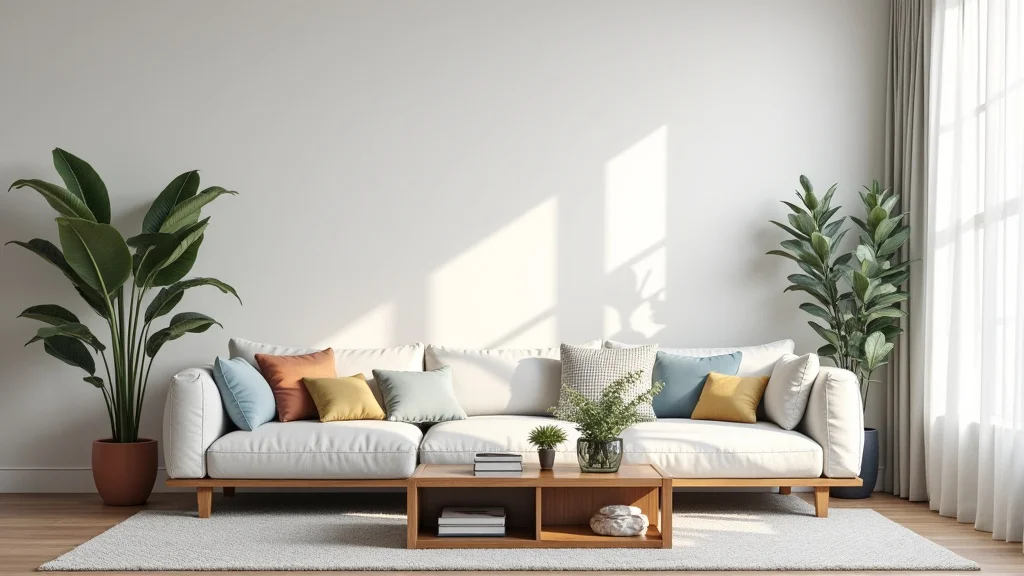
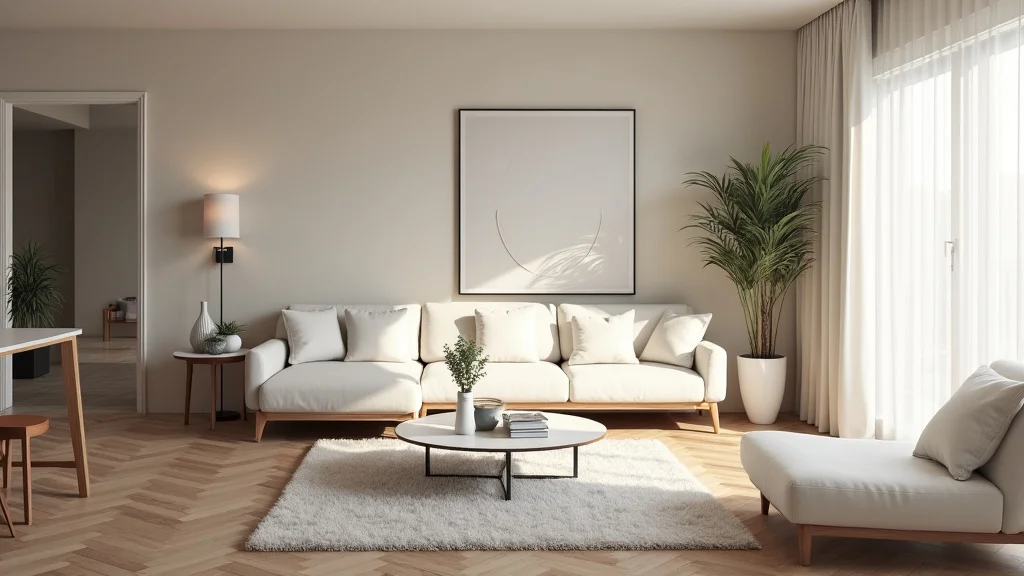
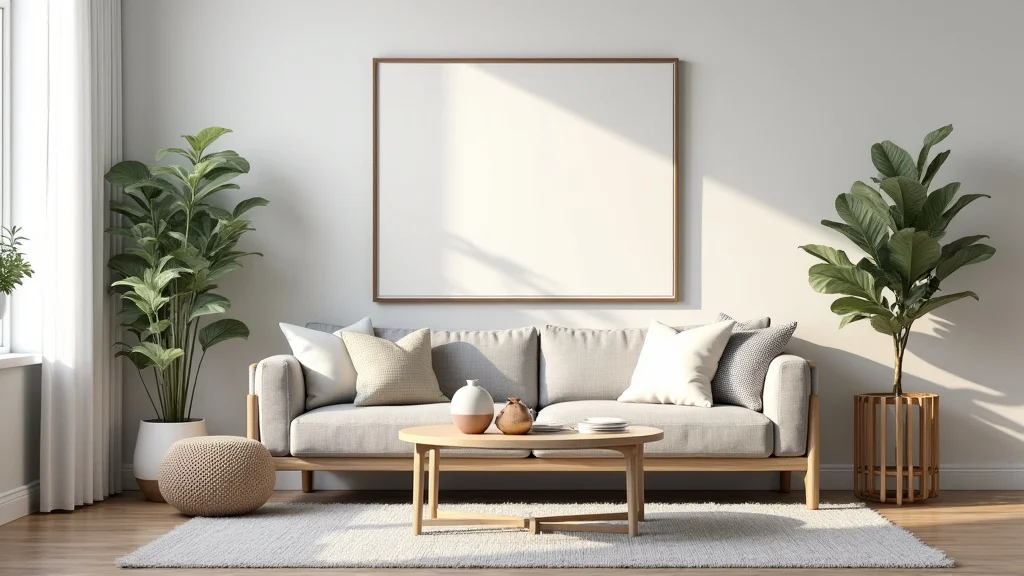
Remember that feeling of flipping through magazines, dreaming of your ideal living space? Maybe you’re already sketching out plans for a renovation, or perhaps you’re just curious about the trends on the horizon. Whatever your inspiration, keeping up with the latest in home decor styles is key. This post will give you a sneak peek into what’s shaping the landscape of interior design, helping you make informed decisions for your own space. You’ll learn the emerging aesthetics, material trends, and overall design approaches influencing home decor styles 2025. Get ready to discover fresh ideas and gather inspiration for your home.
Key Takeaways
- Discover the core aesthetics expected to dominate home design.
- Explore the materials and textures that will be most sought-after.
- Learn about sustainable and eco-conscious design principles.
- Understand the impact of technology on interior spaces.
- Find inspiration for creating personalized and inviting interiors.
- Explore the best resources for staying informed about evolving trends.
Emerging Aesthetics in Interior Design
The landscape of interior design is always shifting, and the coming trends will reflect our changing values and lifestyles. A focus on comfort, functionality, and personal expression will shape many choices. Designers will continue to draw inspiration from nature, seeking to create spaces that feel both calming and rejuvenating. We’ll also see influences from various cultures around the globe, creating a melting pot of styles.
Biophilic Design’s Growing Influence
Biophilic design, which incorporates natural elements into interior spaces, is gaining widespread adoption. This approach is not merely about adding plants, but also about integrating natural light, ventilation, and materials. Biophilic design seeks to connect us with nature, promoting well-being and reducing stress. The use of natural materials, such as wood, stone, and rattan, and organic shapes creates a sense of harmony. The goal is to bring the outdoors in, creating a more relaxing and healthy environment.
- Embracing Natural Light: Large windows, skylights, and strategic placement of mirrors can maximize natural light, improving mood and energy levels.
- Incorporating Green Walls: Vertical gardens and living walls add a touch of nature and improve air quality.
- Using Natural Materials: Wood, stone, and other natural materials create a connection to the outdoors.
- Organic Shapes and Forms: Furniture and decor with rounded edges and flowing lines enhance the sense of calm.
Natural light is a vital element of biophilic design. It is known to boost productivity and mood. Consider using sheer curtains or blinds to filter the light gently. Maximize sunlight throughout the day to create a bright and airy atmosphere. Strategically position mirrors to bounce light around a room.
Vertical gardens bring the beauty of nature into a room. Select plants based on light availability and maintenance needs. They’re excellent for adding both aesthetics and improved air quality. Create a living wall in areas that may benefit from the added freshness.
Natural materials such as wood, stone, and bamboo introduce warmth and character. These materials provide a connection to the natural world. Consider how these materials feel, to increase comfort and create a sense of calm. Choose finishes that highlight the material’s natural texture.
Rounded edges and flowing lines soften the overall aesthetic. These shapes inspire tranquility. Choose furniture with soft forms to create a more inviting and harmonious space. Think about incorporating curved sofas and rounded tables to balance the space.
The Rise of Maximalism
Maximalism, the antithesis of minimalism, is set to make a significant statement. This design philosophy celebrates abundance, pattern, and color. It allows for a more personalized and expressive aesthetic, encouraging individuals to fill their spaces with items they love. It’s about mixing and matching textures, styles, and colors to create a bold and layered look. Maximalism encourages the use of vintage items, art pieces, and collectibles to create a story within the home.
- Layered Textures: Combining velvet, silk, and patterned textiles adds depth and visual interest.
- Bold Color Palettes: Using vibrant colors and contrasting shades allows for a playful and energetic environment.
- Eclectic Furniture and Accessories: Mixing different styles and eras creates a unique and personalized space.
- Pattern on Pattern: Combining different patterns on textiles and wallpaper creates visual interest and depth.
Layering textures adds depth and visual interest in any interior space. Mix velvet and silk. Use a patterned rug to add another dimension. Play with textures to create a rich and inviting ambiance. This gives a room an eclectic charm.
Maximalism embraces the use of bold and eye-catching colors. This approach creates an energetic atmosphere. Combining contrasting shades can make the space more vivid. Paint the walls, or feature bold colors through furniture and accessories.
Maximalism celebrates individuality through mixing and matching styles. Combine antique finds with contemporary pieces. This creates a curated and evolving style. Display personal collections and art to infuse personality into the home.
Combining patterns is key in maximalism, it creates visual interest and depth in any room. Pair floral wallpaper with striped textiles. Ensure the patterns have some element in common. This creates a cohesive look.
Sustainable Materials and Eco-Conscious Design
Sustainability will remain a top priority in interior design. This involves using materials that are sourced responsibly, have a low environmental impact, and promote a healthier indoor environment. Consumers are becoming more aware of the environmental footprint of their homes, and they are seeking products and practices that align with their values. This approach aims to reduce waste, conserve resources, and create spaces that are good for both people and the planet.
The Benefits of Sustainable Materials
Sustainable materials often include reclaimed wood, recycled glass, bamboo, and natural fibers such as linen and organic cotton. These materials are chosen not only for their eco-friendly properties but also for their aesthetic appeal. They bring a natural warmth and texture to the interiors. The design process now incorporates practices such as upcycling, reducing waste, and using energy-efficient appliances. The shift towards sustainable materials is reshaping how we design and furnish our homes.
- Reduced Environmental Impact: Using recycled and reclaimed materials reduces waste and minimizes the use of resources.
- Improved Indoor Air Quality: VOC-free paints and finishes, and natural materials such as wood and stone, contribute to a healthier indoor environment.
- Increased Durability and Longevity: Sustainable materials are often durable and long-lasting, reducing the need for frequent replacements.
- Support of Ethical and Responsible Practices: Selecting sustainable materials often supports fair labor practices and responsible sourcing.
Sustainable material selection directly reduces environmental impact. Using recycled and reclaimed materials conserves resources and cuts down on landfill waste. Choosing materials that are durable helps ensure the products last longer. These practices reflect a commitment to conservation.
Prioritizing indoor air quality is very important to designing healthy spaces. Natural materials, VOC-free finishes, and paints contribute to improved air quality. These materials also minimize harmful chemical emissions, enhancing the health and comfort of the occupants. Focus on creating a space that is clean and healthy.
Sustainable products are often crafted for durability. This means the items last longer, reducing waste. Choose solid wood furniture, and items made of resilient materials. This helps reduce the need for constant replacements.
Choosing sustainable items supports ethical practices. These practices promote fair wages, and ethical sourcing. Look for certifications. This ensures you are supporting businesses with sustainable values.
Key Design Practices
Implementing sustainable design practices involves more than just material selection; it extends to the overall design process. This includes energy-efficient lighting, water-saving fixtures, and the use of smart home technology. These practices seek to reduce the environmental footprint and also improve the functionality of the home. The focus is on creating spaces that are both beautiful and responsible.
- Upcycling and Repurposing: Give new life to old items, reducing waste and adding character.
- Reducing Waste: Minimize waste throughout the design and construction process, and choose furniture and décor with a long lifespan.
- Choosing Energy-Efficient Appliances: Select energy-saving appliances and smart home technology to reduce energy consumption.
Upcycling and repurposing give old items new functionality and aesthetic appeal. Find creative ways to transform old furniture, fabric scraps, or other items. This adds personality to the home. It also reduces waste and fosters a more sustainable lifestyle.
Reducing waste is key in sustainable design. This process begins by choosing furniture and decor that are designed to last. Avoid single-use or disposable items. Select reusable materials. This ensures a minimal environmental footprint.
Selecting energy-efficient appliances and smart home technology helps lower energy use. LED lighting, smart thermostats, and energy-efficient refrigerators are good choices. This conserves energy and lowers energy bills. They also enhance the sustainability of a home.
Influence of Technology on Interior Design
Technology plays a big role in home design, and it’s evolving to make homes smarter, more connected, and more personalized. Smart home systems allow users to control lighting, temperature, and security remotely. This level of automation brings convenience and also allows for energy-efficient living. The focus is to create homes that anticipate the needs of their inhabitants, offering a seamless and intuitive living experience.
Smart Home Integration
Smart home technology integrates with various aspects of home design, offering more control and efficiency. Voice-activated assistants can control the lighting, music, and climate, offering a hands-free experience. Smart appliances provide insights into energy use, and allow for remote control. The integration of technology is creating homes that are both responsive and adaptable.
- Smart Lighting: Control lighting with voice commands or a smartphone, and set personalized lighting scenes.
- Smart Climate Control: Program the thermostat remotely, optimizing energy use and comfort levels.
- Automated Security Systems: Implement security systems, including video doorbells, smart locks, and sensors.
- Voice-Activated Assistants: Integrate voice assistants for hands-free control of various home functions.
Smart lighting can improve functionality and create ambiance. Control lights via voice or phone. Adjust lighting brightness, and color. These systems are easy to set up. They help save energy.
Smart climate control allows energy efficiency and personalized comfort. Use your smartphone to control your thermostat remotely. Optimize energy use. Create a home that adapts to your daily routine.
Automated security systems enhance safety and convenience. Use video doorbells, smart locks, and sensor systems. Monitor the home remotely. Receive notifications about potential issues. Improve the security of your home.
Voice-activated assistants simplify home control. Use voice commands to control lighting, play music, or check the weather. These systems create a seamless, hands-free living experience.
Augmented Reality (AR) and Virtual Reality (VR) in Design
AR and VR are changing how people design and visualize their spaces. AR apps allow users to visualize furniture and decor in their homes before purchasing them. VR experiences offer immersive walkthroughs of spaces, allowing users to experience a design from every angle. This technology is creating new ways for designers and homeowners to collaborate and make informed decisions.
Here are some sample scenarios:
- Virtual Room Makeovers: Using VR to redesign an existing space, allowing users to experiment with different design styles and layouts.
- Furniture Preview: Using AR to place virtual furniture in a room to see how it looks and fits, helping to make confident purchase decisions.
Virtual reality enables people to reimagine the design of an existing room. You can experiment with color schemes, furniture arrangements, and different design styles. Users can visualize their new home design before making any physical changes.
Augmented reality gives the chance to preview furniture at home. Using AR, users can place virtual furniture in their space. This helps visualize how it will look and fit before making a purchase. This allows users to make confident decisions. This eliminates the chance of purchasing something that doesn’t fit.
The Impact of Global Influences on Home Decor Styles 2025
Global influences continue to be a significant driving factor, shaping interior design trends. Designers draw inspiration from cultures around the world. These trends reflect diversity, creativity, and a fusion of different aesthetics. This cultural exchange contributes to unique and personalized spaces, that reflect the occupants’ personal stories and values.
Mixing and Matching Styles
Mixing and matching styles is one of the important influences on interior design. This allows for blending different aesthetics, from traditional to contemporary. This allows for the creation of unique spaces. Combining vintage pieces with modern elements, or incorporating patterns and textiles from various cultures adds depth and personality. It allows for a more eclectic and authentic style.
- Global Textile Integration: Incorporate textiles and patterns from different cultures to add color and texture to a space.
- Fusion Furniture Design: Combine furniture styles, mixing modern lines with ethnic details or vintage elements.
- Artistic Expression: Use art from different cultures, including paintings, sculptures, and pottery.
- Accessorizing with Global Accents: Accessorize with accent pieces sourced from different countries, such as pottery, baskets, or decorative objects.
Add global textiles to elevate a room’s look. Use textiles and patterns from different cultures. These can add vibrant color and rich texture. This will make your space feel unique. Consider incorporating kilim rugs or ikat-patterned pillows to add global flair.
Create a space that merges styles and eras. Mix contemporary furniture with ethnic details or vintage pieces. Create a layered and personalized look. It shows your style and creativity.
Use art from different cultures to create a statement in any home. Display paintings and sculptures from different regions. This shows diversity and adds a cultural dimension. This also creates visual interest.
Accessorize using accent pieces from different regions. This can include pottery and baskets. This adds character and depth. It infuses your home with stories and a global perspective.
The Integration of Cultural Elements
Designers incorporate specific cultural elements, from furniture to decor and textiles. This influences the creation of spaces that reflect global influences. For example, the incorporation of Japanese minimalism (Wabi-Sabi) focuses on the beauty of imperfection and natural materials. This results in spaces that are simple, functional, and calming. Incorporating design elements, patterns, and motifs from different parts of the world brings depth and character to a home.
Here is an example, to illustrate the data better.
| Cultural Influence | Key Design Elements | Description |
|---|---|---|
| Scandinavian Design | Clean lines, natural light, minimalism, and functionality | Features light color palettes, light wood tones, and functional furniture. |
| Bohemian Style | Layered textures, global patterns, eclectic furnishings, and rich colors | This style promotes a relaxed atmosphere. It uses a mix of textiles, patterns, and vintage furniture. |
| Japanese Wabi-Sabi | Emphasis on imperfection, natural materials, and simplicity | Focuses on the beauty of imperfection and natural materials. It fosters a calming and minimalist environment. |
Common Myths Debunked
Myth 1: Sustainable Materials Are Always More Expensive.
While some sustainable materials have a higher initial cost, they often offer long-term value. Sustainable materials are often durable, meaning they will last longer. This reduces the need for frequent replacements. There is an increasing number of options. Therefore, there are options for various budgets. Buying used, or upcycling, are also great ways to keep costs down.
Myth 2: Maximalism Is Only for People with Large Homes.
Maximalism can be applied in any space. It’s about personal style and expression, not about the size of the home. This style can be applied in apartments. The key is in carefully curating items and creating balanced layers. It’s all about creating the impression of fullness and personality.
Myth 3: Technology Makes Homes Feel Impersonal.
Technology can actually enhance personalization. Smart home systems can be customized to the lifestyle of each user. They offer a unique experience. This includes lighting and climate control. These can adjust to the user’s habits. They also offer a more comfortable and personalized living environment.
Myth 4: Biophilic Design Is Just About Adding More Plants.
Biophilic design goes beyond just adding plants. It seeks to incorporate natural elements. These include natural light, ventilation, and natural materials. The approach focuses on creating spaces that promote well-being and a connection to nature. The use of plants is a part of this overall approach.
Myth 5: Staying Current Requires Constant Renovation.
While trends will shift, creating a timeless space is attainable. Select a core foundation with neutral colors. Add accents through décor. This enables changes without constant renovation. Prioritize quality materials that will withstand the test of time. This will ensure that the design stays both appealing and current.
Frequently Asked Questions
Question: What is the most important trend to watch?
Answer: Sustainability will be an important driving factor for home decor styles. It is reflected in material choices, design practices, and consumer demand.
Question: How can I embrace maximalism?
Answer: Start by identifying items you adore. Layer different textures, patterns, and colors. Mix and match different styles.
Question: What’s the main benefit of smart home technology?
Answer: Convenience and energy efficiency are key. Smart home systems offer automated control and improve living efficiency.
Question: How can I use biophilic design?
Answer: Integrate natural light, use natural materials, and introduce plants into the design. Prioritize comfort and well-being.
Question: What can I do to keep the home fresh?
Answer: Incorporate accessories and accent pieces, add global textiles, or include artwork from different cultures. These elements will give the room an updated look.
Final Thoughts
As we explore home decor styles 2025, we see a fusion of comfort, sustainability, and personal expression. From the calming influence of biophilic design to the bold statement of maximalism, the coming trends show diverse aesthetics. The integration of sustainable materials and smart technology points to a future where homes are both eco-friendly and adaptable. Global influences create spaces that tell unique stories and reflect individual lifestyles. To get ready for the coming trends, consider your personal style and values. Start by incorporating elements that resonate with you, whether that’s natural textures, vibrant colors, or smart home features. Remember to seek inspiration from various sources, experiment with different ideas, and, most importantly, create a space that feels like home. Let your creativity be your guide, and build a living space that will evolve with you.