Remember that time you spent ages trying to coordinate your living room? The struggle is real when you’re aiming for a cohesive look. Staying ahead of the curve in home decor styles for 2025 is like having a style guide at your fingertips. In this post, we’ll explore what’s shaping interior design, giving you the insights you need to create a space that feels fresh, and relevant. You’ll gain a firm grasp of upcoming trends, learn how to integrate them, and avoid common design pitfalls. Get ready to transform your living spaces with confidence, making sure your home is stylish and a reflection of your personality.
Key Takeaways
- Discover the core elements driving the evolution of interior design.
- Identify emerging color palettes and their impact on different spaces.
- Explore sustainable design practices that will dominate home decor styles for 2025.
- Learn how technology is shaping home automation and aesthetic preferences.
- Gain insights into the blend of art, crafts, and personalization in interior design.
- Find practical tips for incorporating these trends into your home with ease.
Elevated Comfort and Minimalist Approaches
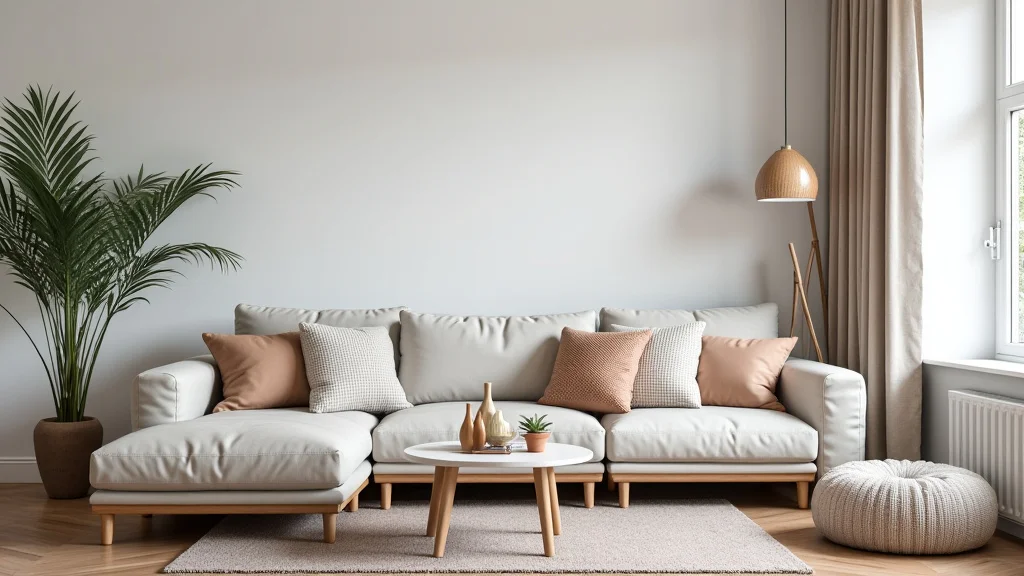
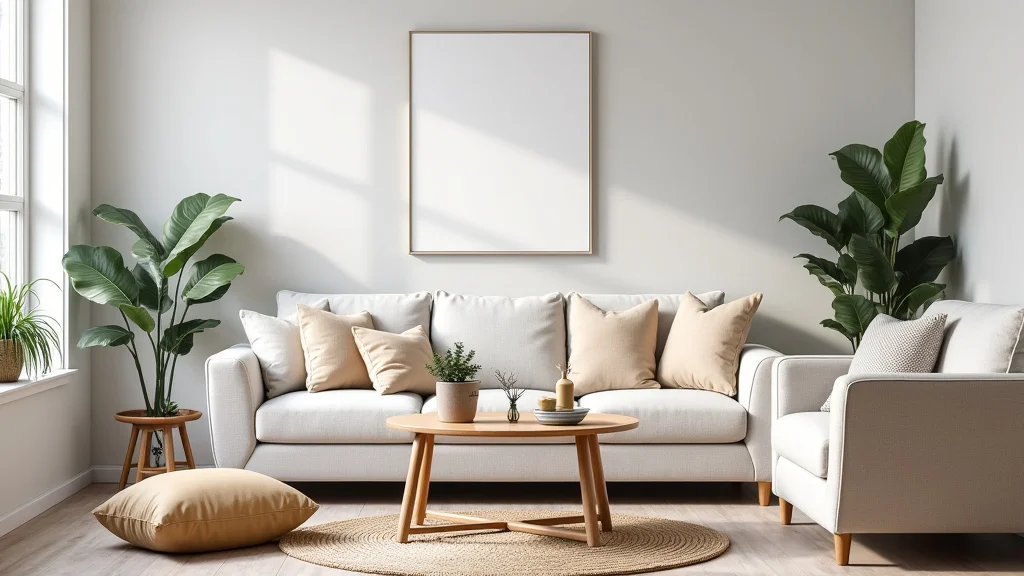
The desire for tranquil and comfortable spaces continues to shape interior design. Expect to see an increase in cozy textures, such as plush throws, soft rugs, and luxurious fabrics. These elements will be combined with carefully chosen furnishings to create a serene environment. Minimalism will evolve, moving beyond starkness to embrace warmer, more inviting aesthetics. It’s about creating a space that feels uncluttered and simple but still offers warmth and personality. This combination will make homes welcoming sanctuaries.
The Rise of “Cocooning”
Cocooning is the trend of creating safe, nurturing spaces where people can escape from the stresses of daily life. It involves enveloping interiors in comfort, using soft textures, muted colors, and ambient lighting to foster relaxation. Think oversized sofas, blankets you can sink into, and window treatments that filter light gently. This aesthetic is designed for comfort, helping transform any home into a refuge. It is about crafting rooms where you truly want to spend time.
- Tactile Textures: Embrace materials like boucle, velvet, and shearling for furniture and accents. These elements invite touch, adding layers of sensory appeal.
- Soft Color Palettes: Use a palette of neutral tones with warm undertones. These can include off-whites, gentle grays, and soft beiges. These colors create a calming atmosphere.
- Ambient Lighting: Combine different light sources, like floor lamps and table lamps, with dimmable bulbs. This creates an atmosphere that you can adjust to your needs.
- Personal Touches: Integrate elements like family photos, handcrafted items, and items that carry personal significance. This helps the space feel less impersonal.
Minimalism Reimagined
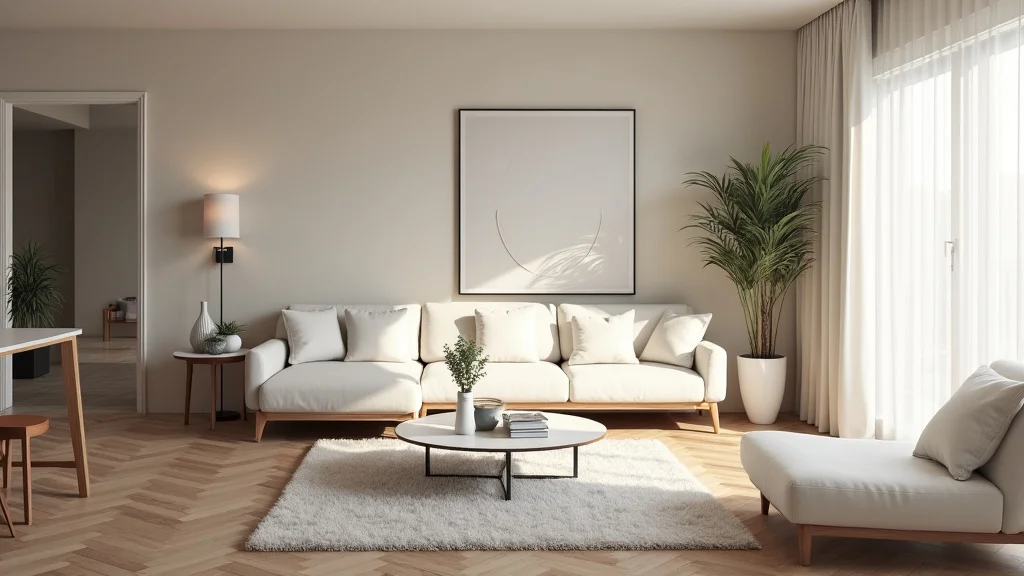
Minimalism is not vanishing but is becoming more flexible. Expect it to incorporate a focus on high-quality materials, sustainable choices, and carefully curated décor pieces. This approach prioritizes functionality and aesthetics, ensuring that every element in the space serves a purpose. It also allows for personalization, which means that minimal spaces do not have to be bland. A well-executed minimalist design is a statement of refinement and intentionality.
- Quality over Quantity: Invest in well-made, long-lasting furniture and décor items. Prioritize the quality of your purchases over the number of items.
- Sustainable Materials: Opt for furniture made from recycled materials, sustainably sourced wood, and organic textiles. This decision is good for your home and the environment.
- Functional Design: Ensure that every item in your home has a practical purpose. This includes built-in storage solutions and flexible furniture.
- Strategic Decoration: Add art and decorative items that reflect your personality. Be selective about what you include, making sure each item enhances the overall design.
Color Stories and Material Choices in Home Design
Color has a big effect on mood and setting in a home. In 2025, there will be a shift toward palettes that are both inviting and inspiring. This involves combining colors in a way that feels natural, with materials that offer both beauty and functionality. The goal is to develop spaces that feel calm, connected, and personalized to those who live in them. The colors and materials you choose can make a big difference in the style and comfort of your home.
Earthy Tones and Natural Palettes
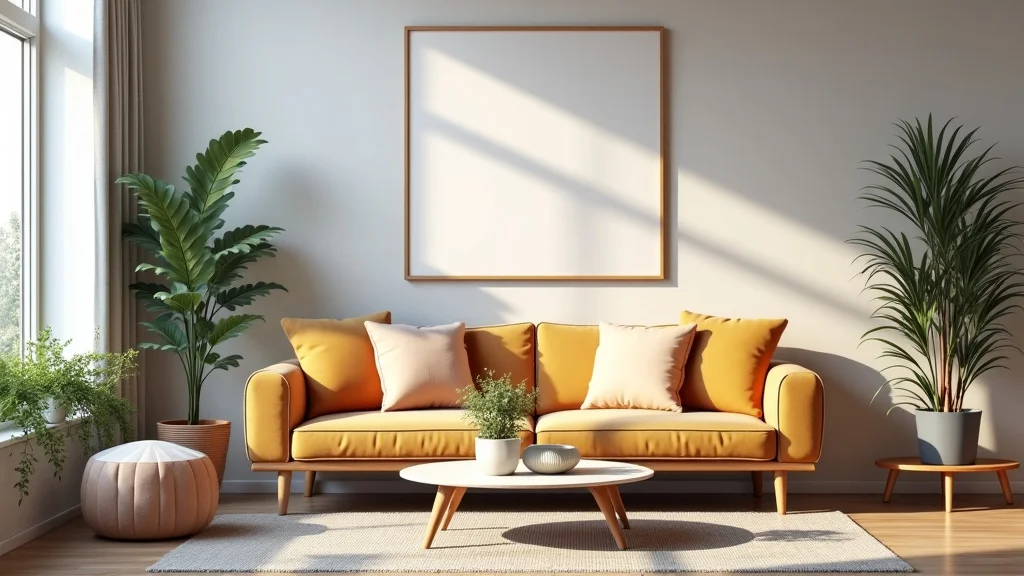
Expect to see earthy tones dominating interior design. These include shades of warm browns, soft greens, and natural beiges. These colors evoke a sense of connection with nature and promote feelings of peace and balance. Pair these colors with wood, stone, and other natural materials to bring the outside in. The goal is to make a space that feels warm, inviting, and connected to the natural world. These tones are versatile, working well in both traditional and modern settings.
- Terracotta and Clay: Use terracotta tiles, clay-colored walls, or ceramic accents. These add warmth and character to any space.
- Eucalyptus and Sage: Incorporate these shades in your paint colors, fabric choices, and decorative items. These colors create a calming and fresh environment.
- Natural Wood: Include wooden furniture, flooring, and accents. Use wood with natural finishes to highlight its beauty and grain patterns.
- Textural Stone: Include stone elements like marble, slate, or limestone. These provide depth and a tactile experience.
Bold Accent Colors
While natural tones will be key, expect pops of accent colors to add contrast and vibrancy. Think of deep blues, rich burgundies, and shades of emerald green. These colors can be used in furniture, art, or decorative accessories to provide focal points and visual interest. Using bolder colors in a measured way can greatly improve the overall design. When used carefully, bold colors enhance the design and show a sense of personality.
- Sapphire Blue: Use sapphire blue on accent walls, in art pieces, or in fabric upholstery. It adds a sense of sophistication and depth.
- Burgundy: Integrate burgundy through textiles, like throws, pillows, or velvet chairs. It brings warmth and richness.
- Emerald Green: Include emerald green in decorative items like vases, cushions, or artwork. It adds a touch of luxury and freshness.
- Contrast with Neutrals: Pair bold accent colors with a neutral base, such as white, gray, or beige. This balance ensures the accent colors pop without overpowering the space.
Material Innovations and Sustainable Choices
Expect a push toward materials that are both beautiful and good for the environment. Sustainable materials, such as reclaimed wood, recycled glass, and organic fabrics, will be critical. Innovations in material science are also leading to the development of new, eco-friendly options. The focus is on materials that minimize environmental impact while improving aesthetics. These materials can improve the look and sustainability of your home.
- Reclaimed Wood: Use reclaimed wood for flooring, furniture, and wall paneling. This reduces waste and adds a unique, rustic feel.
- Recycled Glass: Incorporate recycled glass in countertops, tiles, or decorative items. This provides a sustainable alternative to traditional materials.
- Organic Fabrics: Choose organic cotton, linen, and hemp for upholstery, curtains, and bedding. These materials are better for your health and the environment.
- Bioplastics: Integrate bioplastics into decorative items. These materials are made from renewable resources.
Sustainability and the Future of Home Decor Styles for 2025
Sustainability is no longer a trend but a requirement in the home decor styles for 2025. Homeowners want eco-friendly design practices and materials. This involves reducing waste, minimizing environmental impact, and choosing products that are made responsibly. The goal is to create beautiful and functional spaces that have a positive effect on the planet. This includes using materials, design methods, and energy systems to reduce environmental impact. Doing so can make your home more environmentally friendly.
Eco-Friendly Materials
Using materials that are good for the environment is at the core of sustainable design. This includes choosing renewable, recycled, and low-emission materials. Look for products that have certifications. These choices reduce waste and environmental damage. The focus on eco-friendly materials helps create spaces that are stylish and better for the environment.
- Bamboo: Bamboo is a fast-growing, renewable material that can be used for flooring, furniture, and décor. It is strong and visually appealing.
- Recycled Plastics: Use recycled plastics for furniture and accessories. This reduces plastic waste and gives these materials a second life.
- Low-VOC Paints: Choose paints with low or no volatile organic compounds (VOCs). These paints reduce indoor air pollution and are better for your health.
- Certified Wood: Pick wood certified by organizations like the Forest Stewardship Council (FSC). This certifies that the wood comes from responsibly managed forests.
Energy-Efficient Solutions
Energy-efficient solutions will become a standard part of home design. This involves using energy-efficient appliances, lighting, and insulation. Solar panels, smart thermostats, and energy-efficient windows can greatly reduce energy consumption and costs. These changes make your home more comfortable, save money, and have a positive impact on the environment. Embracing energy-efficient solutions improves both your living space and the planet.
- LED Lighting: Swap out traditional light bulbs with LED bulbs. LEDs use less energy and last much longer.
- Smart Thermostats: Install smart thermostats that can learn your habits and adjust the temperature. They will save energy by automatically adjusting.
- Energy-Efficient Appliances: Choose appliances with high Energy Star ratings. These appliances use less energy and can reduce your utility bills.
- Insulation: Make sure your home is well-insulated, including walls, ceilings, and floors. Good insulation helps maintain a comfortable temperature.
Waste Reduction and Circular Design
Design is moving away from the “take-make-dispose” model toward a circular economy. This means reducing waste, reusing materials, and designing products that can be recycled. This includes selecting furniture and décor made to last, choosing pieces with timeless styles, and buying used items or vintage pieces. Waste reduction and circular design are important for protecting the environment and supporting the growth of sustainable practices.
- Durable Furniture: Invest in furniture made from high-quality materials. Select pieces that are designed to last for years.
- Upcycling and Refurbishing: Give old items a new life by upcycling or refurbishing them. This includes repainting old furniture or repurposing items into new decor.
- Vintage and Secondhand: Add vintage and secondhand items to your décor. This reduces the demand for new products and adds character to your home.
- Modular Furniture: Choose modular furniture that can be reconfigured. This extends the life of your furniture.
The Role of Technology and the Smart Home
Technology is set to play a larger role in how we design and experience our homes. Smart home technology is integrating seamlessly into our living spaces, making them more convenient, efficient, and personalized. From automated lighting and climate control to advanced security systems, technology is improving home design.
Smart Home Integration
Smart home integration makes homes more comfortable and easier to manage. This involves using smart devices to control lighting, temperature, and security. Voice control is also becoming more popular. This creates a more connected and efficient living environment. This can simplify daily tasks, provide improved security, and improve energy efficiency.
- Automated Lighting: Install smart lighting systems that you can control from your phone. These systems let you adjust the brightness and color.
- Smart Thermostats: Use smart thermostats that learn your preferences and adjust the temperature. You can save energy.
- Voice Control: Integrate voice assistants such as Google Assistant or Amazon Alexa. You can control appliances and lighting by voice command.
- Smart Security Systems: Use smart security systems, including cameras and sensors, for added safety and convenience. You can monitor your home.
Personalization and Customization
Technology allows for a great deal of customization in home design. This lets homeowners adapt their space to meet their specific needs and preferences. Personalized lighting scenarios, customized entertainment systems, and adaptable furniture are becoming increasingly popular. The home can reflect individual tastes and lifestyle choices. This promotes a more personal and rewarding living experience.
- Custom Lighting: Install lighting systems that allow you to adjust the color temperature and brightness. This allows for a customized experience.
- Smart Entertainment: Integrate smart TVs, sound systems, and media streaming. This improves your entertainment experience.
- Adaptable Furniture: Incorporate furniture with built-in technology, such as charging stations and adjustable features. This furniture is built to meet your needs.
- 3D Printing: Use 3D printing to create custom décor and furniture pieces. You can personalize your décor.
The Impact on Aesthetics
Technology impacts the aesthetics of homes by enabling more sleek and minimalist designs. The integration of smart devices often involves hidden wiring and streamlined interfaces. Clean lines, minimalist aesthetics, and integrated technology are defining modern interior design. This blend of form and function leads to a home that is both beautiful and functional.
- Concealed Wiring: Hide wiring for a cleaner look. Smart home technology helps to simplify the design.
- Integrated Systems: Integrate smart devices and systems directly into the design. This creates a seamless appearance.
- Minimalist Design: Embrace minimalist design to reduce clutter and make smart technology more noticeable. This creates a modern aesthetic.
- Touchscreen Interfaces: Use touchscreens and voice control to control smart devices. This improves user experience.
The Fusion of Art, Craft, and Personal Expression
The interior design is moving toward a greater focus on art, crafts, and self-expression. Homes are becoming places to show personal style through unique pieces and custom designs. This blend of artistry and personality transforms spaces from basic living areas into reflections of individual personalities. This enhances the emotional connection people have with their spaces.
Handcrafted and Artisan Pieces
The demand for handcrafted and artisan-made pieces will continue to grow. These items have a unique character and tell a story. This includes ceramics, textiles, and furniture that are individually made by artisans. This move supports local artists and adds character. The value of artisan pieces grows with their personal touch. These touches make a room feel unique.
- Ceramics: Use handmade pottery and ceramic pieces. These include vases, bowls, and decorative items.
- Textiles: Integrate textiles, such as handwoven rugs, tapestries, and cushions, into your design. These pieces add texture.
- Furniture: Use handcrafted furniture. These pieces have unique details and reflect individual craftsmanship.
- Support Local Artists: Find and support local artists. This adds unique artwork to your home.
Personalized Spaces
Home design is becoming more personalized. This means creating spaces that reflect individual tastes, interests, and lifestyles. This involves incorporating custom artwork, personal collections, and items that have special meaning. Your home becomes a true reflection of your personality. It makes your space more comfortable and uniquely yours.
- Custom Artwork: Use custom artwork, including paintings, sculptures, and murals. These express your individuality.
- Collections: Display your personal collections, such as books, records, or travel souvenirs. These items provide insight into who you are.
- Family Heirlooms: Integrate family heirlooms. These add a touch of history and sentiment.
- Photographs: Use photographs to personalize your space. These photographs can tell stories.
The Revival of Craftsmanship
The interest in craftsmanship is growing. This is a return to traditional techniques, with an emphasis on quality and skill. This includes woodwork, metalwork, and other handcrafted items. Expect to see these elements throughout homes. Craftsmanship provides beauty and quality. These elements can make a room feel special.
- Woodwork: Use detailed woodworking elements, such as custom cabinetry. These show the beauty of craftsmanship.
- Metalwork: Incorporate metalwork, such as lighting fixtures. These pieces add a touch of artistry.
- Textile Arts: Use textile arts, such as embroidery and weaving, to add texture and detail. These techniques emphasize tradition.
- Local Artisans: Support local artisans and craftspeople. This allows you to find items for your home.
Common Myths Debunked
Myth 1: Trendy Designs Are Always Expensive
Many assume that following the latest trends demands a big budget. However, you can incorporate trends on any budget. You can focus on budget-friendly decor ideas, such as changing your accessories or repainting an accent wall, to get a fresh look without spending a fortune. Websites such as Pinterest and Instagram offer many suggestions to make your place look stylish.
Myth 2: Minimalism Means Empty and Cold Spaces
Some believe minimalism equals a cold, uninviting aesthetic. In reality, minimalist design is about focusing on high-quality items and open spaces. You can add warmth and personality with carefully chosen décor pieces and soft textures to create a cozy, welcoming setting. The right lighting and use of natural materials can also prevent the space from appearing sterile.
Myth 3: Sustainable Design Is Less Stylish
Many believe sustainable decor sacrifices aesthetics. In fact, eco-friendly design now combines beauty with responsibility. Designers and manufacturers are coming up with stylish, sustainable options that are both visually appealing and kind to the environment. The focus is on materials and designs that can last for years and still look great. Many homes prove that sustainability can be a stylish choice.
Myth 4: Dark Colors Make a Small Space Smaller
This is not always true. While light colors can make a space feel bigger, dark colors can add depth and coziness, especially if well-lit. Dark colors can also make a room appear larger if used strategically. Combine dark hues with light accents. This creates contrast and interest. Proper lighting is essential. It will brighten the dark colors and prevent the space from feeling cramped.
Myth 5: You Must Completely Redecorate to Update Your Home
The idea of a full remodel is often perceived as necessary for refreshing a home. You can update your home with minor changes. Changing the layout of your furniture or adding a new color scheme can significantly refresh your decor. Switching out accessories, such as pillows and throws, or updating artwork can also bring a fresh aesthetic to your space. You don’t have to start from scratch.
Frequently Asked Questions
Question: What colors will be popular in home decor?
Answer: Earthy tones like terracotta, sage green, and natural beiges will be popular. Expect accent colors like sapphire blue and emerald green to provide contrast and excitement.
Question: How can I make my home more sustainable?
Answer: Choose eco-friendly materials such as bamboo, recycled plastics, and low-VOC paints. Implement energy-efficient solutions and consider waste reduction.
Question: How can I integrate technology into my home design?
Answer: Install smart home devices like automated lighting, smart thermostats, and smart security systems. Consider voice control for added convenience.
Question: What is “cocooning” in interior design?
Answer: Cocooning is creating safe spaces. It involves using soft textures, muted colors, and ambient lighting to foster relaxation and comfort.
Question: How do I choose furniture that is built to last?
Answer: Choose furniture made from high-quality materials. Consider choosing pieces with timeless styles and investing in pieces designed to last for years.
Final Thoughts
The home decor styles for 2025 reflect a deeper shift toward comfort, sustainability, and personal expression. From embracing earthy palettes and sustainable materials to integrating smart home technology and celebrating craftsmanship, these trends highlight the importance of creating homes that are both functional and meaningful. You now have the knowledge and tools to bring these concepts to life. Don’t be afraid to experiment with new ideas and tailor them to your personal style. Embrace the beauty of sustainable design, the elegance of minimalist approaches, and the warmth of handcrafted elements. By taking on these ideas, you can build a living space that will be a stylish, welcoming space for years to come. Now, it’s time to start planning your perfect home design!