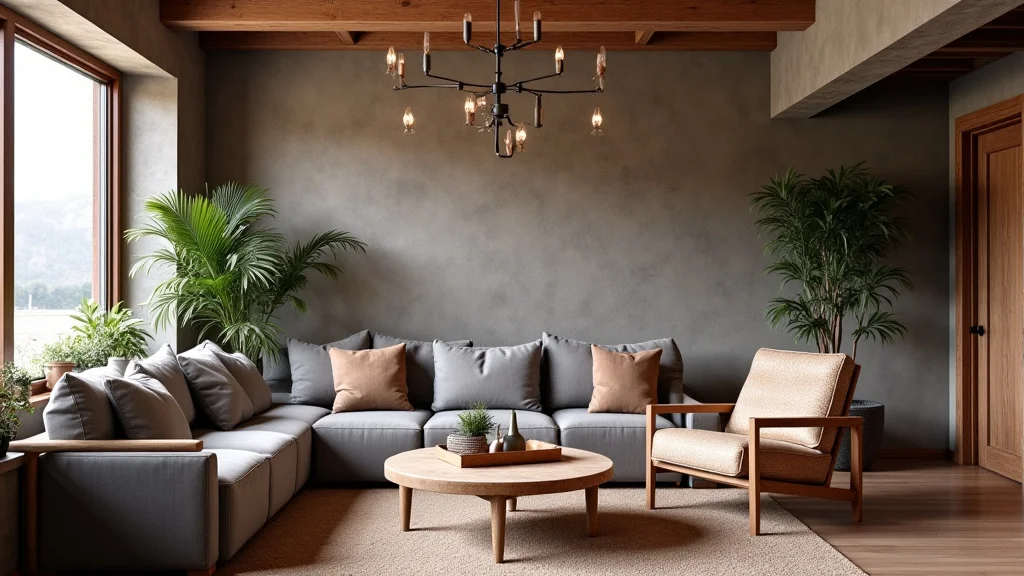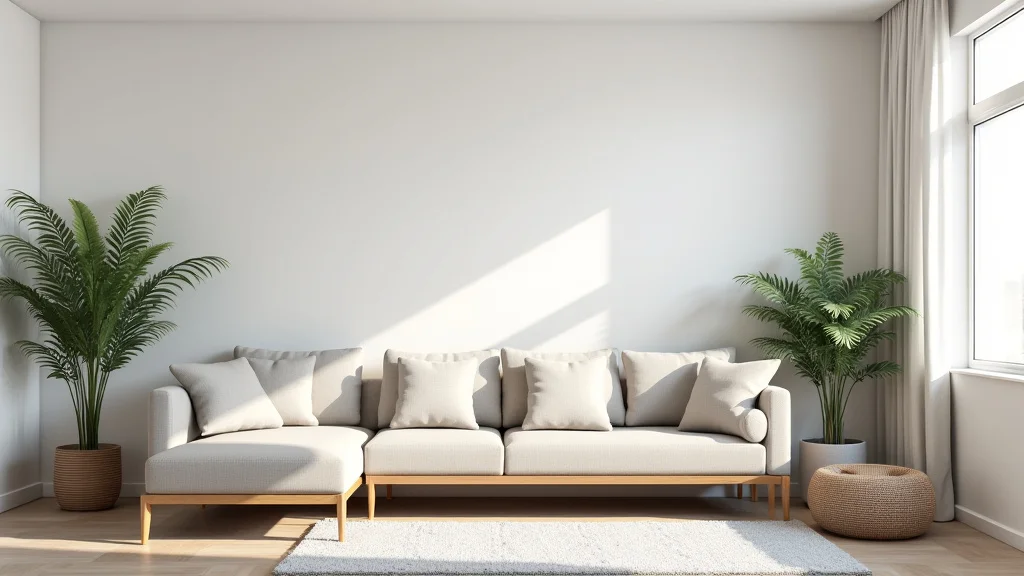
Remember that time you tried to repaint your living room, only to realize you had absolutely no idea where to start? Finding the right home interior decor ideas can feel overwhelming, especially with so many options. You might find yourself staring blankly at paint swatches or endlessly scrolling through social media, unsure how to translate inspiration into reality. This guide is designed to transform that overwhelm into excitement. We’ll explore practical strategies and inspiration to help you create a beautiful and functional space you’ll love. You’ll gain valuable knowledge on how to select colors, arrange furniture, and incorporate accessories to enhance your home. Let’s make your dream space a reality.
Key Takeaways
- Discover how to choose the right color palette to transform your home.
- Learn effective furniture arrangement techniques for optimal flow and functionality.
- Explore various lighting options and how they impact the ambiance of your rooms.
- Find out how to choose and display artwork and accessories to personalize your space.
- Understand the importance of incorporating different textures to add visual interest.
- Get inspiration for various home interior decor ideas to fit your personal style and preferences.
Color Palette Selection for a Harmonious Interior
Choosing the right color palette is the foundation of any successful home interior decor project. Colors have a significant impact on our mood and how we experience a space. Think about a room you’ve entered and instantly felt calm or energized; the color scheme likely played a crucial role. Selecting the ideal colors involves considering the size of your room, the amount of natural light, and the overall style you want to achieve. Don’t worry, even if you are not a professional interior designer, it’s not as difficult as you think.
Understanding Color Psychology and Its Impact
Color psychology is the study of how colors affect human behavior and emotions. Different colors evoke different feelings, so understanding this can help you create the desired atmosphere. For example, blue often creates a sense of tranquility and calm, making it suitable for bedrooms and bathrooms. Green is associated with nature and serenity, promoting relaxation. Red, on the other hand, is a bold color that can evoke excitement and energy, making it great for dining rooms or areas where you want to promote social interaction. Yellow is known for its cheerfulness and can brighten a space, making it a good choice for kitchens or home offices.
- Blue: Creates a sense of peace and tranquility, ideal for bedrooms and bathrooms.
- Green: Symbolizes nature and promotes relaxation and calm.
- Red: Evokes excitement and energy, suitable for social areas.
- Yellow: Associated with cheerfulness and can brighten a space, making it suitable for kitchens.
- White: Creates a sense of space and cleanliness.
When selecting a color, consider its impact on the room’s function and the mood you want to create. This knowledge will guide your selection process and helps you choose colors that best represent your style and preferences. Start by gathering inspiration. Look at magazines, websites, and social media to find color schemes that appeal to you. Take note of the colors used in rooms you like and see how they work together. Create a mood board to collect your ideas and visualize the colors. Finally, test the colors in your space before committing by painting small areas or using color swatches.
The Art of Color Combinations and Schemes
Once you understand color psychology, the next step is selecting colors that complement each other. There are several popular color schemes you can use. Monochromatic schemes use variations of a single color, creating a cohesive and elegant look. Analogous schemes use colors that are next to each other on the color wheel, creating a harmonious and relaxing atmosphere. Complementary schemes use colors opposite each other on the color wheel, creating a vibrant and energetic space. And finally, you can consider neutral schemes which are versatile and easy to change to match your mood.
- Monochromatic: Variations of a single color, e.g., light blue walls, darker blue accents, and navy blue furniture.
- Analogous: Colors next to each other on the color wheel, e.g., blue, green-blue, and green.
- Complementary: Colors opposite each other, e.g., blue and orange, red and green.
- Neutral: Relying on whites, blacks, grays, and browns for a versatile base.
When choosing a color scheme, think about how you want the space to feel. For a calm and relaxing bedroom, you might choose an analogous scheme with blues and greens. If you want a more energetic dining room, a complementary scheme with red and green could work well. Another thing you might want to consider is the amount of light in the room. Lighter colors can make a room feel more spacious and bright, while darker colors can make a room feel cozier and more intimate. Remember to balance the colors. Use a dominant color for the walls, then incorporate accent colors through accessories, furniture, or artwork.
Testing and Implementation in Your Home
Before committing to a full-scale painting project, test your chosen colors in the space. Lighting plays a significant role in how colors appear, and what looks great in a store might look different in your home. Purchase paint samples and paint small areas on your walls. Observe the colors at different times of the day and under different lighting conditions (natural sunlight, artificial light). This test will help you see how the colors change and ensure you are happy with the results. Also, consider the existing elements in the room, such as furniture, flooring, and artwork. These elements should complement your chosen color scheme.
- Sample Colors: Purchase small paint samples and test them on your walls.
- Observe in Different Light: View the colors at different times of the day.
- Consider Existing Elements: Ensure your color scheme complements the other design elements.
- Use Color Swatches: Collect and compare color swatches to find the perfect match.
After testing and observation, it’s time to implement your color scheme. Start with the walls, as they are the largest surface area. Then, incorporate accent colors through furniture, accessories, and artwork. For example, if you chose a neutral wall color, such as gray, you could add pops of color with a red sofa, green cushions, and a yellow rug. If you feel hesitant about painting walls, start with smaller projects, such as painting an accent wall or repainting furniture. It’s a great way to experiment with colors before fully committing. Keep in mind that you can change the look of a room simply by changing the accessories. So, even if you are not sure about a color, it’s easy to make changes down the road.
Furniture Arrangement for Functionality and Flow
Effective furniture arrangement is essential for creating a comfortable and functional living space. How you arrange your furniture can significantly impact the room’s flow, how it feels, and its overall functionality. Consider the purpose of the room, the size and shape of the space, and the existing features, such as windows and doors. The arrangement should be practical and aesthetically pleasing, offering a space that meets your daily needs.
Assessing Space and Layout
Before moving any furniture, assess the space you are working with. Measure the room to determine its dimensions. This will allow you to plan how the furniture fits. Note the location of doors, windows, and any architectural features, like fireplaces or built-in shelves. These elements will influence how you position your furniture. Consider the room’s function: Is it a living room, dining room, bedroom, or home office? The function will dictate the type and number of furniture pieces you need. For example, a living room might need a sofa, chairs, a coffee table, and entertainment unit, while a dining room requires a table, chairs, and perhaps a buffet.
- Measure the Room: Obtain the dimensions to understand the available space.
- Note Architectural Features: Identify windows, doors, fireplaces, and built-ins.
- Determine Room Function: Establish the purpose of the room and necessary furniture.
- Map Out the Layout: Sketch the room to plan furniture placement.
Sketching the room’s layout can help you visualize different furniture arrangements before moving anything. Use graph paper or online tools to create a scaled drawing. You can experiment with different layouts by drawing the furniture to scale and moving it around on your sketch. This is also an excellent moment to make sure everything you need fits, and it is a great way to see if there are any obstacles or areas that might cause issues. A well-planned layout can maximize space, enhance traffic flow, and create a comfortable and inviting atmosphere. Remember to consider the proportions of your furniture. Avoid overcrowding the room by selecting pieces that are appropriately sized for the space.
Arrangement Techniques and Considerations
There are several techniques to guide your furniture arrangement. One common technique is to create a focal point. This could be a fi
- Create a Focal Point: Position furniture to highlight a key feature, such as a fireplace.
- Define Zones: Use rugs and furniture to separate different functions within the room.
- Ensure Easy Traffic Flow: Leave walkways of at least 3 feet wide for easy movement.
- Balance the Space: Use symmetrical or asymmetrical arrangements to create visual harmony.
Also, prioritize traffic flow. Ensure that there are clear pathways throughout the room, avoiding obstacles. Leave at least three feet of space for walkways. Consider the balance of the space when arranging the furniture. A symmetrical arrangement, where furniture is placed on either side of a central axis, can create a sense of order and formality. An asymmetrical arrangement can create a more relaxed and casual feel. Remember that furniture arrangements are not permanent. Experiment with different layouts until you find one that works for you. You can always change the arrangement if it does not fit your needs.
Tips for Different Room Types
Different rooms require specific furniture arrangement strategies. In the living room, focus on creating a comfortable seating arrangement. Place the sofa and chairs to encourage conversation. Use a coffee table within easy reach of the seating and consider a rug to anchor the area. In the dining room, ensure enough space around the dining table for people to move comfortably. Center the table under a light fixture, and provide enough space between the chairs and the wall. In the bedroom, position the bed as the focal point, away from direct sunlight and noisy areas, and leaving enough space for movement around the bed.
- Living Room: Create a comfortable seating arrangement with a conversational setup.
- Dining Room: Ensure enough space around the table for easy movement.
- Bedroom: Position the bed as the focal point, away from direct sunlight.
- Home Office: Position your desk near a window and create a separate work zone.
For a home office, place your desk near a window for natural light and set up a separate work zone. In small spaces, you can use multifunctional furniture, such as a sofa bed or a storage ottoman, to maximize space. Utilize vertical space by adding shelves or tall cabinets. Remember to regularly evaluate your furniture arrangement to make sure it still meets your needs as your lifestyle changes. Sometimes a simple adjustment can significantly improve the function and appearance of a room. Your interior will be more functional and comfortable if you select the correct furniture and arrange it effectively.
Lighting and Its Impact on Ambiance
Lighting is a fundamental aspect of home interior decor, affecting the ambiance and functionality of every room. Proper lighting enhances the aesthetics of a space and impacts our mood. Choosing the right lighting involves understanding different light sources and how to use them to create layers of illumination. By incorporating various lighting techniques, you can transform a room and highlight the features you want to emphasize.
Types of Lighting: Functionality and Style
There are three main types of lighting, and each serves a different function: ambient, task, and accent lighting. Ambient lighting, or general lighting, provides overall illumination for the room. This could come from ceiling fixtures, chandeliers, or wall sconces. Task lighting is designed for specific activities, such as reading, cooking, or working. It includes desk lamps, under-cabinet lights, and pendants over kitchen islands. Accent lighting is used to highlight specific features, such as artwork, architectural details, or decorative objects. It includes spotlights, track lighting, and picture lights.
- Ambient Lighting: Provides general illumination, such as ceiling fixtures or chandeliers.
- Task Lighting: Designed for specific activities, like desk lamps or under-cabinet lights.
- Accent Lighting: Highlights specific features, such as artwork or architectural details.
- Layered Lighting: Combining all types of lighting for optimal functionality and aesthetics.
Each type of lighting plays a key role in designing a well-lit space. Ambient lighting creates a foundation of general illumination, ensuring the room does not feel too dark. Task lighting is essential for activities that require focused light, making it easier to work or perform specific tasks. Accent lighting is used to add drama and showcase your décor, adding visual interest and depth to the room. Use a combination of all three types of lighting to create a layered effect. You can start by setting up ambient lighting, followed by adding task lighting where needed, and then using accent lighting to highlight the details. This approach creates a balanced and visually appealing look.
Choosing the Right Light Fixtures
The selection of light fixtures plays a significant role in both functionality and style. The type of fixture you choose should complement the room’s design and serve its intended purpose. Consider the style, size, and location of the fixture. For ambient lighting, chandeliers and flush-mount fixtures are popular choices. For task lighting, desk lamps and pendant lights are commonly used. For accent lighting, spotlights and track lighting can highlight specific objects. Also, the size of your light fixtures is important. A large chandelier might be appropriate for a spacious dining room, while a small table lamp would work better in a cozy bedroom.
- Consider Style and Design: Choose fixtures that complement your overall décor.
- Evaluate Size and Placement: Ensure the fixture is proportional to the space.
- Select Energy-Efficient Options: Use LED bulbs for energy savings.
- Mix and Match Fixtures: Combine different types of fixtures for a layered effect.
When selecting light fixtures, consider the style of your space. Do you have a modern, rustic, or traditional home? Choose light fixtures that are aligned with the overall aesthetic. The materials and finishes of your light fixtures can have a significant impact on your décor. For example, metallic finishes can add a touch of elegance, while rustic wooden fixtures create a warm and inviting atmosphere. Always consider energy efficiency. LED bulbs are a great option because they use less energy and last longer. The ability to control the lighting is essential for setting the mood. Consider using dimmers to adjust the brightness levels and create a personalized lighting experience.
Lighting Techniques and Tips
Various lighting techniques can be used to improve your interior design. Layering your lights is one of the most effective strategies. Combining different types of lighting ensures that the space is well-lit and visually appealing. For example, you can combine ambient lighting from a ceiling fixture with task lighting from a desk lamp and accent lighting from a picture light. In addition to layering, consider how light can change the perception of space. In smaller rooms, using light-colored walls and bright light fixtures can make the space feel larger. In larger rooms, you can create a cozy atmosphere with warmer light and strategically placed accent lights.
- Layer Lighting: Combine different types of lighting for a balanced effect.
- Use Light to Alter Perception: Lighter colors and more light can enlarge a space.
- Highlight Architectural Features: Use lighting to showcase architectural details.
- Incorporate Smart Lighting: Use smart bulbs and systems for easy control.
Consider highlighting architectural features with lighting. Use spotlights to showcase a unique architectural detail or artwork. Strategically placed lights can also emphasize the texture of the walls. You can use sconces or uplighting to create a dramatic effect. Consider the role of natural light, and maximize the light throughout the space. Position furniture to benefit from the natural light, and use sheer curtains to filter the light. For control and convenience, consider smart lighting systems. These allow you to control your lights from your smartphone, adjust the brightness, and schedule on-off times.
Artwork and Accessories: Adding Personality and Style
After you have set the foundation with color, furniture, and lighting, the next step is adding accessories and artwork, which add personality and style to your home. Accessories and art are the details that give the space a personal touch and make it feel like your own. They can transform a basic room into a curated haven that reflects your taste and interests.
Selecting and Displaying Artwork
Artwork is an excellent way to express your style. Selecting artwork requires careful consideration of the size, style, and subject matter. First, consider the size of the artwork and how it will fit in the space. Oversized pieces can make a statement, while smaller pieces are better for creating a gallery wall. Consider the style of the artwork and its relationship with the design of your room. Does your room have a modern, minimalist, or traditional vibe? The artwork should complement the overall aesthetic. Consider the colors in the artwork and how they fit with your color scheme.
- Consider Size and Scale: Choose artwork that fits the proportions of the space.
- Match the Style: Ensure artwork complements the room’s design.
- Use Color to Your Advantage: Integrate the artwork’s color scheme with the room’s color scheme.
- Select Subject Matter: Find artwork with personal meaning.
After selecting your artwork, the way you display it makes a big difference. Consider the location and arrangement of the artwork. When displaying artwork, think about the layout. A gallery wall is an excellent way to group multiple pieces, creating a personalized display. You can also hang a single large piece as a focal point. Use proper hanging techniques to secure your artwork. Measure the space and use levels to ensure that your artwork is hanging straight. The height at which you hang the artwork is essential. The general rule is to hang artwork at eye level. This provides an optimal viewing experience.
Choosing and Arranging Accessories
Accessories are the finishing touches that bring a room together. Choosing and arranging the right accessories can add personality and charm to your space. Consider items such as throw pillows, blankets, vases, sculptures, and decorative objects. When selecting accessories, select items you love and that reflect your interests. Choose items that add color, texture, and interest to your space. If you’re decorating a minimalist space, choose a few carefully curated accessories rather than cluttering the space. The materials and textures of your accessories add visual interest. Consider using various materials, such as metal, wood, glass, and textiles.
- Choose Items You Love: Select accessories that reflect your interests and style.
- Consider Texture: Integrate accessories with different textures.
- Balance and Group: Arrange accessories in balanced groups.
- Rotate Accessories: Change accessories seasonally to keep the space fresh.
Arranging your accessories in a visually appealing way is essential. Start by creating balance in your space. Group items in odd numbers, such as three or five objects, because it looks more visually pleasing. Another option is to create vignettes by grouping items of different sizes, shapes, and textures, creating a visual story. You can place the vignettes on a shelf, a console table, or a coffee table. Another option is to rotate your accessories seasonally. This will keep the space fresh and interesting. You can use different accessories, such as fall-themed decorations or seasonal throws, to make sure the space reflects the current time of the year.
Personalizing Your Space
One of the main objectives of home interior decor ideas is personalizing your space to make it feel like your own. This involves incorporating elements that reflect your passions and lifestyle. Display items that are meaningful to you, such as family photos, travel souvenirs, or items you have collected over the years. This adds a layer of depth and personal history to your home. Make sure your space also aligns with your lifestyle. If you love reading, consider adding a comfortable reading nook with a bookshelf and a cozy chair. If you love to cook, create a well-organized kitchen with everything you need.
- Display Personal Items: Include family photos and travel souvenirs.
- Reflect Your Lifestyle: Create spaces that support your daily activities.
- Incorporate Collections: Showcase your hobbies and interests.
- Add Greenery: Bring in plants to add life and freshness.
Consider bringing in greenery to your space. Plants add life, color, and freshness to any room. Choose plants that match your space and your ability to care for them. Also, use textures and patterns to add depth and interest. Combine different textures, such as linen, velvet, and wood, to create a sense of visual depth. Use patterns through throw pillows, rugs, and artwork to add personality and style. Remember, your home is a reflection of your personality and interests. By incorporating meaningful items and personal touches, you can create a space that is both stylish and meaningful.
Texture, Patterns, and the Role They Play
Incorporating texture and patterns can significantly improve the design and aesthetics of your home, adding depth, visual interest, and a sense of luxury. These elements can transform a basic room into an inviting, layered space. They provide an opportunity to add personality and complement the basic foundation of color, furniture, and lighting.
The Importance of Texture in Design
Texture refers to the surface quality of a material, whether it is rough, smooth, soft, or hard. Incorporating a variety of textures can prevent a space from appearing flat or dull, making it more visually appealing and tactile. Imagine walking into a room with only smooth surfaces; it would feel cold and sterile. Conversely, a room with a range of textures feels more dynamic and inviting. Textures add depth and create a more sensory experience, making the space more engaging.
- Adds Visual Interest: Prevents a room from feeling flat or dull.
- Creates a Tactile Experience: Enhances the sensory experience.
- Adds Depth and Dimension: Makes a space feel more layered and interesting.
- Balances Design Elements: Helps to harmonize different elements within a space.
Consider the contrast of textures when designing your space. Combine rough textures with smooth ones, hard materials with soft ones, and natural textures with manufactured ones. For instance, you could pair a sleek, leather sofa with a plush, wool rug or a raw wooden coffee table with a soft velvet cushion. These contrasts create visual interest. You can integrate textures through various elements, such as fabrics, rugs, and furniture. A woven throw blanket, a textured wall, or a natural stone fireplace can all add a layer of texture to your space.
Integrating Patterns for Visual Interest
Patterns are repeating designs, adding visual interest and personality to a room. Patterns can come in various forms, from geometric shapes to floral prints and abstract designs. They help to break up the monotony of solid colors and add a sense of movement and energy. Patterns, like textures, can contribute to the overall aesthetic of your home, and using them successfully is one of the important home interior decor ideas to understand. The use of patterns offers an opportunity to inject individuality and character into your interior design.
- Adds Personality: Injects personality and character into the space.
- Creates Visual Movement: Breaks up monotony.
- Complements Color Schemes: Helps to connect the color scheme.
- Creates Focal Points: Draws attention to specific areas.
When incorporating patterns, balance is essential. Mixing different patterns can create a dynamic and interesting space. However, it’s also important to avoid overwhelming the room. To achieve balance, start by selecting a base pattern and then adding one or two more complementary patterns. Make sure that patterns share some common colors or design elements to create cohesion. Integrate patterns through different elements such as wallpaper, rugs, curtains, and cushions. A patterned wallpaper can add a bold statement to a room. A patterned rug can anchor a seating area. Curtains and cushions also allow you to add subtle or vibrant patterns.
Techniques for Using Texture and Patterns
Creating a cohesive design involves the strategic use of textures and patterns. Start by assessing your space and determining the overall style. Consider the existing elements, such as the color palette and furniture, and then decide how to incorporate textures and patterns that enhance the design. When mixing textures and patterns, use the principle of balance. If you’re using a bold pattern, pair it with more neutral textures. This will prevent the space from feeling too busy. Conversely, if you have a neutral space, you can add texture and pattern through accessories like throw pillows, artwork, or rugs.
- Assess Your Space: Evaluate existing elements.
- Use Balance and Harmony: Pair bold patterns with neutral textures.
- Layer Textures and Patterns: Combine them throughout the space.
- Create Focal Points: Use them to draw attention to specific areas.
Layering textures and patterns can add depth and complexity to your interior design. Incorporate different textures and patterns throughout the room to create a more dynamic space. You can layer a patterned rug under a solid-colored sofa and add patterned throw pillows and a textured throw blanket. Consider the scale of your patterns. Use large-scale patterns for larger items, such as curtains or wallpaper, and smaller-scale patterns for smaller items, like cushions. This creates a visual rhythm. Using texture and patterns together can create a stylish and comfortable space. With careful planning and consideration, you can create a design that reflects your style and enhances the functionality of your home.
Common Myths Debunked
Myth 1: You Need to Spend a Lot of Money for Great Decor
The misconception that achieving a stylish interior requires a high budget is untrue. Beautiful spaces can be created without breaking the bank. There are many ways to decorate your home affordably. This includes thrifting for unique finds, DIY projects, and repurposing existing furniture. Online marketplaces and consignment stores are good options for finding furniture at a fraction of the cost.
Myth 2: Small Spaces Can’t Be Stylish
Many people think that small spaces are limited. This is untrue. In fact, small spaces can be exceptionally stylish and functional if they are well-designed. The key is to optimize space and select the right furniture and accessories. Multipurpose furniture, such as a sofa bed or storage ottoman, helps maximize space. Light and bright color palettes and strategic lighting create the illusion of spaciousness.
Myth 3: Matching Everything Creates the Best Look
The idea that all furniture must match to create a great look is a common misconception. In reality, a more dynamic and interesting space is often created by mixing styles, textures, and finishes. The key is to find balance and create cohesion by using a common color palette or style. Don’t be afraid to combine different pieces.
Myth 4: Following Trends Is the Only Way to Decorate
While staying updated on design trends can be inspiring, you don’t have to follow them to create a great design. True style comes from creating a space that reflects your personality and meets your needs. Choose decor that you love and that complements your lifestyle. Focus on creating a timeless design that you will love for years to come.
Myth 5: You Can’t Mix and Match Different Design Styles
The idea that design styles need to be kept separate is untrue. Mixing different design styles can create a unique and personalized space. The key is to find common elements that tie the styles together. This could be a color palette, a shared texture, or an overall aesthetic. By carefully selecting pieces from different styles, you can create a space that is both visually appealing and reflects your individuality.
Frequently Asked Questions
Question: How do I choose the right color palette?
Answer: Start by considering the size and lighting of the room. Choose colors that evoke the mood you want to create and experiment with color schemes like monochromatic, analogous, and complementary. Test paint samples before committing.
Question: What is the best way to arrange furniture?
Answer: Assess your space and determine the function of the room. Create a focal point, define zones, ensure easy traffic flow, and arrange furniture in a way that encourages conversation and functionality.
Question: How do I incorporate texture and patterns?
Answer: Incorporate a variety of textures and patterns to add depth and visual interest. Mix different patterns, and layer textures to create a dynamic space. Use patterns to create a balance.
Question: What are the main types of lighting?
Answer: The three main types of lighting are ambient, task, and accent lighting. Ambient lighting provides general illumination, task lighting is for specific activities, and accent lighting highlights features.
Question: How can I personalize my home décor?
Answer: Display personal items, reflect your lifestyle, incorporate collections, and add greenery to your space. Choose décor that reflects your interests and brings you joy.
Final Thoughts
Exploring home interior decor ideas involves the careful selection of colors, the thoughtful arrangement of furniture, and the strategic use of lighting, artwork, and accessories to create a space that is both stylish and functional. By understanding the impact of color psychology, experimenting with furniture layouts, and integrating textures and patterns, you can design a space that reflects your personality. The goal is to develop a place that fits your needs and brings you joy. This post gives you a foundation for transforming your home. Begin by analyzing your space, gathering inspiration, and experimenting with various elements until you’ve created a space you love. Remember that your home is a reflection of you; make it beautiful, practical, and uniquely yours.