Ever walked into a friend’s house and felt instantly at peace, while another’s left you feeling a little overwhelmed? That’s the power of home decor design styles. It’s more than just choosing furniture; it’s about crafting an atmosphere that reflects your personality and how you want to feel in your space. This post will help you explore the various design aesthetics, understand their unique characteristics, and discover how to incorporate them into your own home. You’ll gain valuable insights to confidently create a stylish and functional living space. By the end, you’ll be able to identify different home decor design styles and make informed decisions that align with your taste and needs.
Key Takeaways
- Learn about the key characteristics of popular home decor design styles.
- Discover how to identify and define your personal design preferences.
- Gain practical tips for incorporating different styles into your home.
- Understand the importance of functionality and how it relates to different design approaches.
- Explore the materials, colors, and textures commonly used in various styles.
- Find inspiration and ideas to create a cohesive and visually appealing home environment.
Unveiling the Spectrum of Home Decor Design Styles
The landscape of interior design is vast, offering a multitude of approaches to transform a house into a home. Each style has its unique blend of elements, from colors and textures to furniture and accessories. A deep exploration of these variations is essential to discover your personal favorites. This detailed overview will guide you through some of the most prominent home decor design styles, equipping you with the knowledge to make informed decisions for your living space and create a home that truly reflects your taste and lifestyle.
Modern Design: Clean Lines and Functional Spaces
Modern design is characterized by its simplicity and focus on functionality. Think clean lines, uncluttered spaces, and a neutral color palette. The emphasis is on practicality and avoiding unnecessary ornamentation. The furniture is often minimalistic, with sleek shapes and a focus on essential elements. Materials like steel, glass, and concrete are frequently used, creating a sense of openness and airiness. Modern design prioritizes a straightforward, efficient, and visually balanced environment. It’s about creating a space that feels calm, organized, and conducive to a contemporary lifestyle.
- Focus on simplicity and functionality: prioritize essential pieces over decorative clutter.
- Embrace neutral color palettes: utilize whites, grays, and blacks, incorporating pops of color sparingly.
- Choose sleek furniture with clean lines: opt for pieces with minimal ornamentation and a focus on form.
- Incorporate materials like steel, glass, and concrete: embrace a modern aesthetic with industrial touches.
- Maximize natural light: make windows the focal point.
Minimalist Approach: Less Is More
Minimalist design takes the modern approach even further, embracing the idea of “less is more.” Spaces are stripped down to their bare essentials, with an emphasis on decluttering and creating a sense of spaciousness. Furnishings are kept to a minimum, and each item serves a specific purpose. Colors are usually limited to a few neutral tones, and accessories are kept to a minimum. The goal is to create a serene and calming environment where the focus is on simplicity and functionality. This approach requires careful editing and a commitment to only keeping items that are truly essential and loved.
- Prioritize decluttering and organization: embrace the concept of reducing possessions.
- Utilize a very limited color palette: stick to neutrals and add a single, defining color.
- Select multi-functional furniture: pick pieces that serve multiple purposes to save space.
- Embrace empty space: avoid filling every corner with objects.
- Focus on natural light and airy spaces: keep windows uncluttered and open.
Scandinavian Style: Hygge and Functionality
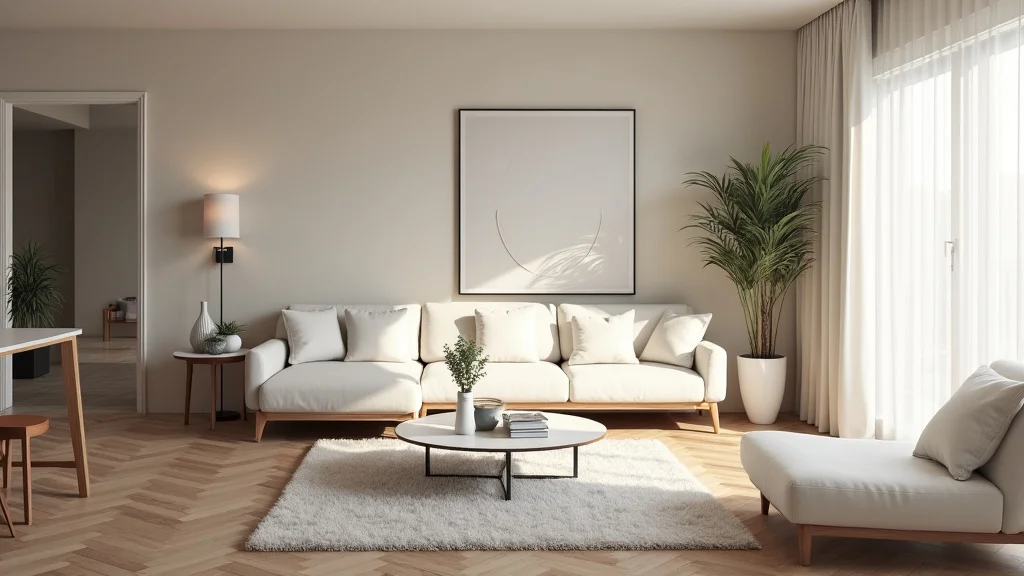
Scandinavian design is known for its warmth, simplicity, and emphasis on functionality and light. It focuses on creating a cozy and inviting atmosphere, often described by the Danish word “hygge,” which means coziness. The style incorporates natural materials like wood, wool, and linen, along with a bright, airy color palette. It’s a design that celebrates natural light and a connection to the outdoors. The furniture is usually practical and comfortable, designed to enhance the quality of life within the home. The design often emphasizes accessibility and an inviting environment.
- Use natural materials: incorporate wood, wool, and linen for texture and warmth.
- Embrace a light and airy color palette: use whites, creams, and light grays to maximize light.
- Incorporate cozy textiles: add blankets, throws, and cushions to create a comfortable atmosphere.
- Focus on functionality and practicality: choose furniture that serves multiple purposes.
- Add plants and natural elements: bring the outdoors in to enhance the connection to nature.
Bohemian Design: Free Spirit and Global Influences
Bohemian design, or boho, is all about self-expression and embracing a free-spirited lifestyle. It’s a style that welcomes a mix of patterns, textures, and colors, often drawing inspiration from global cultures. There are no rules, and the design is all about creating a unique and personal space. It often features layered textiles, vintage finds, and handmade items. Plants are also an essential element, bringing life and vibrancy to the space. Boho is for those who love to travel, collect treasures, and create a space that reflects their individual personality.
- Embrace a mix of patterns, colors, and textures: don’t be afraid to combine different styles.
- Incorporate vintage and antique finds: source unique pieces to add character.
- Use layered textiles: add throws, cushions, and rugs to create a cozy feel.
- Add plants and greenery: bring life and vibrancy to the space with an array of plants.
- Express personal style: let your individuality shine through your decor.
Exploring Popular Home Decor Design Styles
This section explores other notable design styles, showcasing their unique characteristics. From the rustic charm of farmhouse aesthetics to the sleek, sophisticated feel of contemporary, each approach offers a particular way to personalize a living space. By exploring these styles, you can expand your design knowledge and find inspiration for your own home decor projects.
Rustic Style: Warmth, Nature, and Imperfection
Rustic design emphasizes natural elements and embraces the beauty of imperfection. Think of exposed wood beams, reclaimed furniture, and a warm, inviting atmosphere. This style often uses a neutral color palette with accents of earthy tones. The focus is on creating a cozy and welcoming space, inspired by the outdoors. Rustic design leans towards a feeling of authenticity and comfort. It’s a great choice for those who appreciate natural materials and a lived-in, comfortable aesthetic, providing a sense of grounding and connection to the natural world.
- Use natural materials: incorporate wood, stone, and other organic elements.
- Embrace a neutral color palette: utilize earthy tones like browns, greens, and creams.
- Incorporate reclaimed furniture: add character with pieces that show signs of wear and tear.
- Add cozy textiles: use blankets, throws, and cushions made from natural fibers.
- Focus on creating a warm and inviting atmosphere: create a relaxed, comfortable space.
Farmhouse Design: Cozy and Charming
Farmhouse style is known for its cozy and inviting atmosphere, drawing inspiration from rural life. It often features a mix of vintage and modern elements, creating a charming and welcoming space. White walls, wood accents, and comfortable furnishings are all hallmarks of this style. It is all about creating a functional, comfortable, and visually pleasing environment. Farmhouse design uses natural materials, neutral colors, and touches of vintage decor. This design has a timeless appeal and a warmth that makes it a perfect choice for those seeking a comfortable, livable home.
- Embrace a neutral color palette: utilize whites, creams, and soft grays to create a clean backdrop.
- Incorporate wood accents: use wood for flooring, furniture, and decorative elements.
- Add vintage and antique finds: source unique pieces to add character and charm.
- Use comfortable furnishings: choose pieces that are both stylish and practical.
- Incorporate natural elements: add plants, flowers, and other natural touches.
Coastal Style: Fresh, Airy, and Relaxed
Coastal design is all about bringing the beachy vibe to your home. It embraces a light, airy, and relaxed atmosphere with a color palette inspired by the ocean. Think blues, whites, and sandy tones. The style often features natural materials like linen, cotton, and wood. The overall effect is a space that feels fresh, clean, and inviting, like a vacation getaway. Coastal design is ideal for creating a peaceful and serene environment. It is about creating a space that feels calm, casual, and connected to the sea.
- Embrace a light and airy color palette: use blues, whites, and sandy tones.
- Incorporate natural materials: use linen, cotton, and wood for a coastal touch.
- Add nautical accents: use shells, starfish, and other coastal-themed decor.
- Use comfortable furnishings: choose pieces that are both stylish and practical.
- Maximize natural light: make windows a key part of the design.
Contemporary Design: Trending and Evolving
Contemporary design is always evolving, reflecting the current trends and styles. It often features clean lines, a minimalist approach, and a focus on functionality. The style is not tied to any specific historical era but instead embraces the latest innovations in design and technology. The color palettes can vary, but they often include neutral tones with pops of color. Contemporary design is about creating a stylish and modern space that meets current needs. This design is constantly shifting, so research is important to stay current.
- Embrace current trends: stay up-to-date with the latest developments in interior design.
- Focus on clean lines and a minimalist approach: select furniture and decor.
- Use a versatile color palette: include neutral tones with pops of color.
- Incorporate modern art and decor: add visual interest with contemporary pieces.
- Maximize natural light: make windows central to the design.
Choosing the Right Design Style for Your Space
Selecting the ideal home decor design style depends on your personal preferences, the functionality of your space, and the overall atmosphere you want to create. This selection is a personal matter, and the goal should be to create an environment that feels both comfortable and reflective of your individuality. Consideration of several elements, including color palettes, furnishing arrangements, and the incorporation of natural elements, can assist you in reaching your decision. The goal is to build an environment that you find genuinely enjoyable and where you feel most at peace.
Assessing Your Personal Preferences
Defining your taste is the initial step in choosing a home decor design style. Start by asking yourself what colors, textures, and styles you are drawn to. Collect inspiration from magazines, websites, and social media platforms like Pinterest and Instagram. Create a mood board to visually represent the elements that appeal to you. Consider your existing wardrobe, the styles of artwork or photography you enjoy, and the atmosphere you wish to experience in your home. This process helps establish your preferences, informing your design decisions and creating a space you’ll genuinely love. Understanding your personal style can create a design that speaks to your tastes.
- Create a mood board: collect images and inspiration from various sources.
- Identify your favorite colors and textures: consider your preferences.
- Assess your existing belongings: identify pieces you love and want to incorporate.
- Consider the atmosphere you want to create: think about how you want to feel in your space.
- Review your lifestyle: pick a style that fits your everyday routine.
Considering Functionality and Practicality
While design is important, don’t ignore the functional aspects of your living space. Consider how you use each room and what activities take place there. Select furniture and layouts that meet your lifestyle. When selecting a home decor design style, think about the layout, storage needs, and the demands of everyday living. Focus on comfort and convenience, particularly if children or pets are part of the equation. This practical viewpoint guarantees that your design will not only look stunning but also meet your daily requirements, turning your home into a useful and comfortable retreat.
- Assess your needs: consider how you use each room and what activities take place there.
- Choose furniture and layouts that meet your lifestyle: prioritize comfort and convenience.
- Think about storage needs: incorporate solutions to keep your space organized.
- Consider the size and layout of your space: adapt your style accordingly.
- Prioritize practicality: choose durable materials and easy-to-clean surfaces.
Blending Styles and Creating Cohesive Spaces
You don’t have to stick to one single design style. Many successful designs blend aspects from several styles to create a truly unique aesthetic. Blending styles offers versatility and the opportunity to reflect your unique personality. Focus on consistency through color palettes, textures, and common design elements. This process takes practice and experimentation. By carefully combining design styles, you can create a home that showcases your personality while maintaining a well-organized and unified design. This balance between varied elements creates a harmonious and visually interesting area.
- Choose a common element: pick a color, texture, or pattern to tie different styles together.
- Balance the elements: ensure there’s a balance of old and new elements.
- Experiment with layering: use a blend of textiles and accessories to create interest.
- Prioritize a cohesive feel: make sure the overall design feels integrated.
- Find a focal point: guide your design decisions with a central point of interest.
Materials, Colors, and Textures in Home Decor
The selection of materials, colors, and textures is essential in defining the design and feel of any living space. These details combine to make a space feel complete and convey the personality of its inhabitants. Understanding the impact of each element can help you create a cohesive and visually pleasing home that reflects your style. Whether you are using natural materials, soothing colors, or a variety of textures, these options are essential to creating your desired environment.
Selecting Materials: Wood, Metal, and More
The materials you select for your home decor design styles have a significant impact on its aesthetic and feel. Wood offers warmth and versatility, available in a variety of grains and finishes. Metal adds a modern edge and can be used in furniture, lighting, or decorative accents. Natural stone, such as marble or granite, offers a luxurious and durable option, while fabrics add softness and texture. Consider your design style when making these selections. The careful selection of materials is an important part of creating a cohesive and visually appealing home, setting the tone for each room in your house.
- Consider the durability and maintenance needs of each material: select materials that are well-suited to the demands of your home.
- Wood: adds warmth and natural beauty.
- Metal: adds a modern edge.
- Natural stone: adds a touch of luxury.
- Fabric: offers a wide range of texture, color, and pattern.
- Consider sustainability: seek out eco-friendly and reclaimed materials.
Choosing Color Palettes: Creating Harmony
Colors profoundly affect mood and aesthetics. A well-chosen color palette is essential to creating a cohesive design. The correct color scheme should mirror your personal preferences and the atmosphere you wish to create. Neutral colors, such as white, gray, and beige, provide a versatile foundation and enable the incorporation of accents in other colors. Monochromatic schemes are elegant and seamless, while complementary colors provide contrast and visual interest. Carefully evaluating these options can enhance the overall design of your home, and creating a comfortable and aesthetically pleasing living space.
- Understand color theory: learn about the relationships between colors.
- Choose a base color: select a main color to set the tone.
- Incorporate accent colors: add pops of color for visual interest.
- Consider the mood you want to create: select colors that evoke the desired feelings.
- Test your color choices: view your colors in different lighting conditions.
Incorporating Textures: Adding Depth and Interest
Textures have the ability to bring depth and interest to any space. By incorporating various textures, you can create a more visually rich and inviting atmosphere. Consider adding soft textures like velvet or fur, or embrace rougher textures such as wood or stone. Consider a range of textures, from smooth to rugged, to increase visual interest. Use tactile experiences to create a welcoming and engaging interior. These texture selections help produce a balanced and appealing home design.
- Use a variety of textures: combine soft, rough, smooth, and patterned textures.
- Incorporate textiles: use blankets, pillows, and rugs.
- Add natural textures: use wood, stone, and woven materials.
- Consider tactile elements: create a space that’s pleasant to touch.
- Balance textures: be careful not to overwhelm the space with too many competing textures.
Common Myths Debunked
Myth 1: You Need to Spend a Fortune on Home Decor.
Reality: You can create a stylish home without spending a lot of money. Thrift stores, flea markets, and online marketplaces offer fantastic deals on furniture and decor. DIY projects and upcycling old items can also save you money and add a unique touch to your home. Creative resourcefulness and smart shopping can achieve amazing results on a budget. The most important thing is to focus on your style and find solutions that fit your budget.
Myth 2: Small Spaces Must Be Decorated in a Minimalist Style.
Reality: While minimalist styles can work well in small spaces, they aren’t the only option. Small spaces can be styled in several ways, and personal preferences must determine style selection. Using light colors and maximizing natural light are more critical than adopting any specific style. A small space can be functional and enjoyable, regardless of the design approach.
Myth 3: You Have to Match Everything Perfectly.
Reality: A cohesive design doesn’t depend on perfectly matching everything. In fact, a bit of diversity is more interesting. The key is to find balance and to keep a common theme throughout your house. Mixing different design components will generate a more unique and eye-catching environment. Embracing diversity can give your space more personality and originality.
Myth 4: Following Trends Is Always a Good Idea.
Reality: While it can be fun to experiment with trends, basing your entire design on them can lead to a home that quickly feels dated. Focus on your personal preferences and incorporate trends thoughtfully. Invest in timeless pieces that reflect your style and add trends as accents. Building your design around your individuality will result in a more lasting and meaningful space.
Myth 5: All Design Styles Are Difficult.
Reality: Many design styles can be simple to execute with some effort. Each style can be adapted to your preferences and skill level. Explore multiple styles and select the elements that resonate with you. Start with minor changes and gradually improve your abilities. With research and persistence, anyone can decorate their home effectively.
Frequently Asked Questions
Question: How do I measure a room for interior design?
Answer: Measure the length and width of each room, then sketch it. Note the placement of doors and windows.
Question: What is the best way to choose paint colors?
Answer: Test paint samples on your walls and consider the natural lighting in the space.
Question: How do I create a focal point in a room?
Answer: Choose a single item, like a fireplace or a large piece of art, and arrange the other elements around it.
Question: How can I decorate on a budget?
Answer: Use what you have, repurpose old furniture, and visit thrift stores for unique finds.
Question: How can I make my small space feel bigger?
Answer: Use light colors, mirrors, and keep the space organized to create the illusion of more space.
Final Thoughts
The journey through home decor design styles is a voyage of self-expression and creative exploration. From the sleek lines of modern design to the cozy charm of farmhouse aesthetics, each style provides a distinct canvas to reflect your individuality. Knowing these characteristics will allow you to make the ideal decisions for your house and develop a space that expresses your identity. It’s about developing an environment that truly reflects your character and how you want to experience the space. Experiment, adapt, and do not be afraid to create a unique and personal haven. Embrace the design process; your ideal living space is waiting.