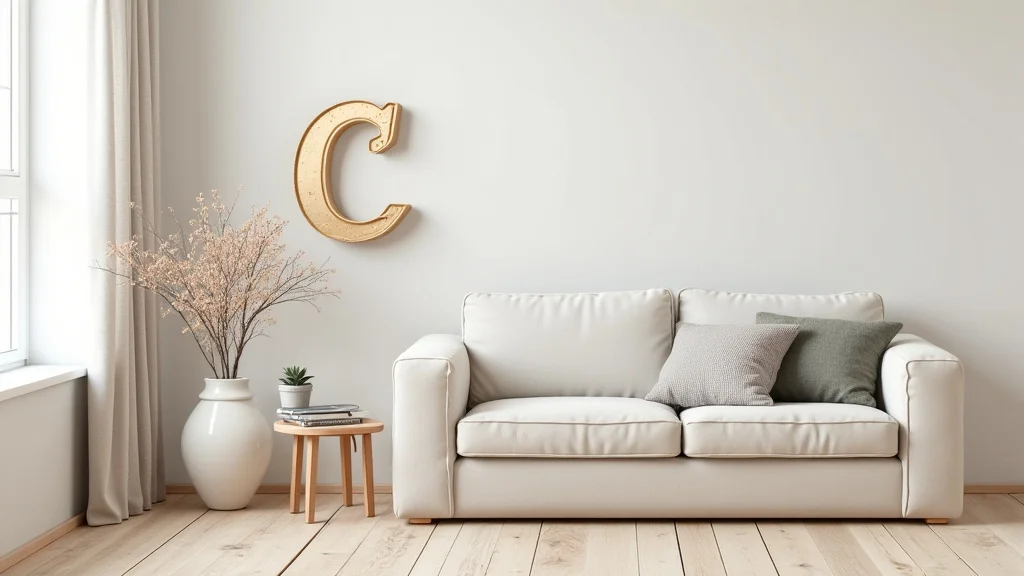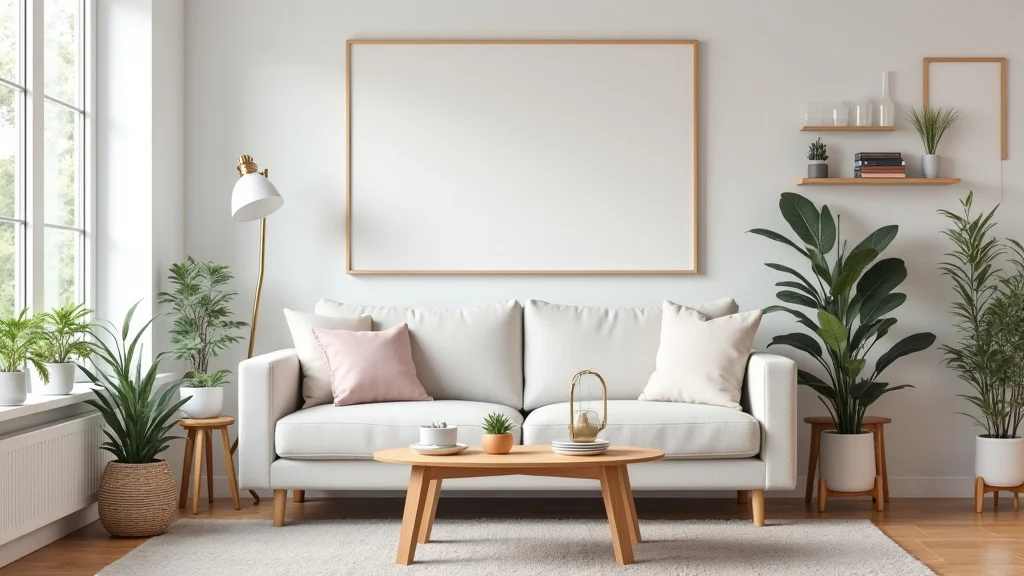
Remember that time you spent hours scrolling through Instagram, completely overwhelmed by the sheer variety of home designs? You wanted to update your living room, but all the different styles made you feel lost. It’s a common feeling! Trying to find the perfect look for your home can be exciting but tough when you’re faced with endless options. This guide will help you sort through the chaos and find a list of home decor styles that resonates with your personality. You’ll gain a deeper appreciation for the many ways you can design your living space. By the end, you’ll be able to confidently identify and describe various design aesthetics, leading you closer to creating your dream home and helping you find the perfect list of home decor styles for your needs.
Key Takeaways
- You’ll discover a diverse range of interior design styles, from classic to contemporary.
- You’ll learn about the defining characteristics of each design aesthetic.
- You’ll gain insight into incorporating different styles into your own home.
- You’ll understand the key elements like color palettes, furniture, and accessories.
- You’ll get inspiration and ideas to create a cohesive and visually appealing space.
- You’ll learn how to choose a style that best matches your lifestyle and tastes.
Exploring the World of Home Decor Styles
The beauty of interior design lies in its incredible diversity. There’s a style to suit every taste, personality, and home. Whether you’re drawn to the clean lines of modern design or the cozy comfort of farmhouse style, the possibilities are endless. This exploration will show you how to identify and appreciate various design aesthetics. This will help you to refine your personal preferences and start building your perfect home. From traditional to eclectic, discover the elements that define each aesthetic and learn how to begin your design journey.
Understanding the Foundation of Design
Every home decor style rests on certain fundamental principles. These principles encompass elements such as space, form, line, light, color, and texture. Space refers to the areas within a room, while form relates to the shapes and volumes of objects. Lines can be horizontal, vertical, or diagonal, shaping the visual flow. Light, both natural and artificial, influences mood. Color and texture add depth and interest. Each element plays a crucial role in creating the overall feel of a design. To explore the world of design, let’s explore these basic building blocks.
- Space: Careful consideration of the space available is critical when selecting a home design style. Consider open versus closed layouts.
- Form: The shape and structure of furniture and decorative elements define the aesthetic. Modern styles might feature sleek, geometric shapes.
- Line: Use of lines will guide the eye and direct visual flow. For example, a minimalist design will include straight, clean lines.
- Light: Lighting will greatly influence the atmosphere. Think about natural and artificial lighting.
- Color: Color palettes determine the mood and character of the space. Consider what emotions certain colors bring.
Key Elements of a Cohesive Design
Achieving a cohesive look depends on bringing together various elements. Furniture, flooring, and wall colors should complement each other. Accessories, like artwork and throw pillows, should add personality. When choosing furniture, consider size and proportion to fit the space. Flooring options significantly impact the room’s feel. Wall colors will set the backdrop for the entire design. Using these different elements will help you create a unified space. Combining these details properly is what will transform your house into your home.
- Furniture Selection: Pick items that complement the chosen design aesthetic and the room’s layout. Consider functionality and style.
- Color Palette: Colors create the mood. Choose colors that work with the style and your personality.
- Textures and Patterns: Combine different textures and patterns. Don’t be afraid to experiment with them.
- Accessories: Use decorative items like pillows, artwork, and mirrors. These will add personality.
Classic and Timeless Home Decor Styles
Some styles have been around for a long time and still remain popular. These classic styles offer a sense of comfort, elegance, and enduring appeal. They frequently focus on tradition, quality, and sophistication. From the warmth of traditional to the grace of Victorian design, these styles bring a sense of history to your home. Discover the distinctive features of each style and consider how they can bring charm and refinement into your own living space.
Traditional Style
Traditional style embraces timeless elegance and comfort. It often features rich colors, ornate details, and symmetrical arrangements. Furniture is usually substantial, crafted from dark wood, and upholstered in luxurious fabrics. Accessories like antique mirrors, and patterned rugs complete the look. Traditional design prioritizes a sense of formality and balance, creating an inviting and refined atmosphere. The emphasis is on classic furniture, elegant color palettes, and balanced compositions.
- Color Palette: Rich, warm hues such as deep reds, greens, and golds.
- Furniture: Dark wood furniture with curved lines and detailed carvings.
- Fabrics: Luxurious fabrics such as velvet, silk, and damask.
- Accessories: Antique mirrors, ornate picture frames, and detailed table lamps.
Victorian Style
Victorian decor represents a lavish approach to design, characterized by ornate details, opulent fabrics, and a sense of grandeur. Common features include elaborate furniture, such as carved chairs and velvet sofas, and layered textiles. Walls frequently feature patterned wallpaper. Accessories such as antique clocks, decorative mirrors, and heavy curtains add to the rich, layered aesthetic. This style highlights the extravagance and attention to detail that were hallmarks of the Victorian era. Victorian style is known for its ornate details and luxurious textures.
- Color Palette: Deep, jewel-toned colors such as burgundy, emerald green, and sapphire blue.
- Furniture: Ornate furniture with intricate carvings and dark finishes.
- Fabrics: Luxurious fabrics like velvet, brocade, and damask with rich patterns.
- Accessories: Antique clocks, decorative mirrors, and heavy draperies.
Modern and Contemporary Home Decor Styles
Modern and contemporary styles reflect a sense of simplicity, innovation, and streamlined aesthetics. Modern design emphasizes functionality and clean lines, with a focus on natural light and open spaces. Contemporary design embraces current trends, incorporating minimalist designs, bold colors, and unconventional materials. From the sleek elegance of modern design to the evolving nature of contemporary style, these designs promote a fresh and stylish way of life. Learn about the key features that define each style and how to incorporate them into your home.
Modern Style
Modern design features clean lines, a neutral color palette, and minimal ornamentation. Furniture often has simple geometric shapes, such as rectangular sofas and boxy chairs, and is typically made from materials like wood, metal, and glass. The focus is on function. Open layouts, large windows, and an uncluttered environment create a sense of spaciousness. Modern design promotes functionality and simplicity. The overall effect is sophisticated and practical.
- Color Palette: Neutral colors such as white, gray, and beige with pops of color.
- Furniture: Clean-lined furniture with geometric shapes and simple designs.
- Materials: Wood, metal, glass, and concrete.
- Accessories: Minimal accessories such as geometric artwork and sleek metal lamps.
Contemporary Style
Contemporary design represents current trends and is constantly evolving. It often uses a neutral color palette. Bold artwork and sculptural furniture, along with experimental materials, are frequently used to create a look that is both stylish and up-to-date. Contemporary style focuses on what is fresh and new. It’s a versatile style that can integrate different design elements and create unique spaces.
- Color Palette: Neutral colors with bright pops of bold hues.
- Furniture: Modern furniture with unique shapes and designs.
- Materials: Mix of different materials like metal, glass, and wood.
- Accessories: Modern artwork, sculptural pieces, and sleek lighting fixtures.
Rustic and Farmhouse Home Decor Styles
Rustic and farmhouse designs celebrate the beauty of natural materials and a sense of warmth. These styles emphasize comfort, simplicity, and a connection to nature. Rustic design highlights raw materials like wood and stone, while farmhouse design focuses on a cozy, inviting atmosphere with a mix of vintage and new elements. Both styles prioritize a relaxed way of life. These styles are the perfect choice if you like a cozy, inviting space. Discover how to incorporate their features into your house.
Rustic Style
Rustic design incorporates natural, rough-hewn materials and a focus on nature. The design style often uses wood, stone, and other natural elements. Furniture is often made from reclaimed wood or other materials, creating a sense of history. Color palettes generally include warm, earthy tones. Rustic homes focus on bringing nature indoors and creating a cozy, relaxed atmosphere. The goal is to bring the outside in.
- Color Palette: Warm, earthy tones such as browns, greens, and creams.
- Furniture: Reclaimed wood furniture, such as large dining tables and wooden chairs.
- Materials: Wood, stone, and other natural materials.
- Accessories: Woven baskets, wrought iron, and rustic pottery.
Farmhouse Style
Farmhouse design creates a warm, inviting atmosphere with a mix of vintage and new elements. It often features neutral color palettes. Furniture is usually comfortable, with a mix of old and new pieces. Decor frequently includes vintage finds, such as antique signs, and natural textures. Farmhouse style focuses on a practical, welcoming space. This style has a down-to-earth aesthetic that makes any house feel like home.
- Color Palette: Neutral colors such as white, cream, and gray, with pops of color.
- Furniture: Comfortable, functional furniture with a mix of old and new.
- Textures: Linen, cotton, and woven fabrics.
- Accessories: Vintage finds, such as antique signs and galvanized metal.
Bohemian and Eclectic Home Decor Styles
Bohemian and eclectic styles offer a sense of freedom and individuality. These styles encourage personal expression and embrace a mix of different cultures, patterns, and colors. Bohemian design features a relaxed and carefree feel, while eclectic design combines a wide range of styles to create a unique and personalized space. Both styles celebrate creativity and individuality, allowing you to create a home that is truly your own. Discover how to incorporate these styles into your home.
Bohemian Style
Bohemian, or “boho”, style embraces a relaxed, free-spirited vibe. It often incorporates rich colors, patterns, and textures. Furniture tends to be comfortable, with layered textiles. Decor includes items collected from different cultures. Boho design is all about self-expression and embracing a sense of adventure. A well-designed boho space reflects an artistic and carefree aesthetic.
- Color Palette: Rich, vibrant colors, such as jewel tones, mixed with earthy hues.
- Furniture: Comfortable, low-to-the-ground furniture, such as floor cushions and poufs.
- Fabrics: Layered textiles, such as patterned rugs, tapestries, and embroidered pillows.
- Accessories: Global-inspired decor, such as macramé wall hangings, and travel souvenirs.
Eclectic Style
Eclectic design is about mixing different styles, periods, and elements to create a unique space. It often includes a variety of patterns, colors, and textures, creating a space that feels collected over time. Furniture ranges from modern to vintage. Accessories add visual interest and create a sense of personality. Eclectic style emphasizes individuality and the enjoyment of mixing and matching different pieces to create a cohesive whole. This style shows creativity.
- Color Palette: No rules. Experiment with different colors and patterns.
- Furniture: Mix of different styles and periods, from antique to modern.
- Textures: Mix of different textures, from velvet to metal.
- Accessories: Personal treasures, such as artwork, books, and souvenirs.
Coastal and Scandinavian Home Decor Styles
Coastal and Scandinavian designs offer simplicity and a connection to nature, but from different viewpoints. Coastal design is inspired by the ocean. It often includes light, airy spaces and nautical themes. Scandinavian design focuses on minimalism, functionality, and a connection to nature. Both styles prioritize comfort and a sense of calm. Discover the distinguishing characteristics of each style and how to incorporate them in your home.
Coastal Style
Coastal design evokes a relaxed, seaside feeling, often featuring light, airy spaces and natural light. It frequently incorporates a neutral color palette with blues and greens. Furniture tends to be comfortable and practical. Decor includes nautical elements such as seashells and rope accents. Coastal spaces create a sense of calm and evoke feelings of relaxation. The goal is to bring the beach home.
- Color Palette: Neutral colors such as white and beige, with blue and green accents.
- Furniture: Comfortable furniture with a relaxed, casual feel.
- Materials: Natural materials such as wood, linen, and cotton.
- Accessories: Nautical elements such as seashells, coral, and rope accents.
Scandinavian Style
Scandinavian design embodies simplicity, functionality, and a connection to nature. It often features a neutral color palette with light wood tones. Furniture is simple and practical, focusing on clean lines. Natural light is essential. Accessories are minimal and focus on functionality. Scandinavian spaces create a sense of simplicity and tranquility. The goal is to create a bright, functional space.
- Color Palette: Neutral colors such as white, gray, and light wood tones.
- Furniture: Simple, functional furniture with clean lines and natural wood finishes.
- Materials: Light-colored wood, wool, and natural textiles.
- Accessories: Minimal accessories, such as simple artwork and cozy blankets.
Industrial and Mid-Century Modern Home Decor Styles
Industrial and Mid-Century Modern styles bring distinct aesthetics to your home, offering unique characteristics and design elements. Industrial style showcases the beauty of raw materials and utilitarian design, while Mid-Century Modern style celebrates a sense of nostalgia with clean lines and functional design. Both styles offer distinct personalities and approaches to home decor, offering you the opportunity to create a visually appealing space. Discover how to incorporate these styles into your own home.
Industrial Style
Industrial design emphasizes raw, unfinished materials and a utilitarian aesthetic. This style often features exposed brick, concrete, and metal. Furniture is typically made from reclaimed wood or metal. Industrial decor also uses functional accessories like metal lamps and exposed pipes. The overall feel is modern yet with a touch of a vintage feel. This style celebrates both practicality and the history of construction.
- Color Palette: Neutral colors, such as gray, black, and white, with pops of color from the materials.
- Furniture: Furniture with metal frames and reclaimed wood.
- Materials: Exposed brick, concrete, and metal.
- Accessories: Metal lamps, vintage signage, and exposed pipes.
Mid-Century Modern Style
Mid-Century Modern design celebrates the mid-1900s with clean lines, organic shapes, and a focus on functionality. Furniture often features sleek designs with wooden legs, such as iconic chairs. The style often includes a mix of textures and bold colors. Mid-Century Modern showcases a feeling of nostalgia and a commitment to quality. The goal is to create a home that is both comfortable and stylish.
- Color Palette: Earthy tones, such as olive green and mustard yellow, and natural wood finishes.
- Furniture: Sleek furniture with wooden legs, such as chairs and sideboards.
- Materials: Wood, metal, and plastic.
- Accessories: Abstract art, geometric patterns, and Sputnik chandeliers.
Common Myths Debunked
Myth 1: You Must Stick to One Style
In reality, you’re free to mix and match styles. Embracing an eclectic approach, where you combine elements from different styles, allows you to create a unique space that reflects your personal tastes. Start with a base style, then add details from other styles to create an individual look. The best designs combine different elements.
Myth 2: Expensive Decor Means Better Style
While quality pieces can enhance a design, you don’t need a huge budget. A good design is more about the choices you make than the amount of money spent. There are options in every budget range. Consider thrift stores, DIY projects, and sales to find pieces that fit your style. Focus on creating a space that looks good to you.
Myth 3: Small Spaces Can’t Accommodate Certain Styles
You can use any style in any space if you are strategic. Adjust your style to the size of the room. In smaller spaces, choose furniture that’s proportionate. Look for multi-functional items. With careful planning, you can make your small space stylish and comfortable.
Myth 4: A Style Requires Lots of Time to Set Up
You don’t have to design your entire home at once. Start by planning and setting up one room at a time. It’s often better to start small and take your time. This gives you more flexibility to experiment. Slowly developing your style will improve the final result. Enjoy the process!
Myth 5: You Have to Be a Professional Designer
Anyone can create a beautiful home with the right tools and info. You can learn about home decor and gather inspiration. Use online resources. You can begin with a small space and create a design that matches your tastes. The key is to start.
Frequently Asked Questions
Question: How do I know which style fits my lifestyle?
Answer: Think about how you spend your time at home. Do you want a relaxing space or a fun place? Your lifestyle will affect the best design choice.
Question: What’s the easiest way to start decorating?
Answer: Begin with a single room and set your budget. Get design ideas. Begin with the basics: paint and essential furniture. This is a good way to start.
Question: Can I use different styles in one house?
Answer: Yes! Eclectic design allows you to mix different styles. This is a great way to show your individual tastes. You can use any style you like.
Question: How can I change my home style without spending a lot of money?
Answer: Rearrange your furniture. Add new accessories and paint an accent wall. Use things you already have in new ways. Sometimes you need a change.
Question: Where can I find style inspiration?
Answer: Look at home design websites and magazines. Social media also has many ideas. You can learn about style by getting ideas from all over.
Final Thoughts
Creating your dream space is an exciting opportunity. By exploring this list of home decor styles, you have the knowledge to begin your design journey. Remember, the perfect style is one that represents you. Don’t be afraid to try different styles and combine them to create something unique. Start small, try new things, and have fun. The most important thing is that your home feels like a place where you can relax. Embrace your individuality, and transform your house into a personalized haven. Use this as your starting point to make a house that truly feels like home.