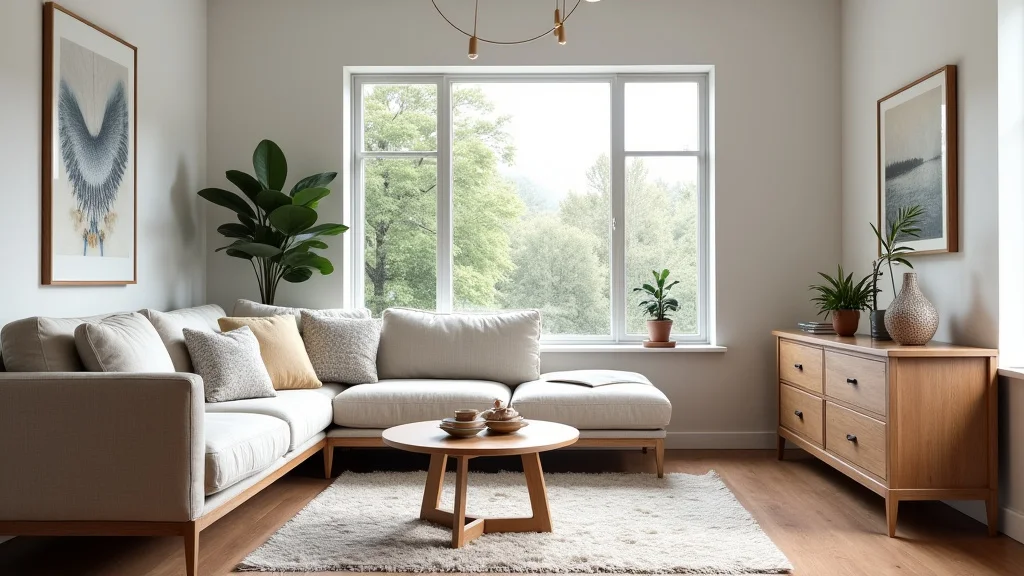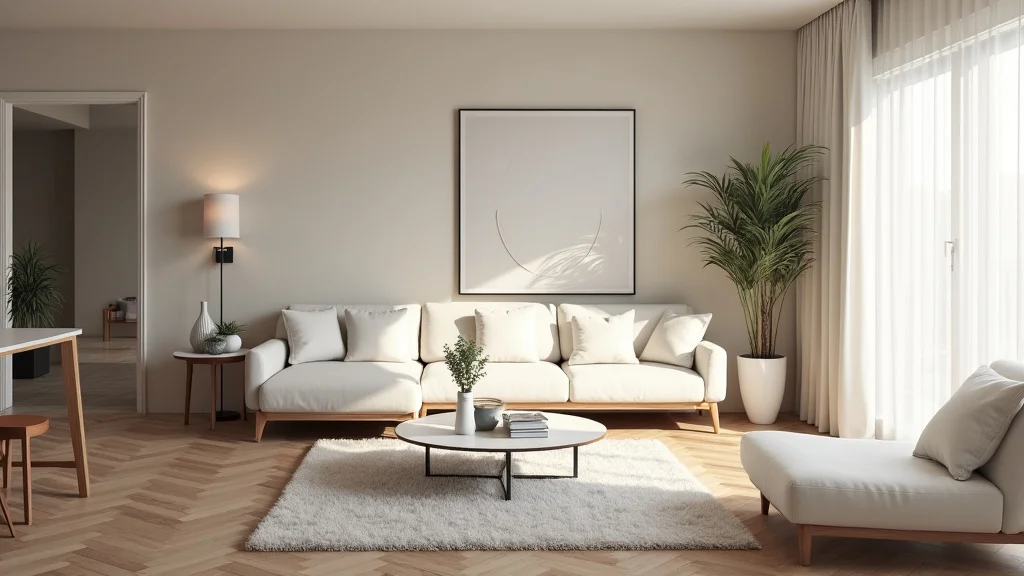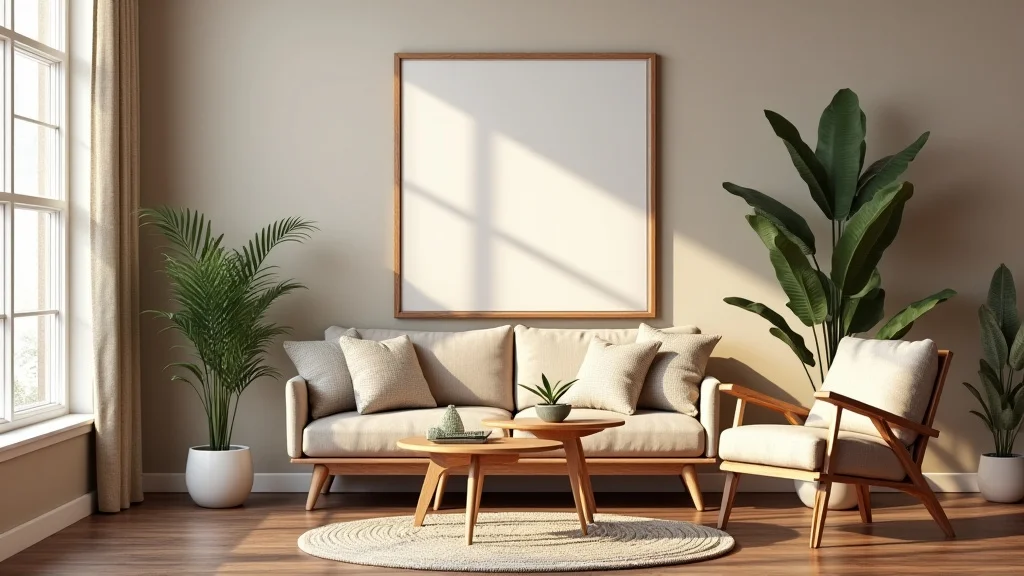
Remember that amazing vintage record player your parents had? Or perhaps you recall the funky furniture and bright colors of your grandparents’ house? These memories often spark a deep connection to a specific era. This post is all about bringing the charm of bygone days into your home through retro style home decor. You’ll discover how to identify and incorporate various retro design elements, understand different design periods, and find inspiration to transform your living space. By the end, you’ll be able to create a unique and stylish home that reflects your personality and appreciation for the past, helping you create a comfortable space and improve the time you spend reading and learning.
Key Takeaways
- Learn to identify the defining characteristics of various retro style home decor periods.
- Discover how to source authentic vintage pieces and incorporate them into your home.
- Get inspired to use color palettes, patterns, and textures that define retro aesthetics.
- Find strategies for blending retro design elements with modern functionality.
- Gain a better grasp of the impact of lighting, materials, and accessories.
- Understand the common challenges and mistakes when working with retro design.
Embracing the Essence of Retro Style Home Decor
Retro style home decor is a celebration of the past, a nostalgic nod to different eras that have shaped design aesthetics. It’s more than just choosing vintage furniture; it’s about capturing the spirit and feel of a specific period and bringing it into the present. This involves a thoughtful selection of furniture, colors, patterns, and accessories that reflect the chosen era. Understanding the core principles of retro design allows you to create a cohesive and visually appealing space, whether you prefer the sleek lines of the mid-century modern period, the vibrant hues of the 1970s, or the bold graphics of the 1960s.
Understanding Different Retro Periods
The term “retro” often encompasses designs from the mid-20th century, specifically the periods from the 1950s through the 1980s. Each decade had its distinctive characteristics, offering a wide array of styles to explore. For instance, the 1950s are synonymous with clean lines, pastel colors, and streamlined shapes, while the 1970s brought forth bold patterns, earthy tones, and a focus on natural materials. Familiarizing yourself with these key periods helps you identify the elements you like best and to integrate them skillfully. Knowing the defining details of each era helps you make informed choices that fit your style.
- The 1950s: Mid-Century Modern Charm. The post-war era ushered in a design revolution. Mid-century modern style is recognized by its minimalist aesthetic, organic shapes, and a focus on functionality. Think of iconic pieces like Eames chairs, teak furniture, and sleek, low-slung sofas. The color palette often featured pastel shades like pink, turquoise, and yellow, along with earthy tones.
- The 1960s: Bold and Bright. The 1960s were marked by vibrant colors, bold patterns, and a sense of optimism. Pop art, psychedelia, and space-age designs heavily influenced this period. Expect to see vibrant oranges, greens, purples, and blues, coupled with geometric prints, large floral patterns, and playful shapes.
- The 1970s: Earthy and Eclectic. The 1970s embraced earth tones, natural materials, and a more relaxed aesthetic. Avocado green, mustard yellow, and burnt orange dominated the color palette, which, combined with shag carpets, macrame, and wicker furniture, evokes a sense of warmth and comfort.
The mid-century modern look is not just about furniture; it also includes elements like starburst clocks, atomic-age inspired patterns, and geometric designs. The use of natural materials, such as wood, and the simplicity of form make this style timeless and adaptable to a variety of spaces.
Key elements of the 1960s aesthetic include graphic wallpapers, mod-inspired furniture, and space-age lighting fixtures. Materials like plastic, fiberglass, and chrome were prevalent, reflecting the era’s forward-thinking approach. Accessories like lava lamps, beanbag chairs, and bold artwork contribute to the 1960s aesthetic.
Key features of the 1970s style include natural textures, such as wood paneling and exposed brick, and the use of geometric patterns. The style embraced a bohemian feel with macrame wall hangings, hanging plants, and low seating. A key element of this time was an interest in sustainability, seen in the use of natural materials.
Sourcing Authentic Retro Style Home Decor
Locating authentic vintage pieces is a key element in creating a genuine retro home. There are several ways to find genuine retro pieces, from exploring local antique shops and flea markets to using online marketplaces and auctions. It’s essential to understand how to identify genuine items, assess their condition, and potentially restore them to their former glory. This skill will help you find the best pieces that define your style. A mix of new and vintage items will ensure a distinctive space that shows your personality.
Finding Treasures at Antique Shops and Flea Markets
Antique shops and flea markets are wonderful places to discover unique items. Antique shops often offer a curated collection of vintage pieces, which often comes with a higher price tag. Flea markets can be a treasure trove, and the prices are often lower, although it takes effort to find the gems. These environments let you browse a wide selection and see the items in person before purchasing, which allows you to inspect their quality and assess their condition closely. These are also great places to discover inspiration and get ideas.
- Tips for successful shopping. When shopping at antique shops and flea markets, go early for the best selection, bring cash, and be ready to haggle. Research prices beforehand so that you understand the worth of the items you are exploring. Examine items thoroughly for signs of wear and tear, and ask the sellers questions about their history and provenance.
- The art of negotiation. Haggling is a common practice at flea markets. Always be polite and respectful, and have a price in mind that you’re willing to pay. Start by offering a lower price than the listed one, and be prepared to walk away if you cannot reach an agreement.
- Assessing condition and authenticity. Determine the condition of furniture, which will impact its worth and required maintenance. Look for hallmarks or markings that show the maker or date, which can confirm an item’s authenticity and help you research its background.
Always inspect the pieces carefully, checking for damage or wear. Examine the joints, upholstery, and finishes to verify the condition. This will help you know if the item is worth the price and whether it fits your vision. Inspect the piece for any repairs or damage.
If you’re buying multiple items, use the opportunity to try and negotiate a better overall deal. If you are not in a hurry, check back later to see if the seller is willing to lower the price. Building a connection with sellers can increase your odds of getting a good deal in the future.
Check the structural integrity of furniture by testing joints and checking for wobbles. Evaluate upholstery for stains, tears, and wear. Carefully assess any repairs to know whether they affect the piece’s value or how you use it. Knowing the item’s condition will impact your buying decision.
Online Marketplaces and Auctions
Online platforms like eBay, Etsy, and specialized vintage websites offer an abundance of vintage items from all over the world. These platforms offer an easy way to research and buy items. However, there are things to consider, such as shipping costs, the seller’s reputation, and the accuracy of the item descriptions. Many websites also provide search filters, allowing you to narrow your search by style, era, material, and price range. Use these websites to find those hard-to-find items and compare prices.
- Tips for online shopping. Carefully review the item description, including measurements, materials, and condition details. Look at multiple photos from different angles to get a detailed view of the item. Check the seller’s feedback and reviews to assess their reputation.
- Auctions and bidding strategies. Understand the auction format and bidding process. Set a maximum bid and stick to it to prevent overspending. Consider bidding near the end of the auction to avoid driving up the price.
- Identifying fakes and reproductions. Be vigilant about identifying reproductions or items falsely represented as vintage. Look for signs of modern manufacturing techniques, such as newer hardware or materials that did not exist during the purported era. Research the item and its maker to know the specific characteristics.
Verify the seller’s return policy. Before making a purchase, ask the seller questions about the item to address any concerns. Consider shipping costs when making your budget, and be sure to protect the pieces you get. Be ready to take on the cost of shipping.
Research the item’s value beforehand to create your bidding strategy. Determine the price you are willing to spend before placing a bid. If you’re outbid, do not bid higher than your top number. Stay within your limit.
If the price seems too good to be true, it likely is. Ask for additional photos, especially of details like labels, stamps, or hardware. Before purchasing, check the item with others. If you’re concerned about authenticity, only buy from recognized sellers with a track record for accurate descriptions.
Incorporating Colors, Patterns, and Textures of Retro Style Home Decor
The selection of colors, patterns, and textures is essential in recreating the feeling of any retro period. Each era had its distinct aesthetic, from the pastels of the 1950s to the bold colors of the 1970s. Understanding and using these elements will bring the essence of your chosen time to life in your space. The skillful use of textures and patterns adds depth and visual interest, making your retro-inspired home warm and inviting. Getting the colors, patterns, and textures right is key to creating a truly authentic retro vibe.
Color Palettes and Their Impact
Colors significantly impact the overall mood and atmosphere of a room. Retro design uses specific color palettes that define different eras. The colors can be used in several ways: on walls, in furnishings, and in the accents. Experimenting with different color schemes helps you find the right style to fit your personality. Using the right colors will contribute to the authenticity of your retro-inspired home.
- The 1950s pastels. The 1950s used light and airy colors, such as pale pink, turquoise, yellow, and mint green. These colors can be used as the main colors in a room. Using these colors creates a sense of happiness and calm, which fits the optimistic mood of the time.
- The 1960s vibrant hues. The 1960s were all about making a statement with bold and bright colors. These hues included oranges, reds, greens, and purples. You can use these colors for accent walls or on furniture pieces to bring energy to a room. Combining these colors with neutrals can create a balanced and energetic style.
- The 1970s earth tones. The 1970s favored natural colors like avocado green, mustard yellow, and burnt orange. These colors were often combined with browns and creams. Earth tones create a sense of warmth and coziness. Combining earth tones with natural materials, such as wood and wicker, creates a sense of balance.
These colors can be combined with off-white or cream to create a balanced scheme. Use these pastels on walls, in furniture, and in decorative items. Consider painting an accent wall, using pastel-colored furniture, or adding accessories to make a room feel authentic.
Use these vibrant colors in patterns on wallpaper, textiles, and artwork. Consider using color blocking to create visual interest. Balance the bright colors with neutral furniture and accessories to create an appealing balance. A combination of bold and neutral colors makes a memorable design.
Use these colors on walls, furniture, and fabrics. Combine the warm hues with shag rugs, macrame, and wooden elements. Using these colors in the right way can provide a feeling of relaxation and comfort. Consider earthy-colored accents, such as cushions and artwork.
Patterns and Textures: Layering for Depth
Patterns and textures are important elements to achieve the desired effect. From geometric prints and floral designs to the use of shag carpets and velvet upholstery, each era had its unique style. Using these patterns and textures creates visual interest and depth. Layering these elements skillfully adds character to your home and brings a sense of authenticity. Using these elements creates a welcoming atmosphere.
- Geometric prints of the 1960s. Geometric patterns, such as those found on wallpaper, textiles, and artwork, were a staple of the 1960s. Use these patterns on an accent wall, furniture upholstery, or as decorative pillows. Combining geometric patterns with neutral backgrounds prevents the space from becoming overwhelming.
- Floral designs of the 1970s. Floral designs are strongly associated with the 1970s. These designs can be used on wallpaper, curtains, and fabrics. Using large-scale floral prints in a room can make a bold statement. The use of floral designs adds a sense of comfort and character.
- Textures: Velvet, shag, and more. Textures like velvet, shag, and wood paneling add depth and warmth to a retro-inspired home. Consider using velvet on sofas and chairs. Shag rugs can create a sense of comfort in the space. Wood paneling will bring a rustic element to the interior.
Choose prints with strong lines and bold shapes. Make sure the prints are in keeping with the color palette. If you are using a bold geometric print, use it as a focal point in the room. This will add visual interest without the room becoming cluttered.
Use floral prints as part of a larger design scheme. Combine floral patterns with solid colors and natural materials. Balance bold floral prints with neutral furniture to avoid a cluttered look. Consider using floral prints as accents in pillows or artwork.
Combine these textures carefully to avoid a feeling of clutter. Choose textures that complement the overall style. Using a range of textures can add visual appeal to your home. Make sure the materials are durable to ensure longevity.
Mixing Retro Style Home Decor with Modern Functionality
Combining retro aesthetics with modern functionality is about creating a space that feels comfortable, stylish, and practical for today’s lifestyle. This blend involves making mindful choices about furniture, technology, and design to achieve a balance between past charm and current convenience. Incorporating modern elements in a thoughtful manner makes sure your home looks good and is practical to live in, showcasing both the classic feel of retro style home decor and today’s design needs. This ensures your home isn’t just a museum, but a liveable, welcoming space.
Choosing Furniture That Blends Style and Use
When selecting furniture, consider pieces that echo the retro era but also serve modern needs. Look for furniture with clean lines and functional designs. This ensures your home looks great and is practical for your day-to-day life. Modern comfort and convenience need to be blended with the vintage aesthetic, creating a home that is both beautiful and functional.
- Mixing retro and contemporary. Combine retro pieces with modern furniture. You can place an Eames chair next to a contemporary sofa. A mid-century modern coffee table blends seamlessly with a modern living room setup. This mix creates visual interest while ensuring functionality.
- Smart storage solutions. Integrated storage is critical for practical modern living. Select retro-inspired storage options with hidden compartments. Use retro sideboards with storage.
- The role of technology. Conceal modern technology. Hide the TV within a retro cabinet or a vintage-inspired media console. Use smart home devices with a retro style. Choose wireless charging pads that match the period’s style.
Select modern furniture in neutral colors to serve as a backdrop for the vintage pieces. A neutral palette will make the retro items stand out. This mix of retro and modern furniture creates balance.
Use modern storage units that blend with the retro style. For example, a sleek cabinet in a mid-century style can hide all the modern tech. Be thoughtful about storage, blending retro looks with functionality.
Consider technology placement. Ensure the use of technology is hidden from view. Use retro-inspired accessories that create a visual appeal. Combining tech with retro pieces makes sure that the home is up-to-date and in sync with the style.
Lighting and Accessories
Lighting and accessories can make a significant impact on your decor, bringing both character and functionality to your space. You can incorporate retro-style lighting elements, like atomic lamps or globe pendants, to create the vibe of a specific era. Accessories are another way to bring in elements. Combining lighting and accessories will ensure you have a comfortable and visually stunning home.
- Lighting. Choose lighting fixtures that complement the retro style, from Sputnik chandeliers to lava lamps. Consider different types of lighting, such as ambient, task, and accent lighting. Mix up the light to create a sense of warmth and dimension.
- Accessories. Decorate with accessories that reflect the era you are copying, such as vintage clocks, records, or pottery. Use decorative items that evoke a sense of the time, such as starburst clocks and atomic-age patterns. These accessories act as a way to enhance the design.
- Textiles and soft furnishings. Textiles like rugs, curtains, and throw pillows bring softness and warmth. Pick textiles in colors, patterns, and textures that match your chosen era, such as velvet upholstery, shag rugs, or geometric prints. Use these elements to add visual interest.
Use lamps with bold shades or interesting shapes to add a retro vibe. Choose energy-efficient lighting options. Ensure you have the right light to fit the needs of the space.
Use accessories as accents, such as cushions, artwork, and decorative items. Be sure to mix in modern elements that are compatible with the aesthetic. These accessories are a simple and easy way to change the design of a space.
Use these textiles for the furniture, such as couches and chairs. Consider a geometric patterned rug or a shag rug. Combine these soft furnishings for comfort and to make the room more inviting.
Common Myths Debunked
Myth 1: Retro Style Is Outdated
Many believe that retro style home decor is old-fashioned and out of date. The truth is that retro design is a timeless look. It has a broad appeal because of its unique mix of style, history, and comfort. Retro is consistently popular, and its ability to adapt to new trends ensures its continued relevance.
Myth 2: It’s Difficult to Find Authentic Retro Pieces
Some people think it is a challenge to find genuine retro pieces. However, with the rising popularity of vintage design, there are many ways to find authentic retro items. Shops, flea markets, and online marketplaces offer a wide array of options for finding vintage furniture, accessories, and décor. With some research and exploring, you can find original pieces.
Myth 3: Retro Style Only Works in Large Homes
Many think that a retro style is only suited for large homes. However, retro design can be adapted to any space. The key is to pick items that fit the scale of the room and the right style for the space. When you are creative, retro elements can fit into smaller apartments. It is all about how you style the space and incorporate elements.
Myth 4: Retro Design Is Expensive
Some people assume that retro style is expensive because it often involves purchasing vintage items. However, there are many ways to create a retro look without spending a lot of money. You can find affordable vintage pieces at flea markets, thrift stores, and online sales. It can be made with a mix of vintage and contemporary items. A budget-friendly approach makes retro design accessible for all.
Myth 5: Retro Design Is All About Clutter
The idea that retro design means a cluttered home is a common misconception. Authentic retro design is about highlighting select pieces. The key is to pick and arrange items thoughtfully, creating a well-balanced space. Avoiding excess items, organizing your space, and selecting specific pieces that reflect your style will keep clutter to a minimum.
Frequently Asked Questions
Question: How do I know what retro style I like?
Answer: Research the different retro design periods, such as the 1950s, 1960s, and 1970s. Look at the styles and note what elements you like. Think about the colors, patterns, and furniture that speak to you, and start there.
Question: Where can I find affordable retro items?
Answer: Visit flea markets, thrift stores, and online marketplaces like eBay and Etsy. These places often have vintage pieces at lower prices than specialty stores. Look for sales and negotiate prices.
Question: How do I blend retro and modern styles?
Answer: Use a blend of old and new pieces. Select furniture and colors that echo the retro era but also support your lifestyle. Keep in mind that a neutral backdrop lets retro accents stand out.
Question: How do I care for vintage furniture?
Answer: Clean the furniture properly, and get it restored if needed. Avoid direct sunlight and extreme temperatures, which can damage the item. Get advice from professionals on more care.
Question: Can I use retro design in a small apartment?
Answer: Absolutely! Choose furniture that fits the space. Use an accent wall and decorative accessories. When it comes to design, less is more. Make smart choices about space and style.
Final Thoughts
Creating a retro style home decor space is a rewarding and unique endeavor, a journey that allows you to express your creativity. You’ve now seen how to explore different eras, source authentic pieces, and combine them with modern functionality. You have the tools to convert your home into a beautiful space that reflects your personality. Remember to choose the retro periods that appeal to you. Embrace the chance to experiment with colors, patterns, and textures, and don’t be afraid to combine vintage items with modern comforts. With some planning, your home will be a celebration of retro charm and a reflection of your unique style, a space where you can enjoy the past in your everyday life. So, go forth, explore, and begin creating the home you’ve always imagined.