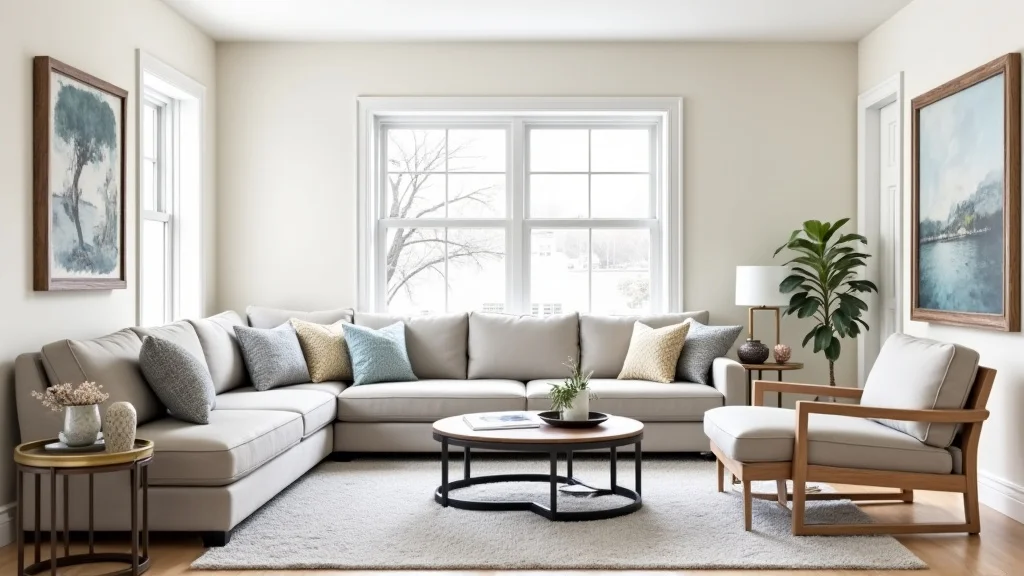
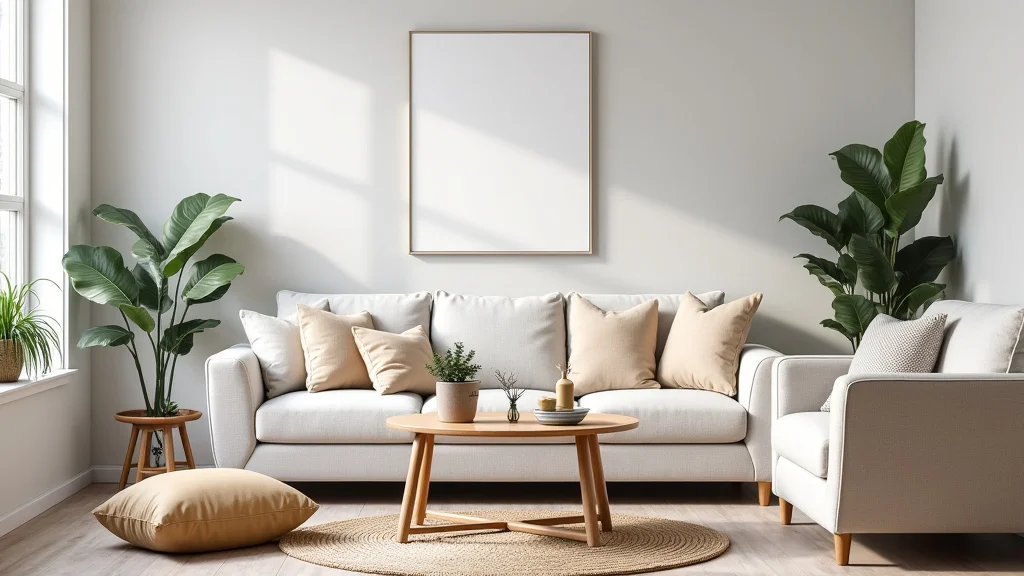
Remember that feeling of walking into your grandmother’s house? The scent of freshly baked cookies, the comfortable furniture, and the sense of warmth and familiarity? That feeling is often the essence of traditional style home decor. It’s about creating a space that feels lived-in, inviting, and enduring. In this guide, we’ll explore the core elements of this design style, helping you transform your home into a haven of comfort and elegance. You’ll learn how to incorporate classic furniture, color palettes, and decor elements to achieve a timeless aesthetic. You’ll gain the knowledge to confidently implement traditional style home decor in your own home, creating a space that reflects your personal taste and lasts for years to come.
Key Takeaways
- Discover the defining characteristics of traditional style.
- Learn how to choose the right furniture and fabrics.
- Explore classic color palettes and patterns.
- Understand the role of accessories and artwork.
- Find inspiration for creating a cohesive design.
- Get tips for blending modern elements with traditional style.
Understanding Traditional Style Home Decor
Traditional style in home decor is a design approach deeply rooted in history, drawing inspiration from various periods like Georgian, Victorian, and French Country. It emphasizes symmetry, balance, and a sense of formality, creating a space that feels elegant, comfortable, and welcoming. This style often involves the use of rich materials, intricate details, and a timeless aesthetic, resisting fleeting trends for a more enduring appeal. It’s about crafting a home that feels both sophisticated and lived-in, a place where memories are made, and life’s everyday moments are cherished.
Core Principles of Traditional Design
The fundamentals of traditional design are built on several key principles. These elements work together to create the distinctive character of this decorating style. A well-executed traditional space offers an inviting environment with visual harmony and lasting appeal.
- Symmetry: Symmetry plays a vital part in traditional interiors. It is common to see rooms arranged around a central focal point, such as a fi
Symmetry, in the context of design, refers to the arrangement of elements on either side of a central point or axis to achieve a sense of balance. It’s a fundamental principle used across various forms of art and design to create a sense of harmony, order, and visual stability. Symmetrical designs are typically perceived as being more formal and balanced. This balance is often achieved by mirroring elements on each side of an imaginary line or focal point. For instance, in a room, you might place a pair of matching lamps on either side of a sofa or a symmetrical arrangement of artwork on a wall. This approach emphasizes the importance of visual coherence and provides a sense of formality.
- Balance: Balance, closely related to symmetry, is a core principle. This can be achieved through symmetrical arrangements, or through a more casual asymmetrical balance, where elements of equal visual weight are arranged without perfect mirroring.
- Proportion: The scale of furnishings and decor should be appropriate for the size of the room. This avoids a cramped or sparsely furnished feel.
- Harmony: All elements in the space should work together to create a unified and cohesive design.
Balance, in the context of design, is the distribution of visual weight within a composition. It is a fundamental principle that helps to create a sense of harmony, stability, and visual interest. Balance refers to how the elements within a design are arranged to provide a feeling of equilibrium. The goal is to avoid a visually “heavy” or “light” area that may make the design feel out of proportion. There are three primary types of balance: symmetrical, asymmetrical, and radial. Symmetrical balance involves mirroring elements on both sides of an axis, creating a formal and organized appearance. Asymmetrical balance, on the other hand, uses different elements of equal visual weight on either side of an axis, creating a more dynamic and informal effect. Radial balance involves elements radiating outwards from a central point, often seen in circular or star-shaped designs. Choosing the right type of balance depends on the overall style and effect you want to achieve.
Proportion, within the realm of design, refers to the size relationship between different elements within a composition, as well as the relationship of these elements to the whole. It is a crucial aspect of design as it affects the overall visual harmony, balance, and aesthetic appeal of the space. Designers consider proportion by carefully adjusting the size and scale of objects, furnishings, and architectural elements in relation to each other and their surroundings. A space with good proportion feels balanced, comfortable, and visually pleasing. For example, in interior design, the size of furniture should be proportionate to the size of the room. Oversized furniture can make a space feel cramped, while furniture that is too small can make a room feel empty and unbalanced. The use of specific measurements, the “golden ratio” (approximately 1.618), and other mathematical principles can help achieve visual harmony.
Harmony in design refers to the visual agreement between the elements that comprise a design. It describes the feeling of cohesiveness and unity when the parts of a design work together in a pleasing way. Harmony is achieved when different elements such as color, shape, texture, and pattern align to create a singular, focused visual experience. The use of repeating elements, a limited color palette, or the consistent application of design principles such as balance and proportion can foster harmony. The goal of harmony is to create a design that feels cohesive, well-organized, and that evokes a sense of ease and visual satisfaction. The absence of harmony can cause a design to feel cluttered, disorganized, and visually jarring. In interior design, harmony helps to create a comfortable and inviting atmosphere.
Key Elements of Traditional Style
Several fundamental elements characterize the traditional aesthetic. From furniture choices to the use of specific architectural details, understanding these components is key to achieving an authentic traditional look. These elements, when combined thoughtfully, create a sense of depth and timelessness, contributing to the style’s enduring popularity.
- Classic Furniture: Traditional furniture often features elegant details, such as carved wood, ornate legs, and rich fabrics.
- Rich Fabrics: Fabrics like velvet, damask, and brocade add a layer of luxury and sophistication.
- Ornate Details: Crown molding, wainscoting, and detailed woodwork are common architectural features.
- Symmetrical Arrangements: Furniture and decor are often arranged in balanced and symmetrical layouts.
Traditional furniture is characterized by its timeless design, craftsmanship, and the use of high-quality materials. It typically draws inspiration from historical periods, such as the Georgian, Victorian, and French styles, incorporating details like ornate carvings, elegant curves, and the use of rich wood finishes. The pieces often feature detailed legs, such as cabriole or claw-and-ball legs, and are upholstered in luxurious fabrics such as velvet, silk, or damask. This style of furniture emphasizes comfort, elegance, and a sense of formality, making it ideal for creating a refined and inviting home environment. Pieces like wingback chairs, Chesterfield sofas, and mahogany dining tables are hallmarks. Furniture is frequently designed to be functional yet decorative, enhancing the overall aesthetic of a room. This attention to detail and enduring style makes traditional furniture a popular choice for those seeking a home filled with beauty and sophistication.
Rich fabrics are integral to traditional design, contributing depth, texture, and an element of luxury to a room. These textiles are often made from high-quality materials like velvet, silk, linen, and wool, and can feature intricate patterns, weaves, and embellishments. Velvet offers a plush, opulent feel, ideal for upholstery and drapery, while damask and brocade add visual interest with their elaborate woven designs. Linen and cotton bring a softer, more relaxed element, perfect for curtains and bedding. The selection of the right fabrics can significantly influence the overall mood and aesthetic of a space, adding warmth, elegance, and a sense of refinement. The use of luxurious fabrics is an excellent way to elevate the traditional style home decor.
Ornate details are a defining aspect of traditional architecture and design, adding sophistication and visual interest to a space. These details often include crown molding, wainscoting, and detailed woodwork that enhance the overall elegance and character of a room. Crown molding, running along the top of walls, adds a polished finish and emphasizes the lines of the ceiling. Wainscoting, a decorative paneling system, is applied to the lower portion of walls and adds texture and visual depth. Detailed woodwork, such as carved door frames, built-in bookshelves, and intricate trim, further enhances the refined aesthetic. These details showcase craftsmanship and attention, reinforcing the traditional aesthetic.
Symmetrical arrangements are a hallmark of traditional design, creating a sense of order, balance, and formality. This involves positioning furniture and decor elements in a way that mirrors each other across a central axis, often a fi
Furniture and Fabrics in Traditional Style Home Decor
Choosing the right furniture and fabrics is essential for creating an authentic traditional style home decor. The focus is on quality, comfort, and timeless elegance. The careful selection of furniture and fabrics contributes to the overall atmosphere, making the space feel both inviting and sophisticated. Considering the materials, textures, and patterns ensures that your choices complement each other, resulting in a cohesive and visually pleasing design.
Furniture Selection
Furniture in a traditional home emphasizes comfort, quality craftsmanship, and timeless design. The selection of furniture pieces contributes significantly to the overall aesthetic and functionality of the space. Attention to detail, from the choice of materials to the decorative elements, is key to achieving an authentic traditional look.
- Wingback Chairs: A classic piece that adds both elegance and comfort.
- Chesterfield Sofas: Known for their deep button tufting and rolled arms.
- Mahogany or Walnut Dining Tables: Often with carved details and a rich finish.
- Antique or Reproduction Pieces: Adding character and historical interest.
Wingback chairs are an iconic furniture piece in traditional design, instantly adding an element of sophistication and comfort to any room. Their distinct design, characterized by high backs with side “wings”, offers both visual appeal and practical function. Originally designed to protect against drafts, the wings now provide a sense of enclosure and privacy. They are often upholstered in luxurious fabrics like velvet, leather, or patterned textiles, enhancing their elegant appearance. Wingback chairs can serve as a focal point in a living room, a cozy reading spot, or a statement piece in a bedroom, embodying the core principles of traditional design.
Chesterfield sofas are a defining feature of traditional interiors, celebrated for their luxurious appearance and timeless design. The characteristic features include deep button tufting, rolled arms, and typically, a low back. These sofas are commonly upholstered in leather or rich fabrics like velvet, which enhance their elegant appeal. Originally created in the 18th century, Chesterfields have a history of embodying comfort, status, and sophistication, making them a popular choice for living rooms, libraries, and studies. They offer a sense of grandeur and refinement, establishing a welcoming and visually appealing atmosphere that reflects the classic style.
Mahogany or walnut dining tables are central to the traditional dining room, embodying elegance and refined craftsmanship. These tables are usually crafted from solid wood, known for their durability and attractive grain patterns. Details often include carved legs, intricate edge designs, and a rich, polished finish that enhances the wood’s natural beauty. Mahogany offers a warm reddish-brown hue, while walnut provides a darker, richer tone, both of which complement a traditional aesthetic. These tables serve as functional gathering spaces and as statement pieces, reflecting the values of quality and timeless design.
Antique or reproduction pieces are vital to traditional decor, introducing history and individuality to a space. Antiques, with their unique patina and stories, offer a sense of authenticity and timeless charm. They can range from furniture to decor, each element contributing to the room’s character. Reproduction pieces, crafted to resemble historical designs, allow you to enjoy the aesthetic of classic pieces without the expense or preservation requirements of true antiques. Incorporating these pieces creates a layered, personalized design, expressing character. Choosing antique or reproduction items, creates a sense of depth and a unique story within a traditional-style space.
Fabric Choices
Fabric choices in traditional style play a vital role, affecting the comfort, texture, and aesthetic of a space. Traditional fabrics are often luxurious and rich in detail, enhancing the overall elegance of the home. Consideration of fabric weight, pattern, and texture is key to achieve a cohesive and sophisticated look.
- Velvet: Offers a luxurious feel and rich color.
- Damask: Known for its intricate woven patterns and rich texture.
- Brocade: Offers a raised, embroidered effect and metallic threads.
- Linen and Cotton: Ideal for curtains and upholstery, adding a more casual touch.
Velvet is a cornerstone fabric in traditional style home decor, lending a touch of luxury and sophistication to any space. Known for its soft, plush texture and rich color saturation, velvet is frequently used in upholstery, draperies, and decorative pillows. The fabric’s density and sheen reflect light beautifully, adding depth and visual interest. Velvet comes in various weights and weaves, allowing it to adapt to different design applications. Velvet’s luxurious feel and elegant appearance make it an ideal choice for enhancing a traditional aesthetic, creating a space that feels both inviting and refined.
Damask is a classic fabric in traditional design, celebrated for its intricate woven patterns and elegant texture. This reversible fabric usually consists of silk, linen, or cotton, showing detailed designs through variations in weave. Damask patterns often feature florals, geometric motifs, or other historical designs, providing visual complexity and refinement. The fabric’s subtle sheen and woven structure add to its luxurious appeal. Damask is often used in upholstery, draperies, and bedding, adding a layer of sophistication and tradition. Its versatility and timeless elegance make it a staple in creating a refined and elegant traditional interior.
Brocade is a luxurious fabric frequently used in traditional style home decor, recognized for its raised, embroidered effect and the use of metallic threads. Created with a complex weaving process, brocade often features intricate patterns and textures, adding depth and visual interest. The fabric’s raised designs can include floral motifs, geometric shapes, or heraldic symbols, reflecting historical inspiration. The inclusion of metallic threads, like gold or silver, enhances the fabric’s richness and elegance, creating a look of opulence. Brocade is often used for upholstery, draperies, and decorative accents, giving a refined and luxurious touch to spaces.
Linen and cotton fabrics are staples in traditional design, balancing the richness of other materials by adding a more relaxed and casual feel. Linen, known for its natural texture and slight slub, provides a casual yet elegant look, perfect for curtains and upholstery. Cotton offers a wide range of weights and textures, offering versatility in design. Both fabrics are breathable and comfortable, making them excellent choices for everyday use. Their natural fibers and neutral tones can soften a room, creating a balanced and inviting atmosphere, complementing the other luxurious elements of a traditional interior.
Color Palettes and Patterns
Color palettes and patterns are vital elements in traditional style home decor, setting the mood and enhancing the overall aesthetic. These choices contribute to the feeling of warmth, sophistication, and timeless elegance that defines the traditional style. The careful combination of colors and patterns creates a cohesive design that is both visually pleasing and comfortable.
Classic Color Schemes
Traditional color schemes often emphasize a sense of warmth, balance, and harmony. These color combinations create a refined atmosphere, evoking feelings of comfort and timeless elegance. The choices are carefully considered to complement the furniture, fabrics, and decorative elements.
- Neutrals with Accent Colors: Cream, beige, and off-white with pops of color.
- Earthy Tones: Browns, greens, and golds for warmth and depth.
- Pastels: Soft blues, greens, and pinks for a gentle touch.
- Jewel Tones: Deep reds, blues, and emerald greens for richness.
Neutrals with accent colors form a fundamental color scheme in traditional design, offering a balanced and inviting atmosphere. The neutral base, which includes cream, beige, and off-white tones, provides a versatile backdrop that complements various colors. Accent colors, such as deep blues, rich greens, warm reds, or golds, add visual interest and personality to the space. By carefully incorporating accent colors through accessories, artwork, and upholstery, you can create a cohesive and visually pleasing design. This approach allows flexibility in decorating, enabling you to change the accent colors as tastes shift. This results in a design that is both timeless and adaptable.
Earthy tones, like browns, greens, and golds, are frequently utilized to create warmth and depth in traditional interiors. These colors, often inspired by nature, give a sense of comfort and stability. Browns range from rich chocolate to lighter tans, providing a solid foundation for furniture and textiles. Greens, from deep forest to softer sage tones, contribute a feeling of serenity and enhance the connection to the outdoors. Golds introduce a touch of luxury and sophistication, adding a glow to the space. The combination of earthy tones creates a comforting environment, reflecting the style’s commitment to elegance and traditional design.
Pastels, including soft blues, greens, and pinks, offer a gentle and calming touch to traditional interiors. These colors add a sense of airiness and subtlety, softening the overall aesthetic. Pastel blues can create a sense of tranquility, whereas pastel greens evoke a connection to nature, and pastels offer a touch of romance and warmth. Pastels work well with neutral backgrounds and can be incorporated through walls, fabrics, and accessories. Used in combination with classic furnishings and detailed accents, pastels create an environment that is both welcoming and timeless.
Jewel tones such as deep reds, blues, and emerald greens offer a sense of richness and sophistication in traditional interiors. These colors create visual depth and a sense of luxury, ideal for formal spaces. Deep reds, like ruby or garnet, introduce warmth and drama, while deep blues evoke feelings of serenity and elegance. Emerald greens add a connection to nature and a sense of opulence. Jewel tones work well as accents or focal points, enhancing the richness and enhancing the appeal of traditional style home decor.
Patterns and Textures
Patterns and textures play a crucial part in traditional design, enriching the visual depth and character of a space. They complement the color schemes and furniture, adding layers of interest. The use of patterns and textures, such as floral motifs, stripes, and textured fabrics, contributes to the style’s inviting and timeless aesthetic.
- Floral Prints: Adding a touch of elegance and natural beauty.
- Stripes: Classic and versatile, adding visual interest.
- Plaid: Offering a sense of comfort and formality.
- Toile de Jouy: A classic print depicting pastoral scenes.
Floral prints are a staple in traditional design, adding an element of elegance and natural beauty to the home. These patterns come in various forms, from delicate chintz to bolder botanical designs, creating a sense of freshness and visual appeal. Floral prints often feature intricate designs of flowers, leaves, and other plant-based elements. They can be incorporated on upholstery, curtains, wallpaper, and accessories, adding depth and a touch of refinement. Floral prints provide a link to the outdoors and are an excellent way to reflect the enduring charm of traditional style.
Stripes are a classic and versatile pattern in traditional design, contributing visual interest and a sense of order to a space. These patterns can range from narrow pinstripes to broader awning stripes, offering flexibility in design. Stripes can be incorporated on upholstery, wallpaper, curtains, and rugs. They can be used to visually alter the proportions of a room, with vertical stripes enhancing the height of a space, and horizontal stripes creating a sense of width. Stripes can work well with other patterns, such as florals or plaids, creating a layered and sophisticated appearance. Their versatility makes them a staple element in traditional style home decor.
Plaid offers a sense of comfort and formality. Plaid, with its crisscrossing bands of color, is a foundational pattern in traditional decor, providing comfort and a touch of formality. The pattern comes in various forms, including tartan, which is often associated with Scottish heritage, and more casual checks. Plaid can be incorporated in upholstery, blankets, curtains, and accessories, adding depth and visual interest. The pattern often includes combinations of colors. Plaid introduces a sense of warmth and history to a space, making it ideal for creating a cozy and welcoming environment. The use of plaid enhances the traditional style.
Toile de Jouy is a distinctive print in traditional design, characterized by its depiction of pastoral scenes, often with a monochrome color scheme. Originally created in France, this pattern features intricate designs depicting landscapes, figures, and historical events. The fabric is often printed on cotton or linen, adding a sense of elegance. Toile de Jouy is frequently used in wallpaper, upholstery, and decorative accessories, adding a touch of sophistication and historical charm. The print’s intricate detail and narrative nature make it a perfect option for adding character and depth to spaces.
Accessories and Artwork
Accessories and artwork are key components of traditional style home decor, contributing personality and beauty to any room. These elements provide finishing touches that enhance the style, creating a balanced and visually appealing space. The choice of accessories and artwork reflects individual taste and provides an opportunity to add character, history, and elegance.
Accessories
Accessories play a key role in the traditional aesthetic, adding texture, color, and personality to a space. Carefully selected accessories enhance the overall design, creating depth and character. The thoughtful integration of accessories, like lamps, mirrors, and decorative objects, enhances the balance and beauty of the home.
- Lamps: Table lamps, floor lamps, and chandeliers with classic designs.
- Mirrors: Decorative mirrors in ornate frames.
- Vases and Urns: Adding visual interest with various shapes and materials.
- Books and Decorative Boxes: For a personalized and lived-in feel.
Lamps are essential in traditional design, providing both illumination and decorative flair. The style incorporates table lamps, floor lamps, and chandeliers with classic, elegant designs, contributing to the room’s ambiance. Table lamps are often placed on side tables, console tables, and desks, providing focused lighting and adding decorative accents. Floor lamps add height and can serve as statement pieces. Chandeliers are common in dining rooms, living rooms, and entryways. They feature crystal, brass, or other ornate elements, adding a sense of luxury. Carefully selected lamps enhance the overall aesthetic of a traditional space, providing both light and style.
Mirrors are a versatile element in traditional interiors, serving as both functional and decorative elements. Mirrors are often used to enhance light and create the illusion of space. They come in a wide range of styles, from simple, framed mirrors to elaborate, ornate designs. Mirrors are placed above fi
Vases and urns are prominent accessories in traditional style, enhancing the visual appeal of a space. These decorative elements come in a range of shapes, sizes, and materials, providing opportunities for visual interest and personality. Vases can be used to showcase flowers, greenery, or stand alone as art pieces. Urns, often with historical designs, add a sense of formality and elegance. Materials range from porcelain and ceramic to glass and metal, offering a variety of textures and finishes. When placed on tables, shelves, or mantels, vases and urns add depth and style to the design. They can work alone or in groups.
Books and decorative boxes are practical yet stylish accessories in traditional design, adding a sense of personality. Books can be stacked on shelves, tables, or used as accents, providing color and texture. Decorative boxes, made of wood, metal, or other materials, provide storage while adding visual appeal. They can be placed on coffee tables, shelves, or consoles, contributing a lived-in feel. By selecting books and boxes that reflect interests and personality, you create an inviting and well-curated space. These additions enhance the overall design and contribute to the welcoming atmosphere of a traditional home.
Artwork
Artwork is essential in traditional design, providing a way to express individual taste and enhance the aesthetic appeal of a home. The selection of artwork, from paintings to prints and sculptures, reflects the character and personality of the space. Carefully chosen artwork helps to add to the ambiance and create visual harmony.
- Oil Paintings: Landscape scenes, portraits, or still lifes.
- Giclee Prints: Providing access to a wider range of artwork.
- Antique Maps and Botanical Prints: Adding historical charm.
- Sculptures and Figurines: Adding dimension and interest.
Oil paintings are a cornerstone of traditional design, known for their detail and artistic richness. They add beauty and history to a space. Traditional oil paintings often include landscape scenes, portraits, or still lifes, painted with rich colors and textures. These paintings can be framed in ornate gold or wood frames, enhancing their elegance. Hanging these pieces adds elegance. These paintings give the sense of history, enhancing the appeal of traditional style.
Giclee prints are a practical option in traditional design, offering a cost-effective way to enhance a space with fine art. Giclee prints are high-quality reproductions created using advanced printing techniques. They allow access to a wide range of artwork, including historical pieces and contemporary designs, expanding the possibilities for decorating. The prints can be framed to complement any style. These prints provide a touch of elegance and visual interest, fitting the character of traditional homes.
Antique maps and botanical prints are popular choices in traditional design, adding historical charm and a connection to the past. Antique maps offer a unique glimpse into history, showing world exploration and geographic details. Botanical prints, featuring illustrations of plants and flowers, add a sense of beauty and detail. These prints are often framed in wooden or ornate frames, enhancing their visual appeal. When hung together, they create a gallery effect. These prints add character and visual interest to a space.
Sculptures and figurines enrich traditional interiors by adding dimension and visual interest. These three-dimensional objects, ranging from classical sculptures to delicate figurines, serve as points of visual interest, adding elegance and enhancing the room’s character. They can be placed on mantels, shelves, or side tables, providing depth and a touch of personality. Sculptures often reflect historical themes or showcase artistic talent, while figurines can highlight a sense of character. The inclusion of sculptures and figurines provides additional layers, creating a sophisticated and welcoming home.
Blending Modern and Traditional Style
Blending modern and traditional style can create a balanced and inviting home. This approach, which is called transitional design, combines the best elements of both worlds, resulting in a space that feels contemporary and classic. The key is to blend the old with the new, carefully selecting and placing furniture and decor.
Balancing Old and New
Balancing old and new in design is about creating a space that feels both timeless and modern. The key is to incorporate a mix of elements, like classic furniture and contemporary decor. This approach creates a fresh and inviting environment.
- Mix of Furniture: Combine antique pieces with modern furniture.
- Color Palette: Use neutral backgrounds with pops of color and pattern.
- Accessorizing: Incorporate modern accessories with traditional pieces.
- Architectural Features: Blend traditional architectural features with modern elements.
Mixing antique pieces with modern furniture is a key aspect of balancing old and new in design. This approach creates a layered and personalized space, combining classic charm with contemporary functionality. Pair a vintage sofa with a modern coffee table, or add a sleek dining table with antique chairs to combine the styles. Selecting furniture with clean lines can complement the antique pieces. This combination adds visual interest and creates a harmonious and inviting home.
Implementing a balanced color palette is vital when combining old and new styles, creating a sense of visual harmony. Use neutral backgrounds to serve as a backdrop for the design. This creates a flexible base. Integrating pops of color and pattern through accessories, artwork, and textiles adds visual interest and modernity to the mix. These colors could be from a bold artwork or throw pillows. This approach creates a design that is visually interesting. By balancing the classic with the contemporary, you can create a cohesive and welcoming space.
Incorporating modern accessories with traditional pieces is a clever approach in balancing old and new styles. By introducing contemporary elements, like minimalist lamps, sleek mirrors, or abstract artwork, the space achieves a sense of balance. Accessories add visual interest and personality. A contemporary sculpture can be placed on a vintage side table or a sleek vase can sit on a traditional console. These combinations create visual layers, resulting in an inviting space.
Blending traditional architectural elements with modern design features is key when combining old and new styles. By maintaining traditional details such as crown molding and wainscoting while incorporating contemporary elements, the space offers charm. Consider clean lines and materials. These combined elements create a balanced space that shows the best of both styles. This blending of elements leads to a unique and welcoming home.
Tips for Success
To successfully integrate modern and traditional design, the aim should be to create a harmonious blend, balancing old and new elements. Through careful planning and an eye for detail, you can create a beautiful and functional space that shows your personal style. By following these tips, you can create a space that is both visually appealing and comfortable.
- Start with a Focal Point: Decide on a main point that defines the space.
- Focus on Scale and Proportion: Ensure a sense of balance.
- Use a Limited Color Palette: Maintain visual consistency.
- Prioritize Functionality: Maintain a livable space.
Starting with a focal point is essential to blending modern and traditional elements successfully. The focal point can be a fireplace, a large window, or a piece of artwork that acts as a starting point for your design. This element gives the room a sense of purpose and helps in organizing your design choices. By carefully placing furniture, decor, and colors around the focal point, you can create a cohesive and balanced design.
Focusing on scale and proportion is key when you are blending modern and traditional styles, ensuring visual harmony. Carefully consider the dimensions of furniture, artwork, and decor in relation to the size of the room and each other. The balance is created by blending pieces from both styles, such as a large sofa, or a chandelier. By being aware of scale and proportion, you can create a well-balanced and aesthetically pleasing design.
Using a limited color palette is critical for achieving a cohesive blend of modern and traditional styles. Limiting the range of colors, like using neutral walls and base tones, creates visual harmony. The color palette can be enhanced by accent colors, which add personality. This method creates a space that feels balanced. Choosing a limited color palette allows you to create a beautiful and unified space.
Prioritizing functionality is important when blending modern and traditional elements. A well-designed space should not only look visually appealing but also meet the practical needs of those who use it. Make sure that furniture is comfortable, and the layout flows well. By focusing on both aesthetics and function, you can create a home that is both beautiful and enjoyable.
Common Myths Debunked
Frequently Asked Questions
Question: Is traditional style outdated?
Answer: No, traditional style is not outdated. It’s a timeless design aesthetic that has endured for centuries, evolving while retaining its core principles of elegance, comfort, and sophistication. It continues to be popular because of its enduring appeal.
Question: Can I combine traditional and modern styles?
Answer: Yes, you can. Combining traditional and modern styles, also known as transitional design, is a popular approach. It involves incorporating traditional elements with contemporary pieces to create a balanced, personalized space that reflects the best of both worlds.
Question: What are the key colors used in traditional design?
Answer: The key colors in traditional design include neutral tones such as cream, beige, and off-white as a base, along with accent colors such as deep blues, rich greens, warm reds, and golds. Earthy tones, such as browns, greens, and golds, and jewel tones, such as deep reds, blues, and emerald greens, are also frequently used.
Question: What type of furniture is typical of traditional homes?
Answer: Typical furniture includes pieces like wingback chairs, Chesterfield sofas, and mahogany or walnut dining tables. Antique and reproduction pieces are also common.
Question: What is the most important element of traditional style?
Answer: While many elements contribute to traditional style, the most important is often the emphasis on balance and harmony. These elements ensure that all components work together to create a cohesive and visually pleasing space.
Final Thoughts
The journey into traditional style home decor is a journey into history, elegance, and personal expression. It’s about crafting spaces that reflect enduring values. The core is creating comfort and balance. You can transform your home into a beautiful and welcoming haven. By embracing classic principles such as symmetry, harmony, and the use of rich textures and colors, you create a space that feels both elegant and inviting. Explore different periods and styles within traditional design to find what appeals to you. Incorporate your personality through artwork, accessories, and furniture that you love. Remember that the goal is not to replicate a specific historical period but to create a home that resonates with your personal taste and lifestyle. Experiment, make your choices thoughtfully, and allow your home to become a timeless expression of your style. Create a space that brings you joy for years to come.