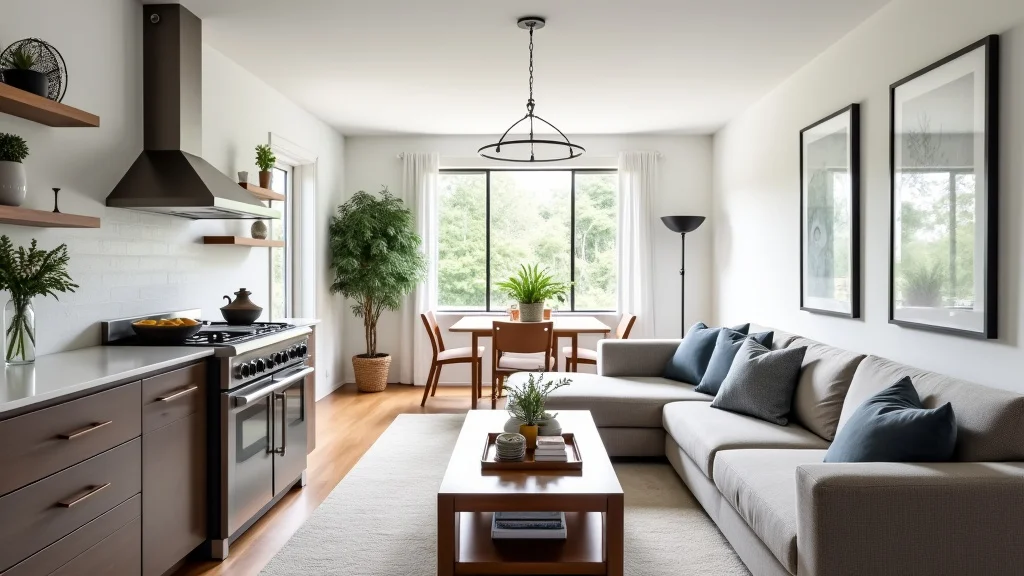
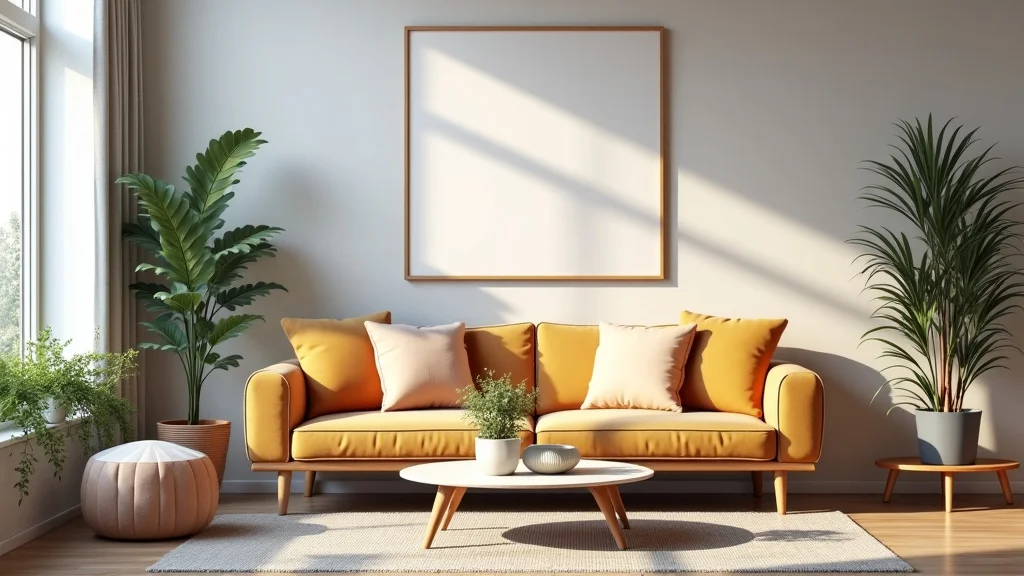
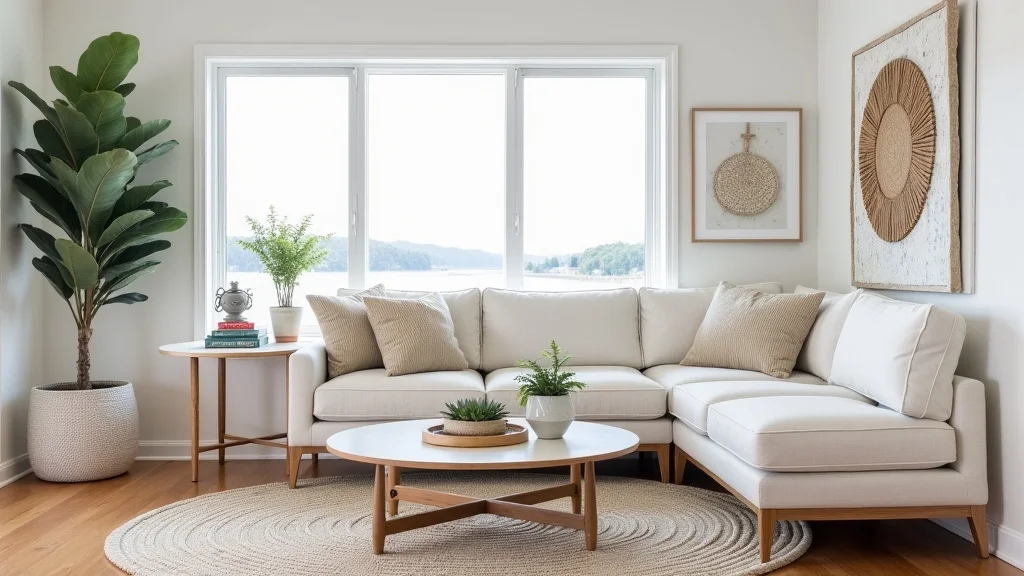
Ever walked into a friend’s house and felt instantly at ease, like you could curl up on the couch and stay for hours? Or perhaps you’ve visited a home that felt stiff and unwelcoming? The difference often lies in the types of home decor styles used. Choosing the right style is more than just picking pretty furniture; it’s about crafting a space that reflects your personality and makes you feel truly at home. This guide will explore several types of home decor styles, helping you discover the perfect aesthetic to transform your living spaces and improve the flow. By the end, you’ll have a clear direction, helping you select the best look that suits your personality.
Key Takeaways
- Learn about various popular interior design styles, from traditional to modern.
- Understand the key characteristics, elements, and color palettes of each style.
- Discover how to blend different styles to create a unique and personalized space.
- Gain inspiration for furniture, decor, and accessory choices for each style.
- Explore the cultural influences and historical backgrounds of different design trends.
- Find useful tips to match your personal style with the most suitable home decor style.
Exploring the Many Types of Home Decor Styles
The world of interior design is vast and varied, offering a multitude of options to personalize your living spaces. Each style reflects a unique blend of aesthetics, functionality, and cultural influences, from the timeless elegance of classic designs to the minimalist simplicity of modern approaches. Choosing the right style involves considering your lifestyle, preferences, and the overall atmosphere you wish to create in your home. This section provides an overview of some of the most prominent types of home decor styles, highlighting their key characteristics and design elements.
Traditional Home Decor
Traditional home decor is a time-honored style that prioritizes classic elegance and refined comfort. Rooted in European design principles, it embraces symmetry, balance, and a sense of formality. This style often features rich colors, intricate details, and high-quality materials. It focuses on creating a warm and welcoming atmosphere that emphasizes timeless appeal. Think of a space that feels like a classic novel, full of depth and stories. A traditional space should exude warmth and invite guests to relax.
- Color Palette: Deep, rich colors like burgundy, navy, forest green, and gold, along with creamy whites and soft neutrals for balance.
- Furniture: Elegant, often antique pieces made of wood with ornate carvings, upholstered sofas, and chairs with detailed trim.
- Fabrics: Luxurious textiles like silk, velvet, brocade, and damask in floral or paisley patterns.
- Accessories: Ornate mirrors, chandeliers, antique lamps, and curated collections of art and decorative objects.
- Layout: Symmetrical arrangements, formal seating areas, and well-defined spaces for dining and entertaining.
Traditional design often incorporates a layered approach. It aims to achieve a luxurious feel with heavy curtains, patterned rugs, and an assortment of accessories that add personality and historical depth to the space. This approach is excellent for those looking to create a space that feels sophisticated and enduring. To get a better picture of the style, imagine visiting a historic manor house, filled with polished wood, plush fabrics, and elegant details.
Modern Home Decor
Modern home decor prioritizes clean lines, open spaces, and a minimalist aesthetic. It typically avoids excessive ornamentation and embraces functionality. This style emphasizes simplicity, with a focus on form and the efficient use of space. Clean design elements, neutral colors, and geometric shapes are key characteristics. The overall goal is to create a sleek and uncluttered environment that feels sophisticated and practical. Picture a space that is airy, streamlined, and very current.
- Color Palette: Neutral tones like white, gray, and black, often with pops of color used sparingly to create focal points.
- Furniture: Simple, uncluttered pieces with sleek lines, often made of materials like metal, glass, and wood with a minimalist design.
- Fabrics: Plain fabrics in solid colors or subtle textures like linen and cotton.
- Accessories: Minimal, geometric artwork, simple vases, and uncluttered surfaces.
- Layout: Open-plan layouts, with furniture arranged to maximize space and functionality.
Modern design often employs large windows to bring in natural light, making spaces feel open and bright. Furniture is often chosen to be both practical and aesthetically pleasing. This style aims to create a clean, functional space that is easy to maintain and comfortable to live in. Imagine a modern art gallery, with its focus on clean lines and carefully curated displays. It’s an aesthetic that emphasizes a sense of calm and order.
Farmhouse Home Decor
Farmhouse home decor is a style that embraces rustic charm, warmth, and a connection to nature. It is inspired by the coziness of country living, focusing on natural materials, vintage accents, and a sense of simplicity. Farmhouse style evokes a feeling of comfort, inviting you to relax and enjoy the simple pleasures of home. The look combines the charm of country life with modern conveniences.
- Color Palette: Neutral colors like white, beige, and gray, often accented with pops of muted tones like light blues, greens, or yellows.
- Furniture: Reclaimed wood pieces, distressed finishes, and comfortable, oversized seating.
- Fabrics: Natural fibers like linen and cotton, often in simple patterns such as stripes or checks.
- Accessories: Vintage finds like enamelware, galvanized metal, and wooden signs, along with touches of greenery.
- Layout: Casual, inviting spaces, with a focus on functionality and comfort.
Farmhouse style often incorporates elements like shiplap walls, open shelving, and exposed wooden beams to create a sense of rustic character. The focus is on creating a lived-in space that feels welcoming and functional. For instance, think of a charming cottage nestled in the countryside, where you can unwind in a cozy atmosphere. The goal is to bring a sense of simplicity and connection to nature into the home. Farmhouse blends practical design elements with a focus on comfort and style.
Bohemian Home Decor
Bohemian, or “boho,” home decor embraces a free-spirited, eclectic aesthetic. It is characterized by vibrant colors, global influences, and an intentional mix of textures and patterns. Boho design emphasizes self-expression, individuality, and a relaxed, unconventional approach to decorating. The main focus is to create a warm and inviting atmosphere that tells a story. Think of a space that is lively, full of character, and a true reflection of the individual’s personality.
- Color Palette: Rich and vibrant colors like jewel tones, earthy hues, and warm neutrals, often mixed with patterns.
- Furniture: Mix-and-match pieces, including vintage finds, global-inspired furniture, and comfortable seating with a relaxed feel.
- Fabrics: Textiles in varied patterns, textures, and colors, including woven rugs, macramé, and printed pillows.
- Accessories: Layered rugs, unique artwork, global artifacts, plants, and travel souvenirs.
- Layout: Relaxed, layered spaces, with a focus on creating a comfortable and lived-in environment.
Bohemian design often involves layering textiles, incorporating natural materials, and displaying personal collections to create a space that feels both personal and stylish. The style is great for people wanting a space that reflects their travels and creative passions. Imagine entering a Moroccan marketplace filled with vibrant colors and rich textures. It’s an aesthetic that values self-expression and the freedom to create a truly unique living experience.
Minimalist Home Decor
Minimalist home decor is a design philosophy that focuses on simplicity, functionality, and the elimination of clutter. It emphasizes clean lines, open spaces, and a “less is more” approach. The goal is to create a calm and organized environment that promotes a sense of peace and tranquility. A minimalist style should focus on the essence of functionality and the beauty of simplicity.
- Color Palette: Neutral colors like white, gray, and black, often with subtle accents of color.
- Furniture: Simple, functional pieces with clean lines and minimal ornamentation.
- Fabrics: Plain, neutral-toned fabrics with minimal texture.
- Accessories: Few decorative items, with a focus on quality over quantity.
- Layout: Open, uncluttered spaces with minimal furniture and decor.
Minimalism centers on simplicity and functionality, with each item serving a specific purpose. This style aims to create a clean, organized, and stress-free environment, making it perfect for individuals looking for a sanctuary from the complexities of the outside world. Think of a carefully curated art gallery, with its focus on clean lines and uncluttered displays. It is a look that promotes a sense of peace and efficiency, helping to reduce stress and maximize space.
Coastal Home Decor
Coastal home decor evokes the relaxed and breezy atmosphere of the beach. It uses a color palette inspired by the ocean and sky, natural materials, and light, airy textures. The design aims to create a space that feels calm, inviting, and reminiscent of a seaside retreat. The goal is to bring the comfort of the coast into your home.
- Color Palette: Soft blues, greens, and sandy neutrals, along with crisp whites and touches of coral or nautical accents.
- Furniture: Light-colored wood, wicker, and rattan pieces, often with slipcovers in light, durable fabrics.
- Fabrics: Natural fibers like linen, cotton, and jute in solid colors or subtle patterns.
- Accessories: Nautical-themed decor like seashells, starfish, and model ships, along with light-colored artwork and mirrors.
- Layout: Airy, open spaces with a focus on natural light and a connection to the outdoors.
Coastal design incorporates elements like shiplap walls, natural textures, and light-reflecting surfaces to create a bright, breezy atmosphere. This style is an ideal choice for people wanting to capture the serene feeling of the sea. Imagine walking into a beachside cottage, with its soft colors, natural light, and the gentle sound of the waves. It emphasizes creating a relaxing and visually pleasant environment.
Mid-Century Modern Home Decor
Mid-Century Modern home decor is a style that emerged in the mid-20th century. It is known for its clean lines, organic shapes, and a blend of functionality and style. This design style emphasizes simplicity, with a focus on natural materials, geometric patterns, and a connection to nature. It aims to create a look that is both timeless and forward-thinking. Think of a space that is inviting, stylish, and full of design classics.
- Color Palette: Warm, earthy tones like browns, oranges, and greens, often contrasted with bright pops of color.
- Furniture: Sleek, low-profile pieces with wooden frames, such as the iconic Eames chairs and tapered legs.
- Fabrics: Fabrics with geometric patterns, such as abstract prints and woven textures.
- Accessories: Sculptural lamps, ceramic vases, and artwork with abstract or geometric designs.
- Layout: Open-plan layouts with a focus on functionality and connection to the outdoors.
Mid-Century Modern design often incorporates natural materials like wood and leather, along with geometric patterns and striking color combinations. This style is perfect for those who appreciate design from the mid-20th century. Imagine a stylish, sophisticated home with an authentic feel and classic elements. It’s an aesthetic that embodies a balance of beauty and practicality.
Industrial Home Decor
Industrial home decor draws inspiration from factories and warehouses of the industrial age. It is characterized by raw materials, exposed structural elements, and a focus on functionality. The style highlights the beauty of imperfection and creates a space that feels both edgy and inviting. The main goal is to create a cool and unique design.
- Color Palette: Neutral tones like gray, black, and brown, often accented with pops of red, orange, or blue.
- Furniture: Metal, wood, and leather pieces with a vintage or repurposed feel.
- Fabrics: Durable, practical materials like canvas, leather, and denim.
- Accessories: Metal lighting fixtures, exposed pipes, and salvaged industrial objects.
- Layout: Open-plan layouts with exposed brick walls, high ceilings, and visible structural elements.
Industrial design often incorporates raw materials, such as exposed brick and metal, to create a sense of authenticity and character. The style is ideal for those who love an urban, edgy aesthetic. Imagine walking into a converted loft, with high ceilings, exposed ductwork, and vintage pieces. It’s a look that celebrates the beauty of imperfection and the history of the industrial age.
Transitional Home Decor
Transitional home decor combines elements from both traditional and modern styles. It offers a balanced, versatile aesthetic that blends the best features of both worlds. The style avoids extreme ornamentation, focusing instead on a blend of clean lines and comfortable furnishings. The overall goal is to create a space that feels both timeless and stylish. Think of a space that has the sophistication of a classic design, updated with modern elements.
- Color Palette: Neutral colors like beige, gray, and white, often with pops of color.
- Furniture: Mix of classic and contemporary pieces.
- Fabrics: Mix of soft textures.
- Accessories: A balance of both formal and casual items.
- Layout: Balanced, versatile spaces.
Transitional design balances different styles to create a cohesive whole. It allows for creativity in home decorating. Think of a house that feels inviting with an authentic feel. It’s an aesthetic that is both practical and beautiful.
Choosing the Right Style for Your Home
Selecting the right home decor style is a personal choice that requires careful consideration of several factors. It’s about matching your personal style and the atmosphere you wish to create in your home. This section outlines some considerations to guide you in choosing the best types of home decor styles for your living spaces. The goal is to help you create a space that reflects your personality and improves your overall well-being.
Assess Your Lifestyle and Needs
Begin by considering your daily routines and how you use your living spaces. Do you frequently entertain guests, or do you prefer a quiet, personal space? Do you have children or pets? If you frequently host guests, a more formal traditional style might fit. If you have children, a farmhouse or coastal style with durable, easy-to-clean materials might be more suitable. Your chosen style should not only look good but also function well for your daily life. Consider how much time you are willing to spend maintaining your home decor, and whether you prefer an active lifestyle.
- Consider Functionality: Choose a style that supports your daily activities and lifestyle.
- Evaluate Durability: Select materials that can withstand wear and tear, especially if you have kids or pets.
- Think About Maintenance: Consider how much time and effort you are willing to invest in keeping your home tidy and well-maintained.
Evaluate your daily activities and living conditions to pinpoint what is best. The perfect style will blend seamlessly into your daily life. If you have a busy life, a minimalist style could make things easier, while if you love entertaining, a traditional or bohemian style might suit you best. Your home should function well and reflect your personality.
Identify Your Personal Preferences
Explore different design styles and identify elements that resonate with you. Review magazines, websites, and social media platforms to gather inspiration. Create mood boards or save images of spaces that capture your attention. Do you enjoy the sophistication of modern designs, or are you drawn to the warmth of farmhouse style? Your personal preferences should guide your choices, as you will be living in this space every day. Consider which colors, textures, and patterns you are most comfortable with. Think about the style that feels most natural to you.
- Gather Inspiration: Collect ideas from magazines, websites, and social media.
- Create Mood Boards: Compile images of spaces that appeal to you.
- Consider Your Color Preferences: Determine which color palettes and textures feel most comfortable.
Knowing your preferences will significantly streamline the process. Focus on creating a space that feels right to you. Whether you love the clean lines of modern style or the rustic charm of farmhouse, making your home a reflection of your personality is key. Focus on what is most attractive to you, and your home will be a more comfortable and happy place.
Consider the Architectural Style of Your Home
Your home’s existing architecture can provide a great starting point for your design choices. For example, a Victorian home may lend itself well to a traditional style, while a modern loft apartment may better suit an industrial or minimalist aesthetic. However, don’t be limited by this. You can mix and match styles to make it your own. For instance, you could bring a touch of Bohemian flair to a mid-century modern home. Consider the existing structure of your home, and aim to enhance its design.
- Assess the Architecture: Consider the style and period of your home.
- Enhance Existing Features: Embrace the character and charm of your home’s architecture.
- Adapt and Customize: Feel free to integrate elements of various styles to create a personalized space.
Understanding the architecture is crucial in finding the right balance between style and your home. While you might opt for a style that matches your home’s history, always feel free to adjust it to fit your personal style. By carefully considering these details, you can create a cohesive and welcoming interior.
Start with a Single Room
Transforming a whole home can be a huge project. Think about beginning with a single room or area that serves as your starting point. This approach allows you to experiment with different styles and see how they work in practice. The living room, bedroom, or home office are common choices. This method reduces the pressure. It gives you the flexibility to adapt. See what works. By starting with one area, you’ll be able to refine your design skills and create a consistent aesthetic throughout your home.
- Choose a Starting Point: Begin with a single room or area.
- Experiment and Adapt: Try different styles and make changes as you go.
- Gradually Expand: Once you are happy with the first room, you can extend your style to other areas.
Starting small enables you to get a feel for the style without making a huge commitment. As you gain more experience, you will discover the right look and feel for your home. This approach also allows you to learn and grow as a designer.
Common Myths Debunked
Myth 1: You Must Stick to One Style
Many believe that a home decor style must remain consistent throughout an entire house. This is not true. In reality, mixing styles is an art. It enables you to create a home that is unique and full of character. You may choose to embrace a blend of modern and traditional elements, or even combine a few unique styles. The goal is to make a space that feels personal and suits your tastes.
Myth 2: Expensive Decor Means Better Quality
High prices don’t always reflect better quality or design. Finding the right decor is about creating a look that is both attractive and matches your budget. Don’t feel you have to spend a lot to make your home beautiful. Try thrifting, reusing, or purchasing furniture from various sources.
Myth 3: Small Spaces Can’t Have Stylish Decor
Small spaces can be just as stylish as large ones. The key is to select furniture and decor that fit the space. If you have a small space, you can still express your personal style through the elements you select. The main purpose is to embrace the space and maximize its potential.
Myth 4: Trends Should Always Be Followed
Trends come and go, but personal style is timeless. While it’s fine to take note of design trends, the most important aspect is to incorporate your tastes. Select decor elements that feel right for you. It’s essential to design spaces that feel authentic and that will bring you joy for a long time.
Myth 5: Decorating is Only for Professionals
You do not need to be an expert to decorate your home. With some inspiration, creativity, and the right approach, you can create the perfect space. The key is to start with a plan, gather inspiration, and experiment. Decorating your home should be a fun and satisfying experience.
Frequently Asked Questions
Question: How do I know which style suits me best?
Answer: Consider your lifestyle, preferences, and the architectural style of your home. Gather inspiration from different sources and create mood boards to visualize your preferences.
Question: Can I mix different home decor styles?
Answer: Yes, mixing styles is encouraged! It allows you to create a unique and personalized space that reflects your personality. The key is to find a balance and create a cohesive look.
Question: What’s the best way to start decorating my home?
Answer: Start with a single room, gather inspiration, plan your color palette and overall design, and then gradually expand to other areas of your home.
Question: How can I decorate on a budget?
Answer: Thrift shopping, repurposing items, DIY projects, and focusing on key pieces can help you decorate on a budget. Consider buying second-hand furniture and accessories.
Question: How often should I change my home decor?
Answer: Update your decor as often as you like, or when your needs and preferences change. Some homeowners refresh their spaces seasonally. Others enjoy frequent updates to stay in tune with trends.
Final Thoughts
Exploring the various types of home decor styles is an exciting journey of self-expression and interior design. From the classic elegance of traditional designs to the modern simplicity of minimalism, the options are boundless. Choosing the best style for your home is an individual process. It’s important to understand the features of each style to select what feels right for you. Remember to take into consideration how you live, your tastes, and the architecture of your house. It is important to find the right decor. Mix and match styles to make a unique space that is all your own.