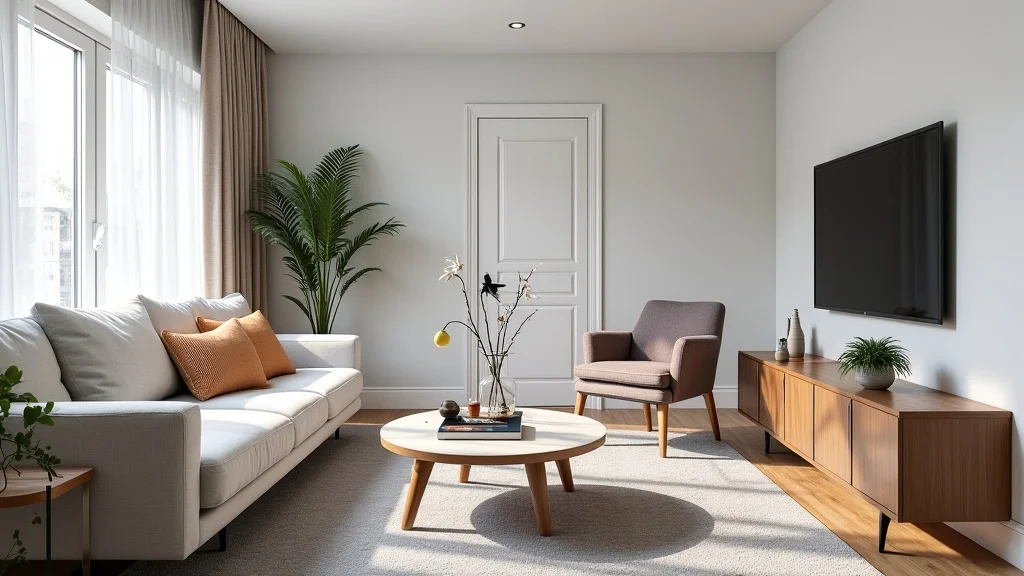
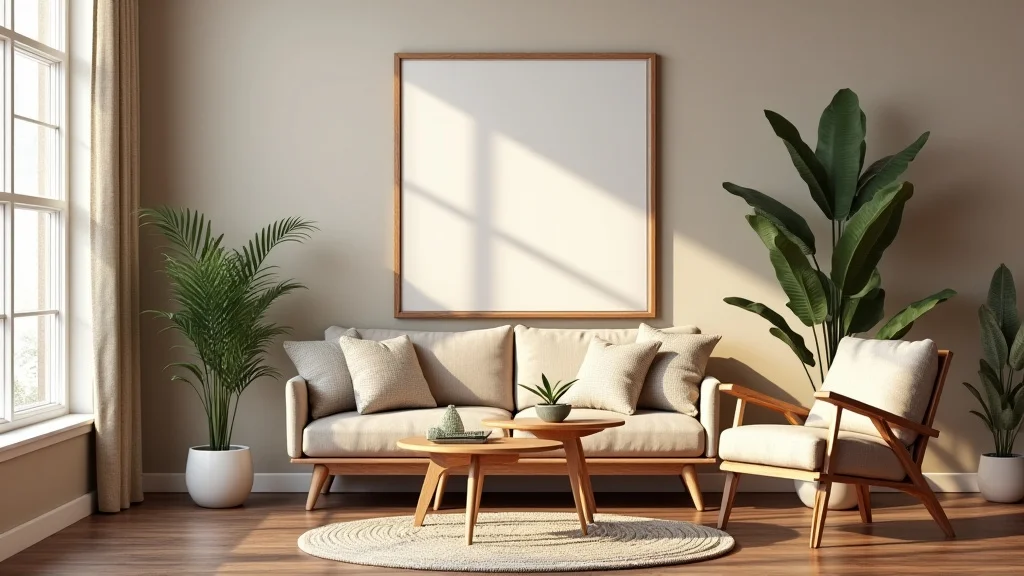
Ever walked into a room and felt an instant connection, thinking, “This is so me“? Or maybe you’ve stared at your own space, wondering why it doesn’t quite feel right. We’ve all been there! Figuring out what decor style am I can seem like a challenge. This guide will help you pinpoint your ideal aesthetic, from cozy farmhouse to sleek modern, and give you the confidence to create a home that truly reflects your personality. Get ready to explore a range of design aesthetics and transform your living space into a haven that speaks volumes about who you are. By the end, you’ll know exactly what type of decor resonates with you and how to implement it. Prepare for a design revelation!
Key Takeaways
- Learn about various popular decor styles and their defining characteristics.
- Identify your preferences and how they align with specific design aesthetics.
- Discover practical tips for incorporating your chosen style into your home.
- Understand the historical roots and influences of different decor styles.
- Gain insight into color palettes, materials, and furniture choices for each style.
- Find out how to blend different styles to create a unique and personalized look.
Uncovering Your Decor Personality
The journey to defining what decor style am I is much like the journey of self-discovery. It begins with self-reflection. Consider what makes you feel comfortable, relaxed, and happy. What colors do you gravitate towards? Are you drawn to clean lines and minimalism, or do you prefer the warmth and character of vintage pieces? Your answers to these questions will guide you toward your ideal design aesthetic.
Think about the homes you’ve loved visiting. What about them appealed to you? Was it the cozy atmosphere, the elegant simplicity, or the vibrant energy? These observations provide clues about your personal taste. Flip through magazines, browse design websites, and create a mood board to gather inspiration. This will help visualize your preferences and refine your sense of style.
Assessing Your Current Preferences
Start by evaluating what you already have in your home. Do you own any furniture, art, or accessories that you particularly love? These existing items often reveal your innate style. Take note of the materials, colors, and textures you find most appealing. Do you love wood, metal, or natural fibers? Is your color palette predominantly neutral, or do you thrive on vibrant hues? Your current collection offers insights into your underlying aesthetic.
Next, consider your lifestyle. Do you have children or pets? Do you entertain frequently? These factors influence the practicality of your design choices. If you have children or pets, you might opt for durable, easy-to-clean materials. If you frequently host gatherings, you might prioritize a layout that encourages conversation and social interaction.
- Color: What colors make you happy and relaxed?
Color is a powerful tool in interior design. It sets the tone of a space. Consider your feelings regarding bright, bold shades versus softer, more neutral tones. The colors you choose will greatly impact your overall decor style. For example, a minimalist aesthetic often relies on a neutral palette, while a bohemian style embraces vibrant colors.
- Texture: What textures are you drawn to?
Texture adds depth and interest to a room. Think about materials like wood, metal, glass, and fabric. Consider the tactile experience you want to create within your home. The layering of different textures can create a sense of comfort and sophistication. Smooth surfaces may be used in contrast to rough ones.
- Materials: What materials do you like the most?
Consider the different materials and fabrics that you enjoy. Do you prefer natural materials like wood, stone, and linen, or do you like the look and feel of metal or glass? The materials you select will contribute to the character and style of your space. Materials have a significant impact on creating the specific aesthetic.
- Function: What is the main purpose for the space?
Evaluate how your rooms will be used. Will it be a space for relaxation, working, or entertaining? Ensure your design choices align with the room’s function. The function of the space is extremely important. A living room for socializing will look different from a home office.
Identifying Your Style Influences
Your style isn’t created in a vacuum; it’s shaped by influences. These might include historical periods, travel experiences, or even your favorite artists and designers. Identifying these influences will help you refine your understanding of what decor style aligns with your preferences. This will help you define your design vision.
Look at your wardrobe. What type of clothing do you prefer? Is it classic and tailored, or is it more relaxed and bohemian? Your clothing style often mirrors your interior design preferences. For example, someone who appreciates the clean lines of minimalist fashion may also be drawn to a modern interior design style.
Popular Decor Styles to Explore
Exploring various design styles is a great step in discovering what decor style am I. This is a journey to find the aesthetic that works best for you. Each one has its characteristics, from modern and minimalist to bohemian and coastal. You might be surprised at the style that suits you.
Here’s a breakdown of some popular decor styles and their key elements:
Modern Style
Modern design is characterized by simplicity, clean lines, and a neutral color palette. It embraces functionality and a sense of spaciousness. Modern homes often feature open floor plans, minimal ornamentation, and a focus on natural light. The aesthetic emphasizes the use of sleek, uncluttered spaces with a focus on form and function.
Modern design emerged in the early 20th century, with roots in the Bauhaus movement. Bauhaus architecture stressed the fusion of art, craft, and technology. The style became popular due to its emphasis on practicality. It reflects the industrial and technological advancements of the era. This style’s clean aesthetic has been a constant presence in homes for a while.
- Color Palette: Neutrals like white, gray, and black, with occasional pops of color.
Modern design’s color palette often leans towards a minimalist base, which allows for visual focus on architectural features. Soft accent colors are often applied for a touch of vibrancy, but the color palette typically remains understated. The color schemes often promote harmony.
- Furniture: Simple, uncluttered, and functional furniture.
Furniture in this style emphasizes its purpose. Pieces often feature straight lines and geometric shapes. High-quality materials such as metal, glass, and wood are used. The emphasis is placed on both functionality and clean lines. This approach gives modern decor a streamlined look.
- Materials: Metal, glass, concrete, and wood.
The choice of materials in the modern style reflects its industrial roots. This includes the use of metal for hardware, glass for its transparency, and concrete for its structural integrity. Wood is utilized for bringing warmth. The materials contribute to its sleek appearance.
- Key Features: Clean lines, open floor plans, and a focus on natural light.
Clean lines and a focus on natural light are critical elements in this style. Open floor plans create a feeling of space and allow light to flow. The simple nature of this style makes it very flexible. The features make modern spaces feel modern and functional.
Minimalist Style
Minimalism is an extreme version of modern design, emphasizing simplicity, functionality, and the elimination of clutter. It seeks to create a serene and uncluttered environment. Minimalist spaces prioritize essential elements, often featuring a monochromatic color scheme. Minimalist design is not just about aesthetics, but it’s a lifestyle choice, encouraging conscious consumption and a focus on what’s truly necessary.
Minimalism found a following in the 1960s as a reaction to consumerism. Minimalism is a response to excess. Its objective is to focus on quality over quantity. This creates a peaceful and focused atmosphere. It appeals to individuals looking to declutter their lives and live with intention.
- Color Palette: Predominantly white, gray, and other neutral colors.
The minimalist color palette is often monochromatic, using variations of whites, grays, and blacks. This color scheme allows a space to feel calm and organized. The neutral hues also provide a backdrop for a few key elements.
- Furniture: Simple, functional, and devoid of unnecessary ornamentation.
Minimalist furniture is selected to serve a purpose, with an emphasis on its function. Pieces often have straight lines and a lack of visual clutter. The goal is to keep things simple and organized. Each piece complements the overall style.
- Materials: Natural materials, like wood and stone.
Minimalist homes often feature natural materials. These add warmth and texture, contrasting the starkness of a minimalist aesthetic. This balances the simplicity. The use of natural materials is a key characteristic.
- Key Features: Lack of clutter, open spaces, and emphasis on essential items.
Decluttering is essential in this style, creating a sense of spaciousness and serenity. Open spaces create an airy feeling. The focus is on the few items that are truly necessary and valued. This is meant to create a calm atmosphere.
Farmhouse Style
Farmhouse design evokes a sense of warmth, comfort, and simplicity, drawing inspiration from rural life. It often incorporates rustic elements, natural materials, and a sense of coziness. This style brings a sense of nostalgia. It creates a welcoming environment. It emphasizes practicality and embraces imperfections.
Farmhouse style is inspired by traditional rural homes and the simple life of the countryside. This style evokes the feeling of a cozy country home. The style has evolved and grown in popularity, from rustic farmhouse to modern farmhouse. This style provides a way to incorporate vintage items.
- Color Palette: Neutral colors like white, cream, and gray, with pops of natural colors.
Neutral colors create a backdrop for warmer accent tones that add personality. These palettes help create an inviting feeling. This makes a space feel open, airy, and inviting.
- Furniture: Rustic or antique furniture with a focus on comfort.
Furniture typically features vintage pieces that add character. Rustic wood tables and comfortable seating are common in this style. This is meant to evoke an inviting, lived-in feel.
- Materials: Wood, natural fibers, and metal.
The use of natural materials is key to farmhouse design. Wood flooring, exposed beams, and woven textiles create warmth and texture. Metal accents, such as iron fixtures, add visual interest. These materials bring a sense of history and charm.
- Key Features: Rustic elements, cozy textures, and functional design.
The style often incorporates rustic architectural elements. Cozy textures like blankets and pillows create a warm atmosphere. Functional elements like a farmhouse sink are essential. This creates a balanced mix of comfort and practicality.
Bohemian Style
Bohemian, or “boho” style is characterized by a free-spirited, eclectic aesthetic that embraces creativity, self-expression, and a mix of cultures. It’s about combining textures, colors, and patterns. It’s often associated with travel, art, and a relaxed lifestyle. Bohemian style encourages you to mix and match different styles.
Bohemian style originated in the 19th century in Europe, inspired by artists, writers, and travelers. The style allowed them to express their individuality. It also encouraged them to create unique spaces. This style continues to inspire the artful and non-conformist. It continues to be admired today.
- Color Palette: Rich and vibrant colors, with patterns.
The color palette is rich and diverse, often featuring jewel tones, earthy shades, and bright accent colors. Bold patterns and textures are frequently used. This palette brings a sense of energy and visual interest.
- Furniture: Vintage, globally-inspired, and unique pieces.
Furniture is varied and eclectic, with vintage and handcrafted pieces. Mixing and matching styles is encouraged, creating a curated feel. Pieces with unique stories are a key part of the aesthetic.
- Materials: Natural fibers, textiles, and vintage finds.
Materials like woven textiles, vintage rugs, and macramé are common. This adds depth and visual interest. The focus is on authentic materials. They bring a warm and inviting atmosphere.
- Key Features: Layered textures, global influences, and artistic elements.
Textiles, layers, and global elements give the style a rich look. Art, plants, and other unique finds add personality. This style encourages self-expression and is incredibly warm and welcoming.
Coastal Style
Coastal decor brings the soothing atmosphere of the sea into your home. It evokes a feeling of relaxation, comfort, and an informal style. This style frequently incorporates natural light, airy spaces, and a nautical-inspired aesthetic. It uses soft colors and materials to bring in the feel of the sea.
Coastal style is inspired by beach houses and seaside retreats, and is about simplicity. It has evolved. This includes modern and minimalist versions, but it still maintains the feeling of relaxation. It is a very popular style for anyone who wishes to evoke the feelings of a summer at the sea.
- Color Palette: Soft blues, whites, and sandy tones.
The color palette is derived from the sea and the sand. Soft blues, whites, and sandy neutrals create a calm atmosphere. These colors create a serene backdrop. This evokes a sense of tranquility.
- Furniture: Comfortable, casual, and often made from natural materials.
Furniture is designed to be comfy, often with natural fibers, like cotton and linen. Furniture often includes classic designs, such as slipcovered sofas and woven chairs. This is intended to create a relaxing environment.
- Materials: Natural fibers, wood, and light fabrics.
Natural materials, such as wood, rope, and linen, bring in a connection to nature. Light, airy fabrics such as cotton and linen are common. These materials enhance the comfortable, breezy vibe of coastal design.
- Key Features: Natural light, nautical accents, and a relaxed atmosphere.
Coastal style relies on natural light. Nautical accents, like seashells, add touches of the sea. The emphasis is on creating a space for relaxation. The style promotes an informal, inviting atmosphere.
Blending Styles and Personalizing Your Space
While understanding different decor styles is helpful, it’s not required to stick to one. Combining styles is often the key to creating a truly unique and personalized space. You do not have to limit yourself to one single decor style. A well-designed interior often reflects elements of several styles. This ensures your space feels like a true reflection of you.
You can blend styles to create a unique atmosphere. A modern space can be made warmer with antique furniture. A farmhouse kitchen can feature minimalist appliances. Remember that your home should be a reflection of who you are. Mixing and matching allows you to showcase different design elements.
Tips for Combining Decor Styles
Experimenting with different styles can be fun. Here are some methods for blending them to find your style. This helps you to discover and incorporate aspects of multiple styles.
- Choose a Dominant Style: Pick one style to be the foundation. Then, add elements from other styles to create interest. This creates cohesion. It makes sure that your design is unified.
- Use a Common Thread: Link different styles through a shared color palette. Use texture or material to unify the space. This will tie everything together. It helps to ensure that the space flows.
- Balance Contrasting Elements: Use contrasts. The goal is to balance opposing elements. Combining styles, for instance, a modern sofa and a farmhouse table, is a good idea. This prevents a space from feeling disjointed.
- Create Focal Points: Utilize focal points. A piece of art or a unique furniture item can be used. It draws the eye and unifies the different styles. The focal point makes the room’s design cohesive.
- Accessorize Thoughtfully: Be careful with accessories. Use accessories to link different styles. For example, add a vintage rug to a modern living room. Accessories create a sense of cohesion.
Real-Life Examples of Style Blending
Let’s look at real-life examples of how different design styles can be combined. This showcases the possibilities when mixing different aesthetics.
- Modern Farmhouse: This style combines clean lines with rustic charm. Consider using a neutral palette. Add farmhouse features like a shiplap wall and a farmhouse table. Balance the modern look with cozy textures and vintage accessories.
- Bohemian Coastal: Blend the free-spirited bohemian style with the calming elements of coastal design. Use light, airy colors and natural textures. Add bohemian elements with patterned textiles and unique artwork.
- Mid-Century Modern with Industrial Accents: Blend the classic lines of mid-century modern furniture with industrial elements. Add metal details and exposed brick. Keep the overall feel streamlined, creating a unique, stylish space.
| Style Blend | Key Elements | Result |
|---|---|---|
| Modern Farmhouse | Clean lines, rustic textures, neutral colors, natural materials | Creates a warm, welcoming space |
| Bohemian Coastal | Light colors, natural fibers, patterned textiles, unique art | Offers a relaxed, free-spirited aesthetic |
| Mid-Century Modern with Industrial Accents | Classic furniture, metal detailing, exposed brick | Produces a chic, stylish space |
Common Myths Debunked
There are several myths about interior design. Some people might think the process is complex. Here are some myths about design that are not always true.
Myth 1: You Need to Spend a Lot of Money to Have a Well-Designed Home
The belief that great design must be expensive is a big myth. It isn’t always true. High-quality design focuses on functionality and aesthetic. It’s often found in how you arrange your space. You can furnish and decorate your home on any budget. It’s about how you use your money. The goal is to maximize the value of what you have.
Myth 2: You Must Follow Current Trends
Current trends are important but should not be the main focus of your style. It is important to look at what is popular and try to incorporate it into your style. You should choose a style that expresses your preferences. This will make you happy. You can still incorporate some aspects of current trends. Your design should be about your personal taste.
Myth 3: You Can’t Mix and Match Different Decor Styles
Many believe that styles should be kept separate. Blending different styles can create a unique space. Combining styles allows you to incorporate items you love. You can create a home that reflects your personality. Your home is a place for individual expression.
Myth 4: Small Spaces Can’t Be Stylish
Small homes can be incredibly stylish and functional. You can use clever design and smart choices to make the best use of a small space. The aim is to create visual space. Minimalism and multi-functional furniture can also maximize style. This proves that a stylish space can be made no matter the size.
Myth 5: Interior Design Is Easy
Interior design requires skills and attention to detail. It is a process. It involves several considerations, like space planning and aesthetics. This also includes the use of lighting and creating a cohesive space. Successful design takes time. Proper planning, research, and careful execution are crucial.
Frequently Asked Questions
Question: How do I choose the right color palette for my home?
Answer: Think about the mood you want to create and your style. You can use tools and websites to test different color combinations. You can also look at color palettes in home design magazines and websites.
Question: What’s the best way to determine the right size furniture for a room?
Answer: It’s important to measure your space carefully. Then, plan the layout of your room. Measure the furniture before buying it. This will prevent overcrowding your room.
Question: How can I create a cohesive look when I have different styles in my home?
Answer: Select a consistent color palette and unifying elements. Consider using the same material or theme for a cohesive look. A common thread will help the different styles blend well.
Question: Is it necessary to hire a professional interior designer?
Answer: Hiring a designer is not required, but it can be beneficial. They can help with space planning and ensure that your design suits your taste. If you’re comfortable and feel inspired, you can do it yourself.
Question: What are some tips for making a small space look larger?
Answer: Use light colors. Maximize natural light. Utilize mirrors to create space. Consider furniture with multiple purposes. Declutter regularly to avoid a cluttered look.
Final Thoughts
So, what decor style am I? Hopefully, this article has provided you with clarity. It has provided you with the tools to discover and articulate your design preferences. Explore various design styles, and blend them. This will allow you to craft a home that reflects you. Your space can be transformed into a place that is comfortable and beautiful. It should also showcase your creativity. Remember, creating a beautiful home is a journey. It is meant to be a fun and personal experience.
Experiment, trust your instincts, and enjoy the process of creating a home that tells your story. Start by gathering inspiration. Consider creating a mood board. You can also shop at local stores. The most important thing is to make your home a place that you love. So, start creating the space of your dreams, and make it uniquely yours.