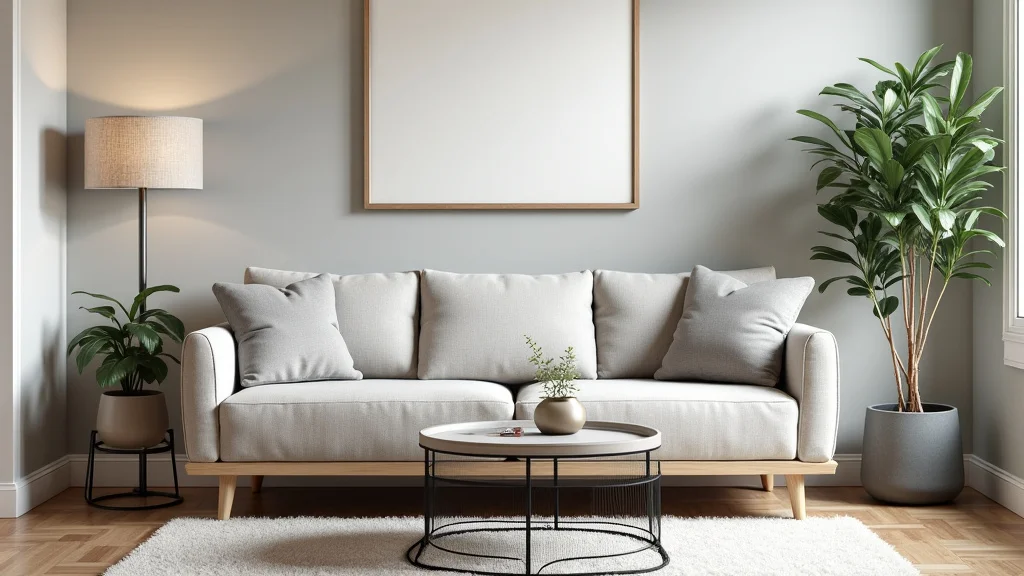
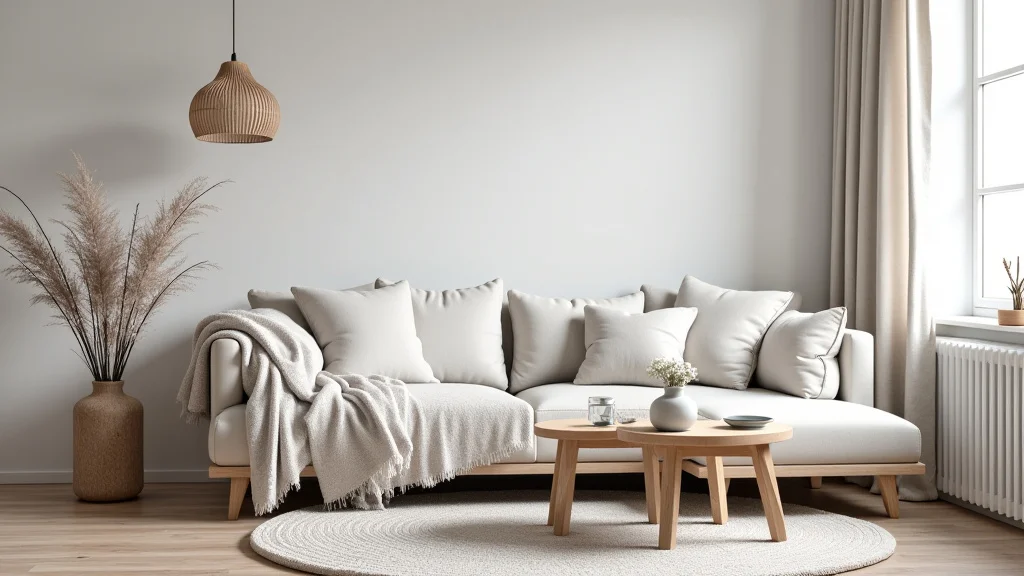
Ever walked into a friend’s house and felt instantly at peace, while another’s left you feeling a little… off? The magic is often in the styles of home decor! Different design choices can drastically impact your mood and how you experience your living space. This guide explores a range of popular decorating aesthetics, helping you discover your personal style and transform your home into a haven. You’ll gain insights to make informed decisions for your home, boosting your design confidence and leading to a more satisfying living environment.
Key Takeaways
- Learn about various styles of home decor, from classic to contemporary.
- Discover the key elements defining each design aesthetic.
- Gain inspiration for combining different decor styles.
- Find practical tips for incorporating your favorite styles into your home.
- Understand how to select furniture and accessories that complement your chosen style.
- Explore the latest trends in interior design and styling.
Exploring Popular Styles of Home Decor
Choosing the correct styles of home decor is like selecting a perfect outfit. It reflects your personality, preferences, and how you want to present yourself. The landscape of interior design is expansive and diverse, offering a multitude of options. This allows homeowners to express their unique tastes, whether they lean towards the sleek lines of modern design or the cozy comfort of farmhouse chic. Each style has its distinct characteristics, including color palettes, materials, furniture choices, and decorative elements. Grasping the details of each style allows you to make informed decisions, developing a cohesive and visually pleasing home environment.
Modern Design: Sleek and Functional
Modern design emphasizes clean lines, a neutral color palette, and minimal ornamentation. Functionality is key, with furniture often serving multiple purposes. This style typically features open floor plans to maximize space and natural light, creating a streamlined and uncluttered feel. Think of homes with large windows, lots of light, and a sense of airiness. The focus is always on simplicity and a sophisticated, yet approachable, aesthetic.
- Color Palette: Predominantly neutral colors like white, gray, and beige. Accents of black, brown, and bold primary colors can add visual interest.
- Furniture: Simple, geometric shapes with exposed legs and minimal embellishments. Materials include metal, glass, and wood, with fabrics like leather and wool.
- Accessories: Minimalist and carefully chosen. Think abstract art, geometric rugs, and sleek lighting fixtures.
A modern home often uses a base of white walls and flooring, acting like a blank canvas. This simplicity is then punctuated by carefully selected furniture and artwork. For example, a charcoal grey sofa paired with a vibrant red accent chair provides a focal point. Accents may include black metal frames and natural wooden features.
Modern furniture is all about the form following function. Sofas and chairs typically have clean lines, with a focus on comfort and practicality. Often the sofa or the chairs themselves will have exposed metal or wooden legs, adding to the structural aesthetic of the furniture.
Accessories play a supporting role in modern design, but their selection is deliberate. An abstract painting with bold strokes might hang above a sofa. A sleek, chrome lamp might stand in a corner. Each item is chosen to contribute to the overall aesthetic without overwhelming the space.
Minimalist Style: Less Is More
Minimalism goes a step further than modern design, focusing on extreme simplicity. The core philosophy is “less is more,” where every item must serve a purpose and contribute to the overall aesthetic. Homes are carefully curated and devoid of clutter. The emphasis is on open space, clean lines, and a sense of calm. The aim is to create a serene, uncluttered environment, allowing the mind to relax and focus on what truly matters. This style promotes a life focused on quality over quantity.
- Color Palette: Primarily neutral colors, such as white, gray, and beige. Pops of color are rare and used sparingly.
- Furniture: Essential pieces only, with simple designs and a focus on functionality. Storage is built-in to keep surfaces clear.
- Accessories: Very few accessories. Items are carefully selected for their aesthetic value and function.
The beauty of minimalism resides in its monochromatic nature, offering a sense of calm and clarity. White walls and light-colored flooring create a bright and airy atmosphere. If any other color is used, it should be in moderation. For example, a single, bold-colored chair provides visual interest without interrupting the overall serenity.
Furniture choices are made very carefully in a minimalist home. Only the necessary furniture is present, and each piece should serve multiple purposes. Built-in storage solutions and hidden storage options are favored, helping to maintain a clutter-free look. Everything is placed in a way that provides ease and is practical for day-to-day use.
Minimalist homes are not crowded with accessories. If accessories are present, they are carefully curated and serve a purpose. A single, well-placed plant can bring life to the room. Artwork is often abstract or geometric, contributing to the room’s calm and structured ambiance.
Bohemian Style: Free-Spirited and Eclectic
Bohemian design celebrates individuality and a free-spirited lifestyle. It’s a blend of global influences, vintage finds, and a relaxed, lived-in feel. There are few rules, allowing for personal expression and creativity. This style embraces rich colors, patterns, and textures, creating a warm, inviting, and personalized space. Bohemian design is not about adhering to strict rules; rather, it’s about making a space that reflects who you are and what you love.
- Color Palette: Earthy tones like browns, greens, and oranges, combined with vibrant jewel tones.
- Furniture: Vintage, antique, and handcrafted pieces. Mixing and matching is encouraged.
- Accessories: Textiles, plants, and travel souvenirs are key. Layered rugs, patterned cushions, and macramé are common.
Bohemian spaces are known for their lively and warm color palettes. You might find a blend of earthy tones like deep brown and forest green, mixed with vibrant colors like ruby red and sapphire blue. Earthy colors provide a base while the jewel tones add depth and visual interest.
Bohemian homes celebrate vintage and one-of-a-kind items. You will frequently see antique furniture, handcrafted pieces, and items from global travels. Mixing and matching furniture is encouraged, giving each room a unique look.
Accessories are a crucial part of the Bohemian design. Layered rugs, patterned cushions, and macramé wall hangings are all elements. Plants, particularly those with a lush or dramatic shape, bring life to the space. The space is filled with personal items and travel souvenirs, creating a feeling of character.
Scandinavian Design: Clean and Cozy
Scandinavian design, originating from the Nordic countries, emphasizes functionality, simplicity, and natural light. It combines clean lines with warm textures, creating a bright and inviting space. This style incorporates natural materials, such as wood, wool, and linen, promoting a sense of coziness and well-being. The focus is on creating a space that feels both practical and comforting, reflecting the Scandinavian appreciation for a balanced and beautiful life.
- Color Palette: Predominantly white and light colors, with accents of gray, black, and natural wood tones.
- Furniture: Functional, comfortable, and often made from light-colored wood. Minimalist designs with a focus on ergonomics.
- Accessories: Simple, natural, and functional. Think soft textiles, cozy blankets, and carefully chosen artwork.
Scandinavian design is known for its bright and airy feel, using mainly white and light colors. White walls, combined with light-colored flooring, help to amplify the natural light. Gray, black, and natural wood tones are added for contrast and warmth.
Scandinavian furniture is known for its simplicity, functionality, and comfort. Often made of light-colored wood, such as pine or birch, and with clean lines, it emphasizes usability. Ergonomics are at the heart of the design, ensuring each piece is comfortable and useful.
Accessories in Scandinavian design enhance the comfort and functionality of the space. Soft textiles, such as wool blankets and linen pillows, add texture and coziness. Carefully chosen artwork and simple decorations contribute to the aesthetic without overwhelming the space.
Farmhouse Style: Rustic and Relaxed
Farmhouse design evokes a sense of comfort and nostalgia. It combines rustic elements with modern touches, creating a warm and welcoming space. This style often features natural materials, such as wood and stone, along with vintage furniture and a neutral color palette. The goal is to create a space that feels lived-in and inviting, celebrating the simplicity of rural life. Farmhouse is about creating a space where you can relax, feel comfortable, and enjoy the beauty of everyday living.
- Color Palette: Neutral colors like white, cream, and gray, with accents of black, blue, and green.
- Furniture: Vintage, distressed, and rustic pieces. Natural wood tables, cozy sofas, and antique cabinets.
- Accessories: Rustic elements like mason jars, wooden signs, and woven baskets. Soft textiles like linen and cotton.
Farmhouse design typically utilizes a neutral color palette to create a bright and airy atmosphere. White, cream, and gray create a good base, while pops of black, blue, and green bring visual interest. These colors often reflect the natural surroundings and the simplicity of country life.
The furniture in a farmhouse home often features vintage, distressed, and rustic pieces. Natural wood tables, such as reclaimed wood dining tables, and cozy sofas add to the rustic charm. Antique cabinets and vintage finds offer character and a sense of history.
Accessories are a crucial part of the farmhouse style. Woven baskets, wooden signs, and mason jars add a rustic feel. Soft textiles such as linen and cotton add comfort. These accessories contribute to a sense of warmth and create a lived-in feel.
Choosing the Right Styles of Home Decor
Choosing the right styles of home decor can seem like a complex task. The key lies in understanding your own personality and lifestyle. Consider what makes you feel comfortable, relaxed, and happy. Start by looking at your existing possessions and the design elements you already appreciate. Is it the clean lines of modern design, the cozy warmth of farmhouse, or the eclectic mix of bohemian style? The choices you make should reflect your unique character.
Assessing Your Lifestyle
Your lifestyle plays a role in your design choices. If you frequently entertain guests, a more open and social design, like modern or mid-century, might suit you. For those who value calm, minimalist decor can be the best. If you have children or pets, choose durable and easy-to-clean materials. The design should align with how you actually live, making it both beautiful and functional. Remember that the design should also work with your space. A tiny apartment might benefit more from minimalist or Scandinavian design, while a spacious home might accommodate the eclectic nature of bohemian decor.
Considering Your Existing Space
Before implementing any styles of home decor, examine your existing space. What are its strengths and weaknesses? Does it have a lot of natural light? Is the space large or small? Consider the existing architectural features, such as the size and shape of the room, the placement of windows, and any existing built-ins. These features can influence your design choices. For example, a room with limited natural light might benefit from a lighter color palette. Think about the flow of movement between rooms and how different designs will interact with each other. It’s also crucial to consider the amount of natural light that reaches each area of your house. Sunlight has a dramatic effect on colors and moods. Bright and airy spaces often benefit from lighter colors, while darker spaces might suit warmer tones. By considering all aspects, you can choose a design that suits your physical space.
Finding Inspiration
There is no limit to the sources of inspiration available to you. Explore magazines, websites, and social media platforms, like Pinterest and Instagram. Collect images of designs that appeal to you. As you gather ideas, you’ll begin to see patterns in your preferences. Are you drawn to specific colors, materials, or furniture styles? Visit showrooms and open houses to experience different styles firsthand. Note down the elements you like and what makes them appeal to you. Don’t be afraid to experiment. Start with small changes and incorporate new design ideas gradually. By gathering inspiration and experimenting, you will get closer to creating a home environment that reflects your style.
Mixing and Matching Styles of Home Decor
Do you feel limited to just one style? No! The most exciting designs often result from mixing and matching different styles of home decor. This allows for a unique and personalized aesthetic. The key is to find common elements that tie the styles together, such as a unifying color palette or a shared appreciation for natural materials. Blending styles provides you with the chance to express your unique personality and tastes. It also helps to prevent your home from looking like a showroom. The art of mixing and matching styles can create a harmonious, dynamic, and visually interesting space.
Creating a Cohesive Look
When combining multiple design styles, it’s vital to create a cohesive look. Here’s a quick guide to do it well. First, pick a base style that will dominate the space. This style provides the overall structure and feel. Then, incorporate elements from other styles as accent pieces. To unify the different styles, use a consistent color palette throughout the space. Repeating certain colors or using a few key colors can also connect the different designs. Another method is to integrate similar materials. For example, the use of wood in both a rustic and a modern space can create harmony. Carefully curate the accessories, ensuring that they complement each other instead of competing for attention.
Examples of Style Combinations
Some of the most popular style blends are:
- Modern Farmhouse: Combining the clean lines of modern design with the warmth and rustic charm of farmhouse.
- Bohemian Modern: Blending the free-spirited energy of bohemian design with the streamlined simplicity of modern.
- Scandinavian Bohemian: Merging the minimalist, cozy feel of Scandinavian design with the eclectic nature of bohemian.
- Transitional: Combining elements of traditional and contemporary designs to create a balanced, timeless aesthetic.
A modern farmhouse style marries sleek elements with cozy, vintage touches. In the living room, a sleek, modern sofa sits atop a rustic, distressed wood coffee table. Throw pillows with simple patterns and natural textures complement the look. The color palette typically involves a base of white or light-colored walls, accented by touches of black and gray, with natural wooden furniture.
This design merges the comfort of bohemian with the clean lines of modern. This combination could be as simple as adding a patterned rug and some ethnic cushions to a modern sofa. You can hang a macramé wall hanging and place a collection of potted plants on a simple, modern media console.
This mix creates a comfortable and unique feel. The core Scandinavian aesthetic is preserved by the use of light woods and a neutral palette. However, it’s then combined with the colors and patterns of bohemian design, like a patterned throw or a rug. You can add a vintage chair, a macramé wall hanging, or a mix of natural textures.
Transitional design bridges the gap between traditional and modern styles. It often features neutral colors, clean lines, and an elegant but comfortable atmosphere. The combination could involve classic furniture pieces with clean silhouettes and neutral upholstery. You might incorporate antique accessories, such as a vintage mirror or a classic floor lamp, to build a timeless home.
Decorating Your Home: Practical Tips
Now that you know more about the different styles of home decor, let’s explore practical ways to put your style into practice. Beginning your decorating journey can seem overwhelming, but breaking down the process into manageable steps makes the experience achievable. From selecting furniture and accessories to using color and texture, these tips provide helpful guidance to transform your home into a space you adore.
Selecting Furniture
Furniture is the backbone of any space. Select pieces that complement your chosen style while providing function. Before you even shop, measure your space and take note of the existing architectural features. The size and scale of the furniture must fit the room. Always consider the layout and function of the space. Consider the needs of each room, the activity, and the number of people who will be using it. Comfort and durability are just as important as aesthetics. Always consider the quality of furniture and choose pieces made from high-quality materials. Select pieces that reflect your style and meet your budget. Choosing furniture involves careful planning. By taking the time to plan your purchases, you can create a beautiful, functional, and comfortable living space.
Choosing Accessories
Accessories can add personality and charm to any room. They are the key to building the vibe you want. Focus on selecting accessories that reflect your style and interests. Start with a foundational selection, and build from there. Accessories include artwork, throw pillows, and decorative objects. Layering different textures and patterns can add depth and interest. For example, add a plush rug, soft throw pillows, and textured curtains to a modern room to warm it up. When it comes to artwork, choose pieces that complement the style of the room. Always place your accessories with care. Group items, and use them to create focal points or visual interest. Accessories are a key part of your home décor. They can elevate your space and make it unique to you.
Using Color and Texture
Color and texture are important elements in any design. The use of color can significantly impact the mood and overall aesthetic of your home. Start by building a color palette that reflects your chosen style. Consider the lighting conditions in each room and how the colors will appear. Test paint colors before committing to them. Texture adds depth and visual interest to a space. Include a range of textures to create depth, such as smooth leather, rough wood, and soft textiles. Texture can be incorporated through textiles, wall treatments, and furniture choices. The integration of color and texture is central to creating a harmonious and aesthetically pleasing space.
Common Myths Debunked
Many misconceptions surround different styles of home decor, often leading to indecision or fear of making the wrong choices. It’s time to bust these myths, arming you with accurate information to approach your decorating with confidence.
Myth 1: You Must Stick to One Style
The reality is that you can absolutely blend different styles to reflect your personality.
Don’t be afraid to experiment. Mixing and matching styles can create a unique and personalized space. The key is to find common elements that tie the styles together, such as a unifying color palette or a shared appreciation for natural materials. This blend can lead to a more interesting and customized result.
Myth 2: Expensive Decor Is Always Better
The truth is that you do not need to spend a lot of money to create a stylish home.
Finding great pieces doesn’t always mean spending big. You can locate treasures at thrift stores, antique shops, or online marketplaces. You can also mix expensive items with affordable ones. The key is to choose items that resonate with your style and fit the overall aesthetic of your space.
Myth 3: You Need a Big Budget to Redecorate
The reality is that you can improve your home with a small budget.
Redecorating doesn’t require a fortune. You can do simple changes, such as reorganizing existing furniture, adding new accessories, or repainting a room. Focus on small projects that make a big difference, such as adding a mirror to make a room look bigger. Budgeting can give you the flexibility to transform your space over time.
Myth 4: Dark Colors Make a Room Smaller
Dark colors can be used in rooms to create a feeling of depth and make a space seem bigger.
While light colors make a space seem larger, dark colors can create a sense of depth and make a room seem cozy. If used properly, dark hues can create a dramatic effect. Pair them with lighter accessories to balance the darkness and open up the space. The right use of dark colors can make your space even more interesting.
Myth 5: All Furniture in a Room Needs to Match
The reality is that your furniture does not need to match.
You can create a more interesting design by mixing different styles. The goal is to create a cohesive look. When choosing different furniture pieces, keep certain aspects in mind, such as the color palette, texture, and size. The most important thing is to make sure your space feels authentic to your taste.
Frequently Asked Questions
Question: How do I determine my preferred design style?
Answer: Start by exploring various styles of home decor through magazines, websites, and social media. Collect images of spaces that appeal to you, and note any patterns in color palettes, furniture, or accessories that you find attractive. Visiting showrooms and open houses can also provide inspiration.
Question: Can I mix and match different decorating styles?
Answer: Absolutely! Blending different styles can create a more unique and personalized aesthetic. The key is to find common elements like a similar color palette, shared materials, or a balance of form and function. This helps ensure a cohesive and visually pleasing design.
Question: How do I choose the right color palette for my home?
Answer: Consider the lighting conditions in each room. Does it receive a lot of natural light or less? Test paint colors before committing to them, and see how they appear during different times of the day. Choosing colors that complement each other and align with your chosen style is also very important.
Question: What’s the best way to incorporate texture into my home design?
Answer: Texture can be incorporated through various elements like textiles (rugs, curtains, pillows), wall treatments (wallpaper, textured paint), and furniture materials (wood, metal, leather). Layering different textures adds depth and visual interest to a space, making it feel more inviting.
Question: Where should I start if I want to update my home décor on a budget?
Answer: Start by rearranging your existing furniture and accessories. Focus on small projects, like repainting a wall, adding new throw pillows, or incorporating budget-friendly artwork. Consider shopping at thrift stores, antique shops, or online marketplaces for unique and affordable pieces. The small changes will have a great impact.
Final Thoughts
Discovering your favorite styles of home decor is a personal process of exploration and experimentation. Now that you’ve explored the diverse world of design aesthetics, you’re well-equipped to create a home that reflects your personality and preferences. Remember, there’s no single “right” way to decorate. Don’t be afraid to mix and match styles, and don’t limit yourself to trends. The most satisfying design is one that truly feels like home. Start by taking inventory of your current space, and gather inspiration from the resources outlined in this guide. Begin with a few simple changes, such as incorporating a new color, changing your furniture layout, or adding some accessories. Each small step brings you closer to a living space you’ll love for years to come. Embrace your unique taste, and watch your home transform into a reflection of your personality.